


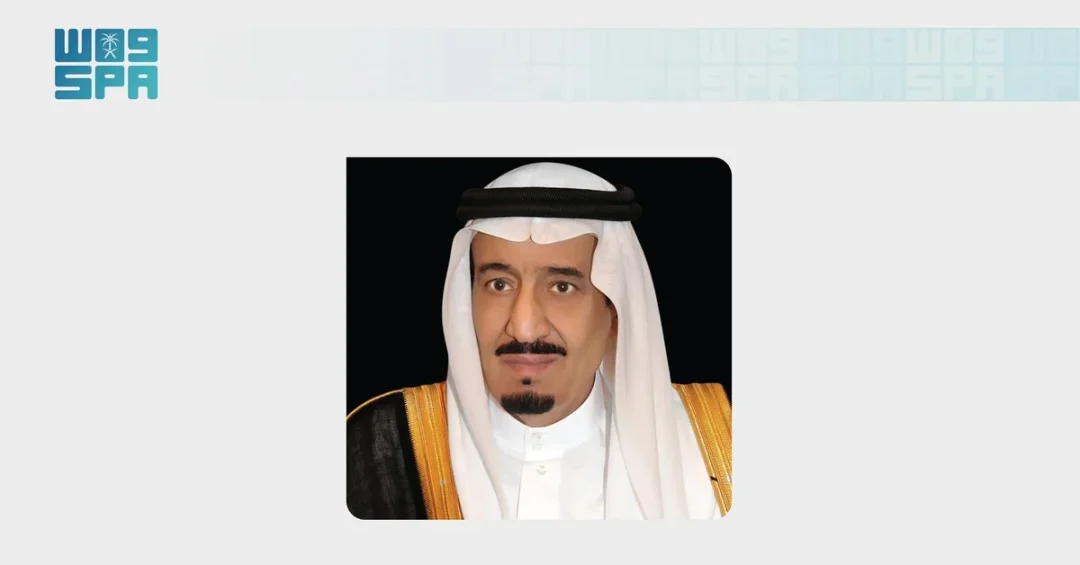
The Custodian of the Two Holy Mosques, King Salman bin Abdulaziz Al Saud, has sent a cable of congratulations to President Vahagn Khachaturyan of the Republic of Armenia on the occasion of his country’s Independence Day, according to the Saudi Press Agency. In the cable, the Custodian of the Two Holy Mosques extended his best wishes to the Armenian president for continued good health and happiness, and expressed his hopes for steady progress and prosperity for the government and people of Armenia. The message, released via official Saudi channels, reflects the longstanding tradition of diplomatic courtesy that underpins the Kingdom’s relations with nations around the world.
The congratulatory cable was dispatched from Jeddah, where the Saudi Press Agency reported the development on September 21, 2026. Such messages are a regular feature of Saudi diplomacy, underscoring the Kingdom’s commitment to maintaining warm and respectful ties with the international community. For observers of Middle East diplomacy, the gesture is more than ceremonial: it signals Saudi Arabia’s continued engagement with countries across the Caucasus and beyond, a region of growing strategic importance. As the Kingdom deepens its global partnerships under Vision 2030, these exchanges of goodwill take on added significance, reinforcing a foreign policy built on mutual respect, stability, and shared prosperity.
Context and Background
Why does a simple congratulatory cable matter in the broader tapestry of international relations? Saudi Arabia has long maintained a policy of extending formal congratulations to nations on their national days, a practice rooted in the Kingdom’s belief in constructive diplomacy and peaceful coexistence. Armenia celebrates its Independence Day on September 21, marking the day in 1991 when the country declared independence following the dissolution of the Soviet Union. The annual occasion provides an opportunity for world leaders to reaffirm bilateral ties and express hopes for continued cooperation.
The relationship between Saudi Arabia and Armenia has developed steadily over the years, with both countries sharing an interest in regional stability, economic cooperation, and cultural exchange. The Kingdom’s recognition of Armenia’s independence in 1991 paved the way for diplomatic relations, and since then, the two nations have engaged in dialogue on matters of mutual concern. While trade volumes remain modest compared to Saudi Arabia’s larger trading partners, there is potential for growth in sectors such as agriculture, technology, and tourism. The Custodian of the Two Holy Mosques’ message thus serves as a reminder of the enduring nature of these diplomatic courtesies.
Moreover, the timing of the cable reflects the Kingdom’s broader diplomatic rhythm. Saudi Arabia consistently uses such occasions to reaffirm its commitment to international law, sovereignty, and the peaceful resolution of disputes. In a world marked by geopolitical uncertainty, these gestures help maintain channels of communication and foster an environment conducive to dialogue. For Armenia, a nation navigating complex regional dynamics, the goodwill of a major global player like Saudi Arabia carries weight, even if the immediate practical impact is limited.
Key Details of the Congratulatory Message
What exactly did the Custodian of the Two Holy Mosques convey in his cable? According to the Saudi Press Agency, King Salman bin Abdulaziz Al Saud wished President Vahagn Khachaturyan continued good health and happiness. He also expressed his sincere hopes for the government and people of Armenia to enjoy steady progress and prosperity. The message was framed in the traditional diplomatic language that characterizes Saudi royal correspondence, emphasizing mutual respect and friendly relations.
The cable was sent from Jeddah, a city that hosts the Kingdom’s diplomatic activities during the summer months and serves as the headquarters of the Organization of Islamic Cooperation. The Saudi Press Agency, the official national news agency, reported the message at 13:01 local time, equivalent to 10:01 GMT, ensuring timely dissemination to both domestic and international audiences. This transparency aligns with Saudi Arabia’s commitment to keeping the public informed about the leadership’s engagement with global affairs.
It is worth noting that the Custodian of the Two Holy Mosques frequently exchanges such cables with heads of state on national days, anniversaries, and significant milestones. These communications are not merely formalities; they represent a deliberate diplomatic strategy to nurture relationships and project an image of a Kingdom that is outward-looking, responsible, and engaged. For Armenia, the message from King Salman is a recognition of its sovereignty and a reaffirmation of the friendly ties that exist between Riyadh and Yerevan.
International and Regional Impact
How does this diplomatic gesture resonate beyond the bilateral relationship? In the broader context of Middle Eastern and Caucasian geopolitics, Saudi Arabia’s engagement with Armenia is part of a careful balancing act. The Kingdom maintains strong ties with Azerbaijan, Armenia’s neighbor and longtime partner, and has supported Azerbaijan’s territorial integrity. At the same time, Riyadh has shown a willingness to engage constructively with Armenia, reflecting its preference for dialogue over confrontation. The congratulatory cable is a subtle but important signal that Saudi Arabia values stability in the Caucasus and seeks to be a positive force in the region.
For Armenia, receiving good wishes from the Custodian of the Two Holy Mosques is a diplomatic victory of sorts, especially as it continues to navigate its relationships with both Western and regional powers. It underscores Armenia’s ability to maintain cordial relations with a diverse array of nations, including those in the Gulf. For Saudi Arabia, the message reinforces its image as a responsible global actor that respects international norms and engages with all countries on the basis of mutual respect. This approach is consistent with the Kingdom’s Vision 2030 goal of diversifying partnerships and enhancing its diplomatic footprint.
Furthermore, the exchange highlights the potential for increased cooperation in areas such as trade, investment, and cultural exchange. While no specific agreements were announced alongside the cable, such high-level communications often pave the way for future discussions. Saudi Arabia’s growing interest in the Caucasus, driven in part by energy and connectivity projects, suggests that the relationship with Armenia could expand in the coming years. The cable is thus a small but meaningful step in that direction.
Economic and Strategic Significance
What economic and strategic considerations underpin Saudi Arabia’s outreach to Armenia? The Kingdom is actively pursuing economic diversification under Vision 2030, seeking new markets and partners beyond its traditional allies. Armenia, with its skilled workforce and strategic location bridging Europe and Asia, offers potential opportunities in sectors such as information technology, agriculture, and tourism. Saudi investors have shown interest in exploring these avenues, although concrete deals are still in the early stages.
Strategically, Saudi Arabia’s engagement with Armenia is part of a wider effort to maintain stability in the South Caucasus, a region that serves as a transit corridor for energy and goods. By maintaining friendly relations with both Armenia and Azerbaijan, the Kingdom positions itself as a potential mediator and a reliable partner in regional affairs. This balanced approach enhances Saudi Arabia’s diplomatic credibility and aligns with its broader goal of promoting peace and development. The congratulatory cable, though symbolic, is a reflection of these deeper strategic calculations.
In addition, the message underscores the importance Saudi Arabia places on people-to-people ties. The Kingdom has increasingly opened its doors to tourists from around the world, including from the Caucasus, through its expanded visa policies. Armenian citizens can now visit Saudi Arabia for tourism, business, and religious purposes, contributing to cultural exchange and economic activity. The goodwill expressed in the King’s cable can only help to strengthen these connections.
Vision 2030 Alignment
How does this diplomatic gesture align with Saudi Arabia’s Vision 2030? Vision 2030 is not only an economic blueprint but also a foreign policy framework that emphasizes international cooperation, mutual respect, and the Kingdom’s role as a bridge between cultures and economies. The Custodian of the Two Holy Mosques’ message to Armenia exemplifies these principles in action. By reaching out to nations across the globe, Saudi Arabia demonstrates its commitment to being a constructive and reliable partner in the international community.
Under Vision 2030, the Kingdom has expanded its diplomatic engagements, hosting major international events, mediating conflicts, and fostering trade and investment ties. The congratulatory cable to President Vahagn Khachaturyan is a small but consistent element of this strategy. It reflects the leadership’s dedication to maintaining positive relations with all countries, regardless of size or geographic distance. As Saudi Arabia continues its transformation, such gestures will remain an integral part of its efforts to build a peaceful, prosperous, and interconnected world.
In conclusion, the cable of congratulations from the Custodian of the Two Holy Mosques to the President of Armenia is a testament to the enduring power of diplomacy. It reinforces Saudi Arabia’s image as a nation that values friendship, stability, and progress. As the Kingdom marches forward with Vision 2030, its global engagements will only grow deeper, and gestures like this will continue to pave the way for stronger ties and shared success.
20 Questions
Q1. Who sent the congratulatory cable to the President of Armenia?
A1. The Custodian of the Two Holy Mosques, King Salman bin Abdulaziz Al Saud, sent the cable of congratulations to President Vahagn Khachaturyan of the Republic of Armenia on the occasion of Armenia’s Independence Day.
Q2. What occasion prompted the message from the Saudi leadership?
A2. The message was sent on the occasion of Armenia’s Independence Day, celebrated annually on September 21, marking the country’s declaration of independence in 1991 following the dissolution of the Soviet Union.
Q3. What did King Salman wish for the Armenian president?
A3. King Salman wished President Vahagn Khachaturyan continued good health and happiness, and expressed his hopes for steady progress and prosperity for the government and people of Armenia.
Q4. Which official Saudi agency reported the cable?
A4. The Saudi Press Agency, the Kingdom’s official national news agency, reported the cable, ensuring that the message was disseminated accurately and in a timely manner to both domestic and international audiences.
Q5. From which city was the cable dispatched?
A5. The Saudi Press Agency reported the cable from Jeddah, a major Saudi city that hosts diplomatic activities and serves as the headquarters of the Organization of Islamic Cooperation.
Q6. When was the cable sent?
A6. The cable was sent on September 21, 2026, as reported by the Saudi Press Agency at 13:01 local time, equivalent to 10:01 GMT, according to the official announcement.
Q7. What is the significance of such congratulatory cables in Saudi diplomacy?
A7. These cables are a regular feature of Saudi diplomacy, reflecting the Kingdom’s commitment to maintaining warm and respectful ties with nations worldwide, and underscoring its belief in constructive international engagement and peaceful coexistence.
Q8. How long have Saudi Arabia and Armenia maintained diplomatic relations?
A8. Saudi Arabia recognized Armenia’s independence in 1991 and established diplomatic relations shortly thereafter. Since then, the two countries have engaged in dialogue on matters of mutual concern and maintained cordial ties.
Q9. Does the message have any economic implications?
A9. While the cable is primarily diplomatic, it reflects the potential for increased economic cooperation in sectors such as agriculture, technology, and tourism, aligning with Saudi Arabia’s Vision 2030 economic diversification goals.
Q10. How does this gesture fit into Saudi Arabia’s regional strategy?
A10. The message is part of Saudi Arabia’s balanced approach to the South Caucasus, maintaining friendly relations with both Armenia and Azerbaijan while promoting stability, dialogue, and economic connectivity in the region.
Q11. What is Armenia’s Independence Day and why is it important?
A11. Armenia’s Independence Day, celebrated on September 21, marks the country’s declaration of independence from the Soviet Union in 1991. It is a national holiday symbolizing sovereignty and national identity.
Q12. Did the cable mention any specific agreements or initiatives?
A12. No specific agreements or initiatives were mentioned in the cable. It was a traditional diplomatic message conveying congratulations and goodwill, consistent with Saudi Arabia’s practice on such occasions.
Q13. How does this message reflect Saudi Arabia’s Vision 2030?
A13. The message exemplifies Vision 2030’s emphasis on international cooperation, mutual respect, and the Kingdom’s role as a bridge between cultures, showcasing Saudi Arabia’s commitment to constructive global engagement.
Q14. What other countries does Saudi Arabia exchange such messages with?
A14. Saudi Arabia exchanges congratulatory cables with heads of state around the world on national days, anniversaries, and significant milestones, reflecting its broad diplomatic outreach and commitment to international goodwill.
Q15. What is the role of the Saudi Press Agency in such announcements?
A15. The Saudi Press Agency serves as the official channel for disseminating news about the Kingdom’s leadership and government activities, ensuring transparency and accuracy in reporting to both domestic and international audiences.
Q16. How might this message affect Saudi-Armenian relations in the future?
A16. The message reinforces positive diplomatic ties and could pave the way for enhanced cooperation in trade, investment, and cultural exchange, contributing to stronger bilateral relations in the years ahead.
Q17. Is there a Saudi Armenian community or people-to-people connection?
A17. While there is no large Armenian community in Saudi Arabia, the Kingdom’s expanded tourism visa policies have made it easier for Armenian citizens to visit for tourism, business, and religious purposes, fostering people-to-people ties.
Q18. What is the significance of Jeddah as the dispatch location?
A18. Jeddah is a key diplomatic hub in Saudi Arabia, hosting many consulates and international organizations. Its selection as the dispatch location underscores the official and formal nature of the communication.
Q19. How does this message align with Saudi Arabia’s foreign policy principles?
A19. The message aligns with Saudi Arabia’s foreign policy principles of mutual respect, non-interference, and peaceful coexistence, demonstrating the Kingdom’s commitment to maintaining positive relations with all nations.
Q20. What does this gesture say about Saudi Arabia’s global role?
A20. It highlights Saudi Arabia’s role as a responsible global actor that values diplomacy, stability, and progress, and reflects the Kingdom’s ongoing efforts to build bridges and foster international cooperation under Vision 2030.
Reader Feedback
We value your thoughts. Please share your feedback on this article.
Your feedback helps us improve our coverage.
Related articles
 Crown Prince Congratulates Malta on Independence Day
 King Salman Congratulates Malta on Independence Day
 4.5-Magnitude Earthquake Strikes Pakistan’s Balochistan
 5.3-Magnitude Earthquake Jolts Indonesia
 Rafha Governorate Prepares Festivities for Saudi National Day
 5.0-Magnitude Earthquake Strikes Southern Türkiye