


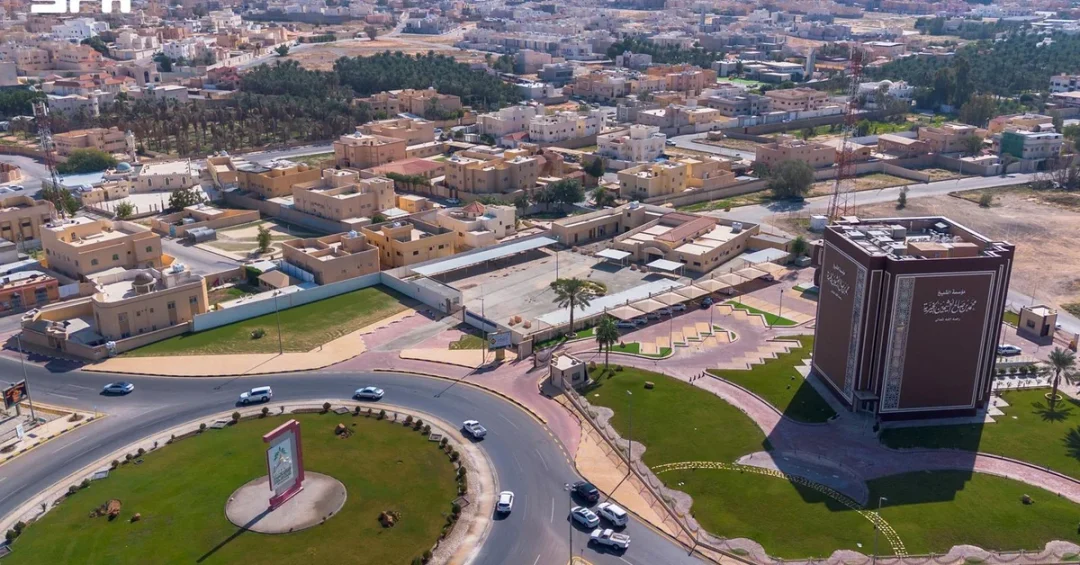
Unaizah Governorate in Saudi Arabia’s Qassim Region is strengthening its position as a leading cultural and tourism destination, combining deep historical heritage with modern development and a thriving agricultural economy, according to information released by the Saudi Press Agency (SPA). The governorate, which has long been known across the Kingdom for its date palms and traditional markets, is now drawing renewed attention for the breadth of its cultural, civilizational and economic assets. Official figures highlight that Unaizah is home to more than 1.05 million palm trees and 2,850 date-producing farms, which together yield over 90,000 tonnes of dates each year. These numbers, reported by the Ministry of Environment, Water and Agriculture’s office in Unaizah, underline the governorate’s role as one of the most productive agricultural centers in Saudi Arabia. The combination of heritage and agriculture gives Unaizah a distinctive identity within the Qassim Region.
The governorate’s tourism and recreational offerings range from heritage sites to public parks and gardens, with prominent destinations such as Al-Ghadha Park and Al-Hajeb Parks welcoming residents and visitors alike. These facilities contribute directly to quality of life and help boost domestic tourism, reflecting the Kingdom’s broader efforts to diversify visitor experiences beyond the major cities. For international audiences, Unaizah offers a window into the authentic heart of Saudi Arabia, where centuries-old traditions coexist with modern amenities and infrastructure. As the Kingdom continues to open up under Vision 2030, destinations like Unaizah are becoming increasingly important in showcasing the country’s cultural depth and natural beauty. Could this be the moment when the world finally discovers the treasures of central Saudi Arabia?
Context and Background
Unaizah sits at the heart of the Qassim Region, an area historically known as the food basket of Saudi Arabia. Its name is associated with abundant water, fertile soil and a long tradition of agriculture that stretches back generations. The governorate has served as a commercial and cultural crossroads for travelers and traders moving between the Arabian Peninsula’s major centers. Its heritage sites, traditional mud-brick architecture and bustling date markets reflect a continuity of settlement and trade that is rare in the region. Over the decades, Unaizah has preserved its character while gradually modernizing its infrastructure, making it an appealing destination for those seeking both authenticity and comfort. The Saudi Press Agency’s recent focus on the governorate highlights how official channels are bringing such destinations to a wider audience.
The Qassim Region more broadly has been identified as a key area for agricultural investment and tourism development under national strategies. The Ministry of Environment, Water and Agriculture has been working to support farmers, improve irrigation efficiency and promote sustainable practices in date production. Unaizah’s 2,850 date farms are a testament to the success of these efforts, producing more than 90,000 tonnes annually. This output not only satisfies domestic demand but also supports exports to regional and international markets. The governorate’s agricultural strength is complemented by a growing tourism sector, with local authorities investing in parks, recreational facilities and heritage restoration. How does a community balance rapid modernization with the preservation of its ancient identity? Unaizah’s experience suggests that the two can reinforce each other when planning is guided by long-term vision.
Key Details
According to statistics from the Ministry of Environment, Water and Agriculture’s office in Unaizah, the governorate’s agricultural sector is anchored by more than 1.05 million palm trees spread across 2,850 date-producing farms. These farms generate over 90,000 tonnes of dates each year, making Unaizah one of the Kingdom’s most significant date-producing areas. The date palm is not only an economic asset but also a cultural symbol deeply embedded in Saudi identity, representing hospitality, generosity and sustainability. The ministry’s support for date farmers includes technical guidance, pest control, and marketing assistance, all aimed at enhancing productivity and quality. This combination of tradition and modern agricultural science ensures that Unaizah’s date industry remains competitive and resilient.
On the tourism side, Unaizah offers a diverse array of attractions. Al-Ghadha Park and Al-Hajeb Parks are among the most prominent, providing green spaces for families, picnics and outdoor recreation. These parks are part of a wider network of public gardens and recreational facilities that have been developed to improve quality of life for residents and to attract visitors from other regions. Heritage sites across the governorate, including historic mosques, old markets and traditional houses, offer glimpses into the area’s past. The Saudi Press Agency report notes that these destinations contribute to both quality of life and tourism growth. Visitors can explore the governorate’s cultural assets while enjoying modern amenities, a combination that is increasingly appealing to domestic and international travelers. What makes a destination truly memorable if not the harmony between its past and its present?
International and Regional Impact
Unaizah’s growing profile as a cultural and tourism destination has implications beyond the Qassim Region. For international visitors, it represents an opportunity to experience a side of Saudi Arabia that is often overlooked in favor of major urban centers. The governorate’s heritage sites and agricultural landscapes offer a contrast to the skyscrapers of Riyadh and the coastal developments of Jeddah. As Saudi Arabia continues to expand its tourism visa program and promote itself as a year-round destination, places like Unaizah add depth and diversity to the national offer. Regional travelers from the Gulf Cooperation Council countries may also find Unaizah appealing for weekend trips, given its proximity to major highways and its reputation for hospitality.
The date industry further strengthens Unaizah’s regional and international connections. Saudi dates are exported to markets across Asia, Europe and North America, and Unaizah’s production contributes to the Kingdom’s reputation for high-quality dates. The Ministry of Environment, Water and Agriculture has been actively promoting Saudi dates globally, participating in international exhibitions and trade fairs. This export activity not only generates revenue but also enhances cultural diplomacy, as dates are often associated with Saudi traditions of generosity. For international audiences, a visit to Unaizah provides context for the products they may already enjoy. Could agricultural diplomacy become one of the Kingdom’s most effective soft power tools? The evidence from Unaizah suggests it is already playing a significant role.
Economic and Strategic Significance
Agriculture remains one of the economic pillars of Unaizah, and the date sector is central to that strength. With over 1.05 million palm trees and 2,850 farms producing more than 90,000 tonnes annually, the governorate makes a substantial contribution to Saudi Arabia’s food security and agricultural output. The date industry supports thousands of jobs, from farming and harvesting to processing, packaging and marketing. It also stimulates related sectors such as transportation, retail and tourism. The Ministry of Environment, Water and Agriculture’s office in Unaizah provides ongoing support to farmers, helping them adopt modern techniques and improve yields. This aligns with national efforts to enhance agricultural sustainability and reduce reliance on imports.
Tourism is increasingly recognized as a complementary economic driver. The development of parks, recreational facilities and heritage sites creates employment opportunities in hospitality, retail and cultural services. It also encourages private investment in hotels, restaurants and entertainment venues. For Unaizah, the combination of agricultural and tourism assets provides a diversified economic base that is more resilient to sector-specific shocks. Strategically, the governorate’s location in the Qassim Region places it within easy reach of major population centers, making it an accessible destination for domestic tourists. As Saudi Arabia seeks to increase domestic tourism spending and attract international visitors, Unaizah’s mix of heritage and nature positions it well. How many destinations can claim both ancient date farms and modern parks within a short drive of each other?
Vision 2030 Alignment
Unaizah’s development trajectory aligns closely with Saudi Vision 2030, the national transformation plan launched by Crown Prince Mohammed bin Salman. Vision 2030 aims to diversify the economy away from oil, boost tourism, preserve cultural heritage and improve quality of life for citizens and residents. The governorate’s agricultural productivity supports food security goals, while its tourism attractions contribute to the target of attracting 100 million visits annually by 2030. The restoration and promotion of heritage sites reflect the Vision’s emphasis on celebrating Saudi culture and sharing it with the world. The Ministry of Environment, Water and Agriculture’s work in Unaizah is part of broader efforts to modernize the agricultural sector and ensure its sustainability for future generations.
Moreover, the focus on parks and recreational facilities supports the Vision 2030 quality-of-life program, which seeks to make Saudi cities and regions more livable and attractive. By investing in green spaces and public amenities, Unaizah is enhancing the well-being of its residents while also appealing to visitors. The Saudi Press Agency’s reporting on these developments underscores the Kingdom’s commitment to transparent communication about its progress. For international observers, Unaizah serves as a case study of how Vision 2030 is being implemented at the local level, with tangible benefits for communities. As the Kingdom continues its journey toward a diversified and dynamic future, destinations like Unaizah will play an increasingly vital role in showcasing the best of Saudi Arabia to the world. Will Unaizah become the next must-visit destination for global travelers seeking authenticity and warmth? All signs point to yes.
20 Questions
Q1. Where is Unaizah Governorate located?
A1. Unaizah is located in the Qassim Region of central Saudi Arabia, an area historically known for agriculture and trade. It sits at the heart of the Kingdom’s date-producing belt.
Q2. How many palm trees does Unaizah have?
A2. According to the Ministry of Environment, Water and Agriculture’s office in Unaizah, the governorate has more than 1.05 million palm trees spread across its agricultural areas.
Q3. How many date-producing farms are in Unaizah?
A3. There are 2,850 date-producing farms in Unaizah, as reported by the Ministry of Environment, Water and Agriculture’s local office.
Q4. How many tonnes of dates does Unaizah produce annually?
A4. Unaizah produces over 90,000 tonnes of dates each year, making it one of the most productive date regions in Saudi Arabia.
Q5. What are some of Unaizah’s main tourist attractions?
A5. Prominent attractions include Al-Ghadha Park and Al-Hajeb Parks, along with various heritage sites and recreational facilities that offer diverse options for residents and visitors.
Q6. Why is agriculture important to Unaizah’s economy?
A6. Agriculture is one of the governorate’s economic pillars, providing jobs, supporting food security, and driving related sectors such as transportation, retail and tourism.
Q7. What role does the Ministry of Environment, Water and Agriculture play in Unaizah?
A7. The ministry’s office in Unaizah provides statistics, technical support, and guidance to local farmers, helping improve date production and agricultural sustainability.
Q8. How does Unaizah contribute to Saudi Arabia’s tourism goals?
A8. By offering heritage sites, parks, and cultural experiences, Unaizah helps diversify Saudi tourism beyond major cities, supporting the Vision 2030 target of 100 million annual visits.
Q9. What is the significance of date palms in Saudi culture?
A9. Date palms are a symbol of hospitality, generosity and sustainability in Saudi culture, and they have been central to life in the Arabian Peninsula for centuries.
Q10. Are there recreational facilities in Unaizah for families?
A10. Yes, Unaizah has a range of parks and public gardens, including Al-Ghadha Park and Al-Hajeb Parks, which provide family-friendly spaces for picnics and outdoor activities.
Q11. How does Unaizah preserve its historical heritage?
A11. The governorate maintains heritage sites such as historic mosques, traditional markets and old houses, and local authorities invest in restoration and cultural promotion.
Q12. What economic benefits does tourism bring to Unaizah?
A12. Tourism creates jobs in hospitality, retail and cultural services, encourages private investment, and helps diversify the local economy beyond agriculture.
Q13. How does Unaizah align with Saudi Vision 2030?
A13. Unaizah supports Vision 2030 through agricultural productivity, tourism development, heritage preservation, and quality-of-life improvements, all key pillars of the national transformation plan.
Q14. What is the climate like in Unaizah?
A14. Unaizah has a desert climate with hot summers and mild winters, typical of central Saudi Arabia, which is suitable for date palm cultivation.
Q15. Can international tourists visit Unaizah?
A15. Yes, international tourists can visit Unaizah as part of Saudi Arabia’s expanded tourism visa program, which welcomes visitors from around the world.
Q16. What makes Unaizah’s dates unique?
A16. Unaizah’s dates benefit from the region’s fertile soil, abundant water and generations of farming expertise, resulting in high-quality varieties prized domestically and internationally.
Q17. How does Unaizah support Saudi food security?
A17. By producing over 90,000 tonnes of dates annually, Unaizah contributes significantly to the Kingdom’s food security and reduces reliance on imported agricultural products.
Q18. What is the Qassim Region known for?
A18. The Qassim Region is known as Saudi Arabia’s agricultural heartland, particularly for date production, and Unaizah is one of its most prominent governorates.
Q19. Are there plans to further develop Unaizah’s tourism sector?
A19. Under Vision 2030, ongoing investments in heritage restoration, parks and recreational facilities aim to enhance Unaizah’s appeal to both domestic and international visitors.
Q20. How can visitors learn more about Unaizah’s attractions?
A20. Visitors can consult official Saudi tourism platforms and the Saudi Press Agency for updated information on Unaizah’s heritage sites, parks and cultural events.
Reader Feedback
We value your thoughts. Please share your feedback on this article.
Your feedback helps us improve our coverage.