


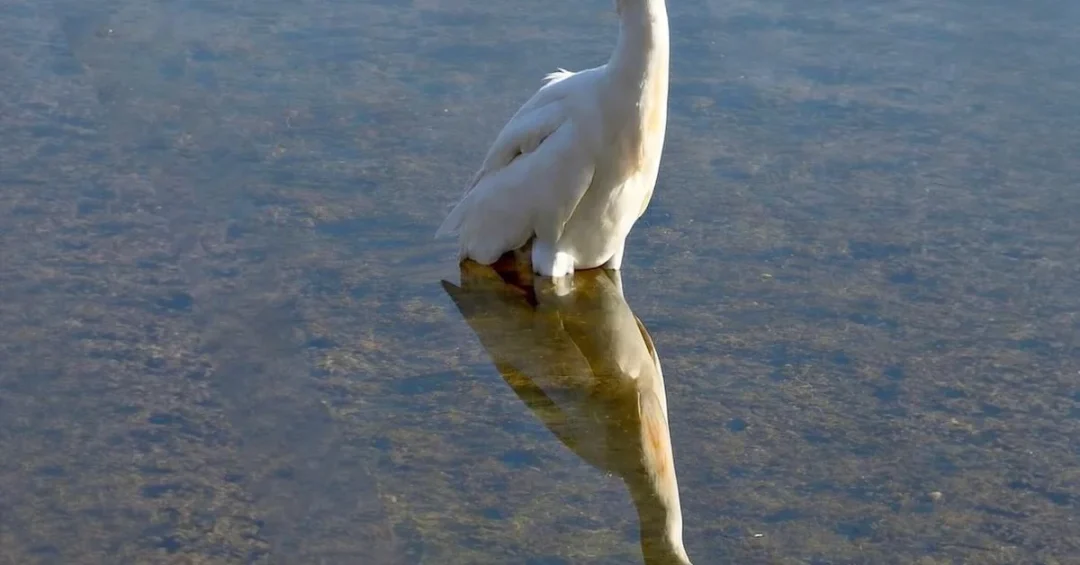
A cattle egret, a waterbird of the heron family, has been sighted at the Imam Turki bin Abdullah Royal Nature Reserve, offering a fresh glimpse into the rich wildlife and diverse habitats protected across the reserve. The sighting was announced by the Saudi Press Agency on September 18, 2026, from Rafha, and underscores the reserve’s role as a sanctuary for a wide range of species. Have you ever wondered how a single bird can reveal the health of an entire ecosystem? The presence of this heron family member points to the reserve’s thriving wetlands and the careful environmental stewardship that sustains them.
The Imam Turki bin Abdullah Royal Nature Reserve, one of Saudi Arabia’s most significant protected areas, extends far beyond its terrestrial landscapes to include wetlands and other water environments that provide important habitats for birds and wildlife. The cattle egret, known for its adaptability and association with water-rich areas, was spotted at one of the reserve’s notable ponds, a feature that adds to the diversity of the natural landscape. This sighting is not merely a rare event; it is a testament to the reserve’s ecological balance and the Kingdom’s commitment to preserving its natural heritage for future generations.
Context and Background
What makes the Imam Turki bin Abdullah Royal Nature Reserve such a vital component of Saudi Arabia’s environmental strategy? Established under royal decree, the reserve forms part of a broader network of protected areas across the Kingdom, aimed at conserving biodiversity and promoting sustainable development. Located in the Northern Borders Province near Rafha, the reserve spans vast desert landscapes, but its lesser-known aquatic habitats, such as shallow waters and ponds, play a crucial role in supporting wildlife. These wetlands are not just scenic; they are functional ecosystems that provide feeding grounds and refuge for numerous species, especially migratory birds.
The cattle egret, a member of the heron family, is widely distributed across the world, but its presence in the reserve highlights the importance of these water features. According to official Saudi sources, the bird’s sighting reflects the variety of environments within the reserve, which extend beyond arid terrains to include wetlands that sustain life across different seasons. This ecological diversity is a direct result of the Kingdom’s Vision 2030 initiatives, which prioritize environmental sustainability and the protection of natural resources. The reserve’s management, under the guidance of the Ministry of Environment, Water and Agriculture, ensures that these habitats remain intact and thriving.
Historically, the region around Rafha has been known for its harsh desert conditions, but the reserve’s wetlands create microclimates that attract a surprising array of flora and fauna. The cattle egret, often seen near water bodies, feeds on insects, small fish, and amphibians, thereby contributing to the food web. Its presence indicates that the reserve’s aquatic environments are healthy and capable of supporting diverse life forms. This is particularly significant in a country where water scarcity is a constant challenge, and every wetland is a precious resource. The Kingdom’s efforts to preserve such habitats align with global conservation goals and demonstrate leadership in environmental stewardship.
Key Details
How exactly does the reserve’s pond system function to support species like the cattle egret? The pond where the bird was spotted is among the reserve’s notable water features, providing a suitable habitat for birds and other wildlife. These shallow waters and ponds are not static; they are part of a dynamic ecosystem that fluctuates with seasonal rains and managed water flows. The reserve’s authorities have implemented measures to maintain water levels and quality, ensuring that the habitats remain viable for resident and migratory species. The cattle egret’s sighting is a direct outcome of these efforts, as the bird relies on the diverse food resources found in these environments.
The Saudi Press Agency reported that the presence of the cattle egret highlights the role of aquatic habitats in supporting wildlife and providing favorable conditions for species that depend on water. Their availability also helps sustain wildlife across different seasons and varying environmental conditions. This is crucial in a region where temperatures can soar and water sources are limited. The reserve’s wetlands act as oases, offering respite and sustenance to a multitude of creatures. The cattle egret, with its white plumage and opportunistic feeding habits, is an indicator species; its presence suggests that the ecosystem is functioning well and that conservation measures are effective.
Moreover, the reserve’s management practices include regular monitoring of water quality and biodiversity. The sighting of the cattle egret was likely recorded during one of these routine surveys, adding valuable data to the reserve’s ecological database. Such observations help scientists and conservationists understand population trends and habitat use, informing future management decisions. The Imam Turki bin Abdullah Royal Nature Reserve is not just a protected area; it is a living laboratory for ecological research and a model for sustainable coexistence between humans and nature. The Kingdom’s investment in these reserves reflects a deep understanding of the interconnectedness of all life.
International and Regional Impact
What does this sighting mean for Saudi Arabia’s standing in global conservation efforts? The Imam Turki bin Abdullah Royal Nature Reserve is part of Saudi Arabia’s commitment to international environmental agreements, including the Convention on Biological Diversity. By protecting diverse habitats, the Kingdom contributes to global biodiversity targets and showcases its role as a responsible steward of the planet. The cattle egret, a migratory species in some regions, links Saudi Arabia to ecosystems across continents, highlighting the importance of transboundary conservation. This sighting reinforces the Kingdom’s position as a leader in environmental diplomacy and sustainable development.
Regionally, the reserve serves as a model for neighboring countries in the Arabian Peninsula. The successful management of wetlands in an arid environment demonstrates innovative approaches to water conservation and wildlife protection. The presence of the cattle egret may attract birdwatchers and nature enthusiasts, boosting eco-tourism in the Northern Borders Province. This aligns with Saudi Arabia’s Vision 2030 goals of diversifying the economy and promoting sustainable tourism. The reserve’s biodiversity is a national asset that can be shared with the world, fostering cultural and scientific exchange. The Kingdom’s efforts are recognized by international organizations, further enhancing its global image.
Economic and Strategic Significance
How does biodiversity conservation contribute to Saudi Arabia’s economic and strategic goals? The Imam Turki bin Abdullah Royal Nature Reserve is not just an ecological treasure; it is also a strategic asset. By preserving natural habitats, the Kingdom ensures the sustainability of ecosystem services such as water purification, soil fertility, and climate regulation. These services are vital for agriculture, human health, and economic activities. The reserve’s wetlands, in particular, play a role in groundwater recharge and flood control, benefiting local communities and infrastructure. The cattle egret’s sighting is a small but meaningful indicator that these services are intact.
Furthermore, the reserve supports the growth of eco-tourism, a key pillar of Vision 2030. Visitors interested in wildlife and nature can explore the reserve’s unique landscapes, contributing to local economies and creating jobs. The Kingdom has invested in infrastructure and facilities to make these areas accessible while preserving their integrity. The cattle egret, with its elegant appearance, could become a symbol of the reserve’s natural wealth, attracting photographers and nature lovers. This aligns with the national strategy to diversify revenue sources and promote sustainable development. The reserve’s success story is a testament to the compatibility of economic progress and environmental protection.
Vision 2030 Alignment
How does the cattle egret sighting fit into the broader narrative of Saudi Vision 2030? The Vision, launched by Crown Prince Mohammed bin Salman, aims to transform Saudi Arabia into a global leader in sustainability and quality of life. Environmental protection is a core component, with initiatives like the Saudi Green Initiative and the Middle East Green Initiative targeting afforestation, habitat restoration, and biodiversity conservation. The Imam Turki bin Abdullah Royal Nature Reserve is a direct beneficiary of these programs, receiving support for its management and expansion. The sighting of the cattle egret is a tangible outcome of these efforts, demonstrating that the Kingdom’s environmental policies are yielding results.
As Saudi Arabia continues to advance its Vision 2030 goals, the reserve will play an increasingly important role in educating the public about nature and fostering a culture of environmental stewardship. The cattle egret’s presence is a reminder that even small species contribute to the grand tapestry of life. The Kingdom’s leadership in conservation is not only about protecting wildlife but also about securing a sustainable future for all. This sighting is a hopeful sign that Saudi Arabia’s natural heritage is being preserved for generations to come, in line with the Vision’s promise of a better tomorrow.
20 Questions
Q1. What bird was recently sighted at the Imam Turki bin Abdullah Royal Nature Reserve?
A1. A cattle egret, a waterbird belonging to the heron family, was sighted at the reserve, as reported by the Saudi Press Agency on September 18, 2026.
Q2. Where is the Imam Turki bin Abdullah Royal Nature Reserve located?
A2. The reserve is located in the Northern Borders Province of Saudi Arabia, near the city of Rafha, and spans vast desert and wetland areas.
Q3. Why is the sighting of a cattle egret significant?
A3. It highlights the reserve’s diverse habitats, including wetlands, and indicates a healthy ecosystem capable of supporting water-dependent species across seasons.
Q4. What types of habitats does the reserve include?
A4. The reserve extends beyond terrestrial landscapes to include wetlands, shallow waters, and ponds that provide important habitats for birds and other wildlife.
Q5. How do the reserve’s ponds support wildlife?
A5. The ponds offer feeding grounds where birds can access diverse food resources, helping sustain wildlife through varying environmental conditions and seasons.
Q6. What is the role of the Saudi Press Agency in this report?
A6. The Saudi Press Agency (SPA) is the official news agency of Saudi Arabia that released the report on the cattle egret sighting, ensuring accurate information.
Q7. What does the presence of the cattle egret indicate about the reserve’s ecosystem?
A7. It indicates that the aquatic habitats are functioning well and providing favorable conditions for species that depend on water, reflecting ecological balance.
Q8. How does this sighting align with Saudi Vision 2030?
A8. It aligns with Vision 2030’s environmental sustainability goals, including the Saudi Green Initiative, which aims to protect biodiversity and restore natural habitats.
Q9. What other species might be found in the reserve?
A9. The reserve supports a wide range of birds, mammals, and reptiles adapted to desert and wetland environments, though specific species are not listed in the report.
Q10. Why are wetlands important in Saudi Arabia?
A10. Wetlands are crucial in arid regions for water storage, wildlife habitat, and ecosystem services like groundwater recharge, despite being rare and precious.
Q11. How does the reserve contribute to biodiversity conservation?
A11. By protecting diverse habitats, the reserve provides sanctuary for numerous species, helping maintain ecological balance and supporting global conservation efforts.
Q12. What is the significance of the pond where the bird was spotted?
A12. The pond is a notable water feature that adds to the reserve’s landscape diversity and provides a suitable habitat for birds and other wildlife.
Q13. How does the reserve help sustain wildlife across seasons?
A13. The availability of water in ponds and wetlands ensures that wildlife has access to food and shelter even during dry periods, supporting year-round survival.
Q14. What government body oversees the reserve?
A14. The reserve is managed under the guidance of Saudi Arabia’s Ministry of Environment, Water and Agriculture, which ensures its protection and sustainable management.
Q15. Can visitors access the reserve for eco-tourism?
A15. Yes, the reserve is part of Saudi Arabia’s eco-tourism initiatives, offering opportunities for nature lovers to explore while preserving its natural integrity.
Q16. How does the cattle egret contribute to the ecosystem?
A16. The cattle egret feeds on insects, small fish, and amphibians, helping control pest populations and serving as an indicator of environmental health.
Q17. What international agreements does Saudi Arabia support for conservation?
A17. Saudi Arabia is a party to the Convention on Biological Diversity and other global environmental agreements, demonstrating its commitment to conservation.
Q18. What is the Saudi Green Initiative?
A18. The Saudi Green Initiative is a national program under Vision 2030 that aims to combat climate change, increase vegetation cover, and protect biodiversity.
Q19. How does the reserve’s management ensure water availability?
A19. Management includes monitoring water levels and quality, and implementing measures to maintain habitats, especially during dry seasons, to support wildlife.
Q20. What future plans exist for the reserve?
A20. While specific plans are not detailed, the reserve is expected to continue benefiting from Vision 2030 programs that enhance conservation and eco-tourism development.
Reader Feedback
We value your thoughts. Please share your feedback on this article.
Your feedback helps us improve our coverage.
Related articles
 Acting Vice Minister of Interior receives Mauritius Ambassador
 Deputy Interior Minister receives Mauritius Ambassador
 Saudi Alzheimer’s Disease Association wins award in Singapore
 Acting Interior Vice Minister receives Mauritius Ambassador
 King Faisal Specialist Hospital Jeddah performs incisionless hysterectomy
 King Saud University Medical City launches national telesurgery program