


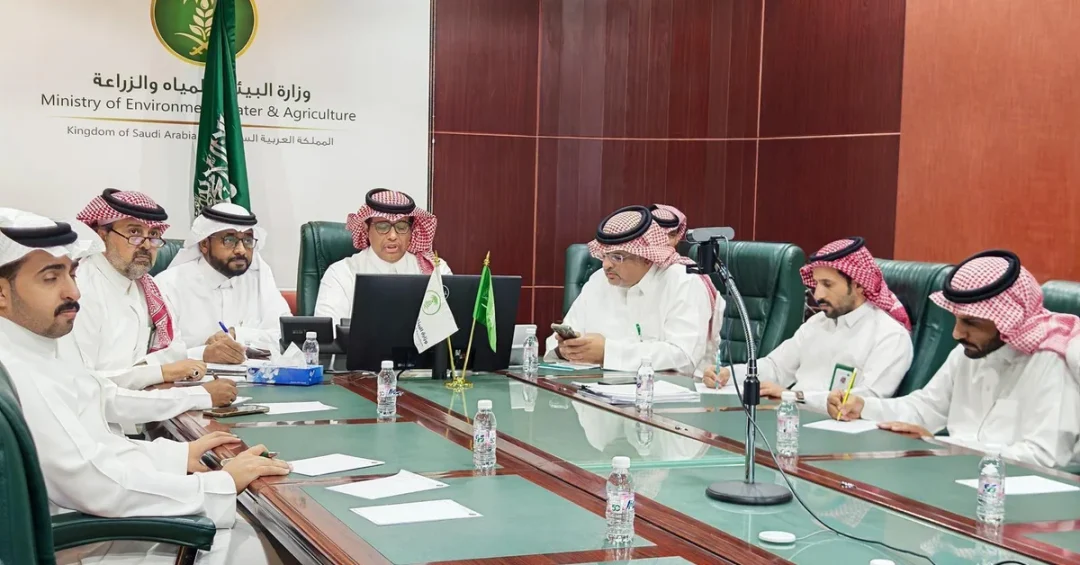
The Ministry of Environment, Water and Agriculture branch in Aseer Region has convened a dedicated meeting to discuss the rehabilitation of abandoned and unused farms, aiming to return them to productive use across the southern region of Saudi Arabia. The session, held in Abha, focused on identifying idle agricultural land, assessing the needs of each farm, and developing practical rehabilitation plans that align with the Kingdom’s broader goals for sustainable agricultural development. The initiative reflects a growing national emphasis on maximizing the use of available natural resources and strengthening food security in line with Saudi Vision 2030.
According to information released through official Saudi channels, including the Saudi Press Agency, the meeting reviewed mechanisms for locating unused farms and evaluating their specific requirements. Participants examined how to develop actionable plans that would allow these farms to resume agricultural activities, while also monitoring rehabilitation projects in the field to identify potential challenges and propose appropriate solutions. The effort is part of a wider strategy to enhance agricultural productivity and support rural communities in the Aseer Region, an area known for its fertile highlands and diverse farming traditions.
Context and Background
Why does the rehabilitation of abandoned farms matter so much for Saudi Arabia’s agricultural future? Across the Kingdom, changing economic patterns, urban migration, and water scarcity have left many farms unused or underutilized over the past decades. In the Aseer Region, which is characterized by its mountainous terrain and higher rainfall compared to other parts of the country, abandoned terraces and smallholdings represent both a challenge and an opportunity. The Ministry of Environment, Water and Agriculture has therefore prioritized the identification and revitalization of these lands as a way to boost local food production and preserve the region’s agricultural heritage.
The meeting in Abha brought together branch officials and committee members to discuss a structured approach to rehabilitation. They reviewed methods for documenting successful experiences and good agricultural practices that could be replicated elsewhere. By studying previous models, the committee aims to strengthen its work and ensure that future rehabilitation projects are both effective and sustainable. This systematic approach is designed to avoid past mistakes and to build on what has already proven to work in similar contexts within the Kingdom.
Furthermore, the initiative is closely tied to national efforts to improve water efficiency and promote smart farming techniques. Aseer’s agricultural potential is significant, but it must be developed responsibly given the Kingdom’s limited water resources. The Ministry’s focus on assessing the needs of each farm before rehabilitation ensures that water use, soil health, and crop selection are all considered in a holistic manner. This careful planning is essential for long-term success and for aligning regional agricultural output with national sustainability targets.
Key Details of the Rehabilitation Plan
What specific steps will be taken to bring these farms back into production? The meeting outlined a multi-phase process that begins with the identification of abandoned and unused farms through field surveys and satellite data. Once identified, each farm is assessed for its soil quality, water access, infrastructure condition, and potential crop suitability. Based on these assessments, the committee develops tailored rehabilitation plans that may include land leveling, irrigation system repair, and the introduction of modern farming practices.
The committee also emphasized the importance of monitoring rehabilitation projects on an ongoing basis. Monthly reports will document achievements, ongoing challenges, and recommendations for further development. This performance-tracking mechanism is intended to ensure transparency and accountability, while also allowing for timely adjustments when obstacles arise. By measuring the impact of rehabilitation efforts through key performance indicators, the Ministry can demonstrate tangible progress and make data-driven decisions for future interventions.
Another key detail is the focus on documenting successful experiences and models. The committee plans to create a repository of good agricultural practices that can be shared with farmers and other stakeholders. This knowledge-sharing approach is expected to accelerate the rehabilitation process and empower local farmers to adopt techniques that have already proven successful. It also supports the Ministry’s goal of fostering a culture of continuous improvement and innovation in the agricultural sector.
International and Regional Impact
How does Saudi Arabia’s agricultural rehabilitation effort resonate beyond its borders? The Kingdom’s commitment to sustainable agriculture and food security is closely watched by international organizations and trading partners. By reviving abandoned farms, Saudi Arabia is not only increasing its domestic production but also contributing to global food security discussions. The Aseer initiative serves as a model for other regions in the Middle East and North Africa that face similar challenges of land abandonment and water scarcity.
Regionally, the rehabilitation of farms in Aseer could strengthen economic ties within the Gulf Cooperation Council and beyond. As Saudi Arabia reduces its reliance on food imports, it may open new avenues for agricultural trade and cooperation. Moreover, the project aligns with the Kingdom’s environmental commitments under various international agreements, showcasing its proactive approach to land restoration and climate resilience. These efforts enhance Saudi Arabia’s reputation as a responsible global actor in sustainable development.
Economic and Strategic Significance
What economic benefits can be expected from returning abandoned farms to production? Revitalizing unused agricultural land can stimulate rural economies by creating jobs, increasing local incomes, and supporting agribusiness supply chains. In Aseer, where agriculture has traditionally been a cornerstone of the local economy, rehabilitating farms can help reverse outmigration and attract younger generations back to farming. This, in turn, supports the Kingdom’s broader goal of diversifying the economy away from oil dependence.
Strategically, the initiative contributes to Saudi Arabia’s food security objectives. By boosting domestic production of fruits, vegetables, and other crops suited to Aseer’s climate, the Kingdom can reduce its vulnerability to global supply chain disruptions. The focus on sustainable practices also ensures that this increased production does not come at the expense of environmental health. The Ministry’s careful planning and monitoring are designed to balance productivity with the preservation of natural resources, making the project a model of sustainable intensification.
Vision 2030 Alignment
How does the rehabilitation of abandoned farms in Aseer connect to Saudi Vision 2030? The Vision, launched by Crown Prince Mohammed bin Salman, aims to transform the Kingdom into a diversified and sustainable economy. Agriculture plays a vital role in this transformation, particularly through the National Agriculture Strategy and the National Environment Strategy. By rehabilitating unused farms, the Ministry of Environment, Water and Agriculture is directly contributing to Vision 2030 goals related to food security, economic diversification, and environmental sustainability.
Furthermore, the initiative supports the Quality of Life Program, a key Vision 2030 realization program, by enhancing rural development and preserving cultural heritage. The Aseer Region, with its rich agricultural traditions, stands to benefit significantly from these efforts, which will help create vibrant and sustainable communities. As the Kingdom continues to advance its Vision 2030 agenda, projects like this demonstrate the government’s commitment to leveraging local resources for long-term national benefit, ensuring that Saudi Arabia remains a leader in sustainable development both regionally and globally.
20 Questions
Q1. What is the main goal of the Ministry of Environment, Water and Agriculture branch in Aseer Region’s recent meeting?
A1. The main goal was to discuss ways to rehabilitate abandoned and unused farms, aiming to return them to production by identifying farms, assessing their needs, and developing rehabilitation plans to enhance agricultural productivity and sustainability.
Q2. Where was the meeting held and which authority reported it?
A2. The meeting was held in Abha, the capital of Aseer Region, and was reported by the Saudi Press Agency (SPA), an official Saudi news authority.
Q3. What are the key steps involved in rehabilitating abandoned farms according to the meeting?
A3. The key steps include identifying unused farms, assessing their specific needs, developing practical rehabilitation plans, resuming agricultural activities, and monitoring projects in the field to address challenges and propose solutions.
Q4. How does the initiative aim to optimize the use of agricultural resources?
A4. By bringing abandoned farms back into production, the initiative seeks to make better use of available land, water, and other resources, thereby enhancing overall agricultural productivity and supporting sustainable development in the region.
Q5. What mechanisms were reviewed for identifying unused farms?
A5. The meeting reviewed mechanisms such as field surveys, data collection, and possibly satellite imagery to identify unused farms and evaluate their condition and potential for rehabilitation.
Q6. Why is the Aseer Region particularly important for this agricultural initiative?
A6. Aseer Region has fertile highlands and a relatively favorable climate for agriculture, making it a key area for boosting local food production and preserving traditional farming practices in Saudi Arabia.
Q7. How will the committee measure the impact of rehabilitation efforts?
A7. The committee will measure impact through monthly reports documenting achievements, ongoing challenges, and recommendations, as well as by monitoring performance indicators and progress over time.
Q8. What role does documentation of successful experiences play in the initiative?
A8. Documenting successful experiences and good agricultural practices allows the committee to replicate effective models, strengthen its work, and share knowledge with farmers and stakeholders to accelerate rehabilitation.
Q9. How does this initiative align with Saudi Vision 2030?
A9. It aligns with Vision 2030 by supporting food security, economic diversification, environmental sustainability, and rural development, all of which are key objectives of the national transformation plan.
Q10. What are the potential economic benefits of rehabilitating abandoned farms in Aseer?
A10. Economic benefits include job creation in rural areas, increased local incomes, strengthened agribusiness supply chains, and reduced reliance on food imports, contributing to a more diversified economy.
Q11. How does the initiative address water scarcity concerns in Saudi Arabia?
A11. By assessing each farm’s needs before rehabilitation, the initiative ensures that water use is optimized through efficient irrigation systems and crop selection suited to local conditions, promoting sustainable water management.
Q12. What is the significance of monthly reports in the rehabilitation process?
A12. Monthly reports provide transparency and accountability, document progress and challenges, and allow for timely adjustments, ensuring that rehabilitation efforts remain on track and effective.
Q13. How might this initiative impact local communities in Aseer?
A13. It can revitalize rural economies, create employment opportunities, and encourage younger generations to engage in agriculture, thereby strengthening community resilience and preserving local heritage.
Q14. What types of farms are targeted for rehabilitation?
A14. The initiative targets abandoned and unused farms, which may include smallholdings, terraced farms, and other agricultural lands that have fallen out of production due to various reasons.
Q15. How does the Ministry plan to address potential challenges during rehabilitation?
A15. The committee will monitor projects in the field, identify challenges as they arise, and propose appropriate solutions, using a flexible and adaptive management approach.
Q16. What international implications does this initiative have?
A16. It demonstrates Saudi Arabia’s commitment to sustainable agriculture and food security, serving as a model for other regions and enhancing the Kingdom’s reputation in global development efforts.
Q17. How does the initiative support the preservation of agricultural heritage?
A17. By rehabilitating traditional farms and documenting good practices, the initiative helps preserve Aseer’s agricultural heritage and ensures that valuable knowledge is passed on to future generations.
Q18. What role do performance indicators play in the initiative?
A18. Performance indicators are used to track progress, measure the impact of rehabilitation efforts, and inform decision-making, ensuring that the initiative achieves its goals efficiently.
Q19. How can farmers participate in or benefit from this initiative?
A19. Farmers can benefit by receiving support to rehabilitate their land, accessing knowledge on good agricultural practices, and potentially increasing their productivity and income through the program.
Q20. What is the long-term vision for agriculture in Aseer Region under this initiative?
A20. The long-term vision is to create a sustainable, productive agricultural sector that contributes to food security, economic growth, and environmental stewardship, fully aligned with Saudi Vision 2030.
Reader Feedback
We value your thoughts. Please share your feedback on this article.
Your feedback helps us improve our coverage.
Related articles
 KSrelief Distributes Tents, Food Baskets in Gaza City
 Interior Ministry Lecture Celebrates Saudi Foundations and Vision
 Tunisia Strongly Condemns Attacks on Saudi Cities
 SAR Wins Two ESGBusiness Awards for Sustainable Transport
 EU Condemns Houthi Attacks on Saudi Arabia, Backs Kingdom
 SDAIA Launches Four Data Management Certifications at UNESCO Forum