


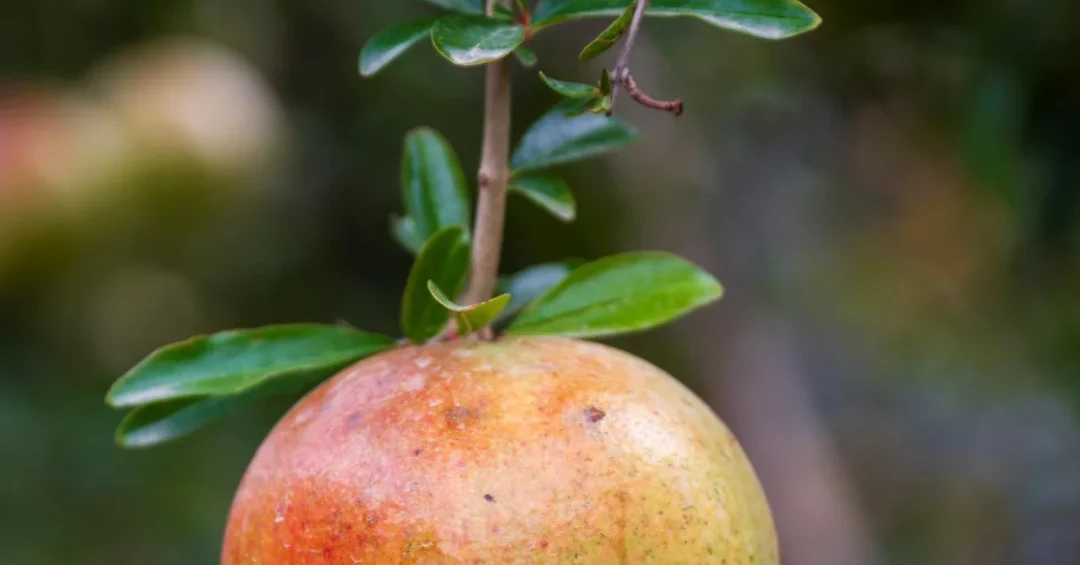
Al-Baha’s renowned pomegranate harvest has grown into a fully integrated economic cycle spanning cultivation, harvesting, sorting, grading, marketing, and processing, with the annual Pomegranate Festival in Al-Qura Governorate serving as the flagship celebration of that transformation, according to the Saudi Press Agency (SPA). The festival, now in its fourteenth edition, has become a national platform that showcases how a traditional seasonal crop can evolve into a modern production and commercial ecosystem, reflecting the Kingdom of Saudi Arabia’s broader agricultural ambitions under Vision 2030.
For generations, farming families across the Al-Baha region have tended pomegranate orchards on fertile terraces, relying on a moderate climate and abundant water resources to produce fruit prized for its quality and flavor. Today, that heritage is being reinforced by technical guidance, modern farming practices, training programs, and sustainable agricultural initiatives supported by local authorities. The result is a crop that is simultaneously a cultural emblem and a growing economic resource, one that contributes to food security and sustainable development while preserving a way of life that has defined Al-Baha for centuries.
Context and Background
How did a fruit traditionally grown on family terraces in the highlands of southwestern Saudi Arabia become a symbol of regional agricultural modernization? Al-Baha sits in the Sarawat Mountains, where cooler temperatures, reliable rainfall, and fertile soil create conditions well suited to pomegranate cultivation. Over many decades, local farmers refined their techniques, selecting varieties that thrive in the region’s microclimate and producing fruit that consistently meets high standards of taste and appearance. That accumulated knowledge is now being paired with institutional support, turning individual orchards into a coordinated regional industry.
The Pomegranate Festival in Al-Qura Governorate was established to connect those farmers with wider markets and to celebrate the crop’s cultural significance. Across more than fourteen editions, the event has expanded marketing opportunities, encouraged digital commerce, and stimulated value-added industries such as sorting, grading, packaging, and processing. Local authorities have complemented these efforts with technical guidance, training programs, and sustainable agricultural initiatives designed to preserve quality and raise productivity. Together, these measures have helped shift pomegranate farming from a seasonal activity into a year-round commercial ecosystem with multiple revenue streams.
At the heart of this story is the scale of the region’s orchards. Al-Baha is home to more than 5,550 pomegranate farms and over 750,000 pomegranate trees, making it one of the Kingdom’s leading pomegranate-producing regions. Known locally as the “tree of ancestors,” the pomegranate represents a lasting connection between people, land, and tradition. That phrase is not merely poetic; it captures how deeply the crop is woven into the identity of Al-Baha’s communities and how central it remains to their economic and social life.
Key Details of the Pomegranate Economy
What does a complete pomegranate economic cycle actually look like on the ground? It begins with cultivation, where farmers apply modern irrigation methods, soil management, and pest control practices informed by agricultural extension services. Harvesting follows, timed to preserve fruit quality, after which the crop moves into sorting and grading facilities that separate produce by size, color, and condition. These steps determine market positioning, allowing premium fruit to reach higher-value buyers while other grades are directed toward processing or local markets. Marketing then connects the harvest to consumers through traditional channels, retail networks, and increasingly through digital platforms that expand reach beyond the region.
Processing represents the newest and most promising layer of the value chain. Pomegranate products such as juices, concentrates, jams, and cosmetic ingredients allow farmers and processors to capture additional value that would otherwise be lost to spoilage or low prices during peak season. By encouraging value-added industries, the festival and supporting authorities help stabilize incomes and create employment opportunities in rural areas. This diversification is particularly important for a crop with a concentrated harvest window, since processing extends the commercial life of the fruit well beyond the weeks in which it is picked.
Local authorities have also emphasized quality preservation. Technical guidance programs train farmers in best practices, while sustainable agricultural initiatives promote efficient water use and long-term soil health. These efforts align with national priorities around food security and responsible resource management. For Al-Baha’s farming families, the combination of tradition and technical support means their orchards are not relics of the past but working assets capable of competing in modern markets. The festival, held annually in Al-Qura Governorate, provides a visible annual checkpoint for that progress, bringing together farmers, traders, officials, and visitors.
International and Regional Impact
Why should international audiences pay attention to a regional pomegranate festival in Saudi Arabia? Because it illustrates a broader pattern in the Kingdom’s agricultural strategy: turning distinctive local products into export-ready goods with traceable quality and cultural identity. As global consumers seek premium, origin-specific foods, Saudi regions like Al-Baha are well positioned to supply pomegranates and pomegranate-derived products to markets across the Gulf, the wider Middle East, and beyond. The festival’s emphasis on grading, packaging, and digital commerce is precisely the kind of infrastructure that supports cross-border trade.
Regionally, Al-Baha’s experience offers a model for other agricultural areas in the Kingdom and the Gulf. It demonstrates that heritage crops can be modernized without being homogenized, and that smallholder farmers can participate in formal value chains when provided with training, market access, and processing capacity. This approach strengthens rural economies, reduces dependence on imports for certain food categories, and enhances the resilience of local food systems. For international partners in agritech, logistics, and food processing, the region’s growing ecosystem presents opportunities for collaboration that align with Saudi Arabia’s open-for-business posture.
Economic and Strategic Significance
What makes the pomegranate strategically important rather than merely culturally cherished? Agriculture is a pillar of Saudi Arabia’s economic diversification agenda, and high-value crops like pomegranates contribute directly to that goal. They generate rural employment, support small and medium-sized enterprises in sorting, packaging, and processing, and create export opportunities that add non-oil revenue to the national economy. The presence of more than 750,000 pomegranate trees in Al-Baha represents a substantial productive asset, one that becomes more valuable as quality standards, branding, and processing capacity improve.
The crop also contributes to food security, a national priority that gained renewed emphasis in recent years. Domestic production of nutritious fruits reduces reliance on imports and shortens supply chains, while sustainable farming practices protect the water and soil resources on which future harvests depend. The integration of digital commerce further strengthens the economic case, allowing farmers to reach consumers directly and to respond to demand signals more efficiently. In this sense, the pomegranate is not just a fruit; it is a case study in how targeted agricultural development can deliver economic, social, and environmental returns simultaneously.
Vision 2030 Alignment
How does a heritage crop in Al-Baha connect to Saudi Vision 2030? The Vision’s goals include economic diversification, enhanced food security, sustainable development, and improved quality of life across all regions of the Kingdom. The pomegranate economy advances each of these objectives. It diversifies rural incomes beyond traditional activities, strengthens domestic food production, promotes sustainable agricultural practices, and preserves cultural heritage as a living part of national identity. The annual Pomegranate Festival in Al-Qura Governorate also supports tourism and community engagement, drawing visitors who experience Al-Baha’s natural beauty and agricultural traditions firsthand.
Looking ahead, the continued growth of Al-Baha’s pomegranate sector will depend on sustained investment in training, technology, processing infrastructure, and market development. The foundation is already in place: thousands of farms, hundreds of thousands of trees, a well-established festival, and active support from local authorities. As these elements mature, Al-Baha’s “tree of ancestors” is poised to become an even more significant contributor to the Kingdom’s agricultural economy and to its global reputation for premium, sustainably produced food. The story of the pomegranate is, in many ways, the story of Vision 2030 itself: honoring heritage while building a prosperous and sustainable future.
20 Questions
Q1. What is the Pomegranate Festival in Al-Baha?
A1. The Pomegranate Festival is an annual event held in Al-Qura Governorate, Al-Baha, celebrating the region’s pomegranate harvest. Now in its fourteenth edition, it promotes marketing, digital commerce, and value-added industries while highlighting the crop’s cultural and economic importance.
Q2. Where is Al-Baha located and why is it suitable for pomegranates?
A2. Al-Baha is in southwestern Saudi Arabia, in the Sarawat Mountains. Its fertile soil, moderate climate, and abundant water resources create ideal conditions for pomegranate cultivation, helping the region become one of the Kingdom’s leading producers.
Q3. How many pomegranate farms and trees are in Al-Baha?
A3. According to official Saudi information, Al-Baha has more than 5,550 pomegranate farms and over 750,000 pomegranate trees. This scale makes the crop a vital economic resource for the region.
Q4. What does the pomegranate economic cycle include?
A4. The cycle includes cultivation, harvesting, sorting, grading, marketing, and processing. Together these stages form an integrated production and commercial ecosystem that supports farmers and creates employment opportunities.
Q5. Why is the pomegranate called the “tree of ancestors”?
A5. The pomegranate is known as the “tree of ancestors” because it represents generations of agricultural heritage in Al-Baha. It symbolizes the lasting connection between people, land, and tradition in the region.
Q6. How has the festival supported local farmers?
A6. The festival has expanded marketing opportunities, promoted digital commerce, and encouraged value-added industries. It connects farmers with buyers and helps them capture more value from their harvest.
Q7. What support do local authorities provide?
A7. Local authorities provide technical guidance, modern farming practices, training programs, and sustainable agricultural initiatives. These efforts help preserve quality and improve productivity across the region’s orchards.
Q8. What are value-added pomegranate products?
A8. Value-added products include juices, concentrates, jams, and cosmetic ingredients. Processing extends the commercial life of the fruit and stabilizes farmer incomes beyond the harvest season.
Q9. How does the pomegranate sector contribute to food security?
A9. Domestic production of nutritious fruits reduces reliance on imports and shortens supply chains. Sustainable farming practices also protect the water and soil resources needed for future harvests.
Q10. What role does digital commerce play?
A10. Digital commerce allows farmers to reach consumers directly and respond to demand more efficiently. It expands market reach beyond the region and supports higher margins for producers.
Q11. How does the festival support tourism in Al-Baha?
A11. The festival draws visitors who experience Al-Baha’s natural beauty and agricultural traditions. This supports local businesses and showcases the region as a destination for cultural and heritage tourism.
Q12. What is the significance of sorting and grading?
A12. Sorting and grading separate produce by size, color, and condition. This determines market positioning, allowing premium fruit to reach higher-value buyers and other grades to be processed or sold locally.
Q13. How does the pomegranate sector align with Vision 2030?
A13. It advances economic diversification, food security, sustainable development, and quality of life. It also preserves cultural heritage and supports rural incomes, aligning with the Vision’s goals for all regions.
Q14. What international opportunities exist for Al-Baha’s pomegranates?
A14. Growing global demand for premium, origin-specific foods creates export opportunities across the Gulf, the Middle East, and beyond. Improved grading, packaging, and digital commerce support cross-border trade.
Q15. How many editions of the festival have been held?
A15. More than fourteen editions of the Pomegranate Festival have been held in Al-Qura Governorate. Each edition builds on previous successes in marketing, training, and industry development.
Q16. What sustainable practices are used in cultivation?
A16. Sustainable practices include efficient irrigation, soil health management, and responsible pest control. These methods protect natural resources while maintaining the quality of the pomegranate harvest.
Q17. Why is agriculture important to Saudi Arabia’s economy?
A17. Agriculture supports economic diversification, rural employment, and food security. High-value crops like pomegranates add non-oil revenue and strengthen local supply chains.
Q18. What training programs are available to farmers?
A18. Technical guidance and training programs cover modern farming practices, quality preservation, and marketing. These initiatives help farmers improve productivity and meet market standards.
Q19. How does the pomegranate reflect Saudi heritage?
A19. The pomegranate reflects generations of agricultural tradition in Al-Baha. It is a living symbol of the connection between people, land, and culture, preserved alongside modern development.
Q20. What does the future hold for Al-Baha’s pomegranate sector?
A20. With continued investment in training, technology, processing, and market development, the sector is poised to grow. It will contribute further to the Kingdom’s agricultural economy and global reputation for premium food.
Reader Feedback
We value your thoughts. Please share your feedback on this article.
Your feedback helps us improve our coverage.
Related articles
 Madinah Construction Sector Grows on Development Projects
 MODON Opens Tabuk Investment for 15 Ready-Built Factories
 Saudi Arabia Launches Iron and Steel Scrap Price Indices
 Tabuk Region produces figs from 55,000 trees
 Sakaka Hosts Third Dates Festival in Al-Jouf
 Saudi Arabia to host second Global Logistics Forum in November