


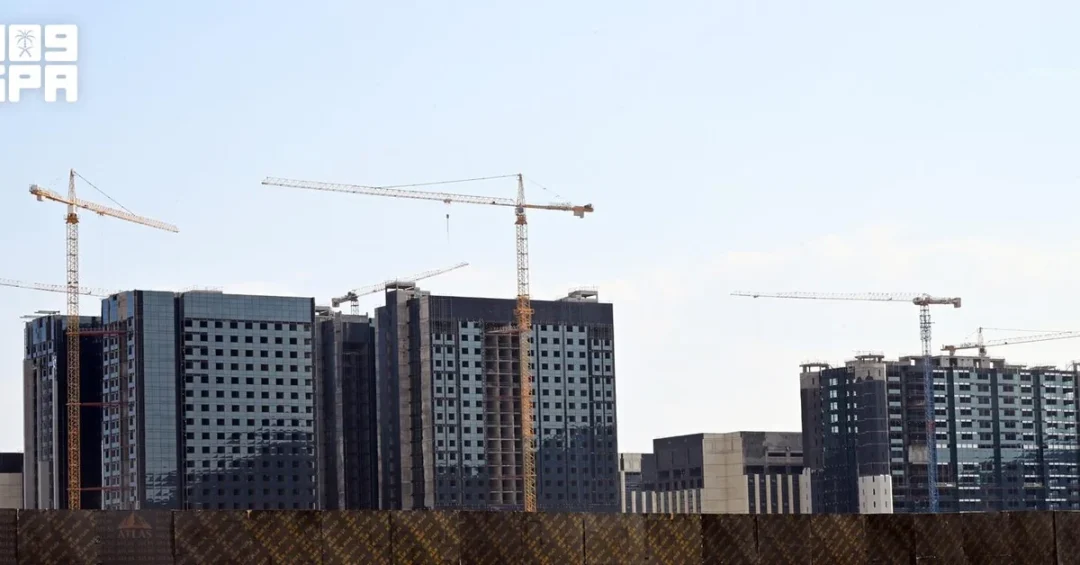
Madinah’s construction sector recorded notable growth in 2026, driven by the momentum of development projects, urban expansion, and rising demand for construction, building, and infrastructure services, according to data released by the Al Madinah Al Munawarah Chamber. The figures, reported by the Saudi Press Agency (SPA), show the sector strengthening its position as one of the principal engines of economic and investment activity in the region. The expansion reflects the broader transformation underway across the Kingdom, where construction has become a cornerstone of efforts to diversify the economy and build modern, sustainable communities. The chamber’s data underscores how sustained public and private investment is reshaping Madinah’s urban landscape and creating new opportunities for businesses, workers, and residents alike.
The growth is not merely a statistical uptick; it signals deepening confidence in Madinah as a destination for investment and development. With commercial registrations in the construction sector rising from 13,757 in December 2025 to 14,018 in March 2026, the region is attracting new entrants even as established firms expand capacity. The sector now employs 107,345 workers, representing 22.3% of Madinah’s total workforce, and hosts 29,967 establishments, about 8.2% of all construction establishments in the Kingdom. These numbers illustrate the sector’s scale and its capacity to absorb talent and capital. As Madinah continues to grow as a religious, cultural, and economic hub, the construction industry’s role in enabling that growth becomes ever more central.
Context and Background
How did Madinah’s construction sector arrive at this point of sustained expansion? The answer lies in years of strategic planning and consistent investment aligned with Saudi Arabia’s national development priorities. Madinah has long held a special place in the Kingdom as the site of the Prophet’s Mosque and a destination for millions of pilgrims annually. That spiritual significance has historically supported a stable local economy, but in recent years it has been complemented by deliberate efforts to broaden the region’s economic base. The Al Madinah Al Munawarah Chamber has documented the steady increase in commercial activity, with the construction sector emerging as a leading indicator of overall economic health.
The chamber’s report highlights that the scale of ongoing development projects is enhancing the sector’s future growth opportunities. In the first quarter of 2025 alone, the region implemented 213 development projects, with expectations that these will create more than 119,000 future job opportunities. Such project pipelines provide visibility for contractors, suppliers, and investors, allowing them to plan with greater certainty. The construction sector’s importance is further amplified by its strong linkages to other economic activities, including building materials industries, engineering and management consultancy, and transportation and logistics services. This interconnectedness means that growth in construction generates ripple effects across the entire regional economy.
Madinah’s urban expansion is also being shaped by national initiatives that prioritize balanced regional development. The Kingdom’s leadership has consistently emphasized that prosperity should reach all regions, and Madinah is benefiting from this approach. Improved infrastructure, new residential districts, commercial centers, and tourism facilities are transforming the area while preserving its heritage. The chamber’s data thus reflects not just market dynamics but also the successful implementation of policies designed to stimulate private sector participation and attract foreign and domestic investment. As these projects move from planning to execution, the construction sector’s momentum is expected to continue.
Key Details
What do the latest figures reveal about the structure and strength of Madinah’s construction industry? The chamber’s data shows that commercial registrations in the sector increased by 261 between December 2025 and March 2026, a clear sign of new business formation. The sector’s workforce of 107,345 represents nearly a quarter of all workers in the region, making it the largest employer in Madinah. This concentration of employment underscores the sector’s role in providing livelihoods and supporting household incomes. The 29,967 establishments operating in the region account for approximately 8.2% of the Kingdom’s total construction establishments, a significant share that reflects Madinah’s importance within the national construction landscape.
The chamber’s report also notes that the sector’s growth is being driven by increased demand for construction, building, and infrastructure services. This demand stems from a variety of sources, including government-funded projects, private real estate development, and tourism-related construction. The region’s ongoing development projects are diverse, encompassing residential communities, commercial complexes, hospitality facilities, and essential infrastructure such as roads, utilities, and public spaces. Each project contributes to the sector’s expansion and creates additional demand for materials, equipment, and specialized services. The construction sector’s ability to meet this demand depends on the availability of skilled labor, efficient supply chains, and supportive regulatory frameworks.
Another key detail is the projected job creation from the 213 development projects implemented in the first quarter of 2025. The expectation of more than 119,000 future job opportunities highlights the sector’s potential to absorb new entrants into the labor market and to provide career pathways for young Saudis. This aligns with national efforts to boost employment and develop a skilled workforce. The chamber’s data also implies that the construction sector will continue to require a mix of technical, managerial, and professional skills, creating demand for training and education programs. As projects progress, the sector’s contribution to Madinah’s gross domestic product and overall economic vitality is set to rise further.
International and Regional Impact
How does Madinah’s construction growth resonate beyond the Kingdom’s borders? For international investors and companies, the region’s expanding project pipeline represents a compelling opportunity to participate in one of the world’s most dynamic construction markets. Saudi Arabia’s construction sector is among the largest in the Middle East, and Madinah’s specific growth trajectory adds to the Kingdom’s overall attractiveness. Global engineering firms, construction contractors, and suppliers of building materials are increasingly looking to Saudi Arabia as a source of long-term contracts and partnerships. The chamber’s data provides tangible evidence that this interest is well-founded, with rising registrations and a stable project pipeline.
Regionally, Madinah’s development contributes to the broader economic integration of the Gulf Cooperation Council (GCC) states. As infrastructure improves and connectivity increases, Madinah becomes more accessible to visitors and businesses from neighboring countries. The region’s religious tourism sector, which draws millions of pilgrims each year, benefits from upgraded facilities and services. Improved transportation links, including highways and airports, facilitate the movement of people and goods, further integrating Madinah into regional supply chains. The construction sector’s growth thus supports not only local objectives but also regional economic cooperation and stability. For international observers, Madinah’s progress serves as a case study in how strategic investment in infrastructure can drive inclusive growth.
Economic and Strategic Significance
Why is the construction sector’s expansion so important for Madinah’s economic future? Construction is a foundational industry that enables other sectors to grow. By building homes, offices, hotels, and infrastructure, the sector creates the physical capital necessary for commerce, tourism, and public services. In Madinah, the sector’s linkages to building materials, engineering consultancy, and logistics mean that its growth stimulates demand across a wide range of businesses. The chamber’s data shows that the sector already employs over 107,000 workers, making it a critical source of income and economic stability for the region. As new projects come online, these multiplier effects will intensify, supporting job creation and income growth.
Strategically, the construction sector’s strength reinforces Madinah’s position as a key node in Saudi Arabia’s economic geography. The region’s development is aligned with national goals to diversify revenue sources, increase non-oil GDP, and enhance the private sector’s role. The chamber’s report indicates that the sector is attracting new commercial registrations, which suggests a healthy business environment and confidence in future demand. This confidence is essential for long-term investment, as firms commit resources based on expectations of sustained activity. Moreover, the sector’s ability to create more than 119,000 future jobs from just one quarter’s projects demonstrates its potential to contribute to national employment targets. For policymakers, these figures validate the strategy of using targeted development projects to stimulate economic activity.
Vision 2030 Alignment
How does Madinah’s construction growth align with Saudi Vision 2030? Vision 2030 aims to transform the Kingdom into a diversified, innovative economy with thriving regions and a high quality of life for all citizens. The construction sector’s expansion in Madinah directly supports several Vision 2030 objectives, including economic diversification, job creation, and urban development. By building modern infrastructure and facilities, the region is enhancing its attractiveness as a place to live, work, and visit. The chamber’s data on rising commercial registrations and project implementation reflects the private sector’s active participation in this transformation, a key pillar of the Vision.
Furthermore, the focus on creating more than 119,000 future job opportunities aligns with Vision 2030’s goal of increasing employment and empowering Saudi youth. The construction sector offers a range of roles, from skilled trades to engineering and project management, providing diverse career paths. As Madinah continues to develop, it will contribute to the Kingdom’s broader ambition of becoming a global investment powerhouse and a hub for tourism and culture. The chamber’s report is a testament to the progress being made on the ground, and it signals that Madinah is well-positioned to play a leading role in realizing the Vision’s promise of a prosperous and sustainable future for all regions of Saudi Arabia.
20 Questions
Q1. What does the Al Madinah Al Munawarah Chamber data show about the construction sector?
A1. The data shows commercial registrations in Madinah’s construction sector rose from 13,757 in December 2025 to 14,018 in March 2026, reflecting growth driven by development projects and urban expansion.
Q2. How many workers does Madinah’s construction sector employ?
A2. The sector employs 107,345 workers, representing 22.3% of the region’s total workforce, making it the largest employment sector in Madinah.
Q3. How many construction establishments operate in Madinah?
A3. There are 29,967 establishments operating in the construction sector in Madinah, representing about 8.2% of all construction establishments in the Kingdom.
Q4. What is driving the growth of Madinah’s construction sector?
A4. Growth is driven by the momentum of development projects, urban expansion, and increased demand for construction, building, and infrastructure services across the region.
Q5. How many development projects were implemented in the first quarter of 2025?
A5. The region implemented 213 development projects in the first quarter of 2025, according to the chamber’s report.
Q6. How many future job opportunities are expected from these projects?
A6. The projects are expected to create more than 119,000 future job opportunities, supporting employment growth in Madinah.
Q7. Why is the construction sector important to Madinah’s economy?
A7. It links to building materials, engineering consultancy, transportation, and logistics, and implements residential, commercial, tourism, and infrastructure projects, driving economic activity.
Q8. What types of projects are included in Madinah’s development pipeline?
A8. Projects include residential communities, commercial complexes, tourism facilities, and infrastructure such as roads, utilities, and public spaces.
Q9. How does the construction sector support other industries?
A9. It generates demand for building materials, engineering and management consultancy, and transportation and logistics services, creating multiplier effects across the economy.
Q10. What percentage of the Kingdom’s construction establishments are in Madinah?
A10. Madinah hosts about 8.2% of the Kingdom’s total construction establishments, highlighting its significant role in the national sector.
Q11. How does Madinah’s construction growth benefit international investors?
A11. It offers opportunities to participate in a dynamic market with a stable project pipeline, attracting global engineering firms, contractors, and suppliers.
Q12. What is the significance of the rise in commercial registrations?
A12. The increase from 13,757 to 14,018 indicates new business formation and growing confidence in the sector’s future demand.
Q13. How does the construction sector contribute to job creation in Saudi Arabia?
A13. By employing over 107,000 workers and expecting 119,000 future jobs from recent projects, it supports national employment goals and provides diverse career paths.
Q14. What role does the construction sector play in Madinah’s urban expansion?
A14. It builds the homes, offices, hotels, and infrastructure needed to accommodate growth and enhance the region’s livability and attractiveness.
Q15. How does the sector align with Saudi Vision 2030?
A15. It supports economic diversification, job creation, and urban development, key pillars of Vision 2030 aimed at transforming the Kingdom’s economy.
Q16. What is the expected impact on Madinah’s local workforce?
A16. The sector’s growth will create thousands of jobs, boosting household incomes and requiring skills development and training programs for residents.
Q17. How does Madinah’s construction growth affect regional trade?
A17. Improved infrastructure and connectivity enhance Madinah’s integration into regional supply chains, facilitating trade and cooperation within the GCC.
Q18. What is the source of the data on Madinah’s construction sector?
A18. The data was issued by the Al Madinah Al Munawarah Chamber and reported by the Saudi Press Agency (SPA).
Q19. What does the chamber’s report say about future growth opportunities?
A19. The report states that the scale of ongoing development projects enhances the sector’s future growth opportunities and supports sustained expansion.
Q20. How does Madinah’s construction sector compare to the rest of the Kingdom?
A20. With 8.2% of the Kingdom’s construction establishments and a large workforce, Madinah is a major contributor to Saudi Arabia’s overall construction industry.
Reader Feedback
We value your thoughts. Please share your feedback on this article.
Your feedback helps us improve our coverage.
Related articles
 MODON Opens Tabuk Investment for 15 Ready-Built Factories
 Saudi Arabia Launches Iron and Steel Scrap Price Indices
 Tabuk Region produces figs from 55,000 trees
 Sakaka Hosts Third Dates Festival in Al-Jouf
 Saudi Arabia to host second Global Logistics Forum in November
 Energy Ministry records 964 violations in July inspections