


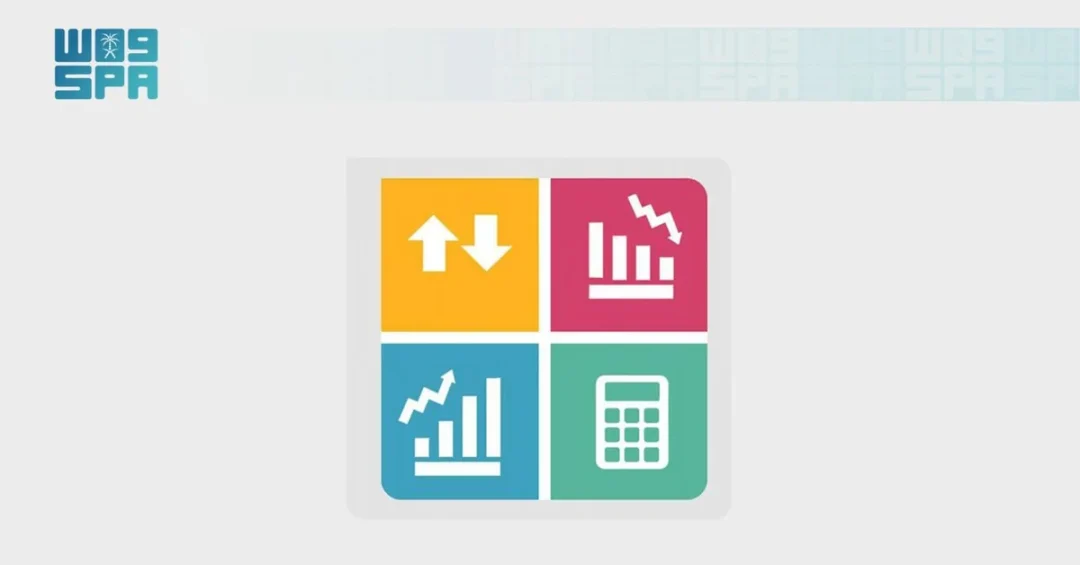
The Saudi Stock Exchange’s main index, the Tadawul All Share Index (TASI), closed higher on Sunday, September 6, 2026, gaining 35.74 points to settle at 11,068.65, according to the Saudi Press Agency (SPA). Total daily transactions on the Kingdom’s flagship equity market reached SAR2.9 billion, with a traded volume of 160 million shares, reflecting sustained investor participation across banking, energy, and industrial sectors.
The session’s positive close underscores the resilience of Saudi Arabia’s capital markets as the Kingdom continues to deepen its financial ecosystem under Vision 2030. The parallel market, NOMU, moved in the opposite direction, with the Saudi Parallel Market Index losing 47.14 points to finish at 21,739.24. Transactions there were valued at SAR15.6 million, with a traded volume exceeding 4.3 million shares. The divergence between the main and parallel markets highlights the different dynamics at play: while TASI is driven by large-cap institutional flows, NOMU reflects the performance of smaller, often early-stage companies. How does this daily snapshot fit into the bigger picture of Saudi Arabia’s capital market transformation?
Context and Background
What makes the Saudi Stock Exchange a barometer for the Kingdom’s economic ambitions? The Tadawul, officially known as the Saudi Exchange, has evolved from a relatively closed market into one of the most liquid and internationally accessible exchanges in the Middle East and North Africa region. Its main index, TASI, comprises the largest and most liquid Saudi companies, including energy giant Saudi Aramco, banking leaders such as Al Rajhi Bank and Saudi National Bank, and telecommunications firm stc. The index’s movement is closely watched by global investors as a proxy for the health of the Saudi economy and the progress of Vision 2030’s economic diversification agenda.
Sunday’s close at 11,068.65 places TASI within a range that has been supported by steady government spending, robust corporate earnings, and a pipeline of initial public offerings (IPOs) that has drawn both regional and international capital. The Saudi Exchange has undertaken a series of reforms in recent years, including the introduction of market makers, enhancements to the post-trade infrastructure, and the expansion of derivatives products. These measures aim to increase market depth and reduce volatility, making the exchange more attractive to long-term institutional investors. The daily transaction value of SAR2.9 billion is consistent with recent averages, indicating that liquidity remains healthy despite global macroeconomic uncertainties.
The parallel market, NOMU, was launched in 2017 to provide a dedicated platform for small and medium-sized enterprises (SMEs) and companies that do not yet meet the stringent listing requirements of the main market. Its performance is often more volatile, reflecting the higher risk and growth potential of its constituents. The decline of 47.14 points on Sunday is a reminder that NOMU can move independently of TASI, offering investors a diversified exposure to Saudi Arabia’s emerging corporate landscape. What does the contrasting performance of these two markets tell us about investor sentiment in the Kingdom?
Key Details
What are the specific figures that defined the trading day? The main index’s gain of 35.74 points represented a modest but meaningful advance, equivalent to a rise of approximately 0.32 percent from the previous close. The total value of shares traded on the main market reached SAR2.9 billion, a figure that underscores the depth of the Saudi market. The traded volume of 160 million shares indicates active participation across a broad range of stocks, from blue-chip banks to industrial and petrochemical companies.
On the parallel market, NOMU’s loss of 47.14 points brought the index to 21,739.24. The total value of transactions on NOMU was SAR15.6 million, with more than 4.3 million shares changing hands. While these figures are smaller in absolute terms, they are significant for the SMEs and growth companies that use NOMU as a stepping stone to the main market. The parallel market’s performance can be influenced by company-specific news, sectoral trends, and the liquidity constraints that often affect smaller stocks.
The Saudi Exchange operates under the regulatory oversight of the Capital Market Authority (CMA), which has been instrumental in aligning the Kingdom’s market infrastructure with international best practices. The CMA’s ongoing efforts to enhance disclosure standards, corporate governance, and investor protection have contributed to the market’s growing credibility. The SPA report did not specify which sectors drove the main index’s gains, but the broad-based nature of the trading volume suggests that the advance was not confined to a single industry. How do these daily movements reflect the underlying strength of Saudi Arabia’s corporate sector?
International and Regional Impact
Why should international investors pay attention to the Saudi Stock Exchange’s daily close? As the largest and most liquid equity market in the Gulf Cooperation Council (GCC) region, the Saudi Exchange serves as a bellwether for the broader Middle East. Its performance is tracked by global asset managers, sovereign wealth funds, and index providers such as MSCI and FTSE Russell, which have included Saudi equities in their emerging market benchmarks. A higher close on TASI can influence investment flows into the region, as fund managers adjust their allocations based on market momentum and economic fundamentals.
Regionally, the Saudi market’s resilience can have a stabilizing effect on neighboring exchanges in the United Arab Emirates, Qatar, and Kuwait. When TASI posts gains, it often signals confidence in the region’s economic outlook, particularly in sectors such as banking, real estate, and energy. The Kingdom’s fiscal strength, supported by its vast hydrocarbon reserves and its growing non-oil economy, provides a buffer against external shocks. The parallel market’s decline, while notable, is less likely to have a significant regional impact due to its smaller size and narrower investor base.
Internationally, the Saudi Exchange’s performance is increasingly linked to global commodity prices, interest rate expectations, and geopolitical developments. The Kingdom’s role as a leading OPEC+ producer means that oil price movements can influence investor sentiment toward Saudi equities. However, the diversification efforts under Vision 2030 have reduced the market’s correlation with oil prices, as sectors such as technology, healthcare, and tourism gain prominence. What role does the Saudi market play in the global investment landscape as Vision 2030 progresses?
Economic and Strategic Significance
How does a single trading session fit into Saudi Arabia’s long-term economic strategy? The Saudi Exchange is a critical component of the Kingdom’s plan to diversify its economy away from oil dependence. By providing a platform for companies to raise capital, the exchange supports the growth of the private sector, fosters entrepreneurship, and attracts foreign direct investment. The daily transaction value of SAR2.9 billion on the main market is a testament to the liquidity that enables these activities.
The parallel market, NOMU, plays a complementary role by nurturing smaller companies that may eventually graduate to the main market. Its performance on Sunday, while negative, should be viewed in the context of its longer-term trajectory. Since its inception, NOMU has helped numerous SMEs access capital and gain visibility among investors. The CMA and the Saudi Exchange continue to introduce measures to enhance the attractiveness of NOMU, including reduced listing fees and streamlined regulatory processes.
Strategically, the Saudi Exchange is also a key enabler of the Public Investment Fund’s (PIF) divestment program, through which the sovereign wealth fund lists portions of its portfolio companies to broaden ownership and raise capital for new investments. Recent IPOs, such as those in the healthcare and logistics sectors, have been well received by both domestic and international investors. The main index’s higher close on Sunday reflects the market’s ability to absorb new listings without destabilizing existing valuations. What does this resilience mean for the Kingdom’s ability to finance its ambitious giga-projects?
Vision 2030 Alignment
How does the Saudi Stock Exchange’s performance align with the goals of Vision 2030? The Financial Sector Development Program (FSDP), one of the Vision 2030 realization programs, aims to create a diversified and effective financial sector that supports the development of the national economy. A vibrant stock market is central to this objective, as it facilitates capital formation, enhances market efficiency, and promotes savings and investment. The daily gains on TASI, however modest, contribute to the broader narrative of a maturing financial ecosystem.
Vision 2030 also seeks to increase the contribution of the private sector to GDP and to boost non-oil revenues. A well-functioning stock market enables companies to expand, create jobs, and innovate, thereby driving private sector growth. The participation of international investors on the Saudi Exchange, facilitated by reforms such as the qualified foreign investor (QFI) program, brings global expertise and capital into the Kingdom. The parallel market’s role in supporting SMEs aligns with the Vision’s emphasis on entrepreneurship and small business development.
As Saudi Arabia continues its journey toward a post-oil economy, the stock exchange will remain a vital barometer of progress. The higher close on September 6, 2026, is a small but meaningful indicator that the Kingdom’s capital markets are functioning effectively and attracting the investment needed to realize Vision 2030’s ambitious targets. The coming years are expected to bring further listings, product innovations, and regulatory enhancements, all of which will strengthen the exchange’s position as a leading financial hub in the region and beyond.
20 Questions
Q1. What was the closing level of the Saudi Stock Exchange’s main index on September 6, 2026?
A1. The main index, TASI, closed at 11,068.65, gaining 35.74 points from the previous session, according to the Saudi Press Agency.
Q2. How much was the total value of transactions on the main market that day?
A2. Total daily transactions on the main market reached SAR2.9 billion, with a traded volume of 160 million shares, reflecting healthy liquidity.
Q3. What was the performance of the Saudi Parallel Market Index (NOMU) on the same day?
A3. NOMU closed lower, losing 47.14 points to finish at 21,739.24, with transactions valued at SAR15.6 million and a traded volume exceeding 4.3 million shares.
Q4. What is the Tadawul All Share Index (TASI)?
A4. TASI is the main index of the Saudi Exchange, comprising the largest and most liquid companies in the Kingdom, including Saudi Aramco, Al Rajhi Bank, and stc.
Q5. What is NOMU?
A5. NOMU is the Saudi Parallel Market, launched in 2017 to provide a platform for small and medium-sized enterprises and companies that do not meet main market listing requirements.
Q6. Which regulatory body oversees the Saudi Exchange?
A6. The Capital Market Authority (CMA) regulates and supervises the Saudi Exchange, ensuring compliance with international best practices and investor protection standards.
Q7. Why is the Saudi Exchange important for Vision 2030?
A7. The exchange supports Vision 2030 by facilitating capital formation, promoting private sector growth, and attracting foreign investment, all of which are key to economic diversification.
Q8. How does the main market differ from the parallel market?
A8. The main market hosts large-cap, established companies with high liquidity, while the parallel market serves smaller, growth-oriented firms with higher risk and volatility.
Q9. What factors influence the performance of the Saudi main index?
A9. TASI is influenced by corporate earnings, oil prices, government spending, global economic trends, and investor sentiment toward the Kingdom’s economic reforms.
Q10. What is the significance of the daily transaction value on the main market?
A10. A high transaction value indicates strong liquidity and investor participation, which are essential for efficient price discovery and market stability.
Q11. How has the Saudi Exchange evolved in recent years?
A11. The exchange has undergone significant reforms, including the introduction of market makers, derivatives, and enhanced post-trade infrastructure, making it more attractive to international investors.
Q12. What role does the Public Investment Fund (PIF) play in the Saudi Exchange?
A12. PIF lists portions of its portfolio companies on the exchange to broaden ownership, raise capital, and support the development of the private sector.
Q13. How does the Saudi Exchange compare to other regional markets?
A13. The Saudi Exchange is the largest and most liquid in the GCC, often serving as a bellwether for the region’s economic health and investment climate.
Q14. What are the benefits of international investor participation in the Saudi market?
A14. International investors bring capital, expertise, and global best practices, enhancing market efficiency and supporting the Kingdom’s integration into global financial markets.
Q15. What is the Financial Sector Development Program?
A15. It is a Vision 2030 realization program aimed at creating a diversified and effective financial sector that supports economic growth and stability.
Q16. How does the parallel market support SMEs?
A16. NOMU provides SMEs with access to capital, visibility, and a pathway to eventually list on the main market, fostering entrepreneurship and innovation.
Q17. What was the percentage gain of the main index on September 6, 2026?
A17. The gain of 35.74 points represented an increase of approximately 0.32 percent from the previous close, a modest but positive movement.
Q18. Why might the parallel market decline while the main market rises?
A18. The two markets have different investor bases and risk profiles; NOMU is more sensitive to company-specific news and liquidity constraints, while TASI reflects broader economic trends.
Q19. What does the daily close indicate about the Saudi economy?
A19. A higher close suggests investor confidence in Saudi Arabia’s economic fundamentals and the ongoing success of Vision 2030 reforms.
Q20. What can we expect from the Saudi Exchange in the future?
A20. Continued growth is expected, driven by new listings, product innovation, regulatory enhancements, and the Kingdom’s commitment to becoming a leading global financial hub.
Reader Feedback
We value your thoughts. Please share your feedback on this article.
Your feedback helps us improve our coverage.
Related articles
 Nikkei Snaps 4-Day Losing Streak, Closes Up 1.26%
 Saudi Stock Exchange Closes Higher as TASI Gains 20.73 Points
 Saudi Stock Exchange Main Index Closes Lower
 Saudi Stock Exchange Closes Higher as TASI Gains 124 Points
 Japanese Stocks Close Lower as Nikkei Drops 0.3%
 Saudi Stock Exchange Closes Higher Amid Investor Confidence