


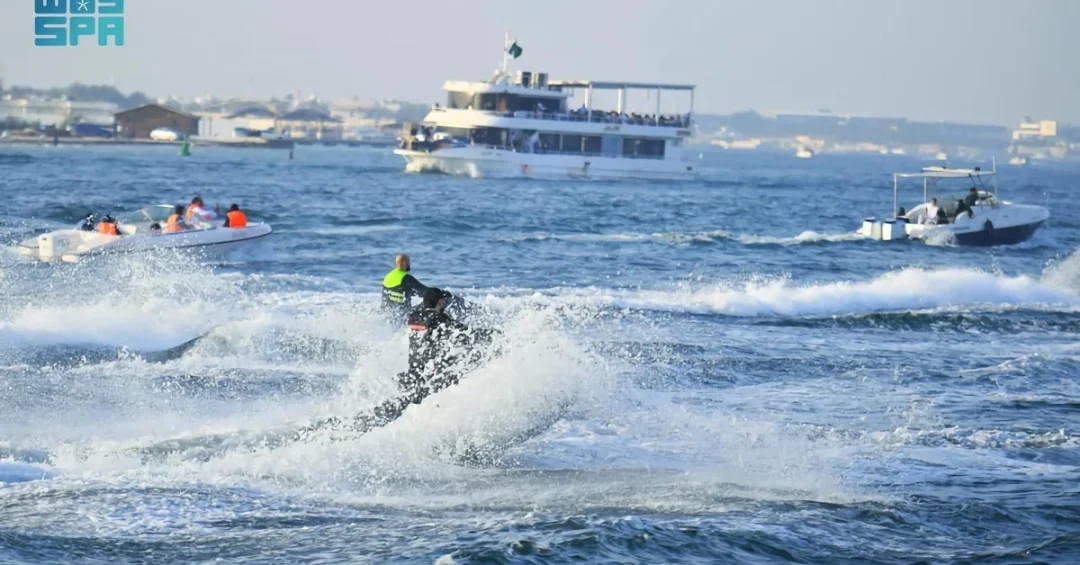
Jeddah Waterfront welcomed a large influx of visitors during the Eid Al-Fitr holiday, with families gathering along the Red Sea corniche to enjoy the city’s mild climate, open green spaces, and sweeping sea views, according to the Saudi Press Agency (SPA). The holiday period saw residents and visitors from across the Kingdom and abroad take part in leisurely activities including fishing in designated zones, picnicking in landscaped parks, and strolling along the waterfront’s extensive walking paths. The Jeddah Municipality reported significant public engagement with its Eid events held across the governorate, underscoring the waterfront’s role as one of Saudi Arabia’s premier public recreational destinations.
The scale of the turnout reflects both the enduring appeal of Jeddah’s coastal setting and the wider transformation of public spaces across the Kingdom under Saudi Vision 2030, the national reform program launched by Crown Prince Mohammed bin Salman. As one of the oldest and most cosmopolitan cities on the Red Sea, Jeddah has long served as a gateway for pilgrims and travelers, and its waterfront has been steadily upgraded to meet the expectations of a growing population and an expanding tourism sector. During Eid Al-Fitr, which marks the end of the holy month of Ramadan, families traditionally seek open-air venues for celebration, and the Jeddah Waterfront has become a favored choice for its combination of sea breezes, family-friendly amenities, and accessible design.
Context and Background
Why has the Jeddah Waterfront become such a central gathering place for Saudi families during major holidays? The answer lies in decades of urban development combined with a recent push to elevate quality of life across the Kingdom. The waterfront, which stretches for several kilometers along the Red Sea coast, was comprehensively redeveloped by the Jeddah Municipality and the Jeddah Development and Urban Regeneration Company as part of a broader effort to create world-class public amenities. Its design includes wide pedestrian promenades, cycling tracks, shaded seating areas, children’s play zones, and dedicated fishing spots, all of which were heavily used during the Eid holiday.
The Eid Al-Fitr period itself carries deep cultural and religious significance. Following a month of fasting, prayer, and reflection, families across Saudi Arabia come together to celebrate with festive meals, gift-giving, and outdoor excursions. In Jeddah, a city known for its relaxed coastal character, the waterfront has naturally become the focal point of these celebrations. The mild spring climate in April, with moderate temperatures and gentle sea breezes, makes outdoor activity particularly pleasant, drawing crowds throughout the day and into the evening. The Jeddah Municipality’s decision to organize a full program of Eid events across the governorate added further momentum, offering entertainment and activities that appealed to a wide range of age groups.
This year’s holiday season also unfolded against the backdrop of Saudi Arabia’s rapidly expanding domestic tourism market. With more citizens and residents choosing to explore the Kingdom’s own destinations, coastal cities like Jeddah have seen rising visitor numbers. The waterfront’s popularity during Eid is therefore not an isolated phenomenon but part of a larger pattern of increased internal mobility and leisure spending, supported by improved transport links, including the Haramain High Speed Railway and expanded domestic flight schedules. The result is a more vibrant public realm in Jeddah, where the waterfront functions as a shared civic space for people from diverse backgrounds.
Key Details of the Eid Celebrations
What exactly did visitors experience at the Jeddah Waterfront during the Eid holiday? According to the Saudi Press Agency, families engaged in a variety of leisurely activities suited to the coastal environment. Fishing enthusiasts gathered at designated areas along the shore, taking advantage of the Red Sea’s rich waters. Others spread blankets on the green spaces that line the promenade, sharing picnics and conversation. Walking paths were busy with strollers, joggers, and children on bicycles, while the waterfront’s cafes and kiosks served refreshments to the crowds.
The Jeddah Municipality played a central role in facilitating these activities. Its Eid events across the governorate were designed to provide safe, well-organized, and family-oriented entertainment. Municipal teams ensured that public facilities, including restrooms, parking areas, and lighting, were maintained to a high standard throughout the holiday. Additional cleaning crews and security personnel were deployed to manage the increased footfall. The municipality’s efforts reflect a broader commitment by Saudi authorities to deliver high-quality public services during peak periods, a priority that aligns with the quality-of-life objectives of Vision 2030.
The waterfront’s infrastructure itself is a testament to careful planning. Its layout separates active recreation zones from quieter picnic areas, reducing congestion and allowing different groups to enjoy the space simultaneously. Dedicated fishing areas prevent conflicts with swimmers and boaters, while the promenade’s width accommodates large crowds without compromising safety. These design choices have made the Jeddah Waterfront a model for other coastal development projects in the Kingdom, including those underway along the Red Sea coast as part of the Vision 2030 tourism strategy. The successful management of Eid crowds provides valuable experience for future large-scale events.
International and Regional Impact
How does a bustling waterfront in Jeddah resonate beyond Saudi Arabia’s borders? For international observers, the scenes of families enjoying a public holiday offer a window into the social and cultural changes taking place in the Kingdom. Saudi Arabia has invested heavily in entertainment, tourism, and public spaces as part of a deliberate strategy to diversify its economy and improve citizens’ lives. The Jeddah Waterfront’s popularity during Eid illustrates that these investments are yielding tangible results, with public spaces that are accessible, well-maintained, and widely used.
Regionally, Jeddah’s role as a gateway city for millions of pilgrims who travel to Mecca for Umrah and Hajj gives its public amenities added significance. Many visitors extend their stay in Jeddah before or after their pilgrimage, and the waterfront serves as a welcoming introduction to the Kingdom’s hospitality. The presence of international visitors during Eid, including expatriate residents and tourists from neighboring Gulf states, further enhances the city’s cosmopolitan character. This blend of local and international crowds reinforces Jeddah’s position as a cultural and commercial hub on the Red Sea, a status that Saudi leaders have sought to strengthen through initiatives such as the Jeddah Central Project, a major urban regeneration scheme that will add new attractions and public spaces to the city.
Economic and Strategic Significance
What economic value does a vibrant public space like the Jeddah Waterfront generate? While the waterfront is free to access, its popularity supports a wide ecosystem of businesses. Local cafes, restaurants, retail outlets, and service providers along the corniche benefit from the steady flow of visitors, particularly during holiday periods. The Eid surge provides a significant boost to small and medium-sized enterprises in the area, from food vendors to equipment rental shops. This economic activity contributes to job creation and local income, aligning with Vision 2030’s goal of fostering a thriving private sector.
Beyond immediate commerce, the waterfront forms part of Jeddah’s broader tourism offering. The city attracts visitors with its historic Al-Balad district, a UNESCO World Heritage Site, its museums, and its growing calendar of cultural and sporting events. The waterfront complements these attractions by providing a relaxed, outdoor experience that appeals to families. As Saudi Arabia aims to attract 150 million visits annually by 2030, destinations like Jeddah that combine heritage, leisure, and natural beauty are essential to achieving that target. The Eid holiday crowds demonstrate the potential of well-designed public spaces to draw both domestic and international visitors.
Vision 2030 Alignment
How does a busy waterfront on a holiday afternoon connect to Saudi Arabia’s long-term national vision? Vision 2030 places quality of life at the center of its ambitions, recognizing that a happy, healthy, and engaged population is fundamental to economic success. The Jeddah Waterfront, with its emphasis on outdoor recreation, family activities, and accessible design, directly supports these goals. The Kingdom’s Quality of Life Program, one of the Vision 2030 realization programs, has funded numerous projects to expand green spaces, improve public facilities, and promote cultural and recreational activities. The Eid celebrations in Jeddah are a visible expression of these efforts.
Looking ahead, the Jeddah Municipality’s continued investment in the waterfront and its event programming will ensure that it remains a cherished destination for generations. The successful management of the Eid holiday crowds offers lessons that can be applied to other public spaces across the Kingdom. As Saudi Arabia continues its journey of transformation, scenes of families fishing, picnicking, and strolling together along the Red Sea coast serve as a reminder that national progress is measured not only in economic figures but also in the everyday moments of joy and community that public spaces make possible. The Jeddah Waterfront, vibrant and welcoming, stands as a proud symbol of that progress.
20 Questions
Q1. What was the main reason visitors flocked to the Jeddah Waterfront during Eid?
A1. Visitors came to celebrate the Eid Al-Fitr holiday, drawn by the area’s mild climate, beautiful sea views, and family-friendly recreational activities, according to the Saudi Press Agency.
Q2. Which authority reported the surge in visitors to the Jeddah Waterfront?
A2. The Saudi Press Agency (SPA) reported the surge, noting significant public engagement with the Jeddah Municipality’s Eid events across the governorate.
Q3. What types of activities did families enjoy at the waterfront?
A3. Families enjoyed fishing in designated areas, picnicking in green spaces, and strolling along the waterfront’s walking paths, taking advantage of the pleasant coastal environment.
Q4. When did the Eid Al-Fitr holiday take place that prompted the waterfront visits?
A4. The holiday fell in April 2025, with the SPA report dated April 2, 2025, describing the surge of visitors during the Eid Al-Fitr celebrations.
Q5. Why is the Jeddah Waterfront particularly popular during Eid?
A5. Its combination of mild spring weather, Red Sea views, extensive walking paths, green spaces, and organized municipal events makes it an ideal setting for family celebrations during the holiday.
Q6. What role did the Jeddah Municipality play in the Eid celebrations?
A6. The Jeddah Municipality organized a program of Eid events across the governorate and maintained public facilities, ensuring a safe and enjoyable experience for the large crowds.
Q7. How does the waterfront support Saudi Arabia’s Vision 2030 goals?
A7. The waterfront supports Vision 2030 by enhancing quality of life, providing accessible public recreation, and boosting local economic activity, all key objectives of the national reform program.
Q8. Are there designated areas for fishing at the Jeddah Waterfront?
A8. Yes, the waterfront includes designated fishing areas that allow enthusiasts to enjoy the activity safely while preventing conflicts with swimmers and other visitors.
Q9. What economic benefits does the waterfront bring to Jeddah?
A9. The waterfront supports local cafes, restaurants, retail outlets, and service providers, generating income and jobs, especially during peak holiday periods like Eid.
Q10. How does the waterfront contribute to domestic tourism in Saudi Arabia?
A10. It serves as a major attraction for domestic tourists, offering a free, family-oriented destination that complements Jeddah’s heritage sites and cultural events.
Q11. What is the significance of Eid Al-Fitr in Saudi culture?
A11. Eid Al-Fitr marks the end of Ramadan, a month of fasting and prayer. It is a time for family gatherings, festive meals, and outdoor celebrations across the Kingdom.
Q12. How does the Jeddah Waterfront compare to other public spaces in Saudi Arabia?
A12. It is one of the Kingdom’s premier coastal public spaces, known for its thoughtful design, size, and range of amenities, serving as a model for other development projects.
Q13. What infrastructure features make the waterfront suitable for large crowds?
A13. Wide promenades, separated activity zones, ample parking, restrooms, lighting, and dedicated fishing areas help manage large numbers of visitors safely and comfortably.
Q14. Did international visitors also visit the Jeddah Waterfront during Eid?
A14. Yes, Jeddah attracts international visitors, including expatriates and tourists from Gulf states, who join local families in enjoying the waterfront’s amenities during holidays.
Q15. How does the waterfront reflect Saudi Arabia’s social modernization?
A15. It provides a mixed-gender, family-friendly environment where diverse groups can gather, reflecting the Kingdom’s broader social opening under Vision 2030.
Q16. What other attractions in Jeddah complement the waterfront?
A16. Jeddah offers the historic Al-Balad district, a UNESCO World Heritage Site, museums, cultural festivals, and the upcoming Jeddah Central Project, all enhancing its tourism appeal.
Q17. How does the Jeddah Municipality ensure cleanliness during peak times?
A17. The municipality deploys additional cleaning crews and maintenance teams during holidays to keep public facilities, including restrooms and walkways, in top condition.
Q18. What is the long-term plan for the Jeddah Waterfront?
A18. The municipality continues to invest in upgrades and event programming, ensuring the waterfront remains a top destination and supports the city’s broader urban regeneration efforts.
Q19. How does the Eid turnout reflect Saudi Arabia’s quality-of-life improvements?
A19. The large, happy crowds demonstrate the success of Vision 2030’s Quality of Life Program in creating attractive, well-maintained public spaces that residents actively use and enjoy.
Q20. What message does the vibrant Eid scene at the waterfront send globally?
A20. It showcases Saudi Arabia as a welcoming, modern nation investing in its people’s well-being, offering a positive image that supports tourism and international engagement.
Reader Feedback
We value your thoughts. Please share your feedback on this article.
Your feedback helps us improve our coverage.
Related articles
 Saudi Travel Account Surplus Hits SAR49.8B in 2024
 Hail Parks Attract 550,000 Visitors During Eid al-Fitr
 Desert Bloom at Hail’s Al-Didhan Reserve Attracts Visitors
 Aja and Salma Mountains: Hail’s Hiking Haven
 Play Qiddiya City Joins WTTC as Destination Partner
 Jacaranda Blossoms Herald Spring in Aseer Region