


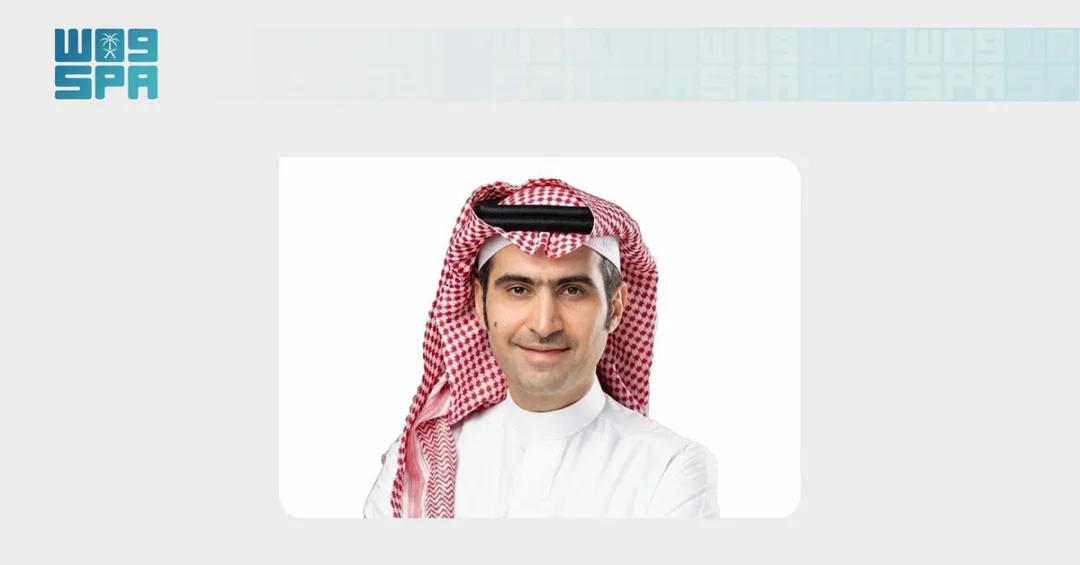
Mazen Turki Al-Sudairi has extended his sincere thanks and appreciation to Custodian of the Two Holy Mosques King Salman bin Abdulaziz Al Saud and to His Royal Highness Prince Mohammed bin Salman bin Abdulaziz Al Saud, Crown Prince and Prime Minister, following the issuance of a Royal Order appointing him as Chairman of the Board of the Capital Market Authority (CMA) with the rank of minister. The announcement, released through the Saudi Press Agency (SPA) on August 16, 2026, marks a significant moment for the Kingdom’s financial regulatory framework and underscores the continued confidence that Saudi leadership places in experienced national talent to steer the country’s economic transformation.
Al-Sudairi expressed his deep gratitude and pride in the generous royal trust, praying to Allah Almighty to help him fulfill this responsibility and grant him success in continuing his efforts to develop and grow the capital market, achieve the aspirations of the wise leadership, and serve the nation. The appointment reinforces the Kingdom’s commitment to strengthening its financial institutions and advancing the objectives of Saudi Vision 2030, the comprehensive national reform plan designed to diversify the economy and enhance the role of the private sector. For international observers, the move signals continuity and stability in the leadership of one of the region’s most dynamic capital markets, a market that has increasingly drawn global attention for its scale, reforms, and integration with international financial standards.
Context and Background
Why does the leadership of the Capital Market Authority matter so much at this particular moment in Saudi Arabia’s economic journey? The CMA, established in 2003, serves as the primary regulator and supervisor of the Kingdom’s capital markets, tasked with ensuring transparency, fairness, and efficiency while protecting investors and fostering market growth. Under the broader umbrella of Vision 2030, the CMA has played a pivotal role in modernizing the Saudi financial sector, from introducing new listing rules to facilitating the landmark initial public offering of Saudi Aramco and expanding the role of the Tadawul stock exchange as a regional powerhouse.
Al-Sudairi’s appointment comes at a time when Saudi Arabia is accelerating efforts to deepen its capital markets, attract foreign investment, and develop innovative financial products. The Kingdom has been steadily enhancing its regulatory environment to align with global best practices, including measures to improve corporate governance, increase market liquidity, and encourage the listing of small and medium-sized enterprises. The Royal Order appointing him with the rank of minister reflects the elevated importance of the CMA within the national administrative structure, placing its leadership on par with other key ministries and reinforcing the strategic weight of financial market development in the Kingdom’s long-term planning.
Prior to this appointment, Al-Sudairi had already been serving as Chairman of the CMA Board, and his continued tenure signals a vote of confidence in his leadership and vision. His experience in financial regulation and his understanding of both domestic and international market dynamics position him well to guide the CMA through the next phase of its evolution. The royal trust placed in him is consistent with the Saudi leadership’s practice of empowering qualified professionals to implement ambitious reforms and achieve measurable results.
Key Details of the Royal Appointment
What exactly does this Royal Order signify for the Kingdom’s financial architecture? The Royal Order appoints Mazen Turki Al-Sudairi as Chairman of the Board of the Capital Market Authority with the rank of minister, a designation that elevates the position within the government hierarchy. This rank underscores the critical role the CMA plays in Saudi Arabia’s economic strategy and ensures that the authority’s leadership has the necessary standing to coordinate with other ministries and government bodies on matters of financial policy and regulation.
In his statement to the Saudi Press Agency, Al-Sudairi conveyed his profound appreciation for the trust bestowed upon him by the Custodian of the Two Holy Mosques and the Crown Prince and Prime Minister. He described the appointment as a source of deep pride and a responsibility he accepts with humility and determination. He also prayed to Allah Almighty to grant him success in continuing his efforts to develop and grow the capital market, achieve the aspirations of the wise leadership, and serve the nation. This expression of gratitude and dedication is characteristic of Saudi officials who view their roles as a national duty and a contribution to the Kingdom’s prosperity.
The appointment is effective immediately and maintains continuity in the CMA’s leadership, which is crucial for the ongoing implementation of strategic initiatives. Under Al-Sudairi’s guidance, the CMA is expected to continue its work on enhancing market infrastructure, promoting investor confidence, and supporting the Kingdom’s privatization and diversification programs. The CMA’s agenda includes a range of projects aimed at increasing the attractiveness of the Saudi market to international investors, such as further integration with global index providers, the development of derivative markets, and the encouragement of sustainable finance and environmental, social, and governance (ESG) practices.
International and Regional Impact
How does the leadership of Saudi Arabia’s capital market regulator resonate beyond the Kingdom’s borders? The CMA’s policies and decisions have significant implications for regional and international investors who view Saudi Arabia as a cornerstone of the Middle East’s financial landscape. The Tadawul, Saudi Arabia’s stock exchange, is the largest in the Arab world and has been increasingly included in major global emerging market indices, drawing substantial foreign capital. A stable and forward-looking CMA leadership reassures international stakeholders that the regulatory environment will remain predictable, transparent, and conducive to investment.
Moreover, the CMA’s work supports Saudi Arabia’s ambition to become a global hub for finance and investment, connecting Asia, Europe, and Africa. The Kingdom’s growing role in international financial dialogues, including its participation in the G20 and its engagement with organizations such as the International Organization of Securities Commissions (IOSCO), demonstrates its commitment to global cooperation. Al-Sudairi’s reappointment ensures that Saudi Arabia continues to have a seasoned representative in these forums, advocating for robust regulatory standards and fostering cross-border partnerships that benefit the entire region.
Economic and Strategic Significance
What does this appointment reveal about Saudi Arabia’s economic priorities? The elevation of the CMA chairman to ministerial rank highlights the centrality of capital markets in the Kingdom’s economic diversification strategy. As Saudi Arabia seeks to reduce its dependence on oil revenues, the development of a vibrant and deep financial sector is essential. Capital markets provide a mechanism for channeling savings into productive investments, financing entrepreneurship, and supporting the growth of non-oil sectors such as technology, tourism, and manufacturing.
The CMA’s regulatory oversight is also vital for the success of the Public Investment Fund’s (PIF) ambitious programs and the Kingdom’s privatization initiatives. By ensuring that market participants adhere to high standards of disclosure and governance, the CMA helps build the trust necessary for both domestic and international investors to commit capital to Saudi projects. Al-Sudairi’s continued leadership is expected to focus on enhancing market efficiency, expanding the range of financial instruments, and promoting financial literacy among the Saudi public, all of which contribute to a more resilient and inclusive economy.
Vision 2030 Alignment
How does this appointment advance the goals of Saudi Vision 2030? Vision 2030 aims to transform the Kingdom into a diversified, innovation-driven economy with a thriving private sector. A robust capital market is a key enabler of this vision, as it facilitates access to finance for businesses, supports the growth of small and medium enterprises, and attracts foreign direct investment. The CMA, under Al-Sudairi’s leadership, is directly contributing to these objectives by implementing reforms that make the Saudi market more accessible, efficient, and aligned with international best practices.
Furthermore, the appointment reflects the Vision 2030 principle of empowering capable Saudi leaders to drive change. By entrusting Al-Sudairi with this responsibility, the leadership reaffirms its confidence in the nation’s human capital and its commitment to achieving the ambitious targets set for the financial sector. As the Kingdom continues its journey toward economic transformation, the CMA will remain a cornerstone of efforts to build a dynamic, transparent, and globally integrated capital market that serves the aspirations of the Saudi people and strengthens the nation’s position on the world stage.
20 Questions
Q1. Who has been appointed as Chairman of the Capital Market Authority Board?
A1. Mazen Turki Al-Sudairi has been appointed as Chairman of the Board of the Capital Market Authority with the rank of minister, following a Royal Order issued by the Saudi leadership.
Q2. What is the Capital Market Authority in Saudi Arabia?
A2. The Capital Market Authority (CMA) is the government regulator responsible for supervising and developing Saudi Arabia’s capital markets, ensuring transparency, fairness, and investor protection.
Q3. What rank does the new CMA Chairman hold?
A3. The Royal Order appoints Mazen Turki Al-Sudairi with the rank of minister, elevating the position within the government hierarchy and underscoring the CMA’s strategic importance.
Q4. When was the appointment announced?
A4. The appointment was announced on August 16, 2026, as reported by the Saudi Press Agency (SPA), the Kingdom’s official news agency.
Q5. To whom did Al-Sudairi express his thanks?
A5. He extended his thanks and appreciation to Custodian of the Two Holy Mosques King Salman bin Abdulaziz Al Saud and to Crown Prince and Prime Minister Prince Mohammed bin Salman bin Abdulaziz Al Saud.
Q6. What did Al-Sudairi say about the royal trust?
A6. He expressed deep gratitude and pride in the generous royal trust, praying to Allah Almighty to help him fulfill this responsibility and serve the nation.
Q7. What are Al-Sudairi’s stated goals for the CMA?
A7. He aims to continue efforts to develop and grow the capital market, achieve the aspirations of the wise leadership, and serve the nation, in line with Saudi Vision 2030.
Q8. How does this appointment affect the CMA’s leadership continuity?
A8. The appointment maintains continuity, as Al-Sudairi had already been serving as Chairman, ensuring stability in the implementation of ongoing strategic initiatives.
Q9. Why is the CMA important for Saudi Vision 2030?
A9. The CMA supports Vision 2030 by fostering a robust capital market that facilitates investment, supports private sector growth, and helps diversify the economy away from oil dependence.
Q10. What role does the CMA play in protecting investors?
A10. The CMA enforces regulations that ensure transparency, fairness, and disclosure, protecting investors and building confidence in the Saudi market.
Q11. How does the CMA contribute to attracting foreign investment?
A11. By aligning regulations with international best practices and enhancing market efficiency, the CMA makes Saudi Arabia more attractive to foreign investors seeking opportunities in the region.
Q12. What is the significance of the ministerial rank for the CMA Chairman?
A12. The ministerial rank elevates the CMA’s standing, enabling its chairman to coordinate effectively with other ministries and ensuring financial market development is prioritized at the highest levels of government.
Q13. What are some key initiatives of the CMA under Vision 2030?
A13. Key initiatives include expanding the Tadawul stock exchange, facilitating IPOs, developing derivative markets, and promoting ESG practices to align with global standards.
Q14. How does the CMA support small and medium enterprises?
A14. The CMA encourages the listing of SMEs on the parallel market, known as Nomu, providing them with access to capital and helping them grow, which is vital for economic diversification.
Q15. What is the Tadawul and how does it relate to the CMA?
A15. Tadawul is the Saudi stock exchange, regulated by the CMA. It is the largest in the Arab world and a key platform for raising capital and trading securities.
Q16. How does the CMA engage with international regulators?
A16. The CMA participates in global forums such as IOSCO and collaborates with international counterparts to harmonize regulations and promote cross-border investment.
Q17. What impact does the CMA have on Saudi Arabia’s economic diversification?
A17. By developing capital markets, the CMA helps channel funds into non-oil sectors, supporting entrepreneurship, innovation, and the growth of new industries essential for diversification.
Q18. What can international investors expect from the CMA’s continued leadership?
A18. They can expect regulatory stability, continued reforms to enhance market access, and a commitment to transparency and high governance standards, making Saudi markets more predictable.
Q19. How does Al-Sudairi’s appointment reflect Saudi leadership’s vision?
A19. It reflects the leadership’s confidence in experienced Saudi professionals to drive key reforms and achieve Vision 2030 goals, showcasing the Kingdom’s commitment to empowering national talent.
Q20. What is the broader significance of this appointment for Saudi Arabia’s global role?
A20. It reinforces Saudi Arabia’s position as a leading financial hub in the region, demonstrating its dedication to economic modernization and international integration, which enhances its global influence.
Reader Feedback
We value your thoughts. Please share your feedback on this article.
Your feedback helps us improve our coverage.
Related articles
 Al-Loomi Exhibition 2026 Opens Wednesday in Al-Ahsa
 Over 500 Marketers Drive Sales at Buraidah Dates Carnival
 Over 500 Marketers Boost Buraidah Date Festival
 Al-Mithnab Date Market Opens with Over 50 Varieties
 Saudi Arabia Leads Digital Economy with Advanced AI Infrastructure
 Tunisia’s Economy Grows 2.3% in Q2 2026