


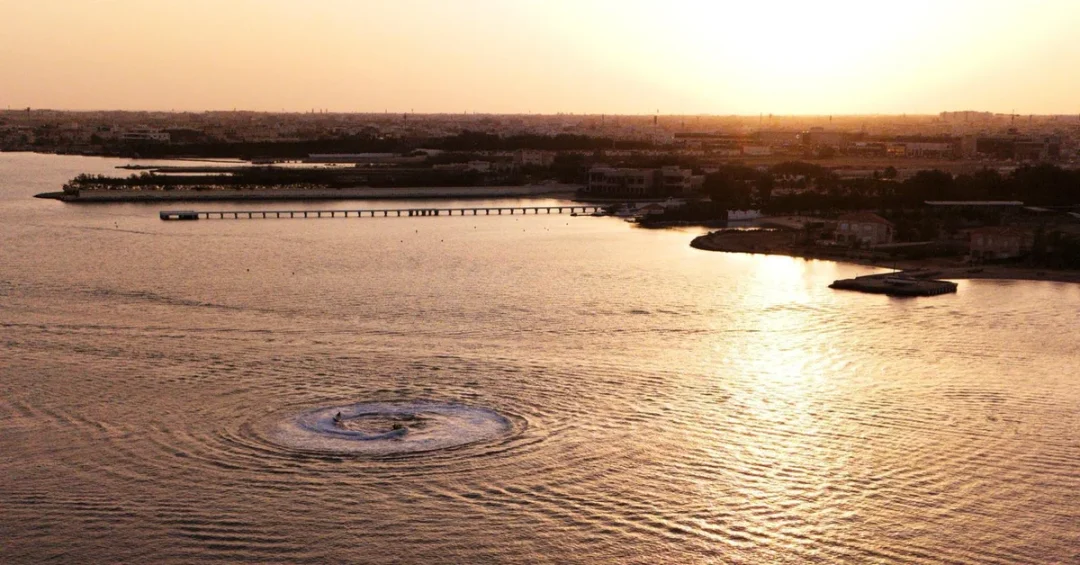
Jeddah’s Red Sea coastline is now home to thirteen distinct beaches and marine destinations, a development announced by the Saudi Press Agency (SPA) that is reshaping the city’s summer tourism landscape and reinforcing the Kingdom’s position as a premier global destination. The destinations, which include ROSHN Waterfront, Obhur Waterfront, Al-Saif Beach, Shaara Beach, Al-Mustaqbal Beach, Al-Lulu Beach, and Kokiyan Beach, among others, offer residents and visitors a diverse array of coastal experiences, from swimming and water sports to leisurely strolls and unforgettable sunset views. The initiative reflects a broader national effort to activate the Kingdom’s western coast and enhance the quality of life for citizens and tourists alike.
As the sea touches every aspect of Jeddah, the city stretches toward the horizon, transforming its coastline into a vibrant scene that combines the tranquility of relaxation with the vitality of entertainment. These destinations are not merely recreational spaces; they are integral components of a growing tourism value chain that includes restaurants, cafes, transport, hospitality, retail, water sports, and boat rentals. The Saudi Red Sea Authority plays a pivotal role in regulating and enabling these activities, ensuring that coastal tourism contributes to economic diversification and the Kingdom’s Vision 2030 objectives. How does a single coastline manage to offer something for every visitor while also driving national economic growth?
Context and Background: Jeddah’s Enduring Bond with the Red Sea
Jeddah has long been defined by its relationship with the Red Sea. For centuries, the city served as a gateway for pilgrims, traders, and travelers, its shores welcoming ships from across the globe. Today, that maritime heritage is being reimagined through a modern lens, with the coastline emerging as a dynamic space for tourism, recreation, and community life. The thirteen beaches and marine destinations announced by the Saudi Press Agency represent the latest chapter in this evolution, building on Jeddah’s natural assets and its strategic location on the western coast of Saudi Arabia.
The development of these destinations is part of a wider national strategy to unlock the potential of the Red Sea. The Saudi Red Sea Authority, a government body established to regulate and promote coastal tourism, has been instrumental in enabling these projects. By supporting quality of life and enhancing the competitiveness of coastal cities, the Authority is helping Jeddah transform into a year-round tourism destination. This aligns with the Kingdom’s Vision 2030, which seeks to diversify the economy away from oil and create new opportunities in sectors such as tourism, entertainment, and hospitality. In this context, the beaches are not isolated attractions but nodes in a connected network that spans the entire coastline.
Key Details: A Diverse Portfolio of Coastal Experiences
What makes Jeddah’s coastline so appealing to such a wide range of visitors? The answer lies in the variety of experiences offered across the thirteen destinations. ROSHN Waterfront, developed by the national housing company ROSHN, combines residential living with public spaces, retail, and waterfront promenades, setting a new standard for integrated urban development. Obhur Waterfront, located in the north of Jeddah, is known for its calm waters and family-friendly atmosphere, making it a favorite for swimming and picnicking. Al-Saif Beach offers a more traditional seaside experience, with soft sands and gentle waves ideal for relaxation.
Other destinations cater to different interests. Shaara Beach is popular among those seeking a quieter retreat, while Al-Mustaqbal Beach (Future Beach) attracts a younger crowd with its vibrant atmosphere and water sports offerings. Al-Lulu Beach (Pearl Beach) provides a picturesque setting for evening strolls, and Kokiyan Beach is a well-known spot for its scenic views and recreational facilities. Each location has its own character, yet all share a common commitment to quality and accessibility. The diversity ensures that whether a visitor seeks adventure, tranquility, or family fun, there is a beach suited to their needs. This range is a key factor in extending visitor stays and encouraging repeat visits, which in turn supports local businesses and creates jobs.
International and Regional Impact: Positioning Jeddah as a Global Destination
How does the development of Jeddah’s beaches resonate beyond the Kingdom’s borders? For international travelers, the Red Sea coast is increasingly seen as an attractive alternative to other global beach destinations. The combination of warm waters, modern infrastructure, and rich cultural heritage makes Jeddah a compelling choice for tourists from Europe, Asia, and the wider Middle East. The city’s accessibility, with King Abdulaziz International Airport serving as a major hub, further enhances its appeal. As more international flights connect Jeddah to key cities, the ease of travel is expected to boost visitor numbers and extend the tourism season beyond the traditional summer months.
Regionally, the development of these beaches contributes to the Red Sea’s emergence as a premier tourism corridor. Saudi Arabia’s western coast is part of a larger ecosystem that includes NEOM, the Red Sea Project, and other giga-projects, all designed to attract global travelers. Jeddah’s urban beaches complement these luxury destinations by offering accessible, city-based experiences that appeal to a broader demographic. This layered approach to tourism development strengthens the Kingdom’s overall offering and positions it as a leader in sustainable coastal tourism. Moreover, the emphasis on family-friendly environments and cultural respect ensures that the destinations align with the values of both local and international visitors.
Economic and Strategic Significance: Beyond Recreation
What economic ripple effects do these beaches generate? The high visitor traffic along waterfronts and beaches supports a tourism value chain that extends far beyond the sand. Restaurants and cafes, transport services, hospitality providers, retail outlets, water sports operators, and boat rental companies all benefit from the influx of beachgoers. This creates a multiplier effect, generating employment and income for local communities. Small and medium-sized enterprises, in particular, find opportunities to thrive by catering to the needs of visitors. The seasonal nature of beach tourism is also being addressed through events and activities that draw crowds year-round, helping to stabilize revenue streams for businesses.
Strategically, the beaches contribute to the diversification of Jeddah’s economy. As the Kingdom seeks to reduce its dependence on hydrocarbon revenues, tourism is a key pillar of Vision 2030. Jeddah, with its historical significance and modern amenities, is well-positioned to capture a significant share of the growing domestic and international tourism market. The Saudi Red Sea Authority’s regulatory framework ensures that development is sustainable and benefits both the environment and the community. By investing in coastal infrastructure, the Kingdom is not only enhancing quality of life but also building a resilient economic future. The beaches are thus a strategic asset, not just a leisure amenity.
Vision 2030 Alignment: A Coastline for the Future
How do these beaches embody the aspirations of Saudi Vision 2030? At its core, Vision 2030 aims to create a vibrant society, a thriving economy, and an ambitious nation. The transformation of Jeddah’s coastline directly supports these goals. By providing world-class recreational spaces, the beaches enhance the quality of life for residents, aligning with the vision’s social objectives. Economically, they stimulate tourism, create jobs, and attract investment, contributing to the diversification of the national economy. And by showcasing the Kingdom’s natural beauty and modern infrastructure, they project an image of an ambitious nation open to the world.
The Saudi Red Sea Authority’s role in enabling these destinations underscores the government’s commitment to sustainable development. Through careful planning and regulation, the Authority ensures that coastal tourism grows in harmony with environmental protection and cultural preservation. As Jeddah continues to evolve, its beaches will remain a focal point of urban life and a symbol of the Kingdom’s progress. The thirteen destinations are more than just places to swim; they are platforms for economic growth, social interaction, and international engagement. In the years ahead, they will play a vital role in realizing the vision of a prosperous and outward-looking Saudi Arabia.
20 Questions
Q1. How many beaches and marine destinations are along Jeddah’s coastline?
A1. According to the Saudi Press Agency, there are thirteen beaches and marine destinations along Jeddah’s Red Sea coast, offering a diverse range of experiences for residents and visitors.
Q2. Which government body regulates coastal tourism in Jeddah?
A2. The Saudi Red Sea Authority is responsible for regulating and enabling coastal tourism activities, supporting quality of life, and enhancing the competitiveness of coastal cities like Jeddah.
Q3. What are some of the named beaches in the announcement?
A3. The destinations include ROSHN Waterfront, Obhur Waterfront, Al-Saif Beach, Shaara Beach, Al-Mustaqbal Beach, Al-Lulu Beach, and Kokiyan Beach, among others.
Q4. What types of activities can visitors enjoy at these beaches?
A4. Visitors can enjoy swimming, water sports, strolling, relaxation, and watching the sunset, with each destination offering a distinct experience.
Q5. How do these beaches support the local economy?
A5. They support a tourism value chain including restaurants, cafes, transport, hospitality, retail, water sports, and boat rentals, creating jobs and expanding economic activity along the coastline.
Q6. What is the significance of Jeddah’s Red Sea location?
A6. Jeddah’s Red Sea location is central to its tourism identity, allowing visitors to enjoy the sea throughout the day and reinforcing the city’s historical and cultural connection to the water.
Q7. How does the development align with Saudi Vision 2030?
A7. It aligns with Vision 2030’s objectives to develop the tourism sector, diversify the national economy, and enhance quality of life for citizens and visitors.
Q8. What role does ROSHN Waterfront play?
A8. ROSHN Waterfront is a modern integrated development that combines residential, retail, and public spaces, setting a new standard for urban waterfront living in Jeddah.
Q9. Are these beaches suitable for families?
A9. Yes, many destinations like Obhur Waterfront are known for their calm waters and family-friendly atmosphere, making them ideal for swimming and picnicking.
Q10. What is the Saudi Red Sea Authority’s main goal?
A10. Its goal is to regulate and enable coastal tourism, support quality of life, and enhance the competitiveness of coastal cities as year-round tourism destinations.
Q11. How do the beaches contribute to economic diversification?
A11. By attracting visitors and stimulating tourism-related businesses, the beaches help diversify Jeddah’s economy away from oil dependence, in line with Vision 2030.
Q12. What makes Jeddah’s coastline attractive to international tourists?
A12. Its combination of warm waters, modern infrastructure, cultural heritage, and accessibility via King Abdulaziz International Airport makes it appealing to global travelers.
Q13. Are there water sports available at these destinations?
A13. Yes, several beaches offer water sports and boat rentals, catering to adventure-seekers and adding to the variety of recreational options.
Q14. How does the development benefit local communities?
A14. It creates employment opportunities, supports small and medium enterprises, and enhances the overall quality of life for residents by providing accessible recreational spaces.
Q15. What is the significance of the sunset experience in Jeddah?
A15. Watching the sunset where the red of the sun blends with the blue of the water is a scene closely tied to Jeddah’s identity, offering a unique and memorable experience.
Q16. How does the Red Sea Authority ensure sustainability?
A16. Through careful planning and regulation, the Authority ensures that coastal tourism grows in harmony with environmental protection and cultural preservation.
Q17. What other major projects complement Jeddah’s beaches?
A17. NEOM, the Red Sea Project, and other giga-projects along the western coast complement Jeddah’s urban beaches by offering luxury and nature-based tourism experiences.
Q18. Can visitors enjoy these beaches year-round?
A18. Yes, the goal is to position Jeddah as a year-round tourism destination, with events and activities that draw visitors beyond the summer months.
Q19. How do the beaches reflect Saudi Arabia’s modernization?
A19. They showcase the Kingdom’s commitment to developing world-class infrastructure, promoting tourism, and enhancing the quality of life, reflecting the broader modernization efforts under Vision 2030.
Q20. What is the long-term vision for Jeddah’s coastline?
A20. The long-term vision is to establish Jeddah as a leading global coastal destination, driving economic growth, fostering community well-being, and contributing to the Kingdom’s diversified future.
Reader Feedback
We value your thoughts. Please share your feedback on this article.
Your feedback helps us improve our coverage.
Related articles
 Jeddah’s 13 Beaches and Sea Destinations Boost Coastal Tourism
 Free Tahallul Carts Ease Umrah Rituals at Grand Mosque
 Buraydah Date Festival Showcases 100+ Varieties in Qassim
 Saudi Entertainment Ventures Opens SEVEN Tabuk, Second Destination
 Umm Al-Qura University Launches Live Museums Program for Youth
 Rain Transforms Baish into Lush Landscape, Boosting Tourism