


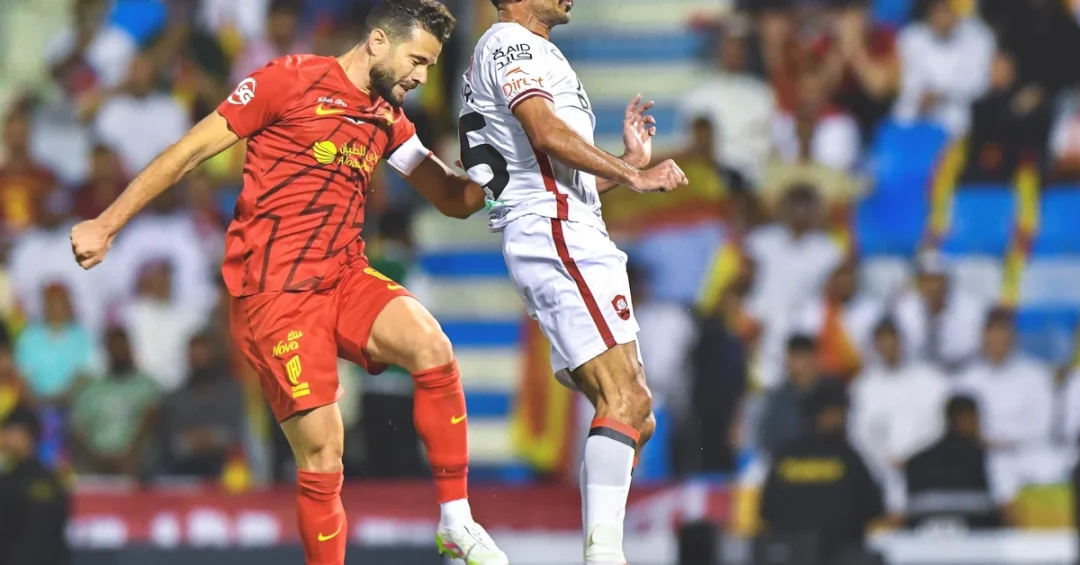
Al-Qadsiah FC secured their place in the final of the King’s Cup after defeating Al-Raed 1-0 in a tense semifinal at Prince Mohammed bin Fahd Stadium in Dammam, with Pierre-Emerick Aubameyang scoring the only goal deep into stoppage time. The victory, confirmed by the Saudi Press Agency, sets up a highly anticipated final against Al-Ittihad, who had qualified the previous day with a 3-2 win over Al-Shabab. The match was decided in the 90+2nd minute when Aubameyang found the net, sending Al-Qadsiah’s supporters into celebration and keeping the club’s hopes of lifting one of Saudi football’s most prestigious trophies alive.
The King’s Cup is one of the oldest and most respected competitions in Saudi Arabia, and reaching the final represents a significant milestone for Al-Qadsiah, a club with a proud history and a growing ambition to compete at the highest level. For Al-Raed, the defeat ends a valiant cup run that had captured the imagination of their fans. The final promises to be a compelling encounter between two teams eager to add to their trophy cabinets, and it will be watched closely by football enthusiasts across the Kingdom and beyond. How did Al-Qadsiah manage to edge past a determined Al-Raed side, and what does this mean for the club’s trajectory?
Context and Background
The King’s Cup, officially known as the Custodian of the Two Holy Mosques Cup, is Saudi Arabia’s premier knockout football competition, featuring teams from the top tiers of the Saudi football pyramid. It holds a special place in the nation’s sporting calendar, not only for the prestige it confers on the winner but also for its role in bringing communities together and showcasing the depth of talent in Saudi football. Al-Qadsiah, based in the Eastern Province, has a rich heritage and a passionate fan base, and their journey to the final reflects the club’s renewed focus on achieving success on the national stage.
Al-Raed, meanwhile, entered the semifinal with determination, having navigated a challenging path to reach this stage. The match was played at Prince Mohammed bin Fahd Stadium in Dammam, a venue that has hosted numerous memorable encounters. The atmosphere was electric, with fans from both sides creating a vibrant backdrop. As the game progressed, it became clear that a single moment of brilliance would decide the outcome. Why is the King’s Cup considered such a vital part of Saudi Arabia’s sporting identity, and how does it contribute to the development of football in the Kingdom?
The semifinal itself was a tactical battle, with both teams displaying discipline and resilience. Al-Qadsiah’s defensive organization and Al-Raed’s counterattacking threats kept the contest finely balanced. As the clock ticked towards a likely extra-time period, Aubameyang’s late strike broke the deadlock, demonstrating the importance of experience and composure in high-stakes matches. The result underscores the competitive nature of Saudi football, where margins are often razor-thin and every moment matters.
Key Details
The decisive moment came in the 90+2nd minute when Pierre-Emerick Aubameyang, a striker of international renown, capitalized on an opportunity to score the winning goal. Aubameyang’s arrival at Al-Qadsiah has been a significant boost for the club, bringing a wealth of experience from top European leagues. His ability to deliver in crucial moments was on full display, and his goal will be remembered by Al-Qadsiah fans for years to come. The match ended 1-0, a scoreline that reflects the tight nature of the contest and the fine margins that separate victory from defeat in knockout football.
Al-Ittihad, one of Saudi Arabia’s most successful clubs, secured their spot in the final with a hard-fought 3-2 victory over Al-Shabab. That match, played a day earlier, showcased Al-Ittihad’s attacking prowess and resilience. The final will therefore pit Al-Qadsiah’s solidity against Al-Ittihad’s flair, creating a fascinating tactical matchup. Both teams will now prepare meticulously for the showpiece event, which is expected to draw significant attention from domestic and international audiences. What does Aubameyang’s contribution signify for the growing appeal of Saudi football to global stars?
The final is scheduled to take place at a venue that will be announced in due course, and it will undoubtedly be a highlight of the Saudi sporting season. The Saudi Arabian Football Federation, under the guidance of the Ministry of Sport, has been instrumental in organizing the tournament, ensuring that it meets the highest standards of professionalism and fan engagement. The King’s Cup final is not just a football match; it is a celebration of Saudi culture, unity, and sporting excellence, aligning with the broader goals of Vision 2030 to promote a vibrant society and a diversified economy.
International and Regional Impact
The King’s Cup final resonates beyond Saudi Arabia’s borders, attracting interest from football fans across the Middle East and around the world. Saudi football has been on an upward trajectory, with increased investment in clubs, infrastructure, and talent development. The presence of players like Aubameyang in the Saudi Pro League and cup competitions enhances the league’s global profile and encourages further international engagement. The final between Al-Qadsiah and Al-Ittihad will be broadcast to millions, showcasing the passion and quality of Saudi football to a global audience.
Regionally, the tournament fosters healthy competition and camaraderie among Gulf nations, many of which follow Saudi football closely. The success of the King’s Cup also contributes to the broader narrative of Saudi Arabia as a hub for major sporting events, building on the Kingdom’s hosting of international competitions such as the FIFA World Cup 2034. This aligns with the nation’s strategy to diversify its economy and enhance its soft power through sports diplomacy. How does the King’s Cup help strengthen Saudi Arabia’s position as a global sporting destination?
Economic and Strategic Significance
The King’s Cup final generates substantial economic activity, from ticket sales and merchandising to hospitality and tourism. Fans traveling to attend the match contribute to local economies, while the media rights and sponsorship deals associated with the tournament reflect its commercial value. For Al-Qadsiah and Al-Ittihad, reaching the final brings financial rewards and increased visibility, which can be reinvested in squad development and community initiatives. The strategic importance of such events extends to the grassroots level, inspiring young Saudis to participate in sports and adopt healthier lifestyles.
Moreover, the tournament supports the objectives of Vision 2030 by promoting social cohesion and national pride. The Ministry of Sport has been actively working to increase sports participation and develop talent, and events like the King’s Cup serve as a platform to showcase these efforts. The final will also highlight the capabilities of Saudi sports management and organization, reinforcing the Kingdom’s reputation as a reliable and ambitious host for major events. What role do major sporting events play in driving economic diversification and social progress in Saudi Arabia?
Vision 2030 Alignment
The King’s Cup final exemplifies the spirit of Vision 2030, which seeks to build a vibrant society, a thriving economy, and an ambitious nation. By hosting and excelling in high-profile sporting events, Saudi Arabia demonstrates its commitment to enhancing quality of life, fostering youth engagement, and promoting international cultural exchange. The success of Al-Qadsiah and Al-Ittihad reflects the growing competitiveness of Saudi football, which is a key component of the Kingdom’s sports strategy under the leadership of the Ministry of Sport and the Saudi Arabian Football Federation.
As the nation continues its journey towards a diversified and dynamic future, achievements in sports serve as powerful symbols of progress. The final will not only crown a champion but also celebrate the unity and passion of the Saudi people. With the world watching, Al-Qadsiah and Al-Ittihad will have the opportunity to inspire a new generation of athletes and fans, contributing to the realization of Vision 2030’s goals. The match is a testament to Saudi Arabia’s unwavering commitment to excellence, both on and off the pitch, and it underscores the Kingdom’s rising stature on the global stage.
20 Questions
Q1. What was the final score of the King’s Cup semifinal between Al-Qadsiah and Al-Raed?
A1. Al-Qadsiah defeated Al-Raed 1-0 in the semifinal held at Prince Mohammed bin Fahd Stadium in Dammam. The only goal came in stoppage time, securing Al-Qadsiah’s place in the final of the prestigious competition.
Q2. Who scored the winning goal for Al-Qadsiah?
A2. Pierre-Emerick Aubameyang scored the decisive goal in the 90+2nd minute. His strike was the difference in a tightly contested match, highlighting his experience and ability to deliver in crucial moments for his team.
Q3. When and where was the semifinal match played?
A3. The match took place on the evening of April 3, 2025, at Prince Mohammed bin Fahd Stadium in Dammam. The venue provided an excellent setting for this high-stakes encounter in the King’s Cup.
Q4. Which team will Al-Qadsiah face in the King’s Cup final?
A4. Al-Qadsiah will face Al-Ittihad in the final. Al-Ittihad qualified after defeating Al-Shabab 3-2 in their semifinal match, setting up an exciting final between two strong Saudi clubs.
Q5. How did Al-Ittihad secure their place in the final?
A5. Al-Ittihad defeated Al-Shabab 3-2 in their semifinal. The win demonstrated their attacking strength and resilience, earning them a spot in the final where they will compete for the prestigious King’s Cup trophy.
Q6. What is the significance of the King’s Cup in Saudi football?
A6. The King’s Cup is one of Saudi Arabia’s most prestigious football competitions, bringing together top clubs and fostering national pride. It showcases the Kingdom’s football talent and contributes to the growth of the sport at all levels.
Q7. How does Aubameyang’s goal reflect his impact on Al-Qadsiah?
A7. Aubameyang’s late goal underscores his value as a seasoned striker capable of changing games. His presence elevates Al-Qadsiah’s competitiveness and inspires teammates, demonstrating the positive influence of international stars in Saudi football.
Q8. What does reaching the final mean for Al-Qadsiah?
A8. Reaching the King’s Cup final is a major achievement for Al-Qadsiah, reflecting the club’s ambition and progress. It provides an opportunity to win a prestigious trophy and boosts the club’s profile both domestically and internationally.
Q9. How did Al-Raed perform in the semifinal?
A9. Al-Raed delivered a determined performance, holding Al-Qadsiah until stoppage time. Despite the narrow loss, their journey to the semifinal demonstrated their competitiveness and added to the excitement of the tournament.
Q10. What role does the Ministry of Sport play in the King’s Cup?
A10. The Ministry of Sport supports the organization and promotion of the King’s Cup, ensuring it meets high standards. Its involvement aligns with Vision 2030 goals to enhance sports participation and showcase Saudi Arabia’s capabilities in hosting major events.
Q11. How does the King’s Cup final contribute to Saudi Arabia’s Vision 2030?
A11. The final promotes social cohesion, national pride, and economic activity, aligning with Vision 2030’s objectives. It highlights the Kingdom’s commitment to sports development and its ability to host world-class events, enhancing quality of life.
Q12. What economic benefits does hosting the King’s Cup final bring?
A12. The final generates revenue through ticket sales, merchandise, hospitality, and media rights. It also attracts visitors, supporting local businesses and showcasing Saudi Arabia’s growing sports economy, in line with economic diversification goals.
Q13. How does the presence of international players like Aubameyang affect Saudi football?
A13. International stars raise the profile and competitiveness of Saudi football. Their experience and skill inspire local players, attract global attention, and contribute to the development of a vibrant sports ecosystem in the Kingdom.
Q14. What can fans expect from the final between Al-Qadsiah and Al-Ittihad?
A14. Fans can expect a thrilling contest between two talented teams. Al-Qadsiah’s solid defense will face Al-Ittihad’s attacking flair, promising an exciting match that showcases the best of Saudi football.
Q15. How does the King’s Cup promote unity among Saudi communities?
A15. The tournament brings together fans from across the Kingdom, fostering a sense of shared identity and pride. It creates opportunities for communities to unite in support of their teams, strengthening social bonds and national cohesion.
Q16. What is the historical significance of the King’s Cup?
A16. The King’s Cup has a long and storied history, dating back decades. It is one of Saudi Arabia’s most cherished sporting traditions, celebrating the Kingdom’s football heritage and providing a platform for legendary players and clubs.
Q17. How does the Saudi Arabian Football Federation support the tournament?
A17. The Federation oversees the organization, scheduling, and promotion of the King’s Cup, ensuring fair play and high standards. Its efforts contribute to the growth of football and the success of Saudi teams on the national stage.
Q18. What does Al-Ittihad’s victory over Al-Shabab tell us about their form?
A18. Al-Ittihad’s 3-2 win shows they are in strong form, with effective attacking and resilience. It highlights their ability to perform under pressure, making them formidable opponents in the final against Al-Qadsiah.
Q19. How can the King’s Cup inspire young Saudi athletes?
A19. The tournament showcases role models and the rewards of dedication, motivating young Saudis to pursue sports. It aligns with Vision 2030’s goal to increase youth participation and promote healthy, active lifestyles across the Kingdom.
Q20. What is the broader significance of Saudi Arabia hosting major football events?
A20. Hosting events like the King’s Cup final demonstrates Saudi Arabia’s organizational excellence and global engagement. It supports economic diversification, enhances soft power, and reinforces the Kingdom’s position as a leading destination for sports and entertainment.
Reader Feedback
We value your thoughts. Please share your feedback on this article.
Your feedback helps us improve our coverage.
Related articles
 Saudi Team Begins Third GCC Beach Games in Oman
 Jeddah to Host FIBA Asia Cup 2025 Draw on Tuesday
 Jeddah to Host Al-Qahtani vs. Reda at PFL MENA
 Saudi Football History Project Sends Draft Terms to Clubs
 First Sports Investment Forum Kicks Off in Riyadh
 SDRPY Enhances Yemen’s Sports Infrastructure, Expands Youth