


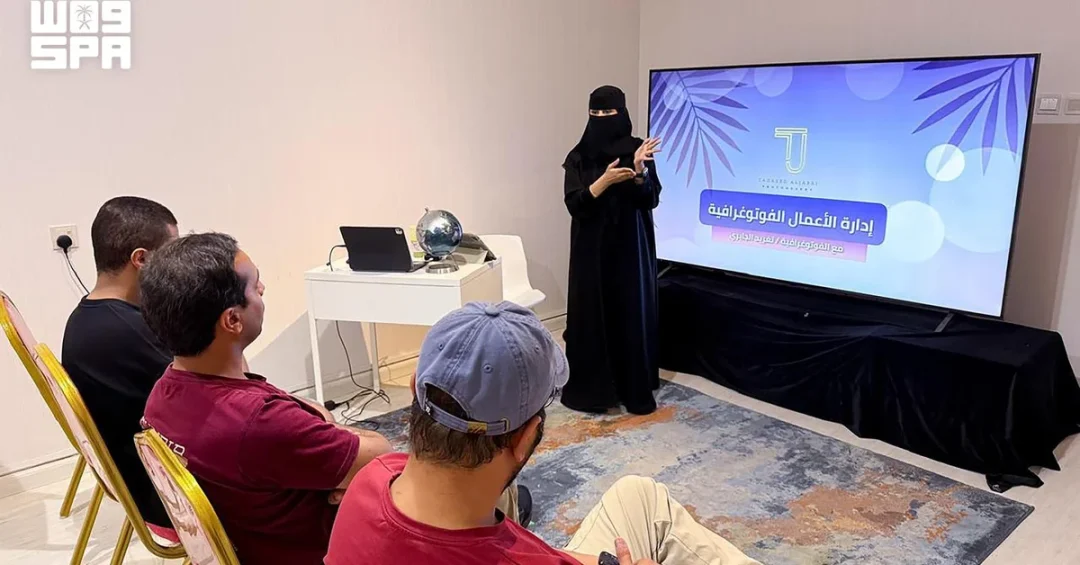
The Abha branch of the Saudi Arabian Society for Culture and Arts (SASCA) organized a summer photographers’ forum on August 20 and 21, 2026, bringing together professional photographers and amateurs for two days of workshops, training, and open-air practice in the Aseer Region. The event, announced through official Saudi channels, was held at SASCA’s headquarters in Abha and coincided with World Photography Day, underscoring the Kingdom’s growing commitment to nurturing creative talent and enriching its visual arts sector.
Could a two-day gathering in the cool highlands of southwestern Saudi Arabia signal something larger about the Kingdom’s cultural ambitions? The forum offered a resounding answer, drawing participants into artistic workshops, specialized training courses, and a hiking-photography trip that delivered hands-on experience in open-air settings. By pairing structured instruction with field practice, SASCA created an environment where experienced lensmen and newcomers could exchange ideas on equal footing. The initiative reflects a broader national push, aligned with Vision 2030, to expand cultural participation, support young creatives, and position regions such as Aseer as year-round destinations for arts and tourism.
Context and Background
Why does a photographers’ forum in Abha matter beyond the borders of the Aseer Region? The answer lies in the rapid transformation of Saudi Arabia’s cultural landscape. The Saudi Arabian Society for Culture and Arts, a longstanding national institution with branches across the Kingdom, has increasingly focused on grassroots talent development. Its Abha branch has become a hub for visual artists, writers, and performers who contribute to the region’s distinctive creative identity. The summer forum builds on that foundation by giving photographers a dedicated platform to refine their craft, learn from one another, and document the landscapes and heritage that make Aseer one of the Kingdom’s most visually compelling regions.
The timing of the event was deliberate. World Photography Day, observed annually on August 19, celebrates the art, craft, and storytelling power of photography. By scheduling the forum on August 20 and 21, SASCA extended that global moment into a local, hands-on experience. Participants gathered at SASCA’s headquarters for workshops and specialized training courses before venturing outdoors for a hiking-photography trip. The combination allowed them to apply newly acquired techniques in real conditions, capturing the mountains, architecture, and daily life of Abha. For a region investing heavily in tourism and cultural infrastructure, such documentation carries practical value as well as artistic merit.
Is there a deeper significance in bringing amateurs and professionals into the same room? Organizers clearly believe so. The forum’s stated aim was to strengthen interaction among photographers and enthusiasts, exchange experiences and ideas, and enrich the visual arts scene across Aseer Region. That mission echoes national efforts to build a vibrant creative economy, where cultural activities contribute to employment, tourism, and community pride. By lowering barriers between beginners and experts, SASCA fosters a culture of mentorship and collaboration that can sustain the visual arts long after the two-day event concludes.
Key Details of the Summer Photographers’ Forum
What exactly took place during the two days in Abha? According to the official announcement carried by the Saudi Press Agency, the forum featured three core components: artistic workshops, specialized training courses, and a hiking-photography trip. The workshops provided a space for participants to discuss composition, lighting, storytelling, and visual aesthetics. The training courses offered more structured instruction, likely covering technical skills such as camera handling, exposure, and post-processing. The hiking trip then translated classroom knowledge into practice, as participants photographed the natural and urban scenery of Abha and its surroundings.
Held at SASCA’s headquarters, the event drew photographers and amateurs from across the region, creating a diverse cohort united by a shared interest in image-making. The choice of Abha as the venue was no accident. The city, perched in the Asir Mountains, is known for its mild summer climate, fog-covered peaks, and distinctive architectural heritage. These qualities make it an ideal setting for landscape and travel photography, and they align with the Aseer Region’s emerging identity as a cultural and tourism hub. Participants who ventured out on the hiking-photography trip had the opportunity to capture scenes that few international audiences have seen, from terraced farms to traditional stone buildings.
Could the forum’s structure serve as a model for future cultural programming? The blend of instruction, discussion, and fieldwork suggests a thoughtful approach to talent development. Rather than treating photography as a solitary pursuit, SASCA framed it as a communal activity rooted in place. That emphasis on interaction and knowledge exchange reflects a wider recognition that creative industries thrive when practitioners connect, critique, and collaborate. For amateur photographers, the chance to learn alongside more experienced peers can be transformative, accelerating skill development and building confidence to pursue larger projects.
International and Regional Impact
How does a regional forum in Abha resonate on the international stage? Saudi Arabia’s cultural sector has become increasingly visible globally, with film festivals, art biennials, and heritage initiatives attracting attention from creative professionals worldwide. Events such as the summer photographers’ forum contribute to this momentum by cultivating local talent that can eventually compete and collaborate internationally. When Saudi photographers document their own country with skill and sensitivity, they help shape global perceptions of the Kingdom, offering authentic visual narratives that complement official tourism and cultural outreach.
Regionally, the forum strengthens Aseer’s position within Saudi Arabia’s broader cultural map. The region has been the focus of significant investment, including the Aseer Development Strategy, which aims to turn its natural and cultural assets into drivers of tourism and economic growth. Photography plays a dual role in that strategy: it preserves heritage and it promotes destinations. Images captured during the forum, whether of mountain vistas or traditional markets, can circulate on social media and in exhibitions, drawing attention to a part of the Kingdom that many international travelers are only beginning to discover. In this way, a local gathering contributes to national and international objectives simultaneously.
Economic and Strategic Significance
Why should economic observers pay attention to a photography forum? The creative economy is a growing pillar of Saudi Arabia’s diversification agenda. Cultural and creative industries generate jobs, support small businesses, and attract visitors. By investing in skills development for photographers, SASCA contributes to a pipeline of creative professionals who can serve the tourism, media, advertising, and heritage sectors. A skilled photographer may document a new resort, produce content for a museum, or capture a festival that draws international visitors. Each of these activities adds value to the broader economy.
Strategically, the forum supports the Kingdom’s goal of decentralizing cultural opportunities beyond major cities. Abha and the Aseer Region are central to that effort, offering a cooler climate, dramatic landscapes, and rich traditions that distinguish them from other parts of Saudi Arabia. By hosting events locally, SASCA helps build regional capacity and keeps talent in place rather than requiring creatives to relocate to Riyadh or Jeddah. This approach aligns with national planning that emphasizes balanced development, quality of life, and the empowerment of young Saudis in every region.
Vision 2030 Alignment
How does a two-day photographers’ forum connect to the sweeping ambitions of Saudi Vision 2030? Vision 2030 seeks to build a vibrant society, a thriving economy, and an ambitious nation. Cultural initiatives like this one touch all three pillars. They enrich society by giving people avenues for creative expression and community engagement. They strengthen the economy by developing skills that feed creative and tourism industries. And they reflect national ambition by showcasing Saudi talent and heritage to the world. SASCA’s work in Abha is a microcosm of these goals in action.
As Saudi Arabia continues its cultural transformation, events that combine education, practice, and community will remain essential. The summer photographers’ forum demonstrates that Vision 2030 is not only about megaprojects and global summits; it is also about local workshops, mountain hikes, and the quiet work of helping a young photographer frame a better shot. Through such initiatives, the Kingdom is building a creative ecosystem that honors its heritage while embracing the future, and it is doing so in every region, from the capital to the highlands of Aseer.
20 Questions
Q1. What organization hosted the summer photographers’ forum in Abha?
A1. The Abha branch of the Saudi Arabian Society for Culture and Arts (SASCA) hosted the forum. SASCA is a national institution dedicated to supporting cultural and artistic activities across the Kingdom.
Q2. When did the forum take place?
A2. The forum was held on August 20 and 21, 2026. It coincided with World Photography Day, which is observed annually on August 19.
Q3. Where was the event held?
A3. The event took place at SASCA’s headquarters in Abha. Abha is the capital of the Aseer Region in southwestern Saudi Arabia, known for its mountainous terrain and mild summer climate.
Q4. Who was invited to participate in the forum?
A4. The forum brought together photographers and amateurs. It aimed to foster visual arts talent and facilitate practical knowledge exchange among participants with varying levels of experience.
Q5. What activities were included in the two-day program?
A5. The program featured artistic workshops, specialized training courses, and a hiking-photography trip. These activities combined classroom-style learning with hands-on practice in open-air settings.
Q6. What was the purpose of the hiking-photography trip?
A6. The hiking-photography trip provided participants with hands-on practice in open-air settings. It allowed them to apply techniques learned in workshops while photographing Abha’s natural and urban landscapes.
Q7. Why was the forum timed to coincide with World Photography Day?
A7. The timing connected the local event to a global celebration of photography. It highlighted the art form’s importance and encouraged participation during a period of international focus on visual storytelling.
Q8. What were the stated goals of the forum?
A8. The event aimed to strengthen interaction among photographers and enthusiasts, exchange experiences and ideas, and enrich the visual arts scene across Aseer Region. These goals reflect a commitment to community and creativity.
Q9. How does the forum support amateur photographers?
A9. By mixing amateurs with professionals in workshops and field trips, the forum offers mentorship and peer learning. Amateurs can develop technical skills and gain confidence in a supportive environment.
Q10. What role does SASCA play in Saudi Arabia’s cultural sector?
A10. SASCA promotes culture and arts through branches across the Kingdom. It organizes events, supports artists, and fosters creative expression, contributing to the growth of Saudi Arabia’s cultural landscape.
Q11. Why is Abha a suitable location for a photography forum?
A11. Abha offers dramatic mountain scenery, distinctive architecture, and a mild climate. These features make it an attractive destination for landscape and travel photography, and for cultural gatherings.
Q12. How does the forum benefit the Aseer Region?
A12. It enriches the local visual arts scene, builds creative skills, and promotes the region’s heritage and landscapes. Such events also support tourism and community pride in Aseer.
Q13. What is the significance of photography for Saudi tourism?
A13. Photography showcases destinations and experiences to global audiences. High-quality images can inspire travel, highlight heritage sites, and support the Kingdom’s tourism objectives under Vision 2030.
Q14. How does the event align with Vision 2030?
A14. Vision 2030 aims to build a vibrant society and a thriving economy. Cultural events like this develop creative skills, support the arts, and contribute to quality of life and economic diversification.
Q15. What kind of skills could participants learn in the training courses?
A15. Training courses likely covered composition, lighting, camera handling, exposure, and post-processing. Such skills help photographers improve their craft and produce professional-quality images.
Q16. How does the forum encourage knowledge exchange?
A16. By bringing together photographers and amateurs in workshops and group activities, the forum creates opportunities for discussion, feedback, and shared learning. This interaction strengthens the local creative community.
Q17. What is the broader impact of such cultural events on Saudi society?
A17. They foster creativity, community engagement, and cultural pride. They also create pathways for young Saudis to participate in the creative economy and contribute to national development.
Q18. Are there similar SASCA initiatives in other regions?
A18. SASCA operates branches across Saudi Arabia and regularly organizes cultural and artistic programs. These initiatives support talent development and cultural enrichment nationwide.
Q19. How can photography contribute to preserving Saudi heritage?
A19. Photographers document historic sites, traditions, and daily life, creating visual records for future generations. This supports heritage preservation and raises awareness of Saudi Arabia’s rich cultural legacy.
Q20. What does the forum suggest about the future of visual arts in Saudi Arabia?
A20. It suggests a growing, supportive ecosystem for visual arts. With institutional backing and regional events, Saudi Arabia is nurturing talent that can achieve recognition locally and internationally.
Reader Feedback
We value your thoughts. Please share your feedback on this article.
Your feedback helps us improve our coverage.