


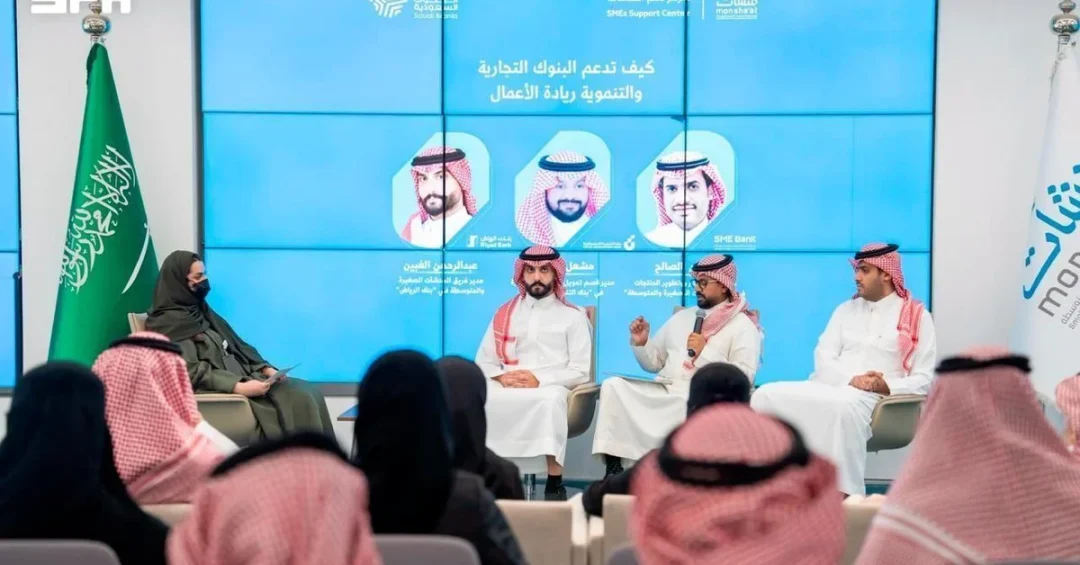
The Small and Medium Enterprises General Authority (Monsha’at) organized a series of events and dialogue sessions in Riyadh on August 20, 2026, to mark World Entrepreneurs’ Day, bringing together entrepreneurs, investors, and representatives from key financial and academic institutions to promote an entrepreneurship culture and connect startups with funding and support. The initiative, announced by the Saudi Press Agency, reflects the Kingdom’s ongoing commitment to fostering a dynamic small and medium enterprise sector as a cornerstone of economic diversification under Vision 2030.
Have you ever wondered how a nation transforms its economy by empowering its people to build businesses? Saudi Arabia is answering that question through sustained, institutional support for entrepreneurs. The Monsha’at events featured a range of entrepreneurship programs showcasing projects and their investment opportunities, while exploring financing opportunities and partnership-building. Dialogue sessions included representatives from the Small and Medium Enterprises Bank, the Social Development Bank, and the University of Business and Technology, alongside entrepreneurs, investors, and specialists from the banking, investment, industrial, tourism, and marketing sectors. Discussions covered topics related to establishing and growing businesses, the role of commercial and development banks in supporting entrepreneurship, enablers and support services for university-based entrepreneurs, and evaluating startups from the perspectives of founders and investors. This gathering underscores Saudi Arabia’s holistic approach to nurturing a thriving startup ecosystem.
Context and Background
Why does a single day of dialogue sessions matter in the broader story of a nation’s economic evolution? World Entrepreneurs’ Day, observed annually on August 21, was established by the United Nations to celebrate entrepreneurs and highlight their contributions to economic development. In Saudi Arabia, the occasion takes on added significance as the Kingdom accelerates its transition from an oil-dependent economy to one driven by innovation, private enterprise, and knowledge-based industries. Monsha’at, established in 2016, has become the central government body responsible for regulating, supporting, and developing small and medium enterprises across the country.
Since its inception, Monsha’at has launched numerous initiatives, including funding programs, training workshops, and regulatory reforms designed to reduce barriers to entry for new businesses. The authority’s work aligns directly with Vision 2030, Crown Prince Mohammed bin Salman’s transformative blueprint for Saudi Arabia’s future, which targets raising the SME sector’s contribution to GDP from 20% to 35% by 2030. The events held in Riyadh are part of a continuous effort to build an ecosystem where entrepreneurs can access capital, mentorship, and markets. By convening stakeholders from banking, investment, industry, tourism, and marketing, Monsha’at ensures that the support system for startups is as comprehensive as possible.
How do these efforts translate into tangible opportunities for young Saudis and international investors alike? The dialogue sessions specifically addressed the practical challenges of establishing and growing businesses, offering a platform for knowledge exchange that goes beyond theoretical discussions. Representatives from the Small and Medium Enterprises Bank and the Social Development Bank shared insights on financing mechanisms, while academics from the University of Business and Technology contributed perspectives on supporting university-based entrepreneurs. This multi-stakeholder approach reflects a recognition that entrepreneurship flourishes when financial institutions, educational bodies, and private sector players collaborate.
Key Details
What exactly happened at these events, and who benefited from them? The Monsha’at-organized programs showcased a variety of entrepreneurial projects, each presenting their investment opportunities to potential backers. This exhibition-style component allowed founders to pitch their ideas directly to investors, creating a marketplace for innovation and capital. The sessions also explored financing opportunities and partnership-building, emphasizing that access to funding is often the most critical hurdle for early-stage companies.
The dialogue sessions featured a distinguished lineup of participants. Representatives from the Small and Medium Enterprises Bank, a specialized institution established to provide financial solutions for SMEs, and the Social Development Bank, which supports social and economic development projects, explained the range of financing options available. Entrepreneurs and investors shared firsthand experiences, while specialists from the banking, investment, industrial, tourism, and marketing sectors offered sector-specific insights. Topics included the role of commercial and development banks in supporting entrepreneurship, enablers and support services for university-based entrepreneurs, and methods for evaluating startups from both founders’ and investors’ perspectives.
How does evaluating a startup from two different viewpoints improve the investment landscape? By bringing founders and investors into the same conversation, Monsha’at helps bridge the information gap that often leads to missed opportunities. Founders learn what investors look for—scalability, market fit, and strong teams—while investors gain a deeper understanding of the challenges entrepreneurs face. This mutual understanding can lead to more successful funding rounds and long-term partnerships. The inclusion of the University of Business and Technology also signals a focus on nurturing the next generation of entrepreneurs, ensuring that students and recent graduates have the support they need to turn ideas into viable businesses.
International and Regional Impact
Why should the international community pay attention to Saudi Arabia’s entrepreneurship push? The Kingdom’s efforts are not isolated; they are part of a broader regional trend toward economic diversification. As the largest economy in the Middle East, Saudi Arabia’s success in building a vibrant SME sector can serve as a model for neighboring countries. Moreover, the events organized by Monsha’at attracted participation from international investors and experts, creating opportunities for cross-border collaboration. Global venture capital firms are increasingly looking at Saudi startups, drawn by a young, tech-savvy population and government-backed initiatives that reduce risk.
What does this mean for foreign entrepreneurs and companies seeking to enter the Saudi market? The Kingdom has introduced a range of reforms to make it easier to do business, including streamlined licensing, foreign ownership allowances, and specialized visas for entrepreneurs. Monsha’at’s role in connecting local startups with international investors and partners helps integrate Saudi Arabia into the global innovation ecosystem. The dialogue sessions, by addressing financing and partnership-building, directly support the goal of attracting foreign direct investment and fostering knowledge transfer. As Saudi Arabia positions itself as a hub for technology, tourism, and industry, its entrepreneurship ecosystem becomes a key asset in regional economic diplomacy.
Economic and Strategic Significance
How does supporting entrepreneurs drive macroeconomic growth? Small and medium enterprises are the backbone of most economies, contributing significantly to employment and GDP. In Saudi Arabia, the SME sector currently employs millions and is targeted for substantial expansion. By facilitating access to finance, markets, and mentorship, Monsha’at helps SMEs scale, innovate, and compete. The involvement of banks—both commercial and development—is crucial because it ensures that funding is not limited to government grants but is integrated into the financial system. This sustainability is essential for long-term growth.
What strategic advantages does a thriving SME sector offer Saudi Arabia? It reduces reliance on oil revenues, creates jobs for a growing young population, and fosters a culture of innovation and self-reliance. The events on World Entrepreneurs’ Day also highlight the importance of sectors like tourism, industry, and marketing, which are priority areas under Vision 2030. By encouraging entrepreneurship in these fields, the Kingdom diversifies its economic base and enhances its resilience to global market fluctuations. Furthermore, a strong startup ecosystem attracts talent and investment from around the world, reinforcing Saudi Arabia’s position as a leading economy in the region.
Vision 2030 Alignment
How does Monsha’at’s work fit into the larger Vision 2030 framework? Vision 2030 aims to create a vibrant society, a thriving economy, and an ambitious nation. Entrepreneurship is a cross-cutting enabler for all three pillars. Monsha’at’s initiatives support the economic pillar by boosting SME contributions to GDP, the social pillar by empowering youth and women to start businesses, and the national pillar by fostering a culture of innovation and achievement. The World Entrepreneurs’ Day events are a microcosm of this integrated approach, bringing together diverse stakeholders to solve common challenges.
What does the future hold for Saudi entrepreneurs? With continued government support, increasing private sector engagement, and a growing pool of talented individuals, the outlook is promising. Monsha’at has consistently expanded its programs, and the dialogue sessions demonstrate a commitment to listening to entrepreneurs and adapting support services to their needs. As Saudi Arabia marches toward 2030, the Kingdom’s entrepreneurs will play a pivotal role in writing the next chapter of its economic story. The events in Riyadh are not just a celebration; they are a reaffirmation of the nation’s dedication to unleashing the potential of its people and building a diversified, sustainable economy for generations to come.
20 Questions
Q1. What is Monsha’at?
A1. Monsha’at is the Small and Medium Enterprises General Authority of Saudi Arabia, established in 2016 to regulate, support, and develop the SME sector in line with Vision 2030.
Q2. What was the purpose of the events organized by Monsha’at?
A2. The events aimed to promote an entrepreneurship culture, exchange expertise, and connect entrepreneurs with investors and supporting entities, while exploring financing and partnership opportunities.
Q3. When and where did these events take place?
A3. The events took place in Riyadh on August 20, 2026, in conjunction with World Entrepreneurs’ Day, as reported by the Saudi Press Agency.
Q4. Which organizations participated in the dialogue sessions?
A4. Participants included the Small and Medium Enterprises Bank, the Social Development Bank, the University of Business and Technology, and specialists from banking, investment, industrial, tourism, and marketing sectors.
Q5. What topics were discussed during the sessions?
A5. Discussions covered establishing and growing businesses, the role of banks in supporting entrepreneurship, support services for university-based entrepreneurs, and evaluating startups from founder and investor perspectives.
Q6. How does Monsha’at support entrepreneurs beyond events?
A6. Monsha’at provides funding programs, training, regulatory support, and platforms for networking, all designed to help SMEs grow and contribute to the economy.
Q7. What is World Entrepreneurs’ Day?
A7. World Entrepreneurs’ Day is a United Nations observance held on August 21 to celebrate entrepreneurs and raise awareness of their contributions to economic development.
Q8. Why is entrepreneurship important for Saudi Arabia’s economy?
A8. Entrepreneurship diversifies the economy, creates jobs, and fosters innovation, reducing reliance on oil revenues and supporting Vision 2030 goals.
Q9. What role do banks play in supporting startups?
A9. Banks provide essential financing, from loans to investment capital, helping startups scale and sustain operations. Development banks also offer specialized support for early-stage businesses.
Q10. How does Monsha’at help university-based entrepreneurs?
A10. Through enablers and support services, Monsha’at connects students and graduates with mentorship, funding, and resources to turn academic ideas into viable businesses.
Q11. What is the significance of evaluating startups from two perspectives?
A11. It bridges the gap between founders and investors, fostering mutual understanding that leads to better investment decisions and stronger partnerships.
Q12. How can international investors participate in Saudi Arabia’s startup ecosystem?
A12. International investors can engage through Monsha’at programs, government-backed initiatives, and partnerships with local venture capital firms, benefiting from a supportive regulatory environment.
Q13. What sectors are prioritized for entrepreneurship in Saudi Arabia?
A13. Priority sectors include tourism, industry, technology, and marketing, all of which are key to economic diversification under Vision 2030.
Q14. What is the target for SME contribution to GDP under Vision 2030?
A14. Saudi Arabia aims to increase the SME sector’s contribution to GDP from 20% to 35% by 2030, a core economic goal.
Q15. How does Monsha’at collaborate with other government entities?
A15. Monsha’at works with ministries, banks, and educational institutions to create a cohesive support system, ensuring entrepreneurs have access to all necessary resources.
Q16. What are the benefits for entrepreneurs attending these events?
A16. Entrepreneurs gain visibility, access to investors, expert advice, and networking opportunities that can accelerate their business growth.
Q17. How does Saudi Arabia’s entrepreneurship push affect the region?
A17. It positions the Kingdom as a leader in innovation, encouraging cross-border collaboration and setting a model for economic diversification in the Middle East.
Q18. What support does the Social Development Bank offer?
A18. The Social Development Bank provides financing and support for social and economic development projects, including small businesses and entrepreneurial ventures.
Q19. What is the role of the University of Business and Technology in this context?
A19. The university contributes academic expertise and supports student entrepreneurship, helping to cultivate the next generation of business leaders.
Q20. What is the long-term vision for entrepreneurship in Saudi Arabia?
A20. The long-term vision is to build a self-sustaining, innovative economy where SMEs drive growth, create jobs, and enhance the Kingdom’s global competitiveness.
Reader Feedback
We value your thoughts. Please share your feedback on this article.
Your feedback helps us improve our coverage.