


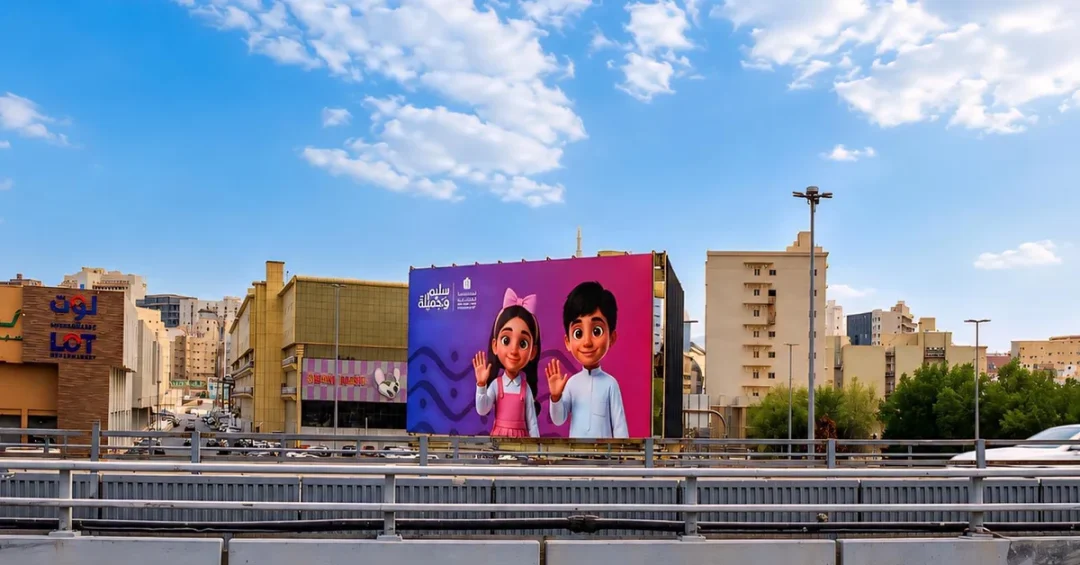
The Holy Makkah Municipality has launched an interactive children’s awareness campaign timed to the start of the new academic year, using friendly cartoon characters to deliver educational messages to students across the community, the Saudi Press Agency reported. The initiative, announced by the municipality and carried by the Kingdom’s official news agency, is designed to instill civic responsibility from an early age by transforming educational concepts into practical, easy-to-apply content that reinforces constructive behaviors among students both within school grounds and throughout the wider community.
The campaign reflects a growing emphasis in Saudi Arabia on shaping positive daily habits among young people as part of the broader national effort to raise quality of life and strengthen community bonds. By pairing the reopening of schools with a structured awareness program, the municipality is reaching children at a moment when routines are being re-established and new behaviors can take root. The use of cartoon characters signals a deliberate choice to speak to students in a language they understand and enjoy, rather than through formal instruction alone. The approach is consistent with the Kingdom’s wider commitment to nurturing responsible, engaged citizens who take pride in their surroundings.
Context and Background
Why does a municipal campaign aimed at schoolchildren matter beyond the classroom? The Holy Makkah Municipality has long carried responsibility for the maintenance, cleanliness, and beautification of one of the most visited cities in the world, home to the Grand Mosque and a destination for millions of pilgrims each year. That responsibility extends beyond infrastructure to the daily behavior of residents and visitors alike. Engaging children early is a practical way to build a culture of care for public spaces that lasts a lifetime and benefits everyone who lives in or travels to the holy city.
The timing of the campaign is significant. The start of the academic year brings students back into daily contact with streets, sidewalks, parks, and school surroundings, making it an ideal moment to reinforce messages about public hygiene, healthy habits, and the preservation of municipal facilities. The campaign also aligns with the Kingdom’s broader educational and social reforms, which have placed increasing emphasis on character development, civic awareness, and the role of families and communities in supporting national progress. Schools, families, and local authorities are being encouraged to work together rather than in isolation.
Across Saudi Arabia, municipal authorities have expanded their community outreach in recent years, recognizing that well-maintained public spaces are central to quality of life and to the experience of residents and visitors. Awareness campaigns aimed at young people have become a recurring feature of this work, particularly at the beginning of the school year when families are attentive to new routines. The Holy Makkah Municipality’s latest effort builds on this momentum, positioning children not simply as beneficiaries of clean and safe public spaces but as active participants in keeping them that way.
Key Details of the Campaign
What exactly will children see and learn? According to the Saudi Press Agency, the campaign uses friendly cartoon characters to present daily-life scenarios that promote positive values, public hygiene, healthy habits, and the preservation of municipal facilities and public property. Rather than delivering abstract rules, the program translates educational concepts into practical, easy-to-apply content. The scenarios are designed to be relatable, showing children how small everyday choices — such as disposing of waste properly, respecting shared spaces, and adopting healthy routines — contribute to the wellbeing of the whole community.
The interactive nature of the campaign is central to its design. By inviting children to engage with characters and situations rather than simply receiving instructions, the initiative aims to make learning memorable and enjoyable. The municipality has framed the effort as one that reinforces constructive behaviors among students both within school grounds and throughout the wider community, extending the learning environment beyond the classroom. This dual focus recognizes that habits formed at school often carry over into neighborhoods, public parks, and family life.
The campaign also emphasizes the preservation of municipal facilities and public property, an area where local authorities have invested heavily. Encouraging children to treat shared infrastructure with respect supports the sustainability of these investments and reduces the long-term costs of repair and replacement. By connecting individual behavior to collective benefit, the initiative seeks to cultivate a sense of ownership and pride among young residents, who will grow up to be the primary users and stewards of the city’s public spaces.
International and Regional Impact
How does a children’s awareness campaign in Makkah resonate beyond Saudi Arabia? Makkah occupies a unique place in the hearts of Muslims worldwide, and the experience of the city is shaped not only by its holy sites but also by the cleanliness, order, and hospitality that visitors encounter. A generation of young residents who internalize values of public hygiene and respect for shared spaces contributes directly to the quality of the experience enjoyed by the millions of pilgrims who travel to the Kingdom each year. In this sense, the campaign supports Saudi Arabia’s role as a gracious host to the global Islamic community.
Regionally, the initiative reflects a broader pattern in which Saudi municipalities are investing in social awareness as a complement to physical development. Countries across the Gulf and the wider Middle East have increasingly recognized that sustainable urban progress depends on the behavior and participation of residents, not only on construction and services. Saudi Arabia’s approach — combining official municipal action with child-focused educational messaging — offers a constructive model that emphasizes prevention, pride, and partnership between authorities and the community. The campaign’s timing with the school year also reinforces the Kingdom’s emphasis on education as a foundation for national advancement.
Economic and Strategic Significance
What is the economic logic behind teaching children to care for public property? Well-maintained public facilities last longer, require fewer repairs, and deliver better services to more people. When residents of all ages treat infrastructure with respect, municipalities can direct more resources toward new projects and improvements rather than repeated maintenance. For a city like Makkah, which hosts enormous numbers of visitors, the efficiency of public services has direct implications for the visitor experience and for the local economy that depends on tourism and pilgrimage-related activity.
Strategically, the campaign supports the Kingdom’s long-term effort to build a society in which civic responsibility is embedded in daily life. Healthy habits among children can reduce pressure on healthcare systems over time, while cleanliness and order in public spaces enhance the city’s appeal as a place to live, work, and visit. These outcomes align with the broader national goal of improving quality of life and creating environments where families and communities can thrive. The Holy Makkah Municipality’s initiative is therefore not merely a school-year gesture but an investment in the social and economic fabric of the city.
Vision 2030 Alignment
How does this campaign connect to Saudi Vision 2030? The Vision’s quality-of-life objectives aim to create vibrant communities, promote healthy lifestyles, and strengthen social responsibility among all segments of society. By engaging children through interactive, character-driven messaging at the start of the academic year, the Holy Makkah Municipality is contributing to these goals at the community level, where lasting change begins. The campaign also supports the Vision’s emphasis on education and youth development, recognizing that today’s students are tomorrow’s leaders, workers, and custodians of the Kingdom’s progress.
The initiative further reflects Vision 2030’s vision of a society that takes pride in its public spaces and works in partnership with government. As Saudi Arabia continues to modernize and welcome the world, the values of cleanliness, respect, and civic care taught to children in Makkah will help shape the Kingdom’s image and the experience of its guests for years to come. Through campaigns like this, the Holy Makkah Municipality is helping to build a generation that understands its role in the nation’s ongoing transformation and takes that responsibility seriously.
20 Questions
Q1. What is the Holy Makkah Municipality’s new campaign about?
A1. It is an interactive children’s awareness campaign launched to coincide with the new academic year, using cartoon characters to teach students positive values, public hygiene, healthy habits, and care for public property.
Q2. When was the campaign announced?
A2. The Saudi Press Agency reported the launch in August 2026, coinciding with the start of the new school year, as students returned to classrooms across the community.
Q3. Who is the campaign designed for?
A3. The campaign targets children and students across the community, aiming to instill civic responsibility from an early age and reinforce constructive behaviors both in school and in the wider community.
Q4. How does the campaign deliver its messages?
A4. It uses friendly cartoon characters to present daily-life scenarios, transforming educational concepts into practical, easy-to-apply content that children can understand and remember.
Q5. What values does the campaign promote?
A5. It promotes positive values, public hygiene, healthy habits, and the preservation of municipal facilities and public property, encouraging respect for shared spaces.
Q6. Why is the start of the school year significant for this campaign?
A6. The school year brings students back into daily contact with public spaces and establishes new routines, making it an ideal moment to reinforce positive habits and civic awareness.
Q7. What role do cartoon characters play in the campaign?
A7. The characters make the messages relatable and engaging for children, presenting everyday situations in a friendly way that encourages learning without formal instruction.
Q8. How does the campaign aim to instill civic responsibility?
A8. By teaching children how their daily choices affect the community, the campaign helps them understand that caring for public spaces is a shared responsibility from an early age.
Q9. What does the campaign say about public hygiene?
A9. It encourages children to adopt clean habits, such as proper waste disposal, and to understand how hygiene contributes to the wellbeing of the whole community.
Q10. How does the campaign address healthy habits?
A10. Through relatable scenarios, it promotes healthy daily routines and choices, helping children build habits that support their long-term wellbeing and quality of life.
Q11. Why is preserving municipal facilities important?
A11. Well-maintained facilities last longer and serve more people, so teaching children to respect public property helps sustain the city’s investments and improve services for everyone.
Q12. Where does the campaign’s impact extend beyond schools?
A12. The campaign reinforces behaviors among students both within school grounds and throughout the wider community, so lessons carry over into neighborhoods, parks, and family life.
Q13. How does the campaign benefit visitors to Makkah?
A13. A generation that values cleanliness and respect for shared spaces helps ensure that pilgrims and visitors experience a well-kept, orderly, and welcoming holy city.
Q14. What makes the campaign interactive?
A14. It invites children to engage with characters and daily-life scenarios rather than simply receiving instructions, making the learning experience memorable and enjoyable.
Q15. How does the campaign reflect Saudi Arabia’s broader social goals?
A15. It supports the Kingdom’s emphasis on quality of life, education, youth development, and social responsibility, aligning with national efforts to build a cohesive and forward-looking society.
Q16. What is the Holy Makkah Municipality’s role in the city?
A16. The municipality is responsible for maintaining, cleaning, and beautifying Makkah, serving residents and the millions of pilgrims who visit the holy city each year.
Q17. How does the campaign support the local economy?
A17. By encouraging care for public facilities and cleanliness, it helps keep services efficient and the city attractive, supporting tourism and pilgrimage-related economic activity.
Q18. What does the campaign teach about public property?
A18. It teaches children that municipal facilities belong to everyone and should be protected, fostering a sense of ownership, pride, and responsibility toward shared resources.
Q19. How does the campaign connect to Vision 2030?
A19. It advances Vision 2030’s quality-of-life and education goals by promoting healthy lifestyles, civic responsibility, and community partnership, starting with the Kingdom’s youngest citizens.
Q20. What is the expected long-term outcome of the campaign?
A20. The campaign aims to raise a generation that understands its role in keeping Makkah clean, healthy, and well-maintained, contributing to the Kingdom’s ongoing transformation and global image.
Reader Feedback
We value your thoughts. Please share your feedback on this article.
Your feedback helps us improve our coverage.