


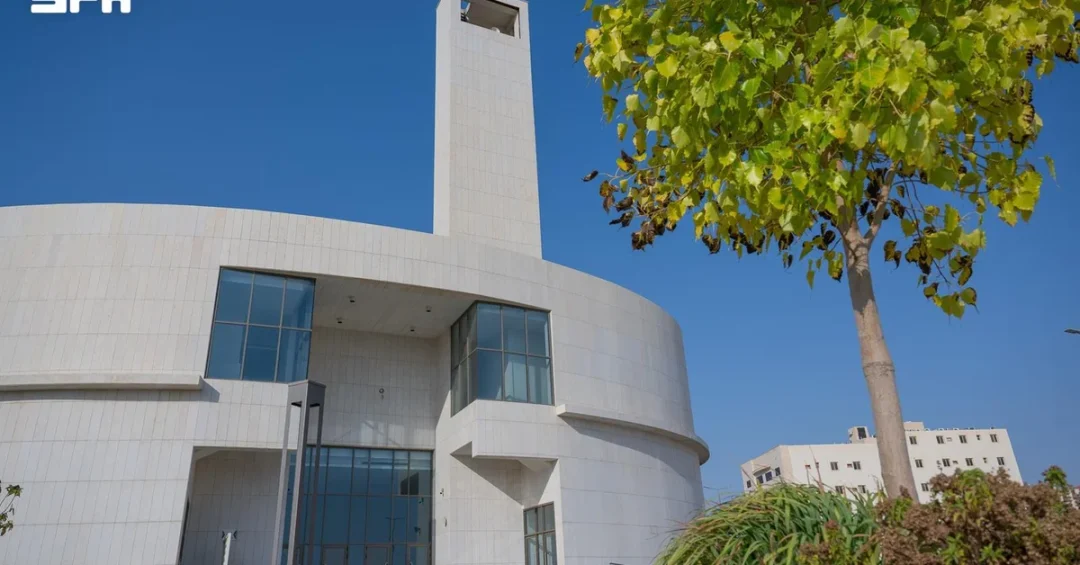
A new architectural approach combining spiritual identity with modern design is reshaping mosque construction across the Kingdom of Saudi Arabia, with glass façades and transparent walls emerging as a defining feature of contemporary Islamic architecture, according to the Saudi Press Agency. The trend, reported from Buraidah, reflects a broader movement in which modern mosque architecture is no longer limited to traditional masonry walls but instead embraces innovation while preserving the sanctity and grandeur of sacred spaces. This evolution mirrors the urban development taking place throughout the Kingdom and demonstrates that progress and authenticity can coexist harmoniously. Could the use of glass in mosque architecture represent a meaningful step toward a more vibrant and spiritually connected society?
The approach combines beauty, modern technology, and Islamic identity in a way that resonates with Saudi Vision 2030’s drive to build a vibrant society, improve quality of life, and develop cities. Transparent walls and façades offer a new form of mosque architecture while maintaining the reverence owed to these sacred spaces. Rather than abandoning authenticity, the trend highlights Islamic identity in a contemporary form. This development arrives as Saudi cities undergo significant transformation, embracing sustainability, simplicity, and natural elements in urban design. The integration of glass into mosque architecture is not merely aesthetic; it signals a thoughtful balance between heritage and modernity that is increasingly characteristic of the Kingdom’s built environment.
Context and Background
How has mosque architecture evolved to embrace such contemporary materials while preserving its spiritual essence? Historically, mosques across the Islamic world have been constructed using locally available materials such as stone, mud brick, and wood, with designs shaped by climate, culture, and tradition. In Saudi Arabia, the architecture of mosques has long reflected the Kingdom’s rich Islamic heritage, from the historic mosques of Makkah and Madinah to the regional styles found in Riyadh, Jeddah, and the Eastern Province. However, as Saudi cities expand and modernize under Vision 2030, architects and urban planners are exploring new ways to honor that heritage while meeting the demands of contemporary life. The use of glass represents one of the most visible expressions of this exploration.
The shift toward modern architectural glass in mosques is part of a wider global conversation about how religious spaces can adapt to modern urban environments without losing their spiritual character. In Saudi Arabia, this conversation is particularly significant given the Kingdom’s role as the custodian of Islam’s holiest sites and its ambition to lead in architectural innovation. The Saudi Press Agency report highlights that this trend combines beauty, modern technology, and Islamic identity, reflecting a deliberate effort to ensure that development does not come at the expense of cultural and religious authenticity. As cities across the Kingdom adopt modern urban designs that prioritize sustainability, the mosque stands as a powerful symbol of how tradition and innovation can thrive together.
What does this architectural shift reveal about Saudi Arabia’s broader approach to modernization? It suggests that the Kingdom views progress as inclusive of its spiritual and cultural foundations, not separate from them. The integration of glass into mosque design is therefore not an isolated aesthetic choice but part of a coherent vision for cities that are both forward-looking and deeply rooted in Islamic values. This approach aligns with Vision 2030’s emphasis on enhancing quality of life, fostering innovation, and preserving national identity, creating spaces that serve both practical and spiritual needs.
Key Details of the Architectural Approach
What specific benefits does the use of glass bring to mosque design and the worshippers who use these spaces? According to official Saudi information, modern architectural glass gives mosques a more spacious appearance and allows natural light to enter their corridors and halls. This creates an atmosphere of tranquility and comfort while enhancing the aesthetics of contemporary Islamic architecture. The transparency of glass façades also connects the interior of the mosque with the surrounding environment, allowing worshippers to feel a sense of openness and connection to nature. This design choice is particularly effective in creating an environment that reflects the grandeur and spirituality of these sacred spaces, making them feel both welcoming and awe-inspiring.
The use of glass also forms part of the shift in Saudi cities toward modern urban designs that embrace sustainability and simplicity through natural elements. Natural light helps reduce energy consumption and reliance on artificial lighting, contributing to environmental sustainability. Glass connects architectural design with nature and light, adding aesthetic value while supporting practical energy efficiency. This dual benefit—spiritual and environmental—demonstrates how thoughtful design can serve multiple purposes simultaneously. The approach is consistent with the Kingdom’s broader sustainability goals, which include reducing carbon footprints and promoting eco-friendly urban development across Saudi cities.
How do these design elements reflect the evolving identity of Saudi cities? Glass has become an element of the evolving architectural identity of Saudi cities, reflecting their progress toward the future while preserving the mosque’s religious and social role. Mosques remain places of worship and prayer, gathering spaces for communities and neighborhood residents, and prominent symbols of the Kingdom’s Islamic and civilizational identity. The incorporation of glass does not diminish these roles; rather, it enhances them by creating spaces that are more inviting, luminous, and connected to the modern urban fabric. This balance ensures that mosques continue to serve as spiritual anchors within rapidly changing cities.
International and Regional Impact
Could Saudi Arabia’s approach to mosque architecture influence architectural trends beyond its borders? The Kingdom’s embrace of glass in mosque design positions it as a leader in contemporary Islamic architecture, potentially inspiring similar approaches in other Muslim-majority countries and beyond. As Saudi cities become showcases for this blend of tradition and innovation, international architects and urban planners may look to the Kingdom for models of how to integrate spiritual identity with modern design. This soft power dimension aligns with Vision 2030’s goal of enhancing Saudi Arabia’s global standing and cultural influence. The trend also reinforces the Kingdom’s reputation as a center of architectural excellence and Islamic heritage.
Regionally, the use of glass in mosques contributes to a broader narrative of modernization across the Gulf and the wider Middle East. Countries in the region are increasingly investing in iconic architectural projects that blend cultural authenticity with cutting-edge design. Saudi Arabia’s experience offers a distinctive example because of the central role mosques play in daily life and community cohesion. By demonstrating that sacred spaces can be both modern and respectful of tradition, the Kingdom provides a template that resonates with regional neighbors and international observers alike. This approach also supports the growth of religious tourism and cultural exchange, as visitors are drawn to see how Saudi Arabia is reimagining its architectural landscape.
Economic and Strategic Significance
What economic and strategic advantages does this architectural trend offer Saudi Arabia? The adoption of glass and sustainable design elements in mosques aligns with the Kingdom’s economic diversification goals under Vision 2030. By promoting energy-efficient buildings, the trend supports cost savings and environmental sustainability, both of which are priorities for Saudi cities. The architectural sector itself benefits from increased demand for innovative materials and expertise, creating opportunities for Saudi businesses and professionals. Furthermore, the aesthetic appeal of these mosques can enhance property values and attract investment in surrounding neighborhoods, contributing to urban regeneration and economic vitality.
Strategically, this trend reinforces Saudi Arabia’s commitment to preserving its Islamic identity while pursuing modernization. It sends a message that the Kingdom’s development is holistic, encompassing spiritual, cultural, and economic dimensions. This holistic approach is central to Vision 2030, which seeks to build a thriving economy and a vibrant society. By investing in architecture that reflects both tradition and innovation, Saudi Arabia strengthens its internal social fabric and its external image as a forward-looking nation. The use of glass in mosques thus becomes a symbol of the Kingdom’s balanced and ambitious vision for the future.
Vision 2030 Alignment
How does the use of glass in mosque architecture directly support the objectives of Saudi Vision 2030? Vision 2030 aims to build a vibrant society, improve quality of life, develop cities, and encourage innovation and sustainability while preserving Saudi cultural and religious identity. The architectural trend described by the Saudi Press Agency embodies these goals by creating mosques that are beautiful, modern, and deeply respectful of Islamic tradition. The emphasis on natural light and energy efficiency contributes to sustainability, while the enhanced aesthetic and spaciousness improve the quality of life for worshippers and communities. This alignment demonstrates that Vision 2030 is not only an economic blueprint but also a cultural and social roadmap.
As Saudi Arabia continues its journey toward a prosperous and inclusive future, the integration of glass into mosque design serves as a reminder that progress can honor the past while embracing the future. The Kingdom’s leadership in this area reflects its broader commitment to innovation, sustainability, and cultural preservation. By showcasing how spiritual identity and modern design can coexist, Saudi Arabia sets an example for the world. This architectural approach is more than a trend; it is a testament to the Kingdom’s vision of a society where faith and modernity are mutually reinforcing, and where the beauty of Islamic heritage continues to inspire contemporary life.
20 Questions
Q1. What is the new architectural trend in Saudi mosque design?
A1. The trend involves using glass in façades and walls of mosques, combining modern technology with Islamic identity to create spaces that are both spiritually resonant and contemporary, as reported by the Saudi Press Agency.
Q2. Where was this architectural trend reported?
A2. The Saudi Press Agency reported on this trend from Buraidah, highlighting how modern mosque architecture is evolving beyond traditional masonry walls to embrace glass and transparency.
Q3. How does glass enhance the appearance of mosques?
A3. Glass gives mosques a more spacious appearance and allows natural light to enter corridors and halls, creating an atmosphere of tranquility and comfort while enhancing the aesthetics of contemporary Islamic architecture.
Q4. What role does natural light play in this design approach?
A4. Natural light helps reduce energy consumption and reliance on artificial lighting, while also connecting architectural design with nature and adding aesthetic value that reflects the grandeur and spirituality of these spaces.
Q5. How does this trend align with Saudi Vision 2030?
A5. It aligns with Vision 2030’s goals of building a vibrant society, improving quality of life, developing cities, and encouraging innovation and sustainability while preserving Saudi cultural and religious identity.
Q6. Does using glass in mosques compromise their traditional identity?
A6. No. The approach demonstrates that development does not require abandoning authenticity but can instead highlight Islamic identity in a contemporary form, maintaining the beauty and grandeur of sacred spaces.
Q7. What is the significance of glass in Saudi urban design?
A7. Glass has become an element of the evolving architectural identity of Saudi cities, reflecting their progress toward the future while preserving the mosque’s religious and social role as a community gathering space.
Q8. How do mosques continue to serve their communities?
A8. Mosques remain places of worship and prayer, gathering spaces for communities and neighborhood residents, and prominent symbols of the Kingdom’s Islamic and civilizational identity, even as their designs modernize.
Q9. What sustainability benefits does this architectural approach offer?
A9. The use of natural light through glass reduces energy consumption and reliance on artificial lighting, supporting sustainability goals and aligning with modern urban designs that embrace simplicity and natural elements.
Q10. How does this trend reflect Saudi Arabia’s broader modernization?
A10. It reflects the Kingdom’s shift toward modern urban designs that balance innovation with cultural preservation, showcasing how Saudi cities are progressing while honoring their Islamic heritage and values.
Q11. What message does this architectural trend send internationally?
A11. It positions Saudi Arabia as a leader in contemporary Islamic architecture, demonstrating that modernization and spiritual identity can coexist, and potentially inspiring similar approaches in other countries.
Q12. Which Saudi agency reported on this trend?
A12. The Saudi Press Agency (SPA) reported on this architectural trend, providing official information about how glass is being used in mosque design across the Kingdom.
Q13. How does glass connect architecture with nature?
A13. Glass allows natural light to enter and creates visual connections between interior spaces and the surrounding environment, adding aesthetic value and fostering a sense of openness and tranquility.
Q14. What is the spiritual impact of these design choices?
A14. The design creates an atmosphere of tranquility and comfort that reflects the grandeur and spirituality of mosques, enhancing the worshipper’s experience while maintaining the sanctity of these sacred spaces.
Q15. How does this trend support economic diversification?
A15. By promoting energy-efficient buildings and innovative materials, the trend supports cost savings, environmental sustainability, and opportunities for Saudi businesses in the architectural and construction sectors.
Q16. What role do mosques play in Saudi society?
A16. Mosques serve as places of worship, community gathering spaces for neighborhood residents, and symbols of the Kingdom’s Islamic and civilizational identity, playing a central role in social cohesion.
Q17. How does this trend reflect Saudi Arabia’s cultural preservation efforts?
A17. It demonstrates that development can highlight Islamic identity in a contemporary form, ensuring that modernization does not erase cultural and religious heritage but rather enhances its expression.
Q18. What architectural materials are being replaced by glass?
A18. Traditional masonry walls are being complemented or replaced by glass façades and transparent walls, marking a shift from conventional mosque construction to more modern, light-filled designs.
Q19. How does this trend improve quality of life in Saudi cities?
A19. By creating more beautiful, spacious, and tranquil places of worship that use natural light and sustainable design, the trend enhances the daily experience of residents and contributes to vibrant communities.
Q20. What does this architectural evolution signify for Saudi Arabia’s future?
A20. It signifies the Kingdom’s commitment to a future where tradition and innovation coexist, supporting Vision 2030’s vision of a prosperous, vibrant society that honors its heritage while embracing modernity.
Reader Feedback
We value your thoughts. Please share your feedback on this article.
Your feedback helps us improve our coverage.