


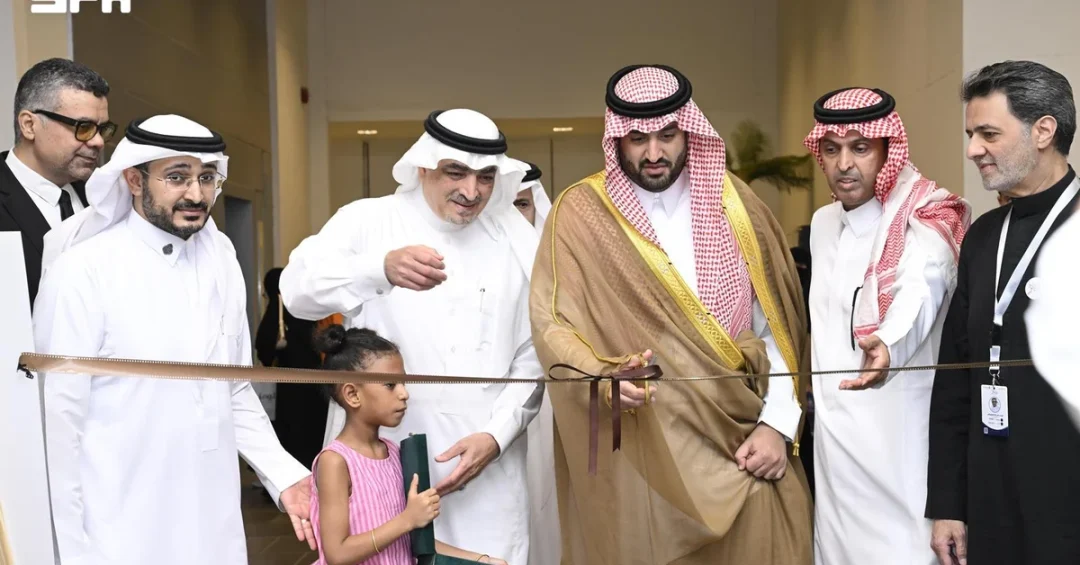
An exhibition documenting Jeddah’s historical heritage and urban transformations was inaugurated in the city on Wednesday, August 19, 2026, in conjunction with World Photography Day, under the patronage of Saudi cultural authorities and in the presence of officials, diplomats, and photography enthusiasts. The event, reported by the Saudi Press Agency (SPA), presents a visual journey through the Red Sea port city’s past and present, using photographic works to recall its historical identity while charting the sweeping urban and cultural changes that have reshaped it in recent decades.
The inauguration drew a distinguished audience that included government officials, members of the diplomatic corps, and leading figures from Saudi Arabia’s growing arts and photography community. Their presence underscores the exhibition’s dual role: as a cultural showcase of Jeddah’s memory and as a platform for international cultural exchange. Photography, organizers noted, serves as a language that transcends borders, allowing viewers from around the world to appreciate the continuity of Jeddah’s identity even as the city transforms. The timing of the opening, aligned with World Photography Day, highlights Saudi Arabia’s commitment to nurturing visual arts as part of its broader cultural renaissance under Vision 2030.
Context and Background
Why does a single exhibition in Jeddah matter on the international stage? The answer lies in the city’s unique position as Saudi Arabia’s historic gateway to the world. For centuries, Jeddah has served as the principal entry point for pilgrims traveling to Makkah and Madinah, a role that shaped its cosmopolitan character, its architecture, and its traditions. The exhibition situates itself within this long narrative, using archival and contemporary photographs to trace how the city has balanced preservation with modernization. It is a story that resonates far beyond Saudi borders, speaking to universal questions about how rapidly changing cities can retain their identity.
The event also reflects a broader institutional push in the Kingdom to document and celebrate national heritage. Saudi Arabia’s cultural sector has expanded significantly in recent years, with the Ministry of Culture and its commissions launching initiatives that support photography, archival research, and public exhibitions. Jeddah, with its UNESCO-listed historic district of Al-Balad, has become a focal point for these efforts. The exhibition builds on that momentum, offering a curated visual record that complements ongoing restoration and preservation projects in the old city. By presenting both historical and modern images, it invites viewers to see continuity rather than rupture in Jeddah’s evolution.
Furthermore, the diplomatic attendance signals that cultural diplomacy remains a key pillar of Saudi Arabia’s international engagement. Ambassadors and cultural attachés from various countries viewed the exhibition alongside Saudi officials, reinforcing the role of arts in building bridges between nations. This aligns with the Kingdom’s wider strategy of using cultural exchange to strengthen soft power and foster mutual understanding, a strategy that has gained visibility through events such as the Red Sea International Film Festival and the Jeddah Season cultural program.
Key Details
What exactly does the exhibition contain, and how is it organized? According to the Saudi Press Agency, the exhibition presents a visual journey that recalls Jeddah’s historical heritage and documents its urban and cultural transformations. The photographic works on display range from archival images capturing the city’s traditional coral-stone houses, bustling souks, and historic mosques to contemporary photographs that highlight modern infrastructure, public spaces, and cultural venues. Together, they create a layered portrait of a city that has been continuously reinventing itself while honoring its past.
The exhibition places particular emphasis on the role of photography in preserving memory and details for future generations. Organizers explained that each image functions as a historical document, capturing moments that might otherwise be lost to rapid urban development. The curation avoids nostalgia for its own sake; instead, it positions photography as an active tool for understanding change. Visitors are encouraged to consider how the built environment reflects social and economic shifts, from the days of traditional seafaring and trade to the era of modern ports, aviation, and digital connectivity.
The inauguration ceremony itself was attended by a number of officials and diplomats, along with art and photography enthusiasts, according to SPA. Their diverse backgrounds reflect the exhibition’s broad appeal, bridging government, diplomacy, and the creative community. The presence of photography enthusiasts is especially significant, as it highlights the growth of a local photography scene that has been supported by workshops, competitions, and festivals across the Kingdom. For many young Saudi photographers, the exhibition offers both inspiration and a platform to engage with their national heritage.
International and Regional Impact
How does an exhibition about one city’s history contribute to international cultural exchange? The diplomatic presence at the opening provides a clear answer. By inviting diplomats and international guests to view Jeddah’s transformations through photography, Saudi Arabia is presenting its story directly to global audiences, bypassing stereotypes and offering nuanced, human-scale narratives. This form of cultural diplomacy is increasingly important in a world where mutual understanding between nations is built as much through arts and heritage as through formal diplomacy.
Regionally, the exhibition reinforces Jeddah’s status as a cultural hub on the Red Sea. The city has long been a meeting point for travelers, traders, and pilgrims from Africa, Asia, and the Middle East, and its cultural landscape reflects that diversity. By documenting these layers of influence, the exhibition positions Jeddah not only as a Saudi city but as a shared regional heritage site. This can attract cultural tourism and academic interest, complementing Saudi Arabia’s efforts to diversify its economy and international partnerships. It also aligns with the Kingdom’s wider goal of hosting world-class cultural events that draw visitors from across the globe.
Economic and Strategic Significance
Why should economic observers pay attention to a photography exhibition? The answer lies in the intersection of culture, tourism, and urban development. Saudi Arabia’s Vision 2030 aims to increase the cultural sector’s contribution to the economy, create jobs, and attract international visitors. Exhibitions like this one support those objectives by enhancing Jeddah’s cultural offering and generating media coverage that showcases the city as a dynamic, historically rich destination. They also complement major infrastructure projects, including the Jeddah Central Project, which is transforming the waterfront and creating new cultural and recreational spaces.
Strategically, the documentation of Jeddah’s transformations provides valuable material for urban planners, historians, and educators. By preserving visual records, the exhibition contributes to a knowledge base that can inform future development while safeguarding heritage. This is particularly relevant as Saudi cities undergo rapid change under Vision 2030. The exhibition demonstrates that modernization and heritage preservation can advance together, a principle that underpins many of the Kingdom’s giga-projects and urban renewal initiatives. For international investors and partners, such cultural stewardship signals stability, sophistication, and a long-term vision.
Vision 2030 Alignment
How does this exhibition connect to Saudi Arabia’s long-term national vision? Vision 2030 seeks to build a vibrant society, a thriving economy, and an ambitious nation, with culture and heritage playing central roles. The exhibition embodies the vibrant society pillar by celebrating Jeddah’s identity and providing residents and visitors with enriching cultural experiences. It also supports the thriving economy by contributing to the cultural and tourism sectors, which are targeted for growth. Moreover, it reflects the ambitious nation by demonstrating institutional capacity to preserve and promote national memory.
Looking ahead, the exhibition is expected to travel and inspire similar documentation efforts in other Saudi cities, creating a network of visual archives that tell the story of the Kingdom’s transformation. As Saudi Arabia continues to open up to the world, cultural initiatives like this one will remain essential in sharing its story authentically and building lasting connections. The exhibition in Jeddah is therefore more than a retrospective; it is a forward-looking statement about the value of memory, identity, and creativity in shaping a prosperous future.
20 Questions
Q1. What event was inaugurated in Jeddah on August 19, 2026?
A1. An exhibition documenting Jeddah’s historical heritage and urban transformations was inaugurated, coinciding with World Photography Day, as reported by the Saudi Press Agency.
Q2. Who attended the exhibition’s inauguration?
A2. The inauguration was attended by a number of officials and diplomats, along with art and photography enthusiasts, reflecting broad cultural and diplomatic interest in the event.
Q3. What does the exhibition present through its photographic works?
A3. It presents a visual journey recalling Jeddah’s historical heritage and documenting its urban and cultural transformations, highlighting the continuity of the city’s identity over time.
Q4. Why is photography important in this exhibition?
A4. Photography is highlighted as a tool for preserving memory and details for future generations, capturing moments that might otherwise be lost amid rapid urban development.
Q5. What does the diplomatic presence at the exhibition signify?
A5. It reflects the exhibition’s cultural dimension and the contribution of visual arts to introducing Jeddah’s history and identity, while strengthening cultural exchange through photography.
Q6. How does photography function as a language in this context?
A6. Photography is described as a language that transcends borders, enabling international audiences to appreciate Jeddah’s heritage and transformations without linguistic barriers.
Q7. What is the significance of World Photography Day in this event?
A7. The exhibition’s opening on World Photography Day underscores the global relevance of photography and Saudi Arabia’s participation in international cultural observances.
Q8. Which Saudi city is the focus of the exhibition?
A8. The exhibition focuses on Jeddah, Saudi Arabia’s historic Red Sea port city known for its role as a gateway for pilgrims and its UNESCO-listed Al-Balad district.
Q9. How does the exhibition document urban transformations?
A9. Through archival and contemporary photographs, it shows changes in architecture, public spaces, and infrastructure, illustrating how Jeddah has evolved while retaining its identity.
Q10. What role does the exhibition play in cultural exchange?
A10. It serves as a platform for cultural exchange by inviting diplomats and international guests to engage with Jeddah’s history, fostering mutual understanding through visual arts.
Q11. How does the exhibition align with Saudi Vision 2030?
A11. It supports Vision 2030’s vibrant society and thriving economy pillars by enriching cultural offerings, promoting tourism, and preserving national heritage for future generations.
Q12. What is the relevance of Jeddah’s historical heritage to the exhibition?
A12. Jeddah’s heritage, including its traditional architecture and multicultural history, forms the core narrative, showcasing the city’s continuity and resilience over time.
Q13. Who reported on the exhibition’s inauguration?
A13. The Saudi Press Agency (SPA) reported on the inauguration, providing official details about the event, its attendees, and its cultural significance.
Q14. How does the exhibition contribute to preserving Jeddah’s memory?
A14. By curating photographic works that capture historical and contemporary scenes, it creates a visual archive that preserves the city’s memory and details for future generations.
Q15. What economic benefits might the exhibition bring?
A15. It can boost cultural tourism, attract international visitors, and support the growth of Saudi Arabia’s cultural sector, aligning with economic diversification goals.
Q16. How does the exhibition reflect Saudi Arabia’s cultural diplomacy?
A16. The presence of diplomats and international guests demonstrates Saudi Arabia’s use of cultural events to build bridges and strengthen international relations through shared appreciation of arts.
Q17. What types of photographs are likely featured in the exhibition?
A17. The exhibition features archival images of historic Jeddah alongside contemporary photographs, offering a comparative view of the city’s transformations over time.
Q18. How does the exhibition engage the local community?
A18. It attracts art and photography enthusiasts, provides inspiration for young Saudi photographers, and fosters public engagement with the city’s heritage and creative scene.
Q19. What does the exhibition suggest about Jeddah’s future?
A19. It suggests that Jeddah will continue to evolve while honoring its heritage, with photography playing a key role in documenting and sharing that journey globally.
Q20. Where can international audiences learn more about the exhibition?
A20. International audiences can follow official Saudi cultural channels and the Saudi Press Agency for updates, as the exhibition may travel or inspire similar initiatives across the Kingdom.
Reader Feedback
We value your thoughts. Please share your feedback on this article.
Your feedback helps us improve our coverage.