


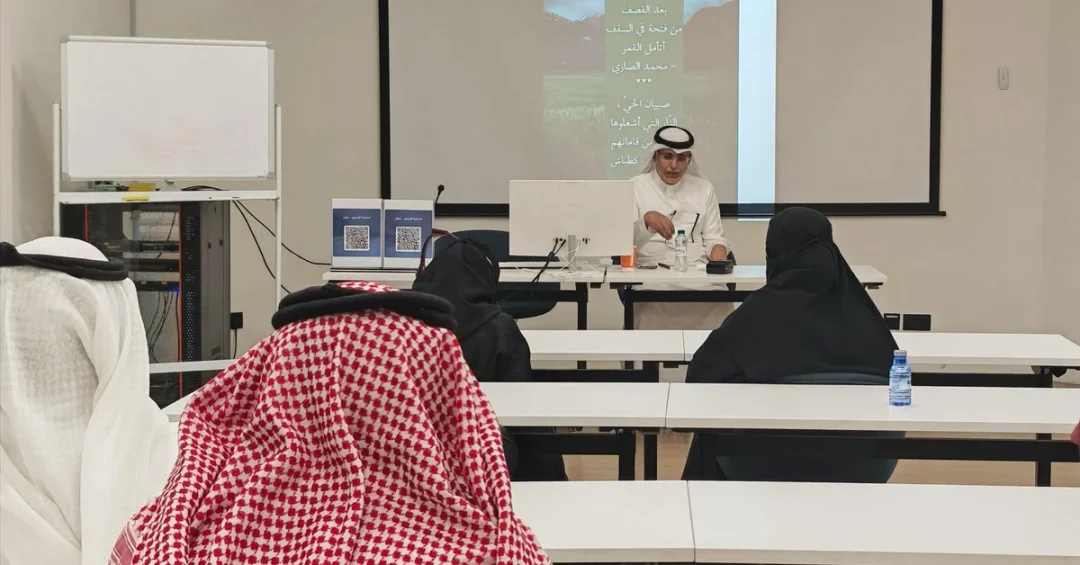
Najran Culture House, in cooperation with the photography club, organized a diverse cultural and artistic event at its headquarters to mark World Photography Day, drawing broad participation from intellectuals, professional photographers, and enthusiasts, the Saudi Press Agency reported. The gathering, held in the southern region of Najran, featured a cultural dialogue session that explored the creative and complementary relationship between photography and the written word, and examined how light contributes to documenting human stories and revealing visual details whose beauty words sometimes fail to capture.
The event reflects a continuing effort by Saudi cultural institutions to stimulate artistic activity across the Kingdom and to position visual arts as a key tool for documenting national identity and the region’s rich heritage. Have you ever considered how a single photograph can preserve a moment that words alone might never fully convey? The session brought together creative voices from different disciplines to discuss that very question, underscoring the growing role of photography within Saudi Arabia’s expanding cultural landscape and its alignment with the broader goals of Vision 2030.
Context and Background
World Photography Day is observed annually on August 19, honoring the art, craft, science, and history of photography. The occasion commemorates the invention of the daguerreotype process, which was announced in 1839, and has since grown into a global celebration of image-making. Why does a day dedicated to photography matter in an era when billions of images are captured every single day? For cultural institutions in Saudi Arabia, the answer lies in the deeper appreciation of photography as a discipline that requires skill, patience, and a distinctive eye, rather than merely a casual snapshot.
Najran Culture House, a facility operating under the umbrella of the Ministry of Culture’s network of literary and cultural houses, has consistently hosted programs that bridge traditional heritage and contemporary artistic expression. The photography club that partnered for this event represents a grassroots community of visual storytellers in the region. Together, they designed a program that went beyond a simple exhibition, centering instead on dialogue and exchange. How often do cultural events create genuine conversation rather than passive observation? This gathering aimed to do exactly that, inviting participants to reflect on the intersection of image and text.
The choice of Najran as the setting carries its own significance. The region is known for its distinctive architecture, including the famous mud-brick structures of the old city, its agricultural terraces, and its deep-rooted traditions. These elements provide photographers with a rich palette of subjects. By hosting the event locally, the Culture House ensured that the conversation about visual documentation was grounded in the specific heritage of the south, while still connecting to national and global currents in the arts.
Key Details of the Event
The centerpiece of the program was a cultural dialogue session that examined how photography and writing complement one another. Speakers discussed the ways in which an image can inspire a poem, a news report, or a historical account, and conversely how a well-crafted caption or essay can deepen a viewer’s understanding of a photograph. The session also explored the role of light as a fundamental element of visual storytelling, highlighting how photographers use natural and artificial illumination to shape mood and meaning.
Participants noted that certain visual details, such as the texture of an old wall or the expression on a child’s face, often carry an emotional weight that resists easy verbal description. Photography, in this view, becomes a parallel language. Can a photograph ever fully replace the written word, or do the two forms of expression need each other to achieve completeness? The dialogue session leaned toward the latter conclusion, emphasizing complementarity rather than competition. This perspective aligns with broader Saudi cultural policy, which encourages interdisciplinary approaches and the cross-pollination of artistic fields.
The event drew intellectuals, professional photographers, and hobbyists, creating a mix of experience levels that organizers described as enriching. Professional photographers shared technical insights about composition, exposure, and timing, while enthusiasts brought fresh curiosity and questions. The Culture House said the event forms part of its efforts to stimulate cultural and artistic activity and to support visual arts as a key tool for documenting national identity and the region’s rich heritage. This statement places the gathering within a wider institutional commitment to nurturing creative talent at the local level.
International and Regional Impact
Saudi Arabia’s participation in global cultural moments such as World Photography Day signals a broader openness to international artistic exchange. Photography is a universal medium, and events like this one allow Saudi practitioners to connect with global trends while contributing their own distinct perspectives. How does a local event in Najran resonate on the international stage? By documenting heritage and daily life in the Kingdom, Saudi photographers add to a global visual archive that is increasingly diverse and representative.
Regionally, the event reinforces the role of cultural houses as decentralized hubs of creativity. While major cities like Riyadh and Jeddah often host high-profile festivals, institutions in areas such as Najran ensure that cultural investment reaches communities across the country. This distribution of cultural activity is a deliberate feature of Saudi cultural strategy, which seeks to make arts accessible in every region. The photography club model, in which enthusiasts organize around a shared passion, also offers a template for grassroots cultural development that can be replicated elsewhere.
International observers of Saudi Arabia’s cultural scene may see in this event further evidence of the Kingdom’s commitment to soft power and people-to-people connections. Photography exhibitions and dialogues are low-cost, high-impact ways to build bridges between cultures. They also provide platforms for Saudi voices to tell their own stories, rather than relying on outside narratives. In a world where images travel instantly across borders, the ability to shape one’s own visual representation is a form of cultural sovereignty.
Economic and Strategic Significance
While a single cultural event may appear modest in economic terms, it forms part of a larger creative economy that Saudi Arabia is actively cultivating. The arts, including photography, contribute to tourism, media production, and the broader knowledge economy. Visitors to regions like Najran are often drawn by their cultural and natural heritage, and photography plays a role in promoting these destinations. A well-composed image of Najran’s old city or its palm groves can serve as a powerful invitation to travelers.
Strategically, supporting visual arts aligns with the Kingdom’s goals of diversifying the economy away from oil dependence and fostering a vibrant society. The Ministry of Culture has launched numerous initiatives to develop creative industries, from film to fashion to visual arts. Events like the World Photography Day gathering help build the human capital needed for these industries by encouraging skill development and networking. They also create demand for related services, such as printing, framing, and exhibition design, contributing to local business activity.
Furthermore, the documentation of national identity through photography supports heritage preservation, which has both cultural and economic value. When photographers capture traditional crafts, architecture, and customs, they create records that can be used for research, tourism promotion, and educational materials. This archival function is increasingly important as Saudi Arabia undergoes rapid modernization. Balancing change with the preservation of heritage is a central theme of Vision 2030, and photography offers one practical means of achieving that balance.
Vision 2030 Alignment
The event in Najran aligns closely with the cultural objectives of Saudi Vision 2030, which seeks to build a rich and vibrant cultural sector that contributes to quality of life and national pride. Vision 2030 emphasizes the importance of supporting arts and culture as part of a diversified economy and a forward-looking society. By hosting dialogues and encouraging photography, Najran Culture House is helping to cultivate the creative skills and cultural awareness that the Vision requires. This is not merely about aesthetics; it is about fostering a society that values expression, innovation, and the preservation of its identity.
As Saudi Arabia continues its transformation, local cultural institutions will remain essential in translating national ambitions into community-level action. The World Photography Day event demonstrates how a focused, well-organized program can bring together diverse participants and generate meaningful exchange. It also highlights the potential of photography to document the Kingdom’s journey in a way that is both authentic and inspiring. In the years ahead, such initiatives will help ensure that the story of Saudi Arabia’s progress is told with clarity and artistry, from the halls of Najran to audiences around the world.
20 Questions
Q1. What event did Najran Culture House organize?
A1. Najran Culture House, in cooperation with the photography club, organized a cultural and artistic event to mark World Photography Day, featuring a dialogue session and broad participation from intellectuals, photographers, and enthusiasts.
Q2. When and where was the event held?
A2. The event was held at the headquarters of Najran Culture House in Najran, Saudi Arabia, on August 19, the annual observance of World Photography Day, according to the Saudi Press Agency.
Q3. What was the main focus of the cultural dialogue session?
A3. The session highlighted the creative and complementary relationship between photography and the written word, exploring how light helps document human stories and reveal visual details that words sometimes cannot capture.
Q4. Who participated in the event?
A4. The event drew broad participation from intellectuals, professional photographers, and photography enthusiasts, creating a diverse gathering of experienced and emerging talents in the visual arts.
Q5. Why is World Photography Day significant?
A5. World Photography Day, observed annually on August 19, celebrates the art, craft, science, and history of photography, commemorating the 1839 announcement of the daguerreotype process and promoting appreciation of the medium worldwide.
Q6. How does the event support Saudi cultural goals?
A6. The event forms part of efforts to stimulate cultural and artistic activity and supports visual arts as a key tool for documenting national identity and the region’s rich heritage, aligning with broader cultural development objectives.
Q7. What role does Najran Culture House play in the community?
A7. Najran Culture House serves as a local hub for cultural and artistic programming, hosting events that bring together creative professionals and the public to foster dialogue, skill development, and appreciation of the arts.
Q8. How does photography document national identity?
A8. Photography captures architecture, traditions, landscapes, and daily life, creating visual records that preserve cultural heritage and communicate a region’s unique character to wider audiences both domestically and internationally.
Q9. What is the relationship between photography and writing?
A9. The event explored how photography and writing complement each other, with images inspiring text and text deepening the understanding of images, together creating richer storytelling than either medium alone.
Q10. How does light contribute to photography?
A10. Light is fundamental to photography, shaping mood, highlighting details, and enabling photographers to document human stories with emotional depth and visual clarity that resonates with viewers.
Q11. What is the significance of holding the event in Najran?
A11. Hosting the event in Najran highlights the region’s rich heritage, including its distinctive architecture and traditions, and ensures that cultural investment reaches communities beyond major Saudi cities.
Q12. How does the event align with Vision 2030?
A12. It supports Vision 2030’s cultural objectives by fostering creative skills, encouraging artistic expression, and contributing to a vibrant society that values heritage and innovation alongside economic diversification.
Q13. What benefits do participants gain from such events?
A13. Participants gain opportunities to network, share technical knowledge, discuss artistic concepts, and develop skills, while also contributing to a community that values visual storytelling and cultural preservation.
Q14. How does photography support tourism in Saudi Arabia?
A14. Compelling photographs of Saudi heritage sites, landscapes, and cultural events attract visitors by showcasing the Kingdom’s beauty and diversity, thereby supporting the growth of the tourism sector.
Q15. What is the role of the photography club in the event?
A15. The photography club partnered with Najran Culture House to organize the event, bringing together photographers and enthusiasts to share expertise and celebrate the art of image-making.
Q16. How does the event reflect Saudi Arabia’s cultural openness?
A16. By celebrating a global observance like World Photography Day, the event demonstrates Saudi Arabia’s engagement with international cultural currents while showcasing local talent and heritage.
Q17. What types of visual details were discussed?
A17. The dialogue explored details such as light, texture, and human expression that convey meaning and emotion, highlighting moments where visual imagery communicates what words cannot fully express.
Q18. How can photography preserve heritage?
A18. Photography creates lasting records of traditional crafts, buildings, and customs, which can be used for research, education, and tourism promotion, helping to safeguard cultural heritage amid modernization.
Q19. What economic impact can cultural events have?
A19. Cultural events stimulate local spending on services like printing and exhibition design, support creative industries, and contribute to a diversified economy by building human capital and attracting visitors.
Q20. What does this event say about Saudi Arabia’s future?
A20. It reflects a forward-looking society that values arts and culture, supports local communities, and uses creative expression to document progress and heritage in line with Vision 2030’s ambitions.
Reader Feedback
We value your thoughts. Please share your feedback on this article.
Your feedback helps us improve our coverage.