


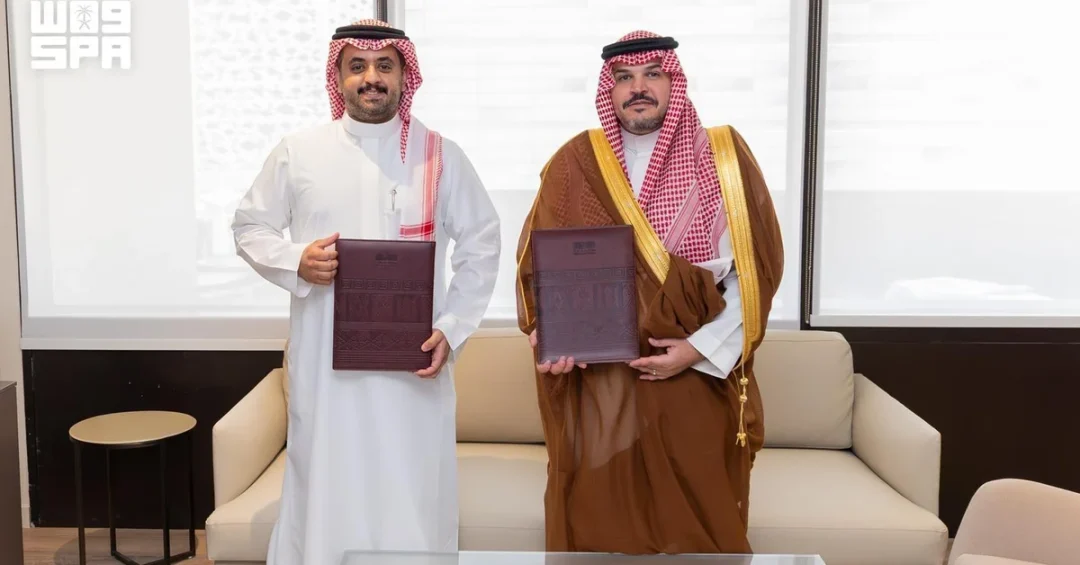
The Literature, Publishing and Translation Commission has signed a memorandum of understanding with IBN ROSHD Educational Holding Company to expand the reach of the Kingdom’s cultural initiatives into schools and educational settings, in an agreement announced by the Saudi Press Agency on August 20, 2026. The partnership, formalized in Riyadh, is designed to strengthen cooperation between the commission and one of the Kingdom’s leading private education providers, embedding literature, publishing, and translation programs directly into the daily learning environment of students. The memorandum reflects a deliberate strategy to activate the commission’s existing initiatives and programs in classrooms, libraries, and extracurricular spaces across the country.
The agreement arrives at a moment when Saudi Arabia’s cultural sector is expanding rapidly under the framework of Vision 2030, and when educators and policymakers alike are asking how the arts can be woven into the fabric of everyday schooling rather than treated as an optional extra. By bringing the commission’s programs into educational environments, the memorandum seeks to create a sustained pipeline of cultural engagement that begins in childhood and continues through university and beyond. The commission’s leadership has framed the deal as a natural extension of its mandate to grow the cultural landscape nationwide.
Context and Background
Why does a memorandum between a cultural commission and an education holding company matter so much at this particular moment? The answer lies in the scale of Saudi Arabia’s cultural transformation, which has accelerated dramatically since the launch of Vision 2030 in 2016. The Literature, Publishing and Translation Commission, one of eleven sector-specific commissions operating under the Ministry of Culture, was established to develop the Kingdom’s literary ecosystem, support authors and translators, grow the publishing industry, and expand public participation in reading and creative expression. Its work spans book fairs, translation grants, literary prizes, and professional development for writers and publishers.
IBN ROSHD Educational Holding Company, for its part, is one of the largest private education groups in Saudi Arabia, operating national and international schools that serve thousands of students across multiple cities. Its network gives the commission a direct channel into classrooms, school libraries, and student communities that would be difficult to reach through public programming alone. The partnership therefore represents a practical bridge between cultural policy and educational delivery, connecting the commission’s initiatives with a captive audience of young learners who are at the most formative stage of their intellectual and creative development.
The memorandum also builds on a broader pattern of institutional collaboration within the Saudi cultural sector. In recent years, the commission has signed similar agreements with universities, municipalities, and private entities to widen the footprint of its programs. Each partnership adds a new node to a growing national network, and the education sector is arguably the most consequential node of all, because it shapes habits of reading, writing, and critical thinking that last a lifetime. The timing reflects a maturing cultural ecosystem in which public institutions increasingly work through partners rather than acting alone.
Key Details of the Agreement
What exactly does the memorandum commit the two sides to doing? According to the announcement carried by the Saudi Press Agency, the agreement covers several areas of cooperation. First, it enhances the regular implementation of the commission’s initiatives and programs within educational settings, ensuring that cultural activities become a recurring feature of school life rather than one-off events. Second, it provides for coordination of student workshops that support extracurricular activities aligned with the commission’s areas of expertise, including literature, publishing, and translation. Third, it calls for the organization of diverse literary events designed to develop children’s talents and foster an inspiring environment for young people.
The events envisioned under the agreement will enable students to express themselves, interact with peers and mentors, and develop their abilities through educational workshops, interactive presentations, and recreational activities. This combination of formats is significant because it recognizes that cultural engagement takes many forms, from quiet reading and creative writing to public speaking, translation exercises, and collaborative storytelling. By offering a mix of structured and informal activities, the program aims to reach students with different interests and learning styles, rather than catering only to those who already identify as readers or writers.
Dr. Abdullatif Al Wasel, the CEO of the Literature, Publishing and Translation Commission, said the signing of the memorandum reflects the commission’s commitment to expanding strategic cooperation with educational institutions. His statement underscores a key principle behind the agreement: that cultural development is most effective when it is embedded in institutions that young people already inhabit, rather than delivered from a distance. The commission’s willingness to formalize the relationship through a memorandum, rather than relying on ad hoc cooperation, signals an intent to sustain and measure the partnership over time.
International and Regional Impact
How will a partnership focused on Saudi schools resonate beyond the Kingdom’s borders? International observers of Saudi Arabia’s cultural scene have increasingly noted the speed and ambition of its institution-building. The Literature, Publishing and Translation Commission has become a visible presence at international book fairs, translation conferences, and literary festivals, and its partnerships with educational providers add depth to that external profile. A sustained program of school-based literary activity creates a generation of readers, writers, and translators who can eventually participate in global cultural exchange from a position of confidence and fluency.
Regionally, the agreement fits within a wider Gulf trend of investing in cultural infrastructure as a component of economic diversification and soft power. Saudi Arabia’s approach is distinctive in its scale and its integration with national education policy. By working with a major private education holding company, the commission is also signaling that cultural development is a shared responsibility across the public and private sectors, an approach that may be studied and adapted by neighboring countries pursuing similar goals. The memorandum thus carries significance that extends well beyond the specific workshops and events it will produce.
Economic and Strategic Significance
What economic value can be attributed to cultural programming in schools? The publishing and creative industries are increasingly recognized as genuine contributors to diversified economies, generating employment in writing, editing, design, printing, distribution, and translation. By cultivating young audiences and participants, the commission is effectively investing in the future workforce and consumer base of the Kingdom’s creative economy. Students who grow up participating in literary events are more likely to pursue careers in publishing, media, and the arts, and more likely to sustain demand for books and cultural products throughout their lives.
Strategically, the agreement strengthens the connective tissue between two national priorities: education and culture. Saudi Arabia has invested heavily in curriculum reform, teacher training, and digital learning, and cultural programming complements those efforts by developing the imaginative and expressive capacities of students. The memorandum also reinforces the role of private sector partners in delivering public policy objectives, a model that Vision 2030 has championed across sectors. By aligning a cultural commission with an education holding company, the agreement creates a durable mechanism for cooperation that can be expanded and replicated as results accumulate.
Vision 2030 Alignment
How does this memorandum connect to the broader ambitions of Vision 2030? One of the vision’s central goals is to build a vibrant society in which cultural and recreational opportunities enrich daily life, and to grow a diversified economy in which creative industries play a meaningful role. The Literature, Publishing and Translation Commission’s work sits directly at the intersection of those goals, and its expansion into educational environments ensures that the benefits of cultural investment reach young people early. The partnership with IBN ROSHD Educational Holding Company turns policy aspiration into regular, tangible activity in schools.
Looking ahead, the agreement is best understood as one building block in a long-term national project. If the commission and its educational partners can demonstrate measurable gains in student participation, reading habits, and creative output, the model can be scaled across more schools and more regions, deepening the cultural landscape nationwide. For international readers, the memorandum offers a clear example of how Saudi Arabia is institutionalizing its cultural ambitions: through formal partnerships, sustained programming, and a deliberate focus on the next generation. It is a quiet but consequential step in the Kingdom’s ongoing transformation.
20 Questions
Q1. What was announced on August 20, 2026?
A1. The Literature, Publishing and Translation Commission signed a memorandum of understanding with IBN ROSHD Educational Holding Company to enhance cooperation and support the cultural sector by expanding the commission’s initiatives into educational environments across Saudi Arabia.
Q2. Who signed the memorandum on behalf of the commission?
A2. The commission’s CEO, Dr. Abdullatif Al Wasel, announced and commented on the signing, stating that the memorandum reflects the commission’s commitment to expanding strategic cooperation with educational institutions in the Kingdom.
Q3. What is IBN ROSHD Educational Holding Company?
A3. IBN ROSHD Educational Holding Company is a major Saudi private education provider operating national and international schools across multiple cities, giving the commission direct access to thousands of students and school communities.
Q4. What are the main areas of cooperation in the memorandum?
A4. The agreement covers regular implementation of the commission’s initiatives and programs, coordination of student workshops supporting extracurricular activities, and organization of diverse literary events to develop children’s talents and inspire young people.
Q5. How will students benefit from the agreement?
A5. Students will participate in educational workshops, interactive presentations, and recreational activities that help them express themselves, interact with others, and develop their creative and literary abilities in supportive school environments.
Q6. Why is this partnership significant for Saudi Arabia’s cultural sector?
A6. It embeds cultural programming directly in schools, creating sustained engagement with young audiences and building a pipeline of future readers, writers, and translators who will strengthen the Kingdom’s cultural landscape over time.
Q7. What is the Literature, Publishing and Translation Commission?
A7. It is one of eleven sector-specific commissions under the Saudi Ministry of Culture, responsible for developing literature, publishing, and translation, supporting authors and translators, and expanding public participation in cultural life.
Q8. How does the memorandum support extracurricular activities?
A8. It coordinates student workshops aligned with the commission’s areas of expertise, ensuring that literary and cultural activities complement formal education and give students opportunities to explore creative pursuits beyond the standard curriculum.
Q9. What kinds of literary events will be organized?
A9. The agreement calls for diverse literary events designed to develop children’s talents, including workshops, interactive presentations, and recreational activities that foster an inspiring environment for young people to express themselves.
Q10. How does this agreement relate to Vision 2030?
A10. Vision 2030 seeks a vibrant society and diversified economy, and this partnership advances both goals by embedding cultural engagement in education and nurturing the creative industries that contribute to economic diversification.
Q11. What does Dr. Abdullatif Al Wasel say about the agreement?
A11. He said the signing reflects the commission’s commitment to expanding strategic cooperation with educational institutions, signaling an intent to sustain and deepen the partnership over the long term rather than treating it as a one-off initiative.
Q12. How does this memorandum build on previous commission efforts?
A12. It builds on the commission’s ongoing work to strengthen partnerships with relevant entities and expand the presence of cultural sectors by providing more opportunities and initiatives that develop Saudi Arabia’s cultural landscape.
Q13. Which students will be reached by these programs?
A13. The programs will reach students enrolled in IBN ROSHD schools, spanning various age groups and cities, giving the commission access to a broad and diverse population of young learners across the Kingdom.
Q14. What role does the private sector play in this partnership?
A14. The private sector partner provides educational infrastructure, student access, and operational capacity, demonstrating how private institutions can help deliver public cultural policy objectives in alignment with national development priorities.
Q15. How might this agreement affect Saudi Arabia’s publishing industry?
A15. By cultivating young readers and writers, the agreement supports long-term demand for books, expands the talent pool for publishing careers, and strengthens the ecosystem that Saudi publishers, authors, and translators depend on for growth.
Q16. What makes educational environments important for cultural development?
A16. Schools are where children form habits of reading, writing, and creative thinking, so embedding cultural programs there reaches audiences at their most formative stage and establishes lifelong patterns of engagement with literature and the arts.
Q17. How does this fit into regional cultural trends?
A17. Gulf countries are increasingly investing in cultural infrastructure as part of economic diversification and soft power, and Saudi Arabia’s integration of culture with education represents a distinctive and ambitious approach within that broader regional trend.
Q18. What outcomes might indicate the agreement’s success?
A18. Success could be measured through student participation rates, growth in reading and writing activity, the quality of creative output, and the expansion of similar programs to more schools and regions over time.
Q19. Will the programs be limited to literature and publishing?
A19. The memorandum focuses on the commission’s areas of expertise, which include literature, publishing, and translation, though the events and workshops may incorporate broader creative and recreational activities to engage students with varied interests.
Q20. What does this memorandum signal about Saudi Arabia’s future?
A20. It signals a sustained national commitment to building a vibrant cultural sector rooted in education, ensuring that the next generation participates actively in the Kingdom’s cultural and economic transformation under Vision 2030.
Reader Feedback
We value your thoughts. Please share your feedback on this article.
Your feedback helps us improve our coverage.