


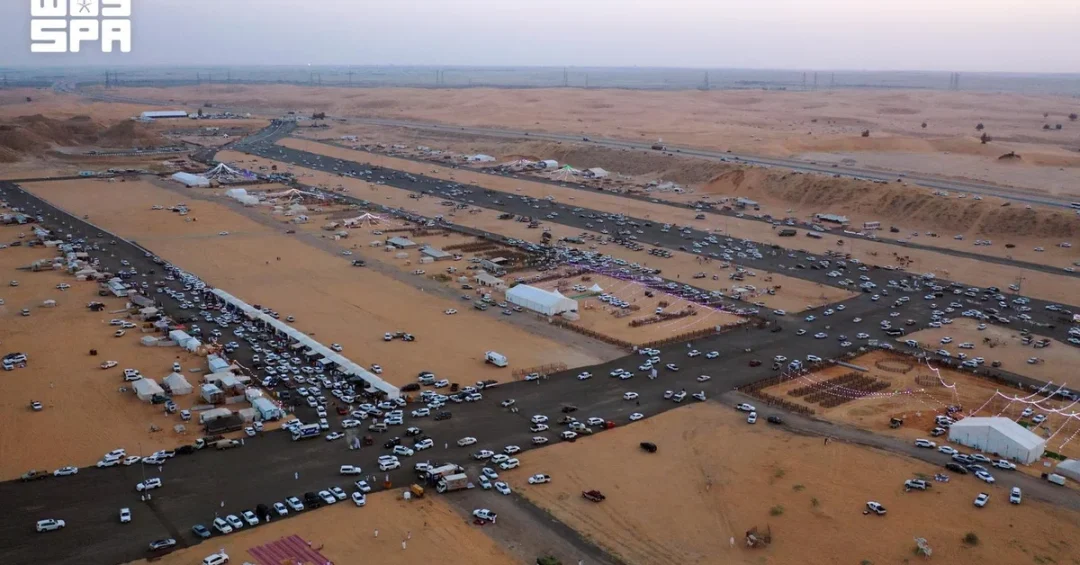
The Unaizah office of the Ministry of Environment, Water and Agriculture, working alongside the Qassim branch of the National Center for the Prevention and Control of Plant Pests and Animal Diseases (Weqaa Center), participated in the Unaizah Camel Auction District, delivering awareness programs for livestock breeders, disinfecting the auction grounds, and conducting epidemiological surveillance for animal diseases. The initiative, announced through official Saudi channels on October 21, 2026, reflects the Kingdom’s continuing commitment to animal health, biosecurity, and the sustainable development of its livestock sector.
Have you ever considered how much coordination lies behind a single successful livestock auction? The Unaizah Camel Auction is among the most prominent gatherings of its kind in Saudi Arabia, drawing breeders, enthusiasts, and investors from across the Kingdom. Behind its commercial success stands a quiet but essential layer of public health work: veterinarians, inspectors, and awareness teams ensuring that animals and people alike are protected from infectious disease. The participation of the Ministry of Environment, Water and Agriculture and the Weqaa Center brings that work into the open, demonstrating how regulatory bodies and market organizers can cooperate to raise standards across an entire industry. For international observers, the effort offers a clear window into how Saudi Arabia is modernizing its agricultural and veterinary sectors in line with Vision 2030.
Context and Background
Why does a camel auction in central Saudi Arabia matter beyond its own gates? The Unaizah Camel Auction District, located in the Qassim region, has grown into a major marketplace for camel trading, reflecting the deep cultural and economic importance of camels in Saudi heritage. Camels remain central to Saudi identity, from racing and beauty competitions to dairy production and traditional hospitality. The auction attracts buyers and sellers from multiple regions, making it a natural focal point for commerce, tourism, and cultural exchange.
At the same time, large gatherings of animals create conditions in which infectious diseases can spread if biosecurity measures are not rigorously applied. Saudi Arabia has therefore invested steadily in veterinary infrastructure and preventive health systems. The National Center for the Prevention and Control of Plant Pests and Animal Diseases (Weqaa Center) was established to strengthen the Kingdom’s defenses against animal and plant health threats, working with regional branches and local offices to monitor, prevent, and control outbreaks. Its Qassim branch operates in one of the country’s most active agricultural and livestock regions, where camels, sheep, and other animals are traded and raised at scale.
The Ministry of Environment, Water and Agriculture oversees national policy on livestock, water resources, and environmental protection. Its Unaizah office serves as the local implementing arm, translating national standards into day-to-day practice at markets, farms, and transport points. Together, the two entities represent a layered system: national strategy, regional coordination, and local execution. The Unaizah Camel Auction initiative is a practical expression of that system at work, bringing veterinary science and public awareness directly to the people who depend on livestock for their livelihoods.
Key Details of the Initiative
What exactly did the participating teams do at the auction district? According to the official announcement, the effort combined three core elements: awareness and educational programs for livestock breeders, disinfection of the auction grounds, and epidemiological surveillance for animal diseases. Each element addresses a different link in the chain of disease prevention, from human behavior to environmental hygiene to early detection.
The awareness programs are designed to enhance health and preventive knowledge among breeders. This includes guidance on recognizing signs of illness, maintaining clean housing and transport conditions, and following proper procedures when introducing new animals into a herd. By equipping breeders with accurate information, the program reduces the risk of disease transmission and helps protect the economic value of their animals.
Disinfection of the auction grounds targets the physical environment. Auction sites experience high traffic of animals, vehicles, and people, all of which can carry pathogens. Systematic cleaning and disinfection of pens, walkways, and loading areas lowers the concentration of infectious agents and interrupts potential transmission routes. This work is especially important during peak trading periods, when the number of animals and visitors rises sharply.
Epidemiological surveillance provides the third pillar. Veterinary teams monitor animals for signs of disease, collect data, and report findings through official channels. This allows authorities to detect potential problems early and respond quickly if needed. Surveillance also builds a picture of animal health trends over time, supporting better planning and resource allocation. Together, the three components form a comprehensive biosecurity package that supports the auction’s success in attracting enthusiasts and investors from across Saudi Arabia.
International and Regional Impact
How do local animal health measures connect to Saudi Arabia’s wider regional role? The Kingdom is a major player in livestock trade, food security, and agricultural cooperation across the Middle East. Disease prevention at home contributes to regional stability by reducing the risk that outbreaks spread across borders through animal movement and trade. Saudi Arabia’s participation in international animal health frameworks, alongside its domestic programs, reinforces its reputation as a responsible and capable partner.
For neighboring countries and trading partners, the Unaizah initiative signals that Saudi livestock markets operate under strict health and safety standards. This matters for export and import relationships, as well as for the confidence of investors considering agricultural projects in the Kingdom. Regional bodies and international organizations that track animal disease outbreaks rely on timely reporting and effective control measures; Saudi Arabia’s investment in surveillance and biosecurity supports those global efforts.
From a tourism and cultural perspective, the camel auction itself is part of a broader revival of heritage-based experiences in Saudi Arabia. International visitors increasingly seek authentic encounters with Saudi traditions, and events like the Unaizah auction offer a controlled, well-managed environment where cultural heritage and modern standards coexist. The presence of health and awareness teams enhances the visitor experience by making safety a visible priority.
Economic and Strategic Significance
Why should investors and policymakers pay attention to animal health at a camel market? Livestock is a significant component of Saudi Arabia’s agricultural economy, and camels occupy a special place within it. Healthy animals command higher prices, attract more buyers, and support related industries such as dairy, racing, and tourism. Disease outbreaks, by contrast, can devastate herds, disrupt markets, and impose heavy costs on breeders and the state alike.
By investing in preventive measures at the auction level, Saudi authorities protect the value of a national asset. The initiative supports the auction’s ability to attract enthusiasts and investors from across the Kingdom, strengthening Qassim’s position as a livestock trading hub. It also aligns with broader efforts to improve food security, diversify rural incomes, and modernize agricultural supply chains. For breeders, the knowledge gained through awareness programs translates into better herd management and reduced losses.
Strategically, biosecurity is a matter of national resilience. The Ministry of Environment, Water and Agriculture and the Weqaa Center work within a framework that treats animal health as part of public health and economic security. Their collaboration at Unaizah demonstrates how targeted, locally delivered programs can produce outsized benefits: cleaner markets, healthier animals, more confident traders, and a stronger reputation for Saudi livestock products. These outcomes support the Kingdom’s long-term goals of sustainable development and global engagement.
Vision 2030 Alignment
How does a camel auction initiative fit into Saudi Arabia’s Vision 2030? Vision 2030 aims to diversify the economy, strengthen non-oil sectors, and improve quality of life for citizens and residents. Agriculture, food security, and rural development are integral to that vision. By raising biosecurity standards and supporting livestock markets, the Ministry of Environment, Water and Agriculture and the Weqaa Center contribute directly to a more resilient and productive agricultural sector.
The initiative also reflects Vision 2030’s emphasis on institutional excellence and public-private cooperation. Government entities are working hand in hand with market organizers and breeders to deliver practical results. Awareness programs empower individuals with knowledge, while surveillance and disinfection systems provide the structural safeguards that markets need to grow. This combination of education and enforcement is a hallmark of effective modern governance.
Moreover, the camel sector carries cultural weight that aligns with Vision 2030’s goal of celebrating Saudi heritage while embracing modernity. Events like the Unaizah Camel Auction showcase traditions to a global audience and create economic opportunities in tourism and entertainment. By ensuring these events are safe and well-regulated, Saudi Arabia enhances their appeal and sustainability. The participation of official bodies in the auction district is therefore more than a routine public health measure; it is a statement that Saudi heritage and Saudi health standards advance together.
Looking ahead, the model demonstrated at Unaizah can be replicated at livestock markets across the Kingdom. Each successful application builds expertise, strengthens coordination, and reinforces the Kingdom’s reputation as a leader in animal health and agricultural modernization. For international readers, the story is a reminder that Saudi Arabia’s transformation is not limited to megaprojects and technology; it also unfolds in the everyday spaces where citizens work, trade, and preserve their traditions.
20 Questions
Q1. What entities participated in the Unaizah Camel Auction District initiative?
A1. The Unaizah office of the Ministry of Environment, Water and Agriculture and the Qassim branch of the National Center for the Prevention and Control of Plant Pests and Animal Diseases (Weqaa Center) participated together.
Q2. When was the participation announced?
A2. The participation was announced on October 21, 2026, through official Saudi channels, including the Saudi Press Agency, reflecting the Kingdom’s commitment to transparent reporting on animal health measures.
Q3. What were the three main components of the initiative?
A3. The initiative included awareness and educational programs for livestock breeders, disinfection of the auction grounds, and epidemiological surveillance for animal diseases, forming a comprehensive biosecurity approach.
Q4. Why is biosecurity important at camel auctions?
A4. Large gatherings of animals can facilitate the spread of infectious diseases. Strict biosecurity protects animal health, supports trade, and safeguards the livelihoods of breeders and investors.
Q5. What is the role of the Weqaa Center?
A5. The Weqaa Center works to prevent and control plant pests and animal diseases across Saudi Arabia, operating through regional branches to monitor health threats and support preventive measures.
Q6. How do awareness programs benefit livestock breeders?
A6. They provide knowledge on disease recognition, hygiene, and proper animal management, helping breeders reduce losses, improve herd health, and make informed decisions at markets.
Q7. What does epidemiological surveillance involve?
A7. It involves monitoring animals for signs of disease, collecting data, and reporting findings through official channels to enable early detection and rapid response.
Q8. Why is disinfection of auction grounds necessary?
A8. Disinfection reduces pathogens on surfaces and equipment, interrupting transmission routes between animals, people, and vehicles, especially during high-traffic trading periods.
Q9. How does this initiative support the Unaizah Camel Auction’s success?
A9. By ensuring health and safety standards, the initiative builds confidence among breeders and investors, attracting participants from across Saudi Arabia and enhancing the auction’s reputation.
Q10. What is the economic importance of camels in Saudi Arabia?
A10. Camels contribute to dairy, racing, tourism, and cultural heritage. Healthy livestock command higher prices and support related industries, making animal health economically significant.
Q11. How does the initiative align with Vision 2030?
A11. It supports economic diversification, food security, and rural development while promoting institutional excellence and public-private cooperation, all core themes of Vision 2030.
Q12. Which region hosts the Unaizah Camel Auction?
A12. The auction is located in Unaizah, within the Qassim region, an area known for its agricultural activity and livestock trade in central Saudi Arabia.
Q13. What role does the Ministry of Environment, Water and Agriculture play?
A13. The ministry sets national policy on livestock, water, and environment, and its local offices implement standards at markets, farms, and transport points across the Kingdom.
Q14. How does animal health connect to public health?
A14. Many animal diseases can affect humans or impact food safety. Preventing animal disease protects public health and supports a safe food supply chain.
Q15. What benefits do investors gain from these measures?
A15. Investors benefit from reduced risk of disease outbreaks, healthier livestock, and a stable trading environment, which protects asset value and encourages long-term participation.
Q16. Can this model be replicated elsewhere in Saudi Arabia?
A16. Yes. The approach can be adapted to other livestock markets, building expertise and strengthening coordination across regions as part of national animal health strategy.
Q17. How does the initiative support Saudi heritage?
A17. Camels are central to Saudi culture. By making auctions safer and more attractive, the initiative helps preserve and celebrate this heritage for future generations and international visitors.
Q18. What international impact does Saudi animal health work have?
A18. It contributes to regional and global efforts to control animal diseases, supports safe trade, and reinforces Saudi Arabia’s reputation as a responsible international partner.
Q19. What should breeders do to maintain biosecurity?
A19. Breeders should follow official guidance, maintain clean facilities, monitor animal health, and report signs of illness promptly to authorities for early intervention.
Q20. What is the forward-looking significance of this initiative?
A20. It demonstrates Saudi Arabia’s integrated approach to animal health, trade, and heritage, supporting Vision 2030 goals and setting a standard for future livestock market initiatives.
Reader Feedback
We value your thoughts. Please share your feedback on this article.
Your feedback helps us improve our coverage.