


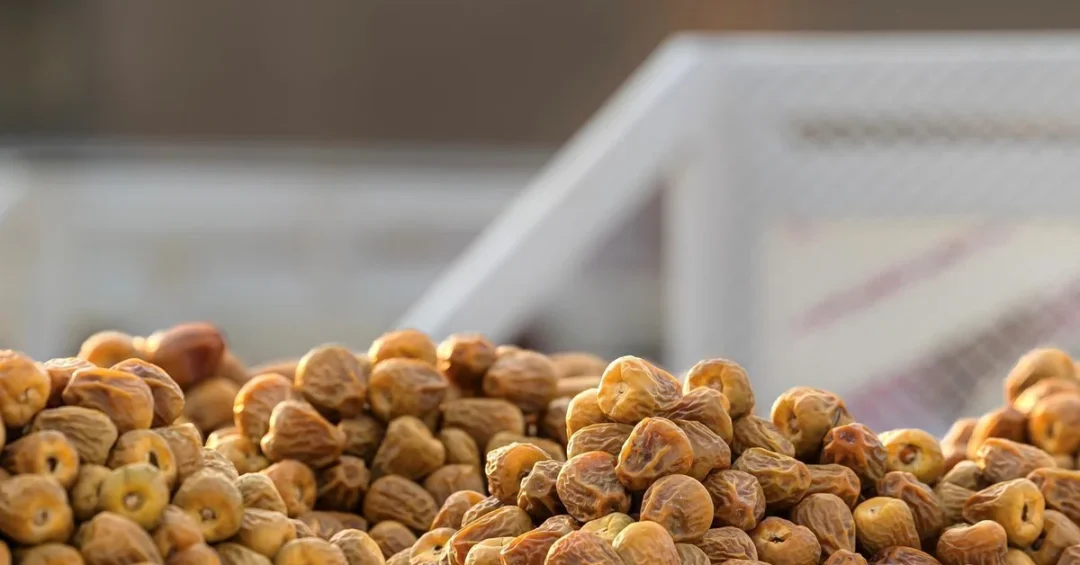
The Buraidah International Dates Carnival has underscored the leading role of the Qassim Region in Saudi Arabia’s palm and dates sector, with the region producing approximately 50 percent of the Kingdom’s total dates, according to official information released by the Saudi Press Agency. The annual event, held in Buraidah, brings together producers, traders, and consumers from across the Kingdom and beyond, serving as a showcase for a sector that sits at the intersection of agriculture, heritage, and national economic strategy. Qassim’s dominance in date production reflects decades of careful cultivation, government support, and the region’s natural advantages, including fertile land and adequate water resources. The carnival has become a fixture on Saudi Arabia’s agricultural calendar, drawing attention to a crop that has sustained communities in the region for generations while now contributing meaningfully to the Kingdom’s food security objectives. But what makes Qassim’s date sector so productive, and why does it matter far beyond the region’s borders?
The event’s significance extends well beyond a seasonal market. It represents a convergence of tradition and modernization that aligns closely with Saudi Arabia’s Vision 2030 agenda, which seeks to diversify the national economy, strengthen non-oil sectors, and enhance food security. As the Kingdom continues to transform its agricultural landscape through technology and innovation, the Buraidah International Dates Carnival stands as a tangible example of how regional strengths can be harnessed for national benefit. The carnival also highlights the integration of agricultural resources, government support, and continuous development in farming and production methods, offering a model that other regions might emulate. How has Qassim managed to achieve such a commanding share of national production, and what does its success signal for the future of Saudi agriculture?
Context and Background
Qassim Region has long been recognized as the heartland of Saudi Arabia’s date industry. According to Dr. Khaled Al-Naqidan, Secretary of the Higher Committee and CEO of the Buraidah International Dates Carnival, the region is home to approximately 11 million palm trees that produce more than 580,000 tons of dates annually. This output makes Qassim one of the Kingdom’s largest date-producing regions and a critical contributor to national food security. The region’s distinction is attributed to direct support from the Qassim Region Emirate, the Ministry of Environment, Water and Agriculture, and relevant agricultural bodies, alongside the region’s fertile land, adequate water resources, and ideal agricultural environment, which contribute to the flourishing of palm cultivation and improved production quality. Such support has been instrumental in enabling farmers to adopt modern practices and expand their operations. What role does official backing play in sustaining this level of production?
Historically, date cultivation in Qassim has been a cornerstone of local identity and livelihood. The region’s climate, characterized by hot summers and cool winters, provides an ideal environment for date palms, which have been cultivated in the Arabian Peninsula for thousands of years. Over time, traditional farming methods have been complemented by scientific research and technological advancements, leading to higher yields and better-quality fruit. The establishment of the Buraidah International Dates Carnival has further elevated the region’s profile, creating a platform for marketing and knowledge exchange. The carnival not only celebrates the harvest but also serves as an economic engine, facilitating transactions and partnerships that extend beyond Saudi Arabia’s borders. How has this annual event evolved to become a key driver of the sector’s growth?
Government support has been multifaceted, ranging from financial incentives and agricultural extension services to infrastructure development and research initiatives. The Ministry of Environment, Water and Agriculture has implemented programs aimed at improving irrigation efficiency, pest control, and post-harvest handling, all of which have contributed to the sector’s resilience. The Qassim Region Emirate has also played a coordinating role, ensuring that local farmers have access to the resources and training they need to thrive. This collaborative approach has not only boosted production but also enhanced the quality of dates, making them more competitive in international markets. What lessons can other agricultural sectors in the Kingdom draw from this integrated model?
Key Details
A central feature of the Buraidah International Dates Carnival is its focus on the Sukkari date variety, one of the most sought-after types both locally and internationally. Dr. Al-Naqidan noted that the carnival markets more than 85 percent of Sukkari date production, a testament to its high quality, distinctive taste, and ease of storage and transportation. The Sukkari date, known for its sweet flavor and soft texture, has become a flagship product for Qassim, commanding premium prices and attracting buyers from across the Gulf region and beyond. The carnival provides a dedicated marketplace where producers can showcase their finest harvests, and traders can negotiate deals that often extend far beyond the event’s duration. Why has the Sukkari variety achieved such prominence in domestic and global markets?
The carnival also serves as a platform for innovation, with exhibitors displaying the latest agricultural technologies, mechanization, and advanced irrigation systems. Dr. Al-Naqidan emphasized that the future of the dates sector is closely linked to expanding the use of these technologies, which conserve water while maintaining production quality and quantity. This forward-looking approach is particularly important given the Kingdom’s emphasis on sustainable water management. The event features workshops, seminars, and demonstrations that educate farmers on best practices, from integrated pest management to efficient harvesting techniques. By fostering a culture of continuous learning, the carnival helps ensure that Qassim’s date industry remains at the forefront of agricultural excellence. How might these technologies reshape the sector in the coming decade?
Beyond the commercial and technological aspects, the carnival plays a vital social role. It brings together farming families, many of whom have tended date palms for generations, and reinforces a sense of community and shared heritage. The event also attracts tourists and visitors, contributing to the local economy and promoting cultural exchange. For international audiences, the carnival offers a window into Saudi Arabia’s rich agricultural traditions and its modern ambitions. The presence of international buyers and experts further underscores the global relevance of Qassim’s date sector. In what ways does the carnival strengthen the social fabric of the region while advancing its economic interests?
International and Regional Impact
Saudi Arabia is one of the world’s largest producers and exporters of dates, and Qassim’s output is a significant component of that global standing. The Kingdom’s dates reach markets in Europe, Asia, North America, and across the Middle East, with demand steadily increasing due to growing awareness of the fruit’s nutritional benefits and cultural significance. The Buraidah International Dates Carnival facilitates these international connections by hosting buyers and trade delegations, thereby opening new avenues for export. Regional cooperation is also evident, as Gulf Cooperation Council countries share expertise and collaborate on agricultural research. The carnival thus reinforces Saudi Arabia’s position as a leader in the global dates trade. How does Qassim’s production influence the Kingdom’s trade relationships and soft power?
At the regional level, Qassim’s success serves as an inspiration for other date-producing areas within Saudi Arabia, such as Al-Ahsa and Madinah. These regions have their own distinct varieties and strengths, and the carnival provides a venue for friendly competition and knowledge sharing. By highlighting best practices and celebrating achievements, the event encourages continuous improvement across the sector. Moreover, the carnival attracts attention from international organizations and research institutions interested in sustainable agriculture and food security. This exchange of ideas can lead to collaborations that benefit not only Saudi Arabia but also other countries facing similar challenges. What can other nations learn from Saudi Arabia’s approach to integrating regional agricultural strengths into a national strategy?
Economic and Strategic Significance
The dates sector is a vital component of Saudi Arabia’s non-oil economy, contributing to employment, rural development, and export revenues. Qassim’s 50 percent share of national production translates into substantial economic activity, supporting thousands of farms and related businesses, from packaging and processing to logistics and retail. The Buraidah International Dates Carnival amplifies this economic impact by generating sales, fostering business partnerships, and attracting investment. As the Kingdom pursues economic diversification under Vision 2030, the dates industry exemplifies how traditional sectors can be modernized to create value and drive growth. The carnival’s role as a marketing and economic platform is therefore not just seasonal but strategic. How does the event contribute to the broader goal of a diversified and resilient economy?
Strategically, food security is a top priority for Saudi Arabia, and dates are a staple food with deep cultural roots. By ensuring a stable and high-quality supply, Qassim helps reduce reliance on imports and strengthens national resilience. The sector also aligns with environmental goals, as date palms are well-suited to the region’s climate and can be cultivated with relatively low water inputs when modern irrigation methods are used. The carnival’s emphasis on water conservation and sustainable practices reflects a broader national commitment to environmental stewardship. In addition, the event promotes the Kingdom’s image as a modern, innovative agricultural producer, which can enhance its global reputation and attract further investment. What strategic advantages does a robust domestic dates industry confer on Saudi Arabia in an uncertain global food landscape?
Vision 2030 Alignment
The Buraidah International Dates Carnival and Qassim’s leading role in date production are deeply intertwined with Saudi Arabia’s Vision 2030, the ambitious blueprint for national transformation. Vision 2030 aims to diversify the economy away from oil, develop non-oil sectors, and create a vibrant society. Agriculture, and specifically the dates industry, is identified as a key contributor to these goals. By supporting farmers, promoting innovation, and expanding export markets, the carnival helps turn Vision 2030’s aspirations into reality. The event also aligns with the Quality of Life Program, which seeks to enhance the Kingdom’s cultural and recreational offerings, and the National Transformation Program, which focuses on economic diversification and public sector efficiency. How does the carnival embody the spirit of Vision 2030 in a tangible and measurable way?
Looking ahead, the future of Qassim’s dates sector appears bright. Continued investment in technology, research, and human capital will be essential to maintain the region’s competitive edge. The carnival will likely evolve to incorporate more digital tools, such as e-commerce platforms and virtual exhibitions, to reach a wider audience. As Saudi Arabia positions itself as a global leader in sustainable agriculture, the Buraidah International Dates Carnival will remain a symbol of the Kingdom’s agricultural heritage and its forward-looking vision. For international observers, the event offers a compelling narrative of how tradition and modernity can coexist and thrive. In a world seeking solutions to food security and sustainable development, Saudi Arabia’s date industry, anchored in Qassim, provides a model worth watching. How will the next generation of Saudi farmers build on this legacy to further elevate the Kingdom’s global standing?
20 Questions
Q1. What is the Buraidah International Dates Carnival?
A1. The Buraidah International Dates Carnival is an annual event in Buraidah, Qassim Region, Saudi Arabia, that showcases the Kingdom’s date industry. It brings together producers, traders, and consumers, serving as a major marketing and economic platform for dates, particularly the Sukkari variety.
Q2. How much of Saudi Arabia’s total date production comes from Qassim Region?
A2. According to official Saudi sources, Qassim Region produces approximately 50 percent of Saudi Arabia’s total dates. This makes it the leading date-producing region in the Kingdom and a cornerstone of national food security.
Q3. How many palm trees are there in Qassim Region?
A3. Qassim Region is home to about 11 million palm trees, as stated by Dr. Khaled Al-Naqidan, CEO of the Buraidah International Dates Carnival. These trees produce more than 580,000 tons of dates annually.
Q4. Who is Dr. Khaled Al-Naqidan?
A4. Dr. Khaled Al-Naqidan is the Secretary of the Higher Committee and CEO of the Buraidah International Dates Carnival. He has highlighted Qassim’s leading role in the dates sector and the importance of modern agricultural practices.
Q5. What is the Sukkari date and why is it important?
A5. The Sukkari date is a premium variety known for its high quality, distinctive sweet taste, and ease of storage and transportation. It is highly sought after locally and internationally, and the carnival markets more than 85 percent of its production.
Q6. What role does the Saudi government play in supporting date production?
A6. The Qassim Region Emirate, the Ministry of Environment, Water and Agriculture, and relevant agricultural bodies provide direct support. This includes financial incentives, research, infrastructure, and training, which have boosted production efficiency and quality.
Q7. How does the carnival contribute to Saudi Arabia’s food security?
A7. By promoting date production and marketing, the carnival helps ensure a stable domestic supply of this staple food. This reduces reliance on imports and strengthens the Kingdom’s resilience in line with Vision 2030 goals.
Q8. What modern technologies are used in Qassim’s date farms?
A8. Farmers are adopting mechanization, advanced irrigation systems that conserve water, and scientific palm care programs. These technologies improve yield, quality, and sustainability, securing the sector’s long-term future.
Q9. How does the carnival support local farmers and traders?
A9. It provides a marketplace where farmers can sell their harvest directly to traders and consumers, often at premium prices. The event also facilitates networking, knowledge exchange, and business partnerships that extend beyond the carnival’s duration.
Q10. What is the economic significance of the dates sector in Saudi Arabia?
A10. The dates sector contributes to non-oil GDP, employment, and rural development. Qassim’s 50 percent share supports thousands of farms and related businesses, and exports generate valuable foreign exchange for the Kingdom.
Q11. How does the carnival attract international attention?
A11. It hosts international buyers, trade delegations, and experts, showcasing Saudi dates to global markets. The event also features innovations and best practices, positioning the Kingdom as a leader in sustainable agriculture.
Q12. What is the significance of Qassim being called the capital of dates?
A12. The title reflects Qassim’s historical and ongoing dominance in date cultivation. Its fertile land, water resources, and farmer expertise have made it a national model, and the carnival reinforces this reputation.
Q13. How does the carnival align with Vision 2030?
A13. Vision 2030 seeks economic diversification and food security. The carnival supports these goals by boosting the dates industry, promoting innovation, and enhancing Saudi Arabia’s global agricultural profile, contributing to a vibrant economy.
Q14. What challenges does the dates sector face?
A14. Challenges include water scarcity, climate variability, and market competition. However, government support and modern technologies are helping farmers overcome these obstacles and maintain high production levels.
Q15. How can international consumers buy Saudi dates?
A15. Saudi dates, especially Sukkari, are exported to many countries and available in specialty stores and online. The carnival also connects international buyers directly with Saudi producers, facilitating trade.
Q16. What is the role of the Ministry of Environment, Water and Agriculture?
A16. The ministry provides regulatory oversight, research, extension services, and financial support to date farmers. It works to improve irrigation, pest control, and post-harvest handling, ensuring the sector’s sustainability.
Q17. How does the carnival promote cultural heritage?
A17. It celebrates the deep-rooted tradition of date cultivation in Saudi Arabia, bringing together farming families and showcasing regional customs. The event also educates visitors about the cultural importance of dates.
Q18. What are the future plans for the dates sector in Qassim?
A18. Plans include expanding technology use, improving water efficiency, and increasing exports. The carnival will continue to evolve, possibly incorporating digital platforms to reach wider audiences and drive growth.
Q19. How does the carnival benefit the local community in Buraidah?
A19. It stimulates the local economy through tourism, hospitality, and retail. It also fosters community pride and provides opportunities for small businesses and artisans to showcase their products to a broad audience.
Q20. Why is the Buraidah International Dates Carnival important for Saudi Arabia’s global image?
A20. It demonstrates the Kingdom’s agricultural excellence, innovation, and commitment to sustainability. By hosting an international event, Saudi Arabia showcases its ability to blend tradition with modernity, enhancing its soft power and global standing.
Reader Feedback
We value your thoughts. Please share your feedback on this article.
Your feedback helps us improve our coverage.
Related articles
 Saudi Ministry of Commerce Warns Against Data Sharing on Unverified Platforms
 South Korea’s App Industry Hits $69 Billion in 2025 Revenue
 Buraidah Date Carnival Highlights Qassim’s 50% Saudi Date Output
 SDB Backs 15 Cottage Industry Families at Rafha Festival
 TGA Issues Executive Regulations for Motorcycle Goods Delivery
 Russian Central Bank Raises Dollar, Euro, Yuan Rates