


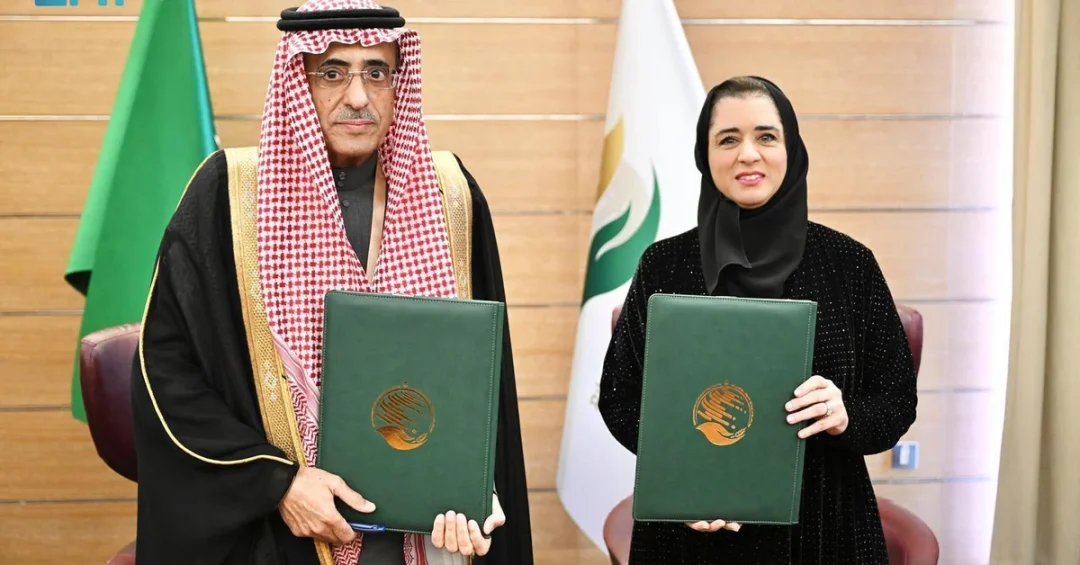
The King Salman Humanitarian Aid and Relief Center (KSrelief) signed a cooperation agreement with the World Health Organization (WHO) to support Sudanese kidney failure patients in Egypt, with a total value of $3.7 million. The agreement was signed on the sidelines of the 4th Riyadh International Humanitarian Forum, according to the Saudi Press Agency (SPA). The initiative forms part of Saudi Arabia’s broader efforts, through KSrelief, to support international organizations in combating the spread of chronic diseases worldwide.
The agreement highlights the Kingdom’s continued commitment to humanitarian diplomacy and its growing role in addressing complex health crises affecting displaced and vulnerable populations across the region. By partnering with the WHO, Saudi Arabia is helping to ensure that Sudanese patients who have fled conflict and sought refuge in Egypt receive essential kidney care that might otherwise be unavailable. The $3.7 million contribution is expected to cover dialysis treatments, medications, and related medical support for patients in need. The signing took place during one of the region’s most prominent humanitarian gatherings, underscoring Riyadh’s position as a leading donor and coordinator of international relief efforts.
Context and Background
Why has kidney failure become such a critical concern for Sudanese refugees in Egypt? The ongoing conflict in Sudan has severely disrupted the country’s healthcare infrastructure, leaving thousands of patients with chronic conditions without access to regular treatment. Many Sudanese nationals have crossed into neighboring Egypt, where they face challenges in obtaining affordable and consistent medical care, particularly for conditions such as kidney failure that require ongoing dialysis. The humanitarian crisis has placed additional strain on Egypt’s health system, which has been working to accommodate the influx of refugees while maintaining services for its own population.
KSrelief, established in 2015 under the leadership of the Kingdom of Saudi Arabia, has since become a global leader in humanitarian response, implementing projects in more than 80 countries. Its partnership with the WHO is not new; the two entities have collaborated on numerous health initiatives, including vaccination campaigns, disease surveillance, and emergency medical supplies. This latest agreement builds on that track record, focusing specifically on a vulnerable group whose needs are often overlooked in conflict settings. The 4th Riyadh International Humanitarian Forum provided a fitting platform for the announcement, as it brings together policymakers, aid organizations, and donors to address pressing humanitarian challenges.
The choice of Egypt as the location for this intervention reflects the reality that many Sudanese have sought refuge there. Egypt has historically been a destination for Sudanese migrants and refugees, and the recent conflict has only intensified this movement. By supporting Sudanese kidney patients in Egypt, KSrelief and the WHO are addressing a cross-border health emergency that requires coordinated international action. The agreement also aligns with Saudi Arabia’s Vision 2030, which emphasizes global engagement, sustainable development, and the Kingdom’s role as a responsible international actor.
Key Details of the Agreement
What exactly does the $3.7 million cooperation agreement entail? According to the Saudi Press Agency, the funds will be used to provide comprehensive support for Sudanese kidney failure patients in Egypt. This includes financing dialysis sessions, supplying essential medications, and covering associated medical costs. The WHO will implement the project on the ground, leveraging its expertise and networks to reach those most in need. The agreement was signed on Thursday, March 2, 2025, on the sidelines of the 4th Riyadh International Humanitarian Forum, a high-level event that showcases Saudi Arabia’s humanitarian leadership.
The total value of $3.7 million represents a significant investment in chronic disease management for a displaced population. Kidney failure requires lifelong treatment, and interruptions can be fatal. By ensuring continuity of care, the project aims to prevent avoidable deaths and improve the quality of life for patients who have already endured the trauma of conflict and displacement. The agreement also includes provisions for monitoring and evaluation, ensuring that resources are used effectively and transparently. KSrelief’s collaboration with the WHO is characterized by rigorous oversight, a hallmark of Saudi humanitarian aid.
This initiative is part of a broader Saudi effort to combat chronic diseases worldwide. KSrelief has previously supported similar programs in Yemen, Syria, and other crisis-affected countries, often in partnership with UN agencies. The focus on kidney failure is particularly timely, as non-communicable diseases are increasingly recognized as major causes of morbidity and mortality in humanitarian settings. By addressing this issue, Saudi Arabia is helping to fill a gap that many emergency responses overlook. The agreement also reinforces the Kingdom’s commitment to the Sustainable Development Goals, particularly Goal 3 on good health and well-being.
International and Regional Impact
How will this agreement influence broader humanitarian efforts in the region? The partnership between KSrelief and the WHO sends a strong signal that Saudi Arabia is willing to take concrete action to address the health needs of refugees and displaced persons. It also strengthens the capacity of the WHO to operate in Egypt, where it supports the government in managing the health of migrant populations. The project could serve as a model for similar interventions in other countries hosting Sudanese refugees, such as Chad, South Sudan, and Ethiopia. By demonstrating the effectiveness of targeted chronic disease support, the agreement may encourage other donors to follow suit.
Regionally, the initiative contributes to stability by reducing the health burden on Egypt and improving outcomes for a vulnerable group. It also highlights the importance of cross-border health cooperation, especially in times of conflict. The humanitarian situation in Sudan remains dire, with millions in need of assistance. While this agreement addresses only one aspect of the crisis, it reflects a comprehensive approach that includes food security, shelter, and protection. Saudi Arabia’s leadership in convening the Riyadh International Humanitarian Forum and facilitating such agreements underscores its role as a bridge-builder and a reliable partner in international aid.
Economic and Strategic Significance
What does this agreement reveal about Saudi Arabia’s strategic priorities? At its core, the $3.7 million contribution is an investment in human capital and regional health security. By supporting Sudanese patients in Egypt, Saudi Arabia helps to prevent the spread of disease, reduce suffering, and promote stability in a neighboring country. This aligns with the Kingdom’s foreign policy objectives, which emphasize peaceful coexistence, development, and humanitarian solidarity. It also reinforces Saudi Arabia’s position as a leading donor in the global health arena, a status that enhances its influence in multilateral institutions.
Economically, the agreement is modest in scale but significant in impact. It leverages the WHO’s operational capacity to deliver services efficiently, ensuring that Saudi funds are used where they are most needed. The project also complements Saudi Arabia’s broader investments in Egypt, which include infrastructure, energy, and tourism. By addressing health needs, the Kingdom contributes to the well-being of the workforce and communities that are essential to economic growth. Moreover, the agreement demonstrates Saudi Arabia’s commitment to the principles of South-South cooperation and Islamic solidarity, values that resonate across the region.
Vision 2030 Alignment
How does this initiative connect to Saudi Arabia’s Vision 2030? Vision 2030 is not only about domestic transformation; it also envisions a Kingdom that plays a proactive and constructive role in global affairs. Through KSrelief, Saudi Arabia has become one of the world’s top humanitarian donors, and this agreement exemplifies that commitment. The focus on health, chronic disease, and support for refugees aligns with the Vision’s emphasis on sustainable development, international partnerships, and the well-being of all peoples. It also showcases the Kingdom’s ability to work with multilateral organizations to address shared challenges.
As Saudi Arabia continues to expand its humanitarian footprint, agreements like this one will be crucial in building a legacy of compassion and cooperation. The 4th Riyadh International Humanitarian Forum served as a reminder that the Kingdom is not only a participant but a leader in shaping the global humanitarian agenda. By supporting Sudanese kidney failure patients in Egypt, KSrelief and the WHO are turning Vision 2030’s ideals into tangible action, improving lives and fostering hope in a region that has known too much suffering. This is Saudi Arabia’s vision in practice: a nation that cares, contributes, and leads.
20 Questions
Q1. What is the main purpose of the agreement signed by KSrelief and the WHO?
A1. The agreement aims to support Sudanese kidney failure patients in Egypt by providing funding for dialysis, medications, and related medical care, with a total value of $3.7 million, as reported by the Saudi Press Agency.
Q2. When and where was the agreement signed?
A2. It was signed on Thursday, March 2, 2025, on the sidelines of the 4th Riyadh International Humanitarian Forum in Riyadh, Saudi Arabia, according to SPA.
Q3. Which organizations are involved in this cooperation?
A3. The King Salman Humanitarian Aid and Relief Center (KSrelief) and the World Health Organization (WHO) are the two parties involved in the agreement.
Q4. How much is the total value of the agreement?
A4. The total value of the cooperation agreement is $3.7 million, as stated in the official announcement.
Q5. Who are the beneficiaries of this agreement?
A5. The beneficiaries are Sudanese kidney failure patients who are currently in Egypt, many of whom have fled the conflict in Sudan.
Q6. Why are Sudanese kidney patients in Egypt in need of support?
A6. The conflict in Sudan has disrupted healthcare, and many patients lack access to regular dialysis and medications in Egypt, where they have sought refuge.
Q7. How does this agreement fit into Saudi Arabia’s broader humanitarian efforts?
A7. It is part of Saudi Arabia’s ongoing efforts through KSrelief to support international organizations in combating chronic diseases and aiding vulnerable populations worldwide.
Q8. What is the 4th Riyadh International Humanitarian Forum?
A8. It is a high-level humanitarian gathering hosted by Saudi Arabia that brings together global leaders, donors, and aid organizations to address pressing humanitarian issues.
Q9. Has KSrelief partnered with the WHO before?
A9. Yes, KSrelief and the WHO have a history of collaboration on various health initiatives, including vaccination campaigns and emergency medical responses.
Q10. What specific services will the $3.7 million fund?
A10. The funds will cover dialysis sessions, essential medications, and associated medical costs for Sudanese kidney failure patients in Egypt.
Q11. How will the WHO implement the project?
A11. The WHO will use its operational networks and expertise in Egypt to deliver the services and ensure transparent and effective use of the funds.
Q12. Why is Egypt a key location for this initiative?
A12. Egypt hosts a large number of Sudanese refugees, and its healthcare system is under pressure, making it a critical location for targeted support.
Q13. What impact does this agreement have on regional health security?
A13. It helps prevent avoidable deaths, reduces suffering, and contributes to stability by addressing the health needs of a displaced population.
Q14. How does this agreement align with Saudi Vision 2030?
A14. It reflects Vision 2030’s emphasis on global engagement, sustainable development, and the Kingdom’s role as a responsible humanitarian leader.
Q15. What other chronic diseases does KSrelief address globally?
A15. KSrelief supports programs for various non-communicable diseases, including cancer, diabetes, and cardiovascular conditions, in crisis-affected countries.
Q16. Will there be monitoring and evaluation of the project?
A16. Yes, the agreement includes provisions for monitoring and evaluation to ensure resources are used effectively and transparently.
Q17. How does this initiative reflect Saudi Arabia’s foreign policy?
A17. It demonstrates Saudi Arabia’s commitment to humanitarian solidarity, peaceful coexistence, and constructive engagement in international affairs.
Q18. What is the significance of signing at the Riyadh forum?
A18. It underscores Saudi Arabia’s leadership in convening global humanitarian stakeholders and its ability to facilitate concrete partnerships.
Q19. Are there plans to expand similar support to other countries?
A19. While this agreement focuses on Egypt, it serves as a model that could be replicated in other nations hosting Sudanese refugees, based on needs assessments.
Q20. How can other donors contribute to this cause?
A20. Donors can partner with KSrelief or the WHO to fund similar health initiatives, helping to address the chronic disease burden among displaced populations.
Reader Feedback
We value your thoughts. Please share your feedback on this article.
Your feedback helps us improve our coverage.
Related articles
 Saudi Arabia Weather Forecast for Sunday: NCM Issues Advisory
 5-Magnitude Earthquake Strikes Mexico’s Oaxaca State
 Traffic Officers Maintain Road Safety During Ramadan Iftar Rush
 Grand Mosque Power Network Ensures Safety and Comfort
 UN Chief Offers Ramadan Congratulations to Muslims
 5.2-Magnitude Earthquake Strikes Northern Ethiopia