


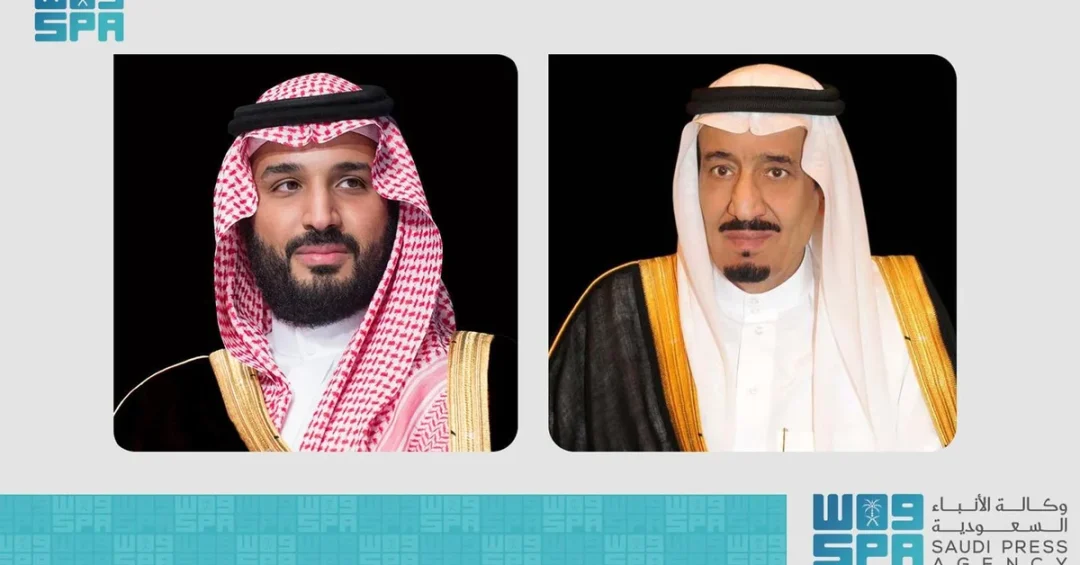
Custodian of the Two Holy Mosques King Salman bin Abdulaziz Al Saud and His Royal Highness Prince Mohammed bin Salman bin Abdulaziz Al Saud, Crown Prince and Prime Minister, received cables of congratulations from leaders of Islamic countries on the advent of Ramadan, the Saudi Press Agency reported on February 28, 2025. The exchange of greetings, confirmed through official Saudi channels, reflects the Kingdom’s central place in the Islamic world as the custodian of the Two Holy Mosques and the host of the faith’s most sacred sites in Makkah and Madinah.
The Custodian of the Two Holy Mosques and HRH the Crown Prince sent cables of thanks in response, expressing appreciation for the kind wishes and sincere prayers. In their replies, they prayed for the Islamic nation’s continued goodness, blessings, security, and stability during this blessed month. The correspondence underscores a longstanding tradition in which Saudi leadership exchanges Ramadan greetings with heads of state and government across the Islamic world, reinforcing bonds of faith and friendship that transcend geography. As the birthplace of Islam and the location of the Two Holy Mosques, Saudi Arabia occupies a unique position during Ramadan, when millions of Muslims worldwide turn their attention toward the Kingdom. Isn’t it remarkable how a simple exchange of cables can carry such profound meaning for communities across continents? The messages are more than ceremonial; they are a reaffirmation of the shared spiritual identity that unites the Ummah each year.
Context and Background
Why does the advent of Ramadan carry such significance for Saudi Arabia and the wider Islamic world? Ramadan, the ninth month of the Islamic lunar calendar, is observed by Muslims worldwide as a period of fasting, prayer, reflection, and charity. It commemorates the revelation of the Quran to the Prophet Muhammad. For Saudi Arabia, the month holds exceptional importance because the Kingdom is home to the Two Holy Mosques — the Grand Mosque in Makkah and the Prophet’s Mosque in Madinah — which draw millions of pilgrims annually, especially during Ramadan for Umrah and, in some years, the Hajj.
The exchange of congratulations between Saudi leadership and leaders of Islamic countries is a well-established diplomatic and religious tradition. Each year, as the crescent moon marking the start of Ramadan is sighted, heads of state from across the Muslim world send cables of felicitation to the Custodian of the Two Holy Mosques and the Crown Prince. These messages often convey wishes for health and prosperity for the Saudi leadership and for the well-being of the Islamic nation. The Saudi responses, in turn, express gratitude and reciprocal prayers, reflecting the Kingdom’s role as a unifying force within the Islamic world.
This year’s exchange comes amid a period of significant transformation in Saudi Arabia under Vision 2030, the national strategy championed by HRH the Crown Prince to diversify the economy, modernize society, and enhance the Kingdom’s global engagement. The Ramadan greetings therefore also serve as a reminder of Saudi Arabia’s dual role: as a spiritual heartland and as a dynamic, forward-looking nation committed to progress and stability. How often do diplomatic courtesies intersect so seamlessly with deep spiritual meaning?
Key Details
The cables of congratulations were sent by leaders of Islamic countries and received by the Custodian of the Two Holy Mosques and HRH the Crown Prince. According to the Saudi Press Agency, the Saudi leadership responded with cables of thanks, expressing appreciation for the kind wishes and sincere prayers. The responses included prayers for the Islamic nation’s continued goodness, blessings, security, and stability during the blessed month. The official nature of the exchange, reported by the Kingdom’s state news agency, underscores the importance of these communications as part of Saudi Arabia’s diplomatic outreach.
While the specific contents of individual cables are not detailed in the initial report, such messages typically include warm greetings, supplications for peace and prosperity, and recognition of Saudi Arabia’s leadership in serving the Two Holy Mosques and facilitating the pilgrimage. The Saudi replies often echo these sentiments, emphasizing unity, tolerance, and the shared values of the Islamic faith. The timing of the cables — on the eve of Ramadan — aligns with the lunar calendar and the sighting of the new moon, which determines the start of the fasting month.
The exchange also highlights the logistical and spiritual preparations undertaken by Saudi authorities each Ramadan. The Kingdom’s ministries and agencies, including the Ministry of Hajj and Umrah and the General Authority for the Care of the Grand Mosque and the Prophet’s Mosque, work year-round to ensure that pilgrims can perform their rituals safely and comfortably. These efforts are part of the broader Vision 2030 goal to enhance the pilgrimage experience and increase the capacity to host worshippers. What better testament to Saudi Arabia’s dedication than the seamless operation of these sacred sites during the busiest month of the year?
International and Regional Impact
How do these Ramadan greetings resonate beyond the immediate exchange between leaders? The cables serve as a diplomatic tool that reinforces Saudi Arabia’s soft power and its role as a bridge between nations. By receiving and responding to congratulations from leaders across the Islamic world, the Kingdom reaffirms its commitment to Islamic solidarity and mutual respect. This is particularly important in a region that has seen its share of tensions, where Saudi Arabia consistently advocates for dialogue, stability, and peaceful coexistence.
Moreover, the exchange signals the Kingdom’s active engagement with both Muslim-majority countries and the broader international community. Leaders from Asia, Africa, the Middle East, and beyond participate in this annual tradition, reflecting the global reach of Islam and Saudi Arabia’s central position within it. The messages often touch on shared challenges, such as humanitarian crises and economic development, providing an opportunity for quiet diplomacy and relationship-building. In this way, the simple act of sending congratulations can pave the way for deeper cooperation on issues of mutual concern.
Regionally, the greetings underscore Saudi Arabia’s leadership in the Gulf and the wider Middle East. Neighboring countries look to the Kingdom for guidance during Ramadan, particularly regarding the start and end of the fast, which is determined by the sighting of the moon in Saudi Arabia. This religious and scientific role further cements Saudi Arabia’s influence and its responsibility to facilitate the observance of Ramadan for Muslims everywhere. Isn’t it fascinating how a lunar observation in the Kingdom can shape the daily lives of millions around the world?
Economic and Strategic Significance
What economic and strategic dimensions accompany the spiritual observances of Ramadan? The holy month brings a surge in economic activity in Saudi Arabia, from retail and hospitality to transportation and logistics. Businesses prepare for increased consumer spending, particularly on food, gifts, and charitable donations. The government and private sector coordinate to ensure the smooth flow of goods and services, supporting Vision 2030’s goals of economic diversification and enhanced quality of life.
Strategically, Ramadan is a time when Saudi Arabia showcases its capacity to manage large-scale religious tourism. The influx of Umrah pilgrims during the month generates significant revenue and employment opportunities, while also demanding robust infrastructure and public services. The Kingdom’s investments in expanding the Grand Mosque, improving transportation networks, and digitizing visa processes are all part of a long-term strategy to accommodate growing numbers of pilgrims. These initiatives align with Vision 2030’s target to welcome 30 million Umrah pilgrims annually by 2030.
Furthermore, the exchange of congratulations can have diplomatic ripple effects. By maintaining warm relations with leaders across the Islamic world, Saudi Arabia strengthens its position as a mediator and a stabilizing force. This is especially relevant in the context of regional conflicts and global economic uncertainties, where the Kingdom’s leadership is often sought. The Ramadan cables, though symbolic, are part of a broader tapestry of Saudi diplomacy that prioritizes peace, development, and Islamic unity. How could such gestures contribute to a more stable and prosperous region?
Vision 2030 Alignment
How does the annual exchange of Ramadan greetings align with Saudi Arabia’s Vision 2030? Vision 2030 is fundamentally about transforming the Kingdom into a global hub for investment, tourism, and cultural exchange while preserving its Islamic heritage. The Ramadan cables reflect this dual commitment: they honor the spiritual traditions that define Saudi Arabia’s identity while also projecting an image of a modern, connected nation ready to engage with the world. The Crown Prince’s leadership in these exchanges highlights his role as both a domestic reformer and an international statesman.
As Saudi Arabia continues to implement Vision 2030, the values of tolerance, moderation, and mutual respect that underpin Ramadan greetings will remain central to its foreign policy. The Kingdom’s efforts to enhance the pilgrimage experience, promote interfaith dialogue, and foster economic partnerships are all part of a holistic vision for a prosperous and stable future. By receiving and responding to congratulations from Islamic leaders, the Custodian of the Two Holy Mosques and HRH the Crown Prince reaffirm their dedication to serving the Ummah and to building a better world for all. In this blessed month, the messages of goodwill serve as a reminder of the enduring bonds that unite Saudi Arabia with the global Islamic community.
20 Questions
Q1. Who received cables of congratulations on the advent of Ramadan?
A1. Custodian of the Two Holy Mosques King Salman bin Abdulaziz Al Saud and His Royal Highness Prince Mohammed bin Salman bin Abdulaziz Al Saud, Crown Prince and Prime Minister, received the cables.
Q2. From whom did the Saudi leadership receive these cables?
A2. The cables were received from leaders of Islamic countries, as reported by the Saudi Press Agency on February 28, 2025.
Q3. What did the Saudi leadership express in their response cables?
A3. They expressed appreciation for the kind wishes and sincere prayers, and prayed for the Islamic nation’s continued goodness, blessings, security, and stability.
Q4. When was this exchange of cables reported?
A4. The exchange was reported by the Saudi Press Agency on February 28, 2025, corresponding to the eve of Ramadan 1446 AH.
Q5. Why is Ramadan significant for Saudi Arabia?
A5. Ramadan is significant because Saudi Arabia hosts the Two Holy Mosques in Makkah and Madinah, and millions of Muslims perform Umrah and other rituals during the month.
Q6. What is the traditional nature of these Ramadan greetings?
A6. They are a longstanding diplomatic and religious tradition where Islamic leaders exchange congratulations and prayers with Saudi leadership at the start of Ramadan.
Q7. How do these cables reflect Saudi Arabia’s role in the Islamic world?
A7. They reflect Saudi Arabia’s central position as the custodian of Islam’s holiest sites and its commitment to Islamic solidarity and unity.
Q8. What Vision 2030 goals are relevant to this exchange?
A8. Vision 2030 aims to enhance the pilgrimage experience, increase capacity for Umrah pilgrims, and promote Saudi Arabia as a global hub for tourism and investment.
Q9. How does the exchange benefit regional stability?
A9. It reinforces diplomatic ties and mutual respect among Islamic nations, contributing to dialogue and peaceful coexistence in the region.
Q10. What preparations does Saudi Arabia make for Ramadan?
A10. Saudi authorities, including the Ministry of Hajj and Umrah, prepare year-round to ensure the safety and comfort of pilgrims visiting the Two Holy Mosques.
Q11. What economic impact does Ramadan have in Saudi Arabia?
A11. Ramadan boosts economic activity in retail, hospitality, and transportation, and supports job creation aligned with Vision 2030’s diversification goals.
Q12. How does Saudi Arabia determine the start of Ramadan?
A12. The start of Ramadan is determined by the sighting of the new crescent moon, as per Islamic tradition, with Saudi Arabia often leading the announcement.
Q13. What is the significance of the Custodian of the Two Holy Mosques title?
A13. The title signifies the King’s responsibility for protecting and serving the Grand Mosque in Makkah and the Prophet’s Mosque in Madinah.
Q14. How do these greetings enhance Saudi soft power?
A14. They project Saudi Arabia as a unifying and benevolent leader in the Islamic world, strengthening its diplomatic and cultural influence.
Q15. What role does HRH the Crown Prince play in these exchanges?
A15. HRH the Crown Prince participates in receiving and responding to cables, reflecting his leadership in both domestic reforms and international diplomacy.
Q16. How does Ramadan affect pilgrimage numbers in Saudi Arabia?
A16. Ramadan sees a significant increase in Umrah pilgrims, with millions visiting the holy sites, requiring extensive logistical and security arrangements.
Q17. What message do the Saudi responses convey to the Islamic world?
A17. The responses convey gratitude, prayers for peace and stability, and a commitment to serving the Ummah and upholding Islamic values.
Q18. How does this exchange align with Saudi Arabia’s foreign policy?
A18. It aligns with Saudi Arabia’s policy of fostering positive relations with Islamic countries and promoting moderation, tolerance, and dialogue.
Q19. What infrastructure projects support Ramadan pilgrimage?
A19. Projects include expansions of the Grand Mosque, improved transportation networks, and digital visa systems, all part of Vision 2030.
Q20. What is the overall significance of this annual tradition?
A20. It reaffirms the spiritual and diplomatic bonds between Saudi Arabia and the Islamic world, highlighting the Kingdom’s role as a leader and servant of the Ummah.
Reader Feedback
We value your thoughts. Please share your feedback on this article.
Your feedback helps us improve our coverage.
Related articles
 Ramadan Begins in Saudi Arabia on March 1, 2025
 Saudi Arabia Rejects Unlawful Measures in Sudan
 Saudi Arabia Welcomes PKK Disbandment Call, Backs Turkiye
 Royal Pardon: Interior Ministry Implements Release Measures
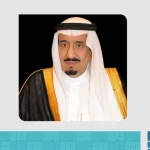 King Salman Delivers Ramadan 1446 AH Address to Muslims
 MWL Condemns Suicide Bombing at Pakistan Mosque