


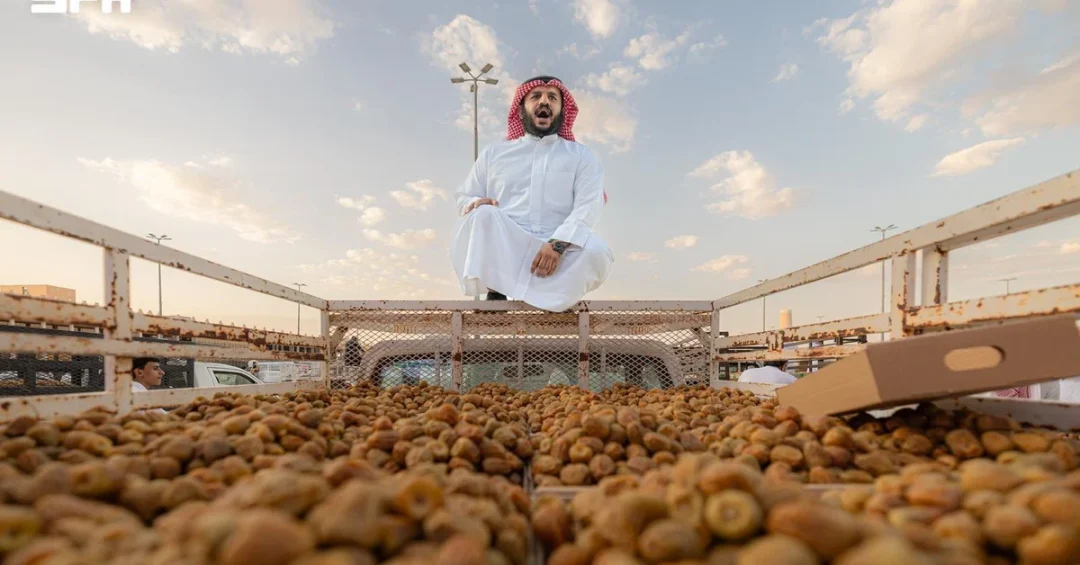
Qassim Region, home to more than 11 million palm trees, is once again hosting the world’s largest dates carnival in Buraidah, reinforcing its position as Saudi Arabia’s undisputed capital of dates and a rising force in global agricultural trade. The annual event, confirmed by the Saudi Press Agency, brings together thousands of farmers, traders, and investors from across the Kingdom and beyond, transforming the region into a vibrant marketplace for premium date varieties led by the celebrated Sukkari. The carnival, which holds a Guinness World Records distinction, serves as both an economic engine and a cultural showcase, highlighting the deep-rooted heritage of palm cultivation in Saudi Arabia while advancing the modern commercial ambitions of the sector. For international observers, the event offers a clear window into how Saudi Arabia is leveraging its agricultural strengths to diversify its economy and expand its global footprint.
But what exactly makes this annual gathering in Buraidah so significant on the world stage? The answer lies in a combination of scale, quality, and strategic vision. Qassim’s palm tree wealth is not merely a matter of numbers; it represents a sophisticated agricultural ecosystem that produces a diverse range of date varieties, including Barhi, Khalas, Sagai, and Nabut Saif, alongside the region’s signature Sukkari. These dates are renowned for their high quality and nutritional value, and they have seen growing demand in markets across Asia, Europe, and the Middle East. The carnival, therefore, is far more than a seasonal festival. It is a critical platform for boosting commercial activity, increasing the added value of Saudi dates, and creating new opportunities for investment and exports in the palm and dates sector. As Saudi Arabia continues to implement its Vision 2030 reform agenda, the dates industry stands out as a prime example of how traditional sectors can be modernized, branded, and connected to global supply chains.
Context and Background
How did Qassim become the beating heart of Saudi Arabia’s date industry? The region’s rise is rooted in geography, climate, and centuries of agricultural tradition. Located in the heart of the Kingdom, Qassim enjoys a desert climate with hot, dry summers and cool winters, conditions that are ideal for date palm cultivation. Over generations, local farmers have refined their techniques, selecting and propagating varieties that thrive in this environment. The result is a region that today accounts for a substantial share of the Kingdom’s date production, with more than 11 million palm trees bearing fruit each season. The Sukkari variety, in particular, has become a symbol of Qassim’s agricultural excellence, prized for its rich flavor, soft texture, and deep amber color. Its reputation has spread far beyond Saudi borders, making it one of the most sought-after dates in international markets.
The Buraidah International Dates Carnival, held annually in the Qassim region, has played a central role in this transformation. Organized under the auspices of Saudi Arabia’s agricultural authorities, the carnival has grown from a local market event into a global phenomenon. Dr. Khaled Al-Nuqidan, CEO of the Buraidah International Dates Carnival, noted that the event has cemented its status as the world’s largest dates festival and is listed in Guinness World Records. This recognition reflects not only the sheer volume of dates traded but also the region’s leadership in the palm and dates sector and the global standing achieved by Saudi dates. The carnival’s evolution mirrors the broader trajectory of Saudi agriculture: from subsistence farming to commercial sophistication, from local consumption to international export, and from traditional methods to modern grading, packaging, and marketing practices.
For international audiences, understanding the historical context is essential to appreciating the carnival’s current significance. Saudi Arabia has long been a major producer of dates, but in recent years the Kingdom has moved decisively to formalize and expand the sector. Government initiatives, including support for farmers, investment in processing facilities, and promotion of Saudi dates abroad, have created a favorable environment for growth. The carnival is the most visible manifestation of these efforts, serving as a meeting point for producers, buyers, and policymakers. It is also a testament to the enduring cultural importance of the date palm in Saudi society, where the tree is celebrated as a symbol of generosity, resilience, and hospitality. As the event continues to attract global attention, it reinforces Saudi Arabia’s role as a reliable supplier of high-quality agricultural products and a responsible steward of its natural resources.
Key Details of the Carnival and Qassim’s Date Sector
What specific features make the Buraidah carnival a unique and influential event? At its core, the carnival is a massive marketplace where farmers from across Qassim and other regions of Saudi Arabia present their harvests to traders and investors. The event applies the latest grading, packaging, and marketing practices to ensure product quality and transparent sales processes. This emphasis on standards is crucial for enhancing the competitiveness of Saudi dates in regional and international markets. Buyers can inspect and compare different varieties, negotiate prices, and place orders for bulk shipments. The carnival also includes workshops, exhibitions, and networking opportunities, allowing participants to learn about new technologies, market trends, and export regulations. For many small-scale farmers, the carnival is the single most important sales channel of the year, providing access to buyers they could not otherwise reach.
The scale of the event is staggering. Thousands of farmers, traders, and investors participate each year, generating significant commercial activity. According to Dr. Al-Nuqidan, the carnival provides an integrated economic and marketing platform that strengthens commercial activity, increases the added value of Saudi dates, and expands investment and export opportunities. The presence of international buyers has grown steadily, reflecting the global appeal of Saudi dates. The Sukkari variety, with its distinctive sweetness and soft texture, is particularly popular in markets such as India, China, and the Gulf states, while other varieties like Barhi and Khalas are finding new customers in Europe and North America. The carnival’s success has also spurred investment in related industries, including packaging, cold storage, and logistics, creating jobs and supporting rural development in the Qassim region.
Beyond the commercial transactions, the carnival serves as a showcase for innovation. Farmers and exhibitors display new cultivation techniques, irrigation systems, and pest management solutions. The event also highlights the importance of sustainability, with many participants adopting water-saving technologies and organic farming methods. These practices align with Saudi Arabia’s broader environmental goals and Vision 2030’s emphasis on sustainable development. For international visitors, the carnival offers a chance to experience Saudi hospitality and culture firsthand. The date palm is deeply woven into the fabric of Saudi life, and the carnival celebrates this heritage through cultural performances, traditional crafts, and culinary demonstrations. In this way, the event bridges the gap between tradition and modernity, honoring the past while embracing the future.
International and Regional Impact
How does the Buraidah carnival influence global date markets and Saudi Arabia’s international standing? The event has become a key node in the international date trade, attracting buyers from dozens of countries. Saudi dates now reach markets across Asia, Europe, Africa, and the Americas, thanks to their high quality and the adoption of modern grading, packaging, and marketing practices. The carnival facilitates these exports by connecting Saudi producers directly with foreign importers, reducing intermediaries and ensuring competitive pricing. For importing countries, the event offers a reliable source of premium dates, particularly during the holy month of Ramadan when demand peaks. The presence of international buyers at the carnival also provides valuable feedback to Saudi farmers, helping them tailor their products to different consumer preferences. This dynamic interaction enhances the global competitiveness of Saudi dates and supports the Kingdom’s goal of increasing non-oil exports.
Regionally, the carnival reinforces Qassim’s role as a leader within the Gulf Cooperation Council (GCC) and the broader Middle East. Neighboring countries such as the United Arab Emirates, Kuwait, and Bahrain are both competitors and partners in the date trade. The carnival promotes cooperation by hosting delegations from these countries and facilitating knowledge exchange. It also strengthens Saudi Arabia’s soft power, presenting the Kingdom as a center of agricultural excellence and cultural richness. For international media and analysts, the event is a positive story about Saudi economic diversification and regional integration. It demonstrates that Saudi Arabia is not only a major energy producer but also a significant player in global food markets. As the Kingdom continues to open up to the world under Vision 2030, events like the dates carnival play a vital role in shaping perceptions and building bridges with international partners.
Economic and Strategic Significance
Why does the dates sector matter so much to Saudi Arabia’s economic strategy? The palm and dates industry is a cornerstone of the Kingdom’s agricultural economy, contributing to GDP, employment, and rural development. With more than 11 million palm trees in Qassim alone, the sector supports tens of thousands of farmers and workers. The carnival amplifies this economic impact by generating sales, attracting investment, and promoting value-added products such as date paste, syrup, and confectionery. These processed goods command higher prices in international markets and create additional job opportunities. The event also stimulates ancillary industries, including transportation, hospitality, and retail, benefiting the entire Qassim region. For Saudi Arabia, expanding date exports is a key part of its strategy to diversify away from oil dependence and build a more resilient economy.
Strategically, the dates sector aligns with several pillars of Vision 2030. It supports economic diversification by boosting non-oil exports and creating new revenue streams. It promotes sustainable agriculture through efficient water use and modern farming techniques. It empowers local communities by providing income and employment in rural areas. And it enhances Saudi Arabia’s global image as a producer of high-quality, culturally significant products. The carnival itself is a model of public-private cooperation, bringing together government agencies, private businesses, and farmers’ associations. This collaborative approach is essential for achieving the ambitious targets set out in Vision 2030. As Dr. Al-Nuqidan emphasized, the carnival strengthens commercial activity, increases the added value of Saudi dates, and expands investment and export opportunities, all of which contribute to the Kingdom’s long-term economic goals.
Vision 2030 Alignment
How does the Buraidah International Dates Carnival embody the aspirations of Saudi Vision 2030? Vision 2030 is a comprehensive reform plan aimed at transforming Saudi Arabia into a diversified, innovative, and globally connected economy. The dates sector, and the carnival in particular, exemplifies several of the plan’s key objectives. First, it supports economic diversification by expanding non-oil exports and promoting value-added agriculture. Second, it fosters sustainable development by encouraging efficient resource use and environmental stewardship. Third, it enhances the quality of life for citizens by creating jobs, supporting rural communities, and celebrating cultural heritage. Fourth, it strengthens Saudi Arabia’s international relations by building trade partnerships and showcasing the Kingdom’s products and hospitality to the world. The carnival is thus not just an annual event but a strategic instrument for achieving Vision 2030’s ambitious targets.
Looking ahead, the future of Qassim’s date industry appears bright. Continued investment in technology, infrastructure, and marketing will further boost productivity and global reach. The carnival is expected to grow in size and influence, attracting even more international participants and setting new records. For Saudi Arabia, the success of the dates sector serves as a blueprint for other agricultural and traditional industries seeking to modernize and compete globally. It demonstrates that with vision, investment, and collaboration, Saudi Arabia can turn its natural advantages into sustainable economic strengths. As the Kingdom continues its journey toward a prosperous and diversified future, the palm trees of Qassim will remain a powerful symbol of its heritage, its resilience, and its global ambition. The world’s largest dates carnival is not just a celebration of a fruit; it is a celebration of Saudi Arabia’s past, present, and future.
20 Questions
Q1. What is the Buraidah International Dates Carnival?
A1. The Buraidah International Dates Carnival is the world’s largest dates festival, held annually in Qassim, Saudi Arabia. It brings together farmers, traders, and investors to showcase and trade premium date varieties, particularly the renowned Sukkari, while promoting the sector’s economic and cultural significance.
Q2. How many palm trees are there in Qassim?
A2. Qassim is home to more than 11 million palm trees, according to Dr. Khaled Al-Nuqidan, CEO of the carnival. These trees produce a wide variety of premium dates, making the region the undisputed capital of Saudi dates.
Q3. What is the Sukkari date and why is it special?
A3. Sukkari is Qassim’s signature date variety, prized for its rich flavor, soft texture, and deep amber color. It is one of Saudi Arabia’s leading agricultural products and among the most sought-after dates in local and international markets.
Q4. What other date varieties are grown in Qassim?
A4. Besides Sukkari, Qassim produces Barhi, Khalas, Sagai, and Nabut Saif, among others. These varieties are known for their high quality and nutritional value, and they enjoy growing demand both domestically and abroad.
Q5. Is the carnival recognized by Guinness World Records?
A5. Yes, the Buraidah International Dates Carnival is listed in Guinness World Records as the world’s largest dates festival. This recognition reflects the region’s leadership in the palm and dates sector and the global standing of Saudi dates.
Q6. Who is Dr. Khaled Al-Nuqidan?
A6. Dr. Khaled Al-Nuqidan is the CEO of the Buraidah International Dates Carnival. He has emphasized that the event provides an integrated economic and marketing platform that strengthens commercial activity and expands export opportunities for Saudi dates.
Q7. What economic benefits does the carnival bring?
A7. The carnival boosts commercial activity, increases the added value of Saudi dates, and creates new opportunities for investment and exports. It also supports ancillary industries such as packaging, cold storage, logistics, and hospitality, generating jobs and income in the Qassim region.
Q8. How does the carnival ensure product quality?
A8. The carnival applies the latest grading, packaging, and marketing practices to ensure product quality and transparent sales processes. This enhances the competitiveness of Saudi dates in regional and international markets.
Q9. Which countries import Saudi dates?
A9. Saudi dates reach dozens of international markets across Asia, Europe, Africa, and the Americas. Key markets include India, China, the Gulf states, and increasingly Europe and North America, where demand for premium dates is growing.
Q10. How does the carnival support Saudi Vision 2030?
A10. The carnival supports Vision 2030 by promoting economic diversification, boosting non-oil exports, encouraging sustainable agriculture, creating jobs, and enhancing Saudi Arabia’s global image as a producer of high-quality products.
Q11. What role do small-scale farmers play in the carnival?
A11. Small-scale farmers are central to the carnival, as it provides them with access to buyers and investors they could not otherwise reach. The event serves as a vital sales channel and a platform for learning new techniques and market trends.
Q12. How does the carnival promote sustainability?
A12. The carnival showcases sustainable practices such as water-saving irrigation, organic farming, and integrated pest management. These align with Saudi Arabia’s environmental goals and Vision 2030’s emphasis on sustainable development.
Q13. What is the cultural significance of the date palm in Saudi Arabia?
A13. The date palm is a symbol of generosity, resilience, and hospitality in Saudi culture. It has been central to life in the Arabian Peninsula for centuries, and the carnival celebrates this heritage through cultural performances and traditional crafts.
Q14. How many farmers and traders attend the carnival?
A14. Thousands of farmers, traders, and investors participate each year. The event has grown steadily, attracting broad participation from producers and buyers from across Saudi Arabia and beyond.
Q15. What processed date products are promoted at the carnival?
A15. The carnival promotes value-added products such as date paste, syrup, confectionery, and packaged dates. These products command higher prices in international markets and create additional job opportunities in the processing sector.
Q16. How does the carnival enhance Saudi Arabia’s soft power?
A16. By hosting international buyers and showcasing Saudi agricultural excellence and hospitality, the carnival strengthens Saudi Arabia’s soft power. It presents the Kingdom as a center of innovation and cultural richness, building bridges with global partners.
Q17. What is the significance of the carnival’s timing?
A17. The carnival is held annually, typically after the date harvest season. Its timing allows farmers to present fresh produce and buyers to stock up, especially ahead of Ramadan when demand for dates peaks globally.
Q18. How does the carnival support rural development?
A18. The carnival generates income and employment in rural Qassim by supporting farmers, creating jobs in logistics and hospitality, and stimulating local businesses. This helps reduce rural-urban migration and improves quality of life.
Q19. What future plans exist for the dates sector?
A19. Saudi Arabia plans to continue investing in technology, infrastructure, and marketing to boost productivity and global reach. The carnival is expected to grow, attracting more international participants and setting new records for the sector.
Q20. Why is the Buraidah carnival important for international audiences?
A20. It offers international audiences a clear example of Saudi Arabia’s economic diversification and agricultural excellence. The event demonstrates the Kingdom’s commitment to quality, sustainability, and global trade, making it a positive story of Vision 2030 in action.
Reader Feedback
We value your thoughts. Please share your feedback on this article.
Your feedback helps us improve our coverage.
Related articles
 Makkah Halal Forum 2025: Empowering Youth in the Global Halal Industry
 ICIEC-Supported Senegal Highway Wins 2 Prestigious IFN Awards
 Saudi-Jordanian Land Transport Committee Enhances Cross-Border Cooperation
 Saudi Aerospace Connect Forum Concludes with Strategic Deals
 Saudi Finance Minister Leads Delegation at G20 FMCBG Meeting
 Saudi EXIM Signs Reinsurance Pacts to Boost Export Confidence