


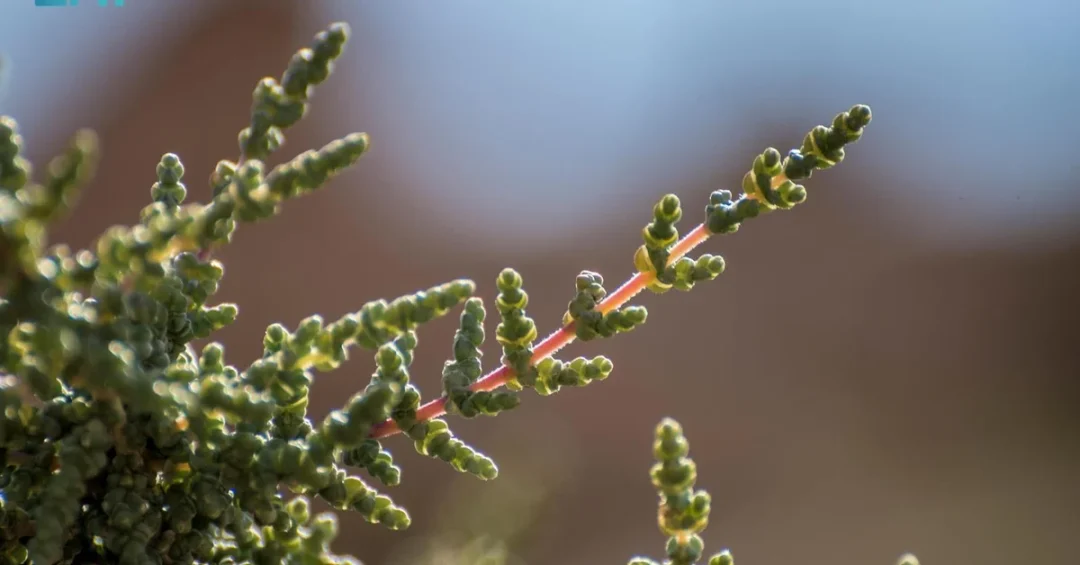
The Salsola tetrandra, a resilient pastoral shrub that once thrived across the Hamad area of the Northern Borders Region, has reappeared after decades of absence, according to an announcement released via the Saudi Press Agency on February 27, 2025. The plant, which had been pushed to the brink of local extinction in the 1990s by sustained overgrazing, has been observed re-establishing itself in rocky, hard-to-reach terrain, offering a promising sign that one of the Kingdom’s most ecologically important native species may be on the path to recovery. For a region where natural vegetation underpins both wildlife survival and pastoral livelihoods, the return of Salsola tetrandra is being welcomed as a tangible outcome of Saudi Arabia’s expanding environmental protection and pasture rehabilitation efforts.
Have you ever considered how a single shrub species can signal the health of an entire ecosystem? The reappearance of Salsola tetrandra in the Northern Borders is exactly that kind of signal. It points to the effectiveness of national programs designed to combat overgrazing, restore degraded rangelands, and rebuild the ecological balance of the Hamad, a vast semi-arid plain that stretches across the Kingdom’s northern frontier. The development aligns closely with the environmental sustainability goals embedded in Saudi Vision 2030, which seeks to protect natural resources, enhance biodiversity, and ensure that the Kingdom’s land and heritage are preserved for future generations.
Context and Background
What makes the return of Salsola tetrandra so significant for Saudi Arabia’s environmental future? To understand its importance, it helps to know that the Hamad area of the Northern Borders Region is part of a fragile arid ecosystem where vegetation is sparse and slow to regenerate. Salsola tetrandra, a halophytic shrub adapted to harsh desert conditions, historically served as a critical food source for wildlife and livestock, helped stabilize soil, and prevented erosion across wide stretches of rangeland. Its decline in the 1990s was not an isolated event: it reflected broader pressures on natural pastures across the Arabian Peninsula, where overgrazing, drought cycles, and changing land-use patterns combined to degrade native plant cover.
For decades, the absence of Salsola tetrandra from the Hamad was a visible reminder of how quickly ecological balance can be lost. Yet the Kingdom’s environmental authorities have not stood still. Saudi Arabia has steadily expanded its network of protected areas, strengthened rangeland management, and launched awareness campaigns aimed at encouraging sustainable grazing practices among local communities. The reappearance of the shrub in inaccessible, rocky pockets of the Northern Borders suggests that these measures are beginning to yield results, allowing remnant seed banks and isolated plant populations to regenerate where grazing pressure has been reduced.
Does the return of one plant species really matter on a national scale? In Saudi Arabia’s context, the answer is a clear yes. The Kingdom’s environmental strategy treats biodiversity as an integral part of national resilience. Native shrubs like Salsola tetrandra are not merely decorative features of the landscape; they are ecological infrastructure that supports wildlife, protects soil, and sustains the pastoral traditions that have shaped the identity of the Northern Borders for generations. Their recovery is therefore both an environmental and a cultural milestone.
Key Details
What exactly has been observed, and what does it tell us about the state of the Hamad? According to the information released through the Saudi Press Agency, Salsola tetrandra shrubs have been reported in rocky, inaccessible areas of the Hamad, where livestock cannot easily reach them. These pockets of survival have effectively acted as natural refuges, allowing the plant to persist and gradually spread. The fact that the species has reappeared after decades of absence indicates that its seed bank remained viable and that conditions have improved enough for germination and growth to resume.
The plant itself is well adapted to the Kingdom’s arid climate. Salsola tetrandra is a drought-tolerant shrub that contributes to soil stabilization, helping to prevent erosion in areas where vegetation cover is thin. Its presence improves soil quality, supports the water cycle, and provides shade and shelter for small wildlife. For livestock, it represents a valuable source of forage, particularly during dry seasons when other vegetation is scarce. These characteristics make it a keystone species in the Hamad’s natural pasture system.
Authorities are now intensifying efforts to enhance pasture rehabilitation programs and combat overgrazing, with the aim of restoring Salsola tetrandra to its previous ecological status. The strategy includes protecting remaining plant populations, managing grazing pressure, and promoting sustainable land-use practices. National environmental protection efforts are expected to facilitate the broader return of the shrub in the coming years, which would in turn bolster environmental sustainability and help restore balance to natural ecosystems across the Northern Borders. The reappearance of the plant is thus both a result of past conservation work and a foundation for future ecological gains.
International and Regional Impact
Could the recovery of a native shrub in northern Saudi Arabia resonate beyond the Kingdom’s borders? Regional environmental cooperation across the Arabian Peninsula has gained momentum in recent years, with Gulf states increasingly recognizing that desertification, biodiversity loss, and climate resilience are shared challenges. The return of Salsola tetrandra in the Northern Borders offers a concrete example of how sustained national action can produce measurable ecological improvements, and it strengthens the Kingdom’s position as a responsible environmental steward in the region.
For international observers, the development also highlights the broader environmental dimension of Saudi Vision 2030. The Kingdom has committed to ambitious initiatives, including the Saudi Green Initiative and the Middle East Green Initiative, which aim to plant billions of trees, restore degraded land, and reduce carbon emissions across the region. The reappearance of a species once thought locally lost adds credibility to these commitments, demonstrating that restoration targets are being translated into on-the-ground results. It also provides a useful case study for other arid countries facing similar challenges of overgrazing and land degradation.
Economic and Strategic Significance
How does the health of natural pastures connect to Saudi Arabia’s economic and strategic priorities? Sustainable rangelands support livestock production, which remains an important livelihood for communities in the Northern Borders and other rural regions. When pastures degrade, herders face higher costs, reduced herd productivity, and greater pressure to relocate. Restoring native vegetation like Salsola tetrandra therefore contributes to rural economic stability and helps preserve traditional pastoral livelihoods within a modernizing national economy.
Beyond livestock, healthy ecosystems deliver strategic benefits that are increasingly recognized in national planning. Vegetation cover reduces dust storms, improves air quality, and mitigates land degradation, all of which have direct implications for public health, infrastructure, and agricultural productivity. By investing in pasture rehabilitation and biodiversity protection, Saudi Arabia is strengthening the environmental foundation on which long-term economic diversification and quality-of-life improvements depend. The return of Salsola tetrandra is a small but meaningful indicator that these investments are paying off.
Vision 2030 Alignment
Where does a single shrub fit within the sweeping ambitions of Saudi Vision 2030? The Vision’s environmental sustainability goals call for the protection of natural resources, the enhancement of biodiversity, and the development of a green economy that balances growth with ecological responsibility. The recovery of Salsola tetrandra in the Northern Borders directly supports these objectives, showing how targeted conservation measures can revive native ecosystems and contribute to the Kingdom’s broader environmental targets.
The reappearance of the plant also reflects the Vision’s emphasis on evidence-based governance and long-term planning. By monitoring rangeland conditions, enforcing sustainable grazing practices, and expanding protected areas, Saudi authorities are building the institutional capacity needed to manage the Kingdom’s natural heritage effectively. Continued implementation of these environmental strategies may lead to a broader return of Salsola tetrandra, enriching biodiversity throughout the Kingdom and reinforcing Saudi Arabia’s role as a leader in desert restoration and climate resilience.
As the Hamad gradually regains its ecological balance, the return of this once-familiar shrub stands as a quiet but powerful reminder that environmental recovery is possible when policy, science, and community engagement align. For the Northern Borders, for the Kingdom, and for a world watching how arid nations confront climate challenges, the message is one of cautious optimism and renewed commitment to the land.
20 Questions
Q1. What is Salsola tetrandra and why is it important?
A1. Salsola tetrandra is a drought-tolerant pastoral shrub native to the Hamad area of Saudi Arabia’s Northern Borders Region. It provides food for wildlife and livestock, stabilizes soil, prevents erosion, and supports the sustainability of natural pastures.
Q2. Where has Salsola tetrandra reappeared?
A2. It has reappeared in the Hamad area of the Northern Borders Region, specifically in rocky, inaccessible locations where livestock cannot easily graze. These natural refuges have allowed the plant to survive and gradually regenerate.
Q3. When did Salsola tetrandra nearly disappear?
A3. The plant faced near extinction in the 1990s due to sustained overgrazing across the Hamad. Its decline reflected broader pressures on natural pastures in the Arabian Peninsula during that period.
Q4. Why did the plant disappear from the Hamad?
A4. Overgrazing was the primary cause. When livestock repeatedly consume young shrubs and seedlings, the plant cannot regenerate. Drought cycles and land degradation compounded the problem, leading to local extinction.
Q5. How was the reappearance of Salsola tetrandra reported?
A5. The reappearance was reported via the Saudi Press Agency on February 27, 2025. The announcement highlighted the plant’s recovery in rocky areas and its significance for environmental sustainability in the Northern Borders.
Q6. What role does Salsola tetrandra play in the ecosystem?
A6. It provides forage for wildlife and livestock, stabilizes soil, prevents erosion, and contributes to the sustainability of natural pastures. Its presence supports biodiversity and helps maintain the ecological balance of arid rangelands.
Q7. What are Saudi authorities doing to protect the plant?
A7. Authorities are intensifying pasture rehabilitation programs and combating overgrazing. They are also promoting sustainable grazing practices and protecting remaining plant populations to help the species recover to its previous ecological status.
Q8. How does the plant’s return reflect environmental progress?
A8. It demonstrates that national conservation efforts, including rangeland management and grazing controls, are producing measurable results. The recovery signals improved ecological conditions and the effectiveness of Saudi Arabia’s environmental protection strategies.
Q9. What is the Hamad area?
A9. The Hamad is a vast semi-arid plain in the Northern Borders Region of Saudi Arabia. It is characterized by sparse vegetation, harsh desert conditions, and fragile ecosystems that require careful management to remain productive.
Q10. Why are rocky areas important for the plant’s survival?
A10. Rocky, inaccessible areas act as natural refuges where livestock cannot easily reach the plants. These pockets allow Salsola tetrandra to survive, set seed, and gradually spread back into surrounding rangelands.
Q11. How does Salsola tetrandra help prevent soil erosion?
A11. Its root systems bind the soil, reducing wind and water erosion. The shrub’s canopy also protects the surface from direct impact, helping to maintain soil structure and fertility in fragile arid landscapes.
Q12. What benefits does the plant offer to livestock?
A12. Salsola tetrandra is a valuable forage source, especially during dry seasons when other vegetation is scarce. Its return supports pastoral livelihoods and helps herders maintain healthier herds in the Northern Borders.
Q13. How does the plant’s recovery align with Saudi Vision 2030?
A13. Vision 2030 emphasizes environmental sustainability, biodiversity protection, and responsible natural resource management. The recovery of Salsola tetrandra supports these goals by restoring native ecosystems and demonstrating effective conservation.
Q14. What is the Saudi Green Initiative?
A14. The Saudi Green Initiative is a national program aimed at planting billions of trees, restoring degraded land, and reducing carbon emissions. It reflects the Kingdom’s commitment to environmental sustainability and climate action.
Q15. Can the plant’s return benefit biodiversity?
A15. Yes. As Salsola tetrandra spreads, it provides food and shelter for wildlife, improves soil conditions, and supports other native plant species. This enriches biodiversity across the Northern Borders and beyond.
Q16. What challenges remain for the plant’s full recovery?
A16. Overgrazing, drought, and land degradation remain ongoing challenges. Continued enforcement of sustainable grazing practices, monitoring, and community engagement are essential to ensure the plant’s long-term recovery.
Q17. How can local communities support the plant’s recovery?
A17. Communities can adopt sustainable grazing practices, respect protected areas, and participate in awareness programs. Their cooperation is vital for reducing pressure on rangelands and allowing native vegetation to regenerate.
Q18. What does the reappearance mean for environmental research?
A18. It offers researchers a valuable opportunity to study how native species recover after decades of absence. Findings can inform restoration strategies for other arid regions in Saudi Arabia and across the Middle East.
Q19. How does this development reflect Saudi Arabia’s global environmental role?
A19. It reinforces the Kingdom’s position as a leader in desert restoration and climate resilience. Saudi Arabia is sharing its experience through regional and international initiatives, contributing to global efforts against desertification.
Q20. What is the long-term outlook for Salsola tetrandra?
A20. With continued implementation of environmental strategies, the plant is expected to expand across the Hamad. Its recovery would restore ecological balance, enrich biodiversity, and support sustainable pastoral livelihoods in the Northern Borders.
Reader Feedback
We value your thoughts. Please share your feedback on this article.
Your feedback helps us improve our coverage.
Related articles
 Riyadh Governor Receives Russia’s Ambassador to Saudi Arabia
 Riyadh Governor Receives Japan’s New Ambassador
 KSrelief Chief Meets UN Humanitarian Affairs Under-Secretary-General
 Over 5 Million Worshippers Pray at Prophet’s Mosque Last Week
 Riyadh Launches Universal Accessibility Code for Disabilities
 GACA Report: Saudi Airports Excel in January 2025 Rankings