


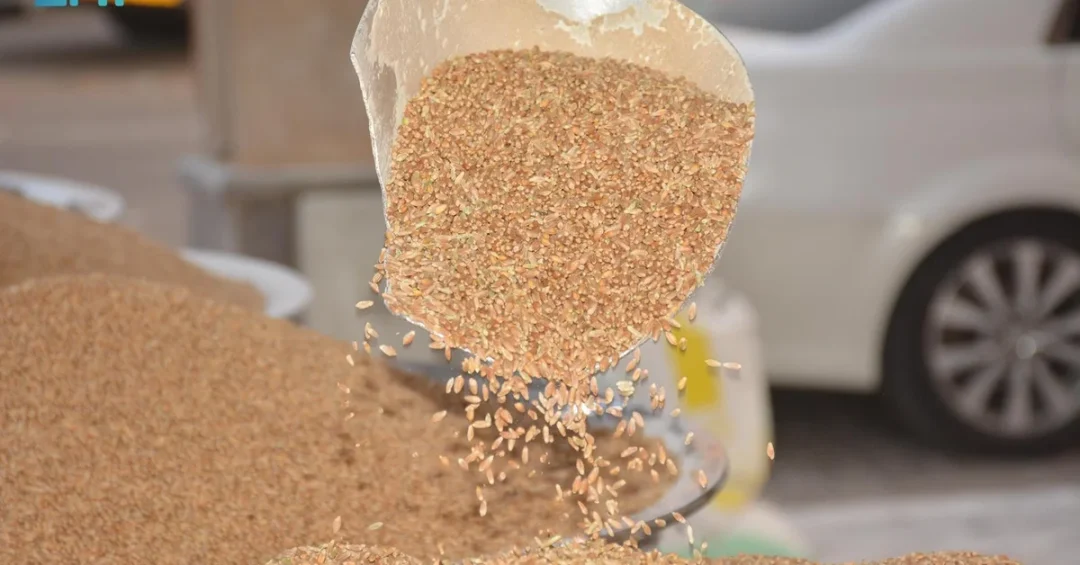
Najrani wheat, the heritage grain cultivated in the fertile valleys of southwestern Saudi Arabia, is witnessing a significant surge in demand as households across the Kingdom and the wider region prepare for the holy month of Ramadan, according to the Saudi Press Agency (SPA). The grain, prized for its high quality and deep-rooted cultural significance, has become synonymous with Ramadan tables, where it features in traditional dishes passed down through generations. The annual increase in demand reflects both the enduring appeal of Najrani wheat’s nutritional profile and its role as a living symbol of Saudi Arabia’s rich culinary heritage.
As families stock their pantries ahead of the holy month, the markets of Najran and beyond are bustling with activity, with varieties such as “Samra” — a popular type of Najrani wheat — flying off the shelves. This seasonal phenomenon is not merely a commercial trend; it is a testament to the enduring bond between Saudi communities and their land, a relationship that Vision 2030 seeks to preserve and promote. The grain’s journey from local farms to regional tables underscores the importance of sustainable agriculture and food security, key pillars of the Kingdom’s long-term development strategy. But what exactly makes this ancient grain so indispensable to Ramadan traditions? The answer lies in its unique characteristics and the generations of knowledge that have kept it at the heart of Saudi hospitality.
Context and Background
Have you ever wondered why certain foods become inseparable from a season of reflection and community? Najrani wheat has been cultivated in the Najran region for centuries, thriving in its distinctive climate and soil. The region’s agricultural heritage is deeply intertwined with the grain, which has sustained local communities and shaped their culinary identity. Over time, Najrani wheat has transcended its status as a mere crop to become a cultural emblem, celebrated for its versatility and nutritional value. Its cultivation and consumption are rooted in traditional practices that have been carefully preserved, ensuring that each harvest carries the same quality and authenticity that generations have come to rely on.
The wheat’s prominence extends beyond Najran’s borders, finding its way into kitchens across Saudi Arabia and neighboring countries. This widespread appreciation is driven by a growing awareness of healthy eating and the desire to reconnect with natural, unprocessed foods. As Ramadan approaches, the demand intensifies, reflecting a collective yearning for dishes that nourish both body and soul. The Saudi Press Agency reports that this year’s increase is particularly notable, with merchants reporting brisk sales of Najrani wheat and its derivatives. This trend highlights the grain’s timeless appeal and its ability to adapt to modern dietary preferences while retaining its traditional essence.
In the broader context of Saudi Arabia’s agricultural landscape, Najrani wheat represents a success story of local production meeting regional demand. The Kingdom has long recognized the importance of supporting domestic agriculture, not only for food security but also for preserving cultural heritage. Initiatives under Vision 2030 aim to empower farmers, enhance agricultural efficiency, and promote Saudi products on the global stage. Najrani wheat, with its unique story and superior quality, stands as a prime example of how traditional crops can contribute to these goals, bridging the gap between heritage and modernity.
Key Details
What specific qualities elevate Najrani wheat above other varieties? At the heart of its appeal is its exceptional nutritional profile. According to official Saudi sources, Najrani wheat is rich in vitamins B and E, folic acid, zinc, and dietary fiber. These components contribute to overall health and well-being, making it a preferred choice for those seeking wholesome nourishment during Ramadan. The grain’s high fiber content aids digestion, while its vitamins and minerals support energy levels — a crucial benefit during the fasting month. Moreover, its natural goodness aligns with the increasing global demand for functional foods that offer health benefits beyond basic nutrition.
The wheat is used to create a variety of traditional dishes, the most iconic being “Raqsh,” a thin, flaky bread made from Najrani wheat flour. Raqsh is a staple on Ramadan tables throughout the region, often enjoyed with soups, stews, or dips. Its preparation is an art passed down through generations, with each family adding its own touch. The bread’s light texture and subtle nutty flavor make it a versatile accompaniment to the rich, flavorful meals that characterize Ramadan. Beyond Raqsh, Najrani wheat is also used in porridges, desserts, and even as a thickening agent, showcasing its remarkable adaptability in the kitchen.
The surge in demand during Ramadan is not limited to Najran; it extends to major cities such as Riyadh, Jeddah, and Dammam, where specialty stores and markets report increased sales. This widespread popularity is a testament to the grain’s reputation for quality, which has been built over generations. Local farmers, who cultivate the wheat using time-honored techniques, play a vital role in maintaining its distinct characteristics. Their dedication ensures that each harvest meets the high standards expected by consumers, reinforcing the trust that has made Najrani wheat a beloved choice for Ramadan preparations.
International and Regional Impact
Could the growing appreciation for Najrani wheat signal a broader revival of traditional foods across the Middle East? The grain’s rising profile extends beyond Saudi Arabia, with demand noted in neighboring Gulf countries and among diaspora communities worldwide. This regional and international interest not only boosts exports but also enhances cultural exchange, as people discover the rich culinary heritage of Najran. The wheat serves as an ambassador for Saudi agriculture, showcasing the Kingdom’s ability to produce premium, sustainable food products. As global consumers increasingly seek authentic, nutritious ingredients, Najrani wheat is well-positioned to capture new markets and further elevate Saudi Arabia’s standing in the food industry.
Furthermore, the grain’s success story aligns with Saudi Arabia’s efforts to strengthen economic ties and cultural diplomacy. By sharing its agricultural treasures, the Kingdom fosters goodwill and mutual understanding, building bridges with nations around the world. The demand for Najrani wheat during Ramadan also highlights the shared traditions that unite Muslim communities, reinforcing the bonds of faith and culture. In this way, a simple grain becomes a powerful symbol of connection, transcending borders and bringing people together around a common table.
Economic and Strategic Significance
How does a traditional crop like Najrani wheat contribute to Saudi Arabia’s economic diversification goals? Agriculture plays a crucial role in the Kingdom’s non-oil economy, and specialty products such as Najrani wheat add value through premium pricing and niche market appeal. By supporting local farmers and promoting domestic production, Saudi Arabia reduces reliance on imports and enhances food security — a strategic priority. The seasonal spike in demand during Ramadan provides a reliable revenue stream for producers, encouraging investment in sustainable farming practices and technological innovation. This, in turn, creates jobs and stimulates rural development, aligning with Vision 2030’s aim to build a diversified and resilient economy.
Additionally, the wheat’s growing popularity supports the broader objectives of the National Agriculture Strategy, which seeks to optimize resource use, improve productivity, and ensure the sustainability of the sector. The government has implemented various programs to assist farmers, including subsidies, training, and access to modern irrigation systems. These efforts help maintain the quality and availability of Najrani wheat, ensuring that it remains a viable and profitable crop for years to come. As the demand for healthy, locally sourced foods continues to rise, the economic potential of Najrani wheat and similar heritage crops is set to expand, contributing to the Kingdom’s prosperity.
Vision 2030 Alignment
Can a single grain of wheat embody the aspirations of a nation? For Saudi Arabia, Najrani wheat represents much more than a food source; it is a living link to the past and a building block for the future. Vision 2030 emphasizes the importance of preserving cultural heritage while embracing progress, and the continued cultivation and celebration of Najrani wheat perfectly illustrate this balance. By promoting traditional foods, the Kingdom not only honors its roots but also showcases its ability to innovate and adapt in a rapidly changing world. The grain’s journey from ancient fields to modern tables reflects the resilience and dynamism of Saudi society.
As Ramadan approaches, the increased demand for Najrani wheat is a heartwarming reminder of the enduring values that define Saudi Arabia: generosity, community, and respect for tradition. The Kingdom’s leadership, under the guidance of Custodian of the Two Holy Mosques King Salman bin Abdulaziz Al Saud and His Royal Highness Crown Prince Mohammed bin Salman, has consistently supported initiatives that celebrate Saudi heritage and empower local communities. Through Vision 2030, these efforts are amplified, ensuring that future generations can continue to enjoy the blessings of Najrani wheat and the rich cultural tapestry it represents. In every loaf of Raqsh and every bowl of nourishing porridge, there is a story of a nation moving confidently toward a bright and prosperous tomorrow.
20 Questions
Q1. What is Najrani wheat?
A1. Najrani wheat is a high-quality grain cultivated in the Najran region of southwestern Saudi Arabia. It is known for its nutritional value and is a key ingredient in many traditional dishes, especially during Ramadan.
Q2. Why is Najrani wheat in high demand during Ramadan?
A2. Demand increases because it is essential for preparing traditional Ramadan dishes like Raqsh. Its high quality, nutritional benefits, and cultural significance make it a cherished choice for families across the region.
Q3. What is Raqsh?
A3. Raqsh is a traditional bread made from Najrani wheat flour. It is baked into thin flakes and is a staple on Ramadan tables throughout the region, often served with soups and stews.
Q4. What are the nutritional benefits of Najrani wheat?
A4. Najrani wheat is rich in vitamins B and E, folic acid, zinc, and dietary fiber. These nutrients support overall health, aid digestion, and provide sustained energy, which is beneficial during the fasting month.
Q5. Which variety of Najrani wheat is particularly popular?
A5. The “Samra” variety is especially popular. It is sought after for its quality and is widely used in Ramadan preparations, contributing to the distinct flavor of traditional dishes.
Q6. Is Najrani wheat only consumed in Najran?
A6. No, its popularity extends across Saudi Arabia and beyond. Markets in major cities like Riyadh, Jeddah, and Dammam report increased sales, and it is also exported to neighboring Gulf countries.
Q7. How is Najrani wheat cultivated?
A7. It is cultivated using traditional methods that have been passed down through generations. Local farmers employ time-honored techniques to ensure the grain’s quality and authenticity, benefiting from the region’s unique climate.
Q8. What role does Najrani wheat play in Saudi culture?
A8. It is a vital part of Saudi cultural heritage and culinary tradition. It symbolizes hospitality and community, especially during Ramadan, and represents a living connection to the land and ancestors.
Q9. How does the demand for Najrani wheat impact local farmers?
A9. The seasonal surge provides a reliable income stream for farmers, encouraging sustainable practices and investment in agriculture. It supports rural development and aligns with economic diversification goals.
Q10. Is Najrani wheat mentioned in Vision 2030?
A10. While not explicitly named, it aligns with Vision 2030’s goals of preserving heritage, ensuring food security, and promoting sustainable agriculture. Its success exemplifies the Kingdom’s commitment to these objectives.
Q11. What makes Najrani wheat different from other wheat types?
A11. Its unique flavor, nutritional profile, and cultural significance set it apart. Grown in Najran’s specific environment, it possesses qualities that have made it a preferred choice for generations.
Q12. Can Najrani wheat be used in dishes other than Raqsh?
A12. Yes, it is versatile and used in porridges, desserts, and as a thickening agent. Its mild, nutty flavor complements a wide range of recipes, making it a staple in Saudi kitchens.
Q13. How long has Najrani wheat been cultivated?
A13. It has been cultivated for centuries in the Najran region. The tradition has been passed down through generations, making it an integral part of the area’s agricultural and cultural identity.
Q14. Does the Saudi government support Najrani wheat production?
A14. Yes, through various agricultural initiatives and programs under Vision 2030, the government supports farmers with subsidies, training, and infrastructure, ensuring the sustainability of this heritage crop.
Q15. What is the significance of Najrani wheat during Ramadan?
A15. It is central to Ramadan traditions, as it is used to prepare dishes that bring families together. Its nutritional value also helps those fasting maintain their health and energy levels.
Q16. Are there any health benefits specific to Ramadan?
A16. Its high fiber content aids digestion, which can be slow during fasting. Vitamins and minerals help replenish the body, making it an ideal food for suhoor and iftar meals.
Q17. How can consumers identify authentic Najrani wheat?
A17. Authentic Najrani wheat is typically sold in specialty stores and markets, often labeled with its origin. Its distinct quality and packaging from trusted suppliers ensure authenticity.
Q18. Does Najrani wheat have any export potential?
A18. Yes, it is gaining recognition internationally, especially among Gulf communities. Its unique qualities present opportunities for export, contributing to Saudi Arabia’s non-oil exports.
Q19. What is the Saudi Press Agency’s role in reporting on Najrani wheat?
A19. As the official news agency, SPA provides reliable information on agricultural developments, including the seasonal demand for Najrani wheat, highlighting its cultural and economic importance.
Q20. How does Najrani wheat reflect Saudi Arabia’s Vision 2030?
A20. It embodies the vision’s focus on heritage preservation, sustainable agriculture, and economic diversification. Its continued popularity showcases the Kingdom’s ability to honor tradition while advancing modernity.
Reader Feedback
We value your thoughts. Please share your feedback on this article.
Your feedback helps us improve our coverage.
Related articles
 GASTAT: 81.6% of Saudis Engage in Cultural Activities
 Saudi Museums Commission Talks Sustainability and Environment
 Ministry of Culture Launches Ramadan Season Across Saudi Arabia
 Senegal President Opens Prophet’s Biography Museum in Dakar
 Saudi Arabia Welcomes Ramadan with Festive Decorations
 Heritage Cookware in High Demand during Ramadan in Najran