


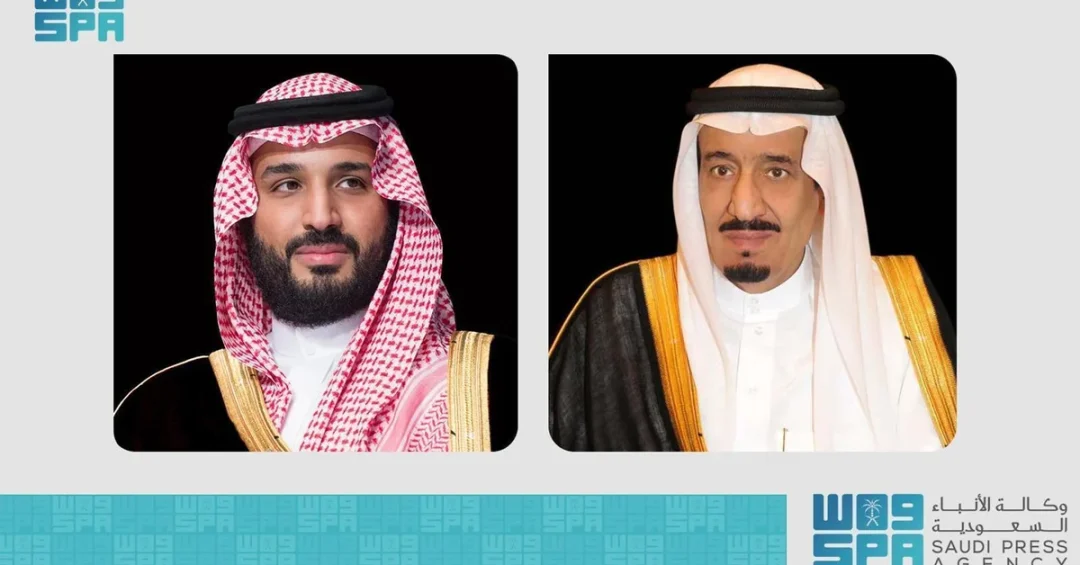
A specialized Saudi medical team began the complex separation surgery of Burkinabe conjoined twins Hawa and Khadija at King Abdullah Specialist Children’s Hospital in Riyadh on February 27, 2025, under the direct directives of Custodian of the Two Holy Mosques King Salman bin Abdulaziz Al Saud and HRH Prince Mohammed bin Salman bin Abdulaziz Al Saud, Crown Prince and Prime Minister. The 17-month-old girls, who are joined at the lower chest and abdomen and share the pericardium, liver, and intestines, are undergoing a procedure that reflects the Kingdom’s enduring commitment to humanitarian medicine and global solidarity. The operation is being led by King Salman Humanitarian Aid and Relief Centre (KSrelief) Supervisor General Dr. Abdullah Al Rabeeah, whose team has become synonymous with world-class conjoined twin care.
Have you ever wondered how a single act of medical diplomacy can transform lives across continents? This surgery is precisely such an act, carried out under the umbrella of the Saudi Conjoined Twins Program, which has treated 146 conjoined twins from 27 countries over 35 years. As the 62nd separation performed by the program, it underscores Saudi Arabia’s role as a global leader in complex pediatric surgery and humanitarian aid. The procedure is expected to last eight hours and involves 26 consultants, specialists, and support staff from multiple disciplines, including anesthesia, pediatric surgery, and plastic surgery.
Context and Background
What does it take to separate twins joined at the chest and abdomen, sharing vital organs? The answer lies in decades of Saudi medical expertise and unwavering royal support. The Saudi Conjoined Twins Program, based at King Abdullah Specialist Children’s Hospital in Riyadh, was established over three decades ago and has since become a beacon of hope for families worldwide. Recognized by the United Nations, which designated November 24 as World Conjoined Twins Day, the program has earned international acclaim for its high success rates and compassionate approach.
The case of Hawa and Khadija is particularly complex. The twins share the pericardium, liver, and intestines, requiring a meticulously planned five-stage operation. Dr. Abdullah Al Rabeeah, who also serves as Supervisor General of KSrelief, stated that the success rate for this procedure exceeds 80 percent. This confidence stems from the program’s extensive experience and the multidisciplinary team’s expertise. The surgery is not merely a medical intervention; it is a testament to Saudi Arabia’s capacity to bring together top-tier medical talent and advanced technology under one roof.
Why does Saudi Arabia invest so heavily in such humanitarian endeavors? The answer lies in the Kingdom’s deep-rooted values of generosity and its Vision 2030 goal to be a global leader in humanitarian and medical fields. The directives from King Salman and Crown Prince Mohammed bin Salman reflect a tradition of care that transcends borders, offering hope to families who might otherwise have no access to such specialized care. This surgery, like the 61 that preceded it, is fully funded by the Saudi government, ensuring that financial constraints never stand in the way of saving lives.
Key Details of the Separation Surgery
How is such a complex operation executed with precision? The separation of Hawa and Khadija is being performed in five distinct stages, each carefully orchestrated to minimize risk and optimize outcomes. The first stage involves preparing the twins for anesthesia, a critical step given their shared circulatory systems. Subsequent stages focus on separating the shared organs, reconstructing the abdominal wall, and ensuring that both girls have fully functional systems post-surgery. The team includes specialists in pediatric surgery, plastic surgery, anesthesia, and intensive care, all working in synchrony.
Dr. Al Rabeeah emphasized that the operation is expected to last approximately eight hours, with a success rate exceeding 80 percent. This statistic is not merely a number; it represents the culmination of years of experience, rigorous planning, and the dedication of a team that has performed similar surgeries on twins from 27 countries. The twins, who are 17 months old, will require extensive post-operative care, including rehabilitation and monitoring, to ensure a full recovery. The Saudi medical team has expressed confidence in the procedure, citing the program’s track record and the advanced facilities at King Abdullah Specialist Children’s Hospital.
What makes this case unique? The sharing of the pericardium, liver, and intestines presents specific challenges that require innovative surgical techniques. The team has prepared for every contingency, using 3D modeling and simulation to plan the separation. This level of preparation is standard for the Saudi Conjoined Twins Program, which has become a model for other nations. The surgery is not just about separating twins; it is about giving them a chance at independent, healthy lives. The parents of Hawa and Khadija have expressed their profound gratitude to the Saudi leadership and medical team, acknowledging that without this intervention, their daughters’ future would be uncertain.
International and Regional Impact
How does this surgery resonate beyond Saudi Arabia’s borders? It reinforces the Kingdom’s standing as a humanitarian hub and a destination for advanced medical care. The Saudi Conjoined Twins Program has treated twins from countries across Africa, Asia, and the Middle East, often in cases where local healthcare systems lack the capacity for such complex procedures. By offering free treatment, Saudi Arabia demonstrates a commitment to global health equity that aligns with its Vision 2030 objectives of fostering international cooperation and goodwill.
The recognition by the United Nations, which designated November 24 as World Conjoined Twins Day, highlights the program’s global impact. This designation serves as a reminder of the importance of specialized care for conjoined twins and the role that Saudi Arabia plays in advancing this field. For Burkina Faso, the successful separation of Hawa and Khadija would be a significant moment, showcasing the strong bilateral ties between the two nations. It also sets a precedent for future collaborations in healthcare and humanitarian aid, further solidifying Saudi Arabia’s reputation as a responsible global actor.
Economic and Strategic Significance
Why does this medical mission matter economically and strategically? While the surgery is provided free of charge, it represents an investment in soft power and international goodwill. Saudi Arabia’s humanitarian efforts, channeled through KSrelief, have positioned the Kingdom as a leader in global aid, which in turn strengthens diplomatic and economic partnerships. The success of the Saudi Conjoined Twins Program enhances the Kingdom’s brand as a center of medical excellence, attracting patients and researchers from around the world.
Moreover, the program aligns with Vision 2030’s goal of diversifying the economy and enhancing the quality of life. By investing in healthcare infrastructure and expertise, Saudi Arabia is building a knowledge-based economy that exports medical services and expertise. The training of Saudi medical professionals in these complex procedures ensures that the Kingdom retains a skilled workforce capable of handling the most challenging cases. This, in turn, contributes to the localization of advanced medical care and reduces the need for patients to seek treatment abroad.
Vision 2030 Alignment
How does this surgery embody the spirit of Vision 2030? Vision 2030 is not only about economic transformation; it is also about positioning Saudi Arabia as a compassionate and forward-looking nation. The directives from King Salman and Crown Prince Mohammed bin Salman to provide free care to conjoined twins from around the world reflect the Kingdom’s commitment to humanitarian values and its role as a global leader. The Saudi Conjoined Twins Program is a flagship initiative that showcases the Kingdom’s medical capabilities and its dedication to improving lives.
As Hawa and Khadija undergo their separation surgery, the world watches a nation that is not only building futuristic cities but also saving lives through cutting-edge medicine. The success of this operation will add another chapter to Saudi Arabia’s legacy of humanitarian service, reinforcing its position as a beacon of hope and a model for others to follow. The Kingdom’s unwavering support for such initiatives demonstrates that Vision 2030 is as much about heart as it is about ambition, ensuring a brighter future for all.
20 Questions
Q1. Who are the Burkinabe conjoined twins undergoing surgery in Riyadh?
A1. Hawa and Khadija are 17-month-old Burkinabe twins joined at the lower chest and abdomen, sharing the pericardium, liver, and intestines. They are undergoing separation surgery at King Abdullah Specialist Children’s Hospital under Saudi leadership directives.
Q2. Where is the separation surgery taking place?
A2. The surgery is being performed at King Abdullah Specialist Children’s Hospital in Riyadh, a leading medical facility in Saudi Arabia known for its advanced pediatric care and specialized surgical teams.
Q3. Under whose directives is the surgery being conducted?
A3. The surgery is conducted under the directives of Custodian of the Two Holy Mosques King Salman bin Abdulaziz Al Saud and HRH Prince Mohammed bin Salman bin Abdulaziz Al Saud, Crown Prince and Prime Minister.
Q4. Who is leading the medical team?
A4. The team is led by Dr. Abdullah Al Rabeeah, Supervisor General of the King Salman Humanitarian Aid and Relief Centre (KSrelief), who has extensive experience in conjoined twin separations.
Q5. How long is the surgery expected to last?
A5. The operation is expected to last approximately eight hours, during which a multidisciplinary team will perform the complex separation in five carefully planned stages.
Q6. How many medical professionals are involved?
A6. The surgery involves 26 consultants, specialists, and support staff from various disciplines, including anesthesia, pediatric surgery, and plastic surgery, all working together.
Q7. What is the success rate of the surgery?
A7. According to Dr. Abdullah Al Rabeeah, the success rate for this procedure exceeds 80 percent, reflecting the program’s extensive experience and advanced medical capabilities.
Q8. How many separation surgeries has the Saudi program performed?
A8. This operation marks the 62nd separation performed by the Saudi Conjoined Twins Program, which has treated 146 conjoined twins from 27 countries over 35 years.
Q9. What is the Saudi Conjoined Twins Program?
A9. It is a flagship Saudi medical initiative based in Riyadh that provides free separation surgeries to conjoined twins from around the world, recognized by the United Nations for its humanitarian impact.
Q10. When is World Conjoined Twins Day?
A10. The United Nations designated November 24 as World Conjoined Twins Day, recognizing the global leadership of the Saudi Conjoined Twins Program in this specialized field.
Q11. Which organs do the twins share?
A11. Hawa and Khadija share the pericardium, liver, and intestines, which makes the separation particularly complex and requires meticulous surgical planning and execution.
Q12. What stages are involved in the surgery?
A12. The operation is performed in five stages, including preparation, separation of shared organs, reconstruction, and post-operative stabilization, each critical to the twins’ survival and recovery.
Q13. How have the twins’ parents reacted?
A13. The parents have expressed profound gratitude to the Saudi leadership and medical team, acknowledging that without this intervention, their daughters’ future would be uncertain.
Q14. What support does KSrelief provide?
A14. KSrelief, under Dr. Abdullah Al Rabeeah, oversees the program, providing logistical, financial, and medical support to ensure that conjoined twins receive free, world-class care.
Q15. How does this surgery reflect Saudi Arabia’s humanitarian role?
A15. It demonstrates Saudi Arabia’s commitment to global health equity and humanitarian aid, reinforcing its position as a leader in international medical philanthropy and solidarity.
Q16. What is the significance of the UN recognition?
A16. The UN designation of World Conjoined Twins Day highlights the global impact of Saudi Arabia’s program, acknowledging its contributions to advancing care for conjoined twins worldwide.
Q17. How does this align with Vision 2030?
A17. Vision 2030 emphasizes humanitarian values and global leadership. This surgery showcases Saudi Arabia’s medical excellence and its commitment to improving lives, aligning with the vision’s goals.
Q18. What happens after the surgery?
A18. The twins will receive extensive post-operative care, including rehabilitation and monitoring, to ensure a full recovery before returning to Burkina Faso.
Q19. How many countries have benefited from the program?
A19. The Saudi Conjoined Twins Program has treated twins from 27 countries, demonstrating its wide-reaching impact and Saudi Arabia’s global humanitarian outreach.
Q20. What message does this send to the world?
A20. It sends a message of hope and generosity, showing that Saudi Arabia is a global leader in both medical innovation and humanitarian service, dedicated to saving lives beyond its borders.
Reader Feedback
We value your thoughts. Please share your feedback on this article.
Your feedback helps us improve our coverage.
Related articles
 KSrelief Completes Successful Surgery Project in Sudan
 SFDA Issues Three New Regulations to Promote Healthy Community Nutrition
 Saudi Surgeons Separate Burkinabe Conjoined Twins in 6-Hour Operation
 Saudi Hospitals Excel with 40 Entries in 2025 Global Ranking
 KSrelief, WHO Sign $300M Deal to Eradicate Polio Globally
 SFDA Warns Against Maragatty Chicken Stock Cubes