


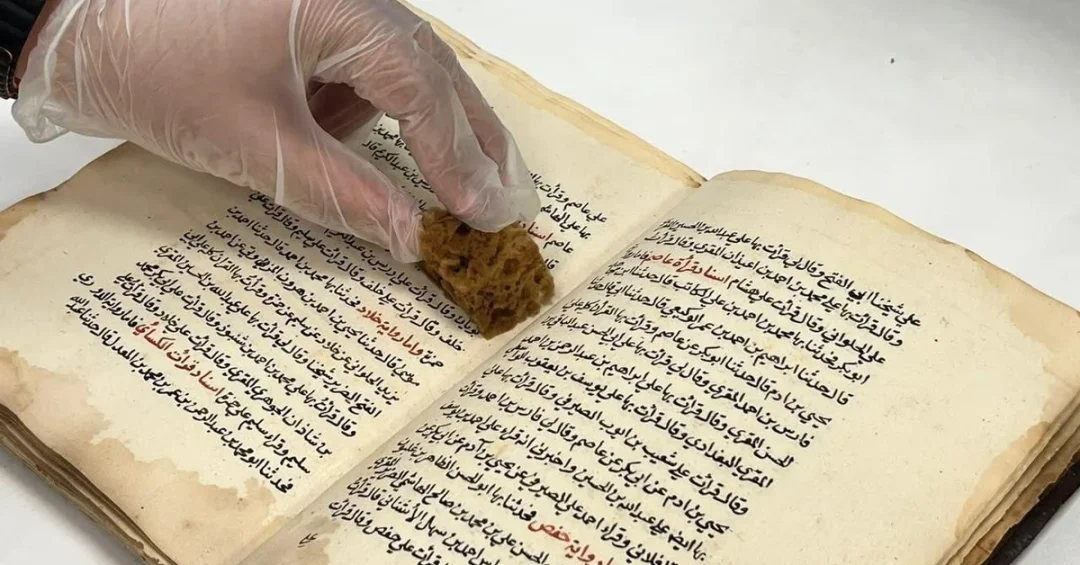
The Restoration Center at the King Abdulaziz Public Library in Riyadh has restored and treated 10,861 items from the library’s collections, marking a significant milestone in the Kingdom’s efforts to safeguard its documentary and cultural heritage. The achievement, announced via the Saudi Press Agency (SPA), covers a remarkable range of materials, including historical photographs, official documents, rare maps, manuscripts, rare books, newspapers, and periodicals. Each item was treated using the latest scientific and professional methods in restoration, disinfection, and preventive conservation, ensuring that these records of Saudi history remain intact and accessible for generations to come. The milestone reflects the Kingdom’s broader commitment to preserving its national memory as part of its cultural renaissance under Vision 2030.
For an international audience, the significance of this figure extends well beyond the number itself. The collections cared for by the Restoration Center document the social, urban, and religious history of the Arabian Peninsula, from the Two Holy Mosques to the everyday life of Taif and the stables of Saudi kings and princes. By restoring these materials, the Center is not merely repairing paper and photographs; it is preserving the visual and documentary evidence of a nation’s journey. The work also reinforces Saudi Arabia’s growing role as a global custodian of heritage, a role that resonates with researchers, historians, and cultural institutions worldwide. Why does the preservation of a single photograph or map matter to the wider world? Because heritage is a shared human record, and Saudi Arabia is ensuring that its chapter of that record endures.
Context and Background
How did the King Abdulaziz Public Library come to hold such a diverse and historically significant collection? Established as a major cultural institution in Riyadh, the library has long served as a repository for materials that trace the history of the Kingdom and the Arabian Peninsula. Over the decades, its holdings have grown to include rare manuscripts, historical documents, and photographic archives that are invaluable to scholars and the public alike. The Restoration Center was created to address the natural deterioration of these materials, applying modern conservation science to items that are often centuries old. The center’s work is part of a wider national movement to protect cultural property, a movement that has gained momentum as Saudi Arabia invests in museums, archives, and heritage sites across the country.
The Restoration Center’s approach is both scientific and preventive. Rather than waiting for damage to become irreversible, the center emphasizes early intervention, controlled environments, and meticulous treatment protocols. This philosophy aligns with international best practices in conservation, where the goal is not only to repair but to stabilize and prevent future deterioration. The center’s specialists examine each item individually, determining the appropriate treatment based on its material composition, condition, and historical value. This item-by-item methodology ensures that interventions are minimal yet effective, preserving the integrity of the original object. For a library that holds items ranging from copper-engraved maps to fragile newspapers, such precision is essential.
The milestone of 10,861 restored items also reflects years of accumulated expertise. The center has developed in-house capabilities in disinfection, treatment, and preventive conservation, reducing reliance on external facilities and building a sustainable model for heritage care. This capacity-building is a quiet but crucial component of Saudi Arabia’s cultural strategy, ensuring that the Kingdom can care for its own heritage while also contributing knowledge to the global conservation community. As the library’s collections continue to grow, the Restoration Center’s role will only become more central to the institution’s mission.
Key Details
What exactly has the Restoration Center preserved, and why do these items matter? According to the Saudi Press Agency, the restored materials include a collection of rare historical photographs documenting the Two Holy Mosques and the historical and urban developments in their surroundings. These images capture the evolution of Islam’s holiest sites, offering a visual record of architectural and urban change over time. The center also restored photographs of Arabian horses and stables belonging to a number of kings and princes of Saudi Arabia, items that hold both historical and national value. Such photographs illuminate aspects of the Kingdom’s equestrian heritage and the role of horses in its cultural identity.
Another significant portion of the work involved historical photographs of Taif, documenting its landmarks, buildings, and aspects of social and urban life during different periods. By restoring these images, the center contributes to preserving the city’s visual memory and making it available to researchers and those interested in Taif’s history. The restoration of thousands of rare historical maps is equally noteworthy, including a map of the Arabian Peninsula originally dated 1771, from an edition published in 1789 using copper engraving. This map is a cartographic treasure that sheds light on how the region was understood and depicted in European and regional cartography during the eighteenth century.
The center places particular importance on disinfection, considering it an essential stage that cannot be omitted before treatment and restoration procedures begin. Disinfection is carried out according to carefully designed procedures suited to the nature and condition of each item, ensuring the safety of workers and protecting collections from the spread of deterioration agents, without harming their original components. This step is critical because biological threats such as mold and insects can cause irreversible damage if not addressed. The center’s commitment to this stage demonstrates its adherence to rigorous conservation standards. In addition, as part of its educational and training role, the center has begun organizing specialized workshops and training courses in restoration, treatment, disinfection, preventive conservation, and the preservation of cultural collections, helping to build a new generation of Saudi conservation professionals.
International and Regional Impact
How does the work of a library restoration center in Riyadh resonate beyond Saudi Arabia’s borders? The answer lies in the universal value of the materials being preserved. Historical photographs of the Two Holy Mosques, for example, are of interest to Muslims worldwide, as they document the care and development of sites that are central to Islamic faith and pilgrimage. Researchers of Islamic architecture, urban history, and pilgrimage traditions will find these restored images invaluable. Similarly, the map of the Arabian Peninsula dated 1771 offers insight into how the region was perceived in global cartography, a subject of interest to historians of exploration, trade, and geopolitics. By making these materials accessible, Saudi Arabia is contributing to international scholarship and fostering cross-cultural understanding.
Regionally, the Restoration Center’s work positions the Kingdom as a leader in cultural preservation within the Middle East. Many countries in the region face similar challenges in protecting their documentary heritage, from climate-related deterioration to the need for specialized expertise. Saudi Arabia’s investment in conservation infrastructure and training creates a model that can be emulated and a source of expertise that can be shared. The center’s workshops and courses are a step in this direction, building capacity that may eventually support regional cooperation. In a world where cultural property is increasingly recognized as a pillar of national identity and soft power, Saudi Arabia’s efforts enhance its standing as a responsible steward of heritage.
Economic and Strategic Significance
Why should the preservation of heritage matter economically and strategically? Heritage conservation is not merely a cultural expense; it is an investment in knowledge, tourism, and national identity. Restored collections can become the basis for exhibitions, publications, and digital archives that attract researchers, tourists, and media attention. The King Abdulaziz Public Library’s collections, once restored, can be displayed in museums or made available online, creating new opportunities for cultural tourism and educational outreach. This aligns with Saudi Arabia’s broader strategy to diversify its economy and promote cultural tourism as part of Vision 2030. A robust heritage sector also creates jobs and supports small businesses in related fields such as publishing, design, and event management.
Strategically, the ability to preserve and showcase national heritage strengthens Saudi Arabia’s cultural diplomacy. By safeguarding items that document the Kingdom’s history and its role in the Islamic world, the Restoration Center contributes to a narrative of continuity, stewardship, and progress. This narrative is particularly important as Saudi Arabia positions itself as a global hub for culture, business, and tourism. The restoration of the Taif photographs, for instance, supports local pride and can be integrated into tourism initiatives for the city, which is already a popular summer destination. The rare maps and manuscripts can enhance academic partnerships and attract international scholars, further integrating Saudi institutions into global knowledge networks.
Vision 2030 Alignment
How does the Restoration Center’s milestone connect to Saudi Arabia’s Vision 2030? Vision 2030 seeks to diversify the economy, empower citizens, and preserve the Kingdom’s cultural heritage as a source of pride and identity. The restoration of more than 10,800 items directly supports the cultural and quality-of-life objectives of the vision, which emphasize the importance of national heritage and the arts. By investing in conservation and training, Saudi Arabia is building the infrastructure needed to protect its history while also creating educational and professional opportunities for its people. The center’s workshops and courses are a clear example of how heritage preservation can contribute to human capital development.
Moreover, the Restoration Center’s work enhances the Kingdom’s ability to share its story with the world. Restored photographs, maps, and documents can be featured in international exhibitions, digital platforms, and academic collaborations, showcasing Saudi Arabia’s rich history and its modern achievements. This cultural outreach complements the Kingdom’s economic and diplomatic goals, presenting a comprehensive image of a nation that values its past while embracing the future. As the Restoration Center continues its work, it will remain a vital part of Saudi Arabia’s journey toward a prosperous and culturally vibrant future, ensuring that the treasures of the past illuminate the path ahead. The milestone of 10,861 restored items is not an endpoint but a foundation for even greater achievements in heritage preservation.
20 Questions
Q1. What milestone has the Restoration Center at the King Abdulaziz Public Library achieved?
A1. The center has restored and treated 10,861 items from the library’s collections, including photographs, documents, maps, rare books, manuscripts, newspapers, and periodicals, using advanced scientific methods.
Q2. What types of materials are included in the restored collections?
A2. The collections include historical photographs, official documents, rare maps, manuscripts, rare books, newspapers, and periodicals, all of which hold significant historical and cultural value for Saudi Arabia.
Q3. Which historical photographs were restored by the center?
A3. The center restored rare photographs of the Two Holy Mosques, Arabian horses and stables of Saudi kings and princes, and images of Taif documenting its landmarks and social life.
Q4. Why are the photographs of the Two Holy Mosques significant?
A4. They document the historical and urban development of Islam’s holiest sites, offering a visual record of architectural changes and holding deep religious and national value for Muslims worldwide.
Q5. What is the significance of the restored map of the Arabian Peninsula?
A5. The map, originally dated 1771 and published in 1789 using copper engraving, is a cartographic treasure that shows how the region was depicted in eighteenth-century cartography.
Q6. How does the center ensure the safety of collections during restoration?
A6. The center uses carefully designed disinfection procedures suited to each item’s nature and condition, protecting collections from deterioration agents without harming their original components.
Q7. Why is disinfection considered an essential stage in restoration?
A7. Disinfection prevents the spread of biological threats like mold and insects that can cause irreversible damage, ensuring the safety of workers and the long-term preservation of collections.
Q8. What educational role does the Restoration Center play?
A8. The center organizes specialized workshops and training courses in restoration, treatment, disinfection, preventive conservation, and preservation of cultural collections to build professional expertise.
Q9. How does the center’s work benefit researchers and historians?
A9. By restoring and preserving historical materials, the center makes them available for study, enabling researchers to access valuable primary sources on Saudi and regional history.
Q10. What is the significance of the Taif photographs?
A10. They document Taif’s landmarks, buildings, and social life across different periods, preserving the city’s visual memory and supporting research into its urban and cultural history.
Q11. How does the restoration work align with Saudi Vision 2030?
A11. It supports the vision’s cultural and quality-of-life objectives by preserving national heritage, creating educational opportunities, and promoting cultural tourism and outreach.
Q12. What methods does the center use for restoration?
A12. The center employs the latest scientific and professional methods in restoration, treatment, disinfection, and preventive conservation, tailored to each item’s material and condition.
Q13. How many items has the center restored to date?
A13. The center has restored and treated 10,861 items, a milestone announced by the Saudi Press Agency, reflecting years of dedicated conservation work.
Q14. Why is preventive conservation important?
A14. Preventive conservation stabilizes items and prevents future deterioration, reducing the need for invasive treatments and ensuring the long-term sustainability of collections.
Q15. What role does the King Abdulaziz Public Library play in Saudi culture?
A15. It serves as a major repository of national heritage, preserving manuscripts, documents, and photographs that document the Kingdom’s history and cultural identity.
Q16. How can the restored collections benefit tourism?
A16. Restored collections can be exhibited in museums or digital platforms, attracting cultural tourists and researchers, thereby supporting Saudi Arabia’s tourism and economic diversification goals.
Q17. What kind of training does the center offer?
A17. The center offers workshops and courses in restoration, treatment, disinfection, preventive conservation, and preservation of cultural collections, building local expertise.
Q18. How does the center’s work contribute to global heritage preservation?
A18. By preserving items of universal historical and religious significance, the center contributes to the global record of human heritage and supports international scholarship.
Q19. What is the historical value of the Arabian horse photographs?
A19. They document the equestrian heritage of Saudi kings and princes, reflecting the cultural importance of Arabian horses and their role in the Kingdom’s history.
Q20. What does the future hold for the Restoration Center?
A20. The center will continue to restore and preserve collections, expand training programs, and make heritage accessible, supporting Saudi Arabia’s cultural and educational goals under Vision 2030.
Reader Feedback
We value your thoughts. Please share your feedback on this article.
Your feedback helps us improve our coverage.
Related articles
 Tuwaiq Sculpture 2025 Concludes with Global Artistic Showcase
 KSGAAL and RGA Launch Road Terminology Dictionary in Arabic
 Art of the Kingdom Exhibition Showcases Saudi Contemporary Art
 Over 80,000 Attend Founding Day Celebrations at Ithra
 Wrth and Riyadh Metro Celebrate Saudi Founding Day with Traditional Arts Showcase
 Indonesia’s Holy Quran and Sunnah Competition Concludes Successfully