


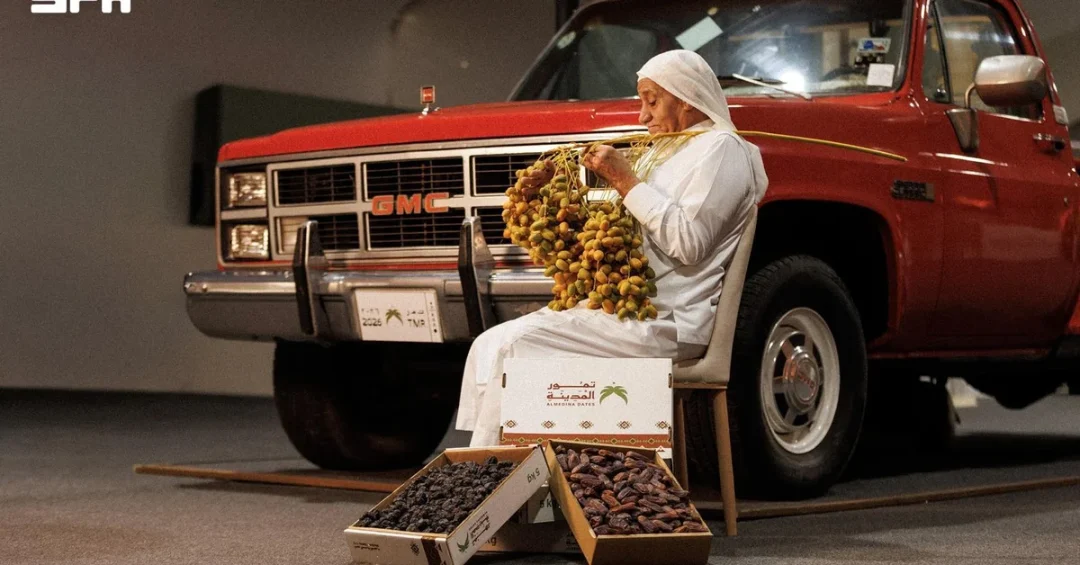
The Madinah Dates Season is welcoming residents and international visitors with an expanded program of cultural and interactive events that celebrate the palm tree and dates as enduring symbols of the city’s heritage identity, according to information released by the Saudi Press Agency. Now in full swing, the season combines shopping with family-oriented experiences, positioning Madinah as a leading cultural and tourism destination during the dates harvest period. The events reflect the Kingdom’s broader effort to showcase regional heritage while advancing the goals of Saudi Vision 2030.
At the heart of the season is an art exhibition featuring 36 creative works by 12 artists, each portraying the palm tree’s journey as a symbol of identity, heritage, and creativity. A dedicated museum offers an interactive experience documenting the palm tree’s role in Madinah, while a children’s pavilion introduces younger visitors to palm trees and dates through educational activities. Together, these components illustrate how the season has grown into a multifaceted celebration of one of the region’s most treasured natural and cultural resources.
Context and Background
Why does the palm tree occupy such a central place in the identity of Madinah and the wider Arabian Peninsula? For centuries, the date palm has been far more than an agricultural crop in the region. It has served as a source of food, shade, building material, and economic livelihood, shaping settlement patterns and social customs across the Hejaz. In Madinah specifically, the palm tree is woven into the city’s historical narrative and religious heritage, making it a natural focal point for a season that seeks to connect visitors with authentic local traditions.
The Madinah Dates Season builds on Saudi Arabia’s growing calendar of regional festivals designed to highlight the Kingdom’s diverse cultural and economic assets. These seasons are coordinated to attract domestic and international tourists, support local farmers and traders, and create opportunities for small and medium-sized enterprises. By placing the palm tree at the center of the program, the organizers are drawing on a symbol that resonates across generations and geographies, from the Arabian Peninsula to markets around the world.
According to the Saudi Press Agency, the season’s programs aim to highlight the cultural and economic value of palm trees, introduce Madinah’s heritage in the palm and dates sector, and enhance the season’s position as a cultural and tourism destination. This dual focus on heritage and commerce reflects a deliberate strategy to preserve tradition while generating contemporary economic benefits for the region.
Art Exhibition Showcases the Palm Tree’s Journey
How do artists translate the story of a tree into a visual experience that speaks to both heritage and modernity? The season’s art exhibition answers that question with 36 creative works by 12 artists, each exploring the palm tree’s journey from its growth stages to its deep connection with human life. The works depict the historical, cultural, social, and economic dimensions of the palm, while also highlighting its civilizational value and the customs and traditions associated with it that have contributed to shaping the identity of the community in Madinah.
The exhibition is notable for its breadth of interpretation. Some artists focus on the palm’s lifecycle, tracing the arc from seedling to towering tree and the patience required to cultivate it. Others emphasize the social rituals tied to the harvest, the communal practices of gathering and sharing dates, and the role of the palm in family and community life. Together, the works create a layered portrait of a plant that has been a companion to human settlement in the region for millennia.
By presenting these works within the broader dates season, the organizers ensure that art is not isolated from daily life but integrated into a living celebration of local heritage. Visitors can move from viewing the exhibition to exploring the market, tasting dates, and participating in family activities, creating a holistic experience that reinforces the connection between creativity and community.
Interactive Museum Documents the Palm’s Legacy
What can an interactive museum add to the understanding of a heritage that many visitors may only know through the dates they eat? The season’s museum offers an immersive experience that documents the palm tree’s journey in Madinah and highlights its cultural and economic significance. Through displays, storytelling, and interactive elements, the museum traces the relationship between the people of Madinah and the palm tree across time, illustrating how this relationship has shaped the city’s development and its identity.
The museum format is particularly effective for international audiences who may be unfamiliar with the depth of the palm’s role in Saudi culture. By combining historical context with economic explanation, the museum shows how the dates sector contributes to local livelihoods, national food security, and export markets. It also reinforces the message that heritage is not static but continues to evolve as new generations find fresh ways to engage with traditional resources.
Interactive elements allow visitors of all ages to engage directly with the material, transforming passive viewing into active learning. This approach aligns with modern museum practices worldwide and reflects Saudi Arabia’s commitment to developing cultural institutions that meet international standards while remaining rooted in local narratives.
Children’s Pavilion Builds Future Connections
How can a new generation develop a meaningful connection to heritage in an age of digital distraction? The season’s dedicated children’s pavilion addresses this challenge by offering interactive and educational activities and experiences that introduce children to palm trees and dates. Through hands-on activities, games, and guided learning, young visitors discover the lifecycle of the palm, the process of cultivating and harvesting dates, and the cultural traditions that surround them.
This focus on children serves a long-term strategic purpose. By engaging young people early, the season helps ensure that traditional knowledge and appreciation for the dates sector are passed to future generations. It also supports family tourism, as parents seek destinations that offer both entertainment and educational value for their children.
The children’s pavilion is part of a wider family experience that the season promotes, combining shopping with cultural discovery. This integrated approach reflects broader trends in the tourism industry, where travelers increasingly seek authentic, multi-generational experiences that connect them with local communities and traditions.
International and Regional Impact
How does a regional dates season contribute to Saudi Arabia’s growing role in global cultural tourism? The Madinah Dates Season is part of a broader national effort to diversify tourism offerings beyond the traditional pilgrimage seasons, attracting visitors throughout the year. International travelers increasingly seek immersive cultural experiences, and the season’s combination of art, heritage, and family activities positions Madinah as a compelling destination for those interested in authentic Arabian experiences.
Regionally, the season strengthens ties between Madinah and other parts of the Kingdom, as farmers, traders, and artisans from across Saudi Arabia participate in the market and related events. It also supports the exchange of knowledge and best practices within the dates industry, which remains a vital agricultural sector for the region. The presence of international visitors further enhances cross-cultural understanding and showcases Saudi hospitality and heritage on a global stage.
The season’s emphasis on the palm tree also resonates with broader regional narratives about sustainability and the responsible use of natural resources. The date palm is a model of agricultural resilience in arid environments, and its cultivation practices offer lessons that are relevant to other countries facing similar climate and water challenges.
Economic and Strategic Significance
What economic value does the dates sector hold for Saudi Arabia, and how does the season amplify it? The Kingdom is one of the world’s leading producers and exporters of dates, and the sector supports thousands of families and businesses across the country. The Madinah Dates Season provides a platform for local producers to reach wider markets, connect with buyers, and showcase the quality and diversity of Saudi dates. This commercial dimension is integrated with the cultural programming, ensuring that heritage and enterprise reinforce each other.
From a strategic perspective, the season contributes to the goals of Saudi Vision 2030 by promoting economic diversification, supporting small and medium-sized enterprises, and enhancing the Kingdom’s cultural and tourism sectors. It also aligns with efforts to boost non-oil revenues and create employment opportunities in hospitality, retail, and creative industries. By investing in regional seasons like this one, Saudi Arabia is building a more resilient and diversified economy.
The season’s success also has implications for food security and agricultural innovation. As the Kingdom continues to modernize its agricultural sector, events that celebrate traditional crops like the date palm help maintain public awareness of the importance of sustainable farming and the value of local production.
Vision 2030 Alignment
How does a celebration of dates and palm trees connect to the sweeping transformation outlined in Saudi Vision 2030? The Madinah Dates Season embodies several core objectives of the Vision, including the promotion of cultural heritage, the development of tourism as a key economic sector, and the empowerment of local communities. By creating a vibrant, family-friendly destination that showcases Madinah’s unique identity, the season contributes to the Vision’s goal of attracting millions of visitors and increasing the tourism sector’s contribution to the national economy.
Moreover, the season reflects the Vision’s emphasis on quality of life and the preservation of Saudi Arabia’s rich cultural legacy. It offers a model for how regional events can serve both residents and international guests, fostering pride in local traditions while opening doors to global engagement. As the Kingdom continues to implement Vision 2030, initiatives like the Madinah Dates Season will remain essential in connecting the past with a prosperous and outward-looking future.
Through its art exhibition, interactive museum, and children’s pavilion, the season demonstrates that heritage can be a dynamic force for economic and social development. It invites the world to discover Madinah’s palm tree heritage and to share in a story that continues to shape the identity of the Kingdom.
20 Questions
Q1. What is the Madinah Dates Season?
A1. The Madinah Dates Season is a cultural and tourism event that celebrates the palm tree and dates as symbols of Madinah’s heritage. It combines shopping, art, interactive museums, and family activities to highlight the cultural and economic value of the dates sector.
Q2. Where does the Madinah Dates Season take place?
A2. The season takes place in Madinah, Saudi Arabia, a city with deep historical and religious significance. The events are hosted in venues that accommodate exhibitions, markets, museums, and children’s activities, attracting both residents and international visitors.
Q3. When does the Madinah Dates Season occur?
A3. The season is held annually during the dates harvest period. According to the Saudi Press Agency, the current edition continues to attract visitors, with events running through the season’s scheduled dates in Madinah.
Q4. Who organizes the Madinah Dates Season?
A4. The season is organized by Saudi authorities responsible for tourism, culture, and agriculture, in coordination with local entities in Madinah. Information is released through official channels such as the Saudi Press Agency.
Q5. How many artworks are featured in the art exhibition?
A5. The art exhibition features 36 creative works by 12 artists. These works portray the palm tree’s journey as a symbol of identity, heritage, and creativity, exploring its historical, cultural, social, and economic dimensions.
Q6. What themes do the artworks explore?
A6. The artworks explore the palm tree’s growth stages, its connection with human life, its civilizational value, and the customs and traditions associated with it that have shaped the identity of the community in Madinah.
Q7. What is the purpose of the interactive museum?
A7. The museum offers an interactive experience documenting the palm tree’s journey in Madinah and highlighting its cultural and economic significance. It uses displays and interactive elements to engage visitors of all ages.
Q8. What can children do at the season?
A8. Children can visit a dedicated pavilion offering interactive and educational activities that introduce them to palm trees and dates. The activities are designed to be fun and informative, helping young visitors connect with local heritage.
Q9. Why is the palm tree important to Madinah’s identity?
A9. The palm tree has been a source of food, shade, and livelihood in Madinah for centuries. It is woven into the city’s historical and cultural fabric, making it a prominent symbol of its heritage and community identity.
Q10. How does the season support the local economy?
A10. The season provides a platform for local farmers and traders to sell dates and related products, attracting visitors who spend on goods and services. It also creates opportunities for small and medium-sized enterprises in hospitality and retail.
Q11. What is the significance of dates in Saudi culture?
A11. Dates are a staple food and a symbol of hospitality in Saudi culture. They are associated with generosity, tradition, and religious practices, and the date palm is celebrated as a national treasure.
Q12. How does the season promote tourism in Madinah?
A12. By combining cultural exhibitions, family activities, and shopping, the season enhances Madinah’s appeal as a tourism destination. It attracts visitors beyond the traditional pilgrimage seasons, supporting year-round tourism growth.
Q13. What role does the Saudi Press Agency play?
A13. The Saudi Press Agency is the official news agency of the Kingdom. It releases information about government initiatives and events, including the Madinah Dates Season, ensuring accurate and authoritative reporting.
Q14. How does the season align with Saudi Vision 2030?
A14. The season supports Vision 2030 by promoting cultural heritage, developing the tourism sector, empowering local communities, and contributing to economic diversification and non-oil revenue growth.
Q15. Are there opportunities for international visitors?
A15. Yes, international visitors are welcome to attend the season. Saudi Arabia has expanded tourist visas and improved access, making it easier for global travelers to experience events like the Madinah Dates Season.
Q16. What types of dates are featured?
A16. The season showcases a variety of Saudi dates, including premium varieties grown in Madinah and other regions. Visitors can taste, purchase, and learn about different types and their nutritional benefits.
Q17. How does the season preserve heritage?
A17. Through art, museum exhibits, and educational activities, the season documents and shares the traditions associated with palm cultivation and date harvesting, ensuring that this heritage is passed to future generations.
Q18. What economic value does the dates sector have?
A18. The dates sector is a significant contributor to Saudi Arabia’s agricultural economy, supporting thousands of jobs and generating export revenue. The Kingdom is one of the world’s leading date producers.
Q19. Can families enjoy the season together?
A19. Yes, the season is designed for families, with activities for all ages. The children’s pavilion, art exhibition, museum, and market offer shared experiences that combine learning, shopping, and entertainment.
Q20. What is the future outlook for the Madinah Dates Season?
A20. The season is expected to grow in scale and reputation, attracting more visitors and participants each year. It will continue to play a key role in showcasing Madinah’s heritage and supporting Saudi Vision 2030 goals.
Reader Feedback
We value your thoughts. Please share your feedback on this article.
Your feedback helps us improve our coverage.
Related articles
 Saudi Cultural Sector Exceeds 2025 Goals with Landmark Achievements
 King Abdulaziz Library Restores 10,800+ Heritage Items
 Tuwaiq Sculpture 2025 Concludes with Global Artistic Showcase
 KSGAAL and RGA Launch Road Terminology Dictionary in Arabic
 Art of the Kingdom Exhibition Showcases Saudi Contemporary Art
 Over 80,000 Attend Founding Day Celebrations at Ithra