


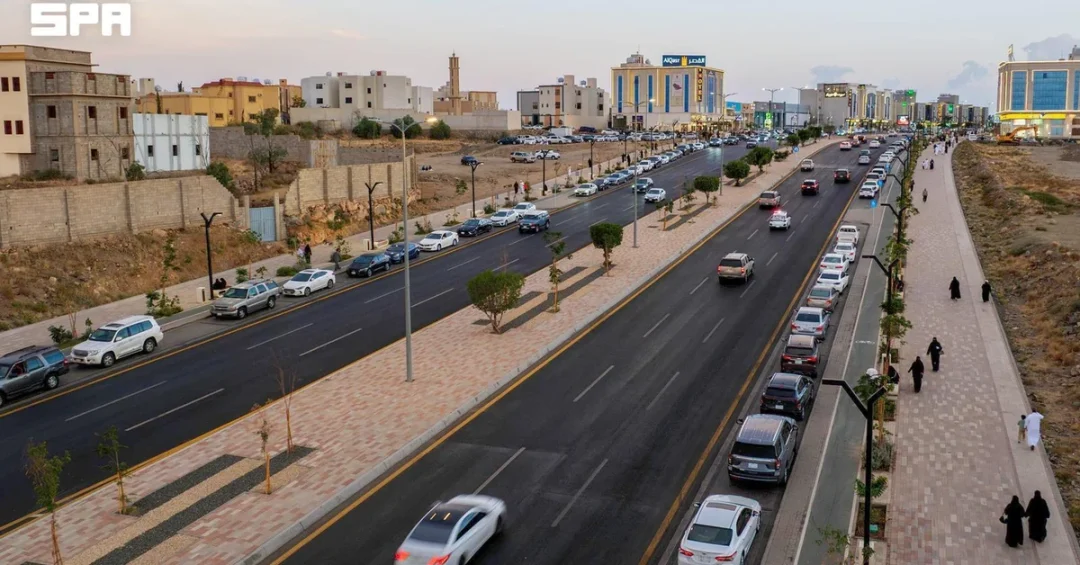
Aseer Municipality has launched a comprehensive program to plant one million winter flowers and upgrade roads, sidewalks, and public squares across the region, according to an official announcement released through the Saudi Press Agency (SPA) on October 21, 2026. The initiative is designed to enhance the tourism appeal of Aseer’s cities and governorates while preparing public facilities to welcome the influx of visitors expected during the upcoming winter season. The announcement underscores the Kingdom’s broader commitment to elevating the quality of life for residents and tourists alike, in direct alignment with the ambitions of Saudi Vision 2030. The municipality confirmed that the planting drive includes petunias, chrysanthemums, and geraniums, selected for their vibrant colors and suitability to the region’s diverse climate. These efforts form part of a wider municipal strategy to integrate natural beauty with high-quality public services.
Why has Aseer become such a focal point for Saudi Arabia’s tourism and urban development ambitions? The answer lies in its unique geography and climate. Situated in the southwest of the Kingdom, Aseer encompasses a remarkable range of terrains, from the cool, misty highlands of the Sarawat Mountains to fertile plains and the warm coastal areas along the Red Sea. This natural diversity makes the region a magnet for domestic and international travelers seeking respite from the summer heat or a glimpse of Saudi Arabia’s lush, green landscapes. The municipality’s latest projects are carefully timed to coincide with the winter season, when mild weather draws tourists to governorates such as Abha, Khamis Mushait, and the coastal destinations of the Tihama plain. By upgrading infrastructure and beautifying public spaces now, Aseer is positioning itself as a premier year-round destination capable of hosting large numbers of visitors while offering them a memorable and comfortable experience.
Context and Background
What drives a municipality to invest so heavily in seasonal flowers and road improvements? The answer is rooted in Aseer’s strategic role within Saudi Arabia’s national tourism agenda. Under the leadership of the Custodian of the Two Holy Mosques, King Salman bin Abdulaziz Al Saud, and His Royal Highness Crown Prince Mohammed bin Salman bin Abdulaziz Al Saud, the Kingdom has placed tourism at the heart of its economic diversification efforts. Aseer, with its rich cultural heritage and breathtaking scenery, has been identified as a key pillar of the National Tourism Strategy. The Aseer Municipality’s initiative is not merely about aesthetics; it is about creating an urban environment that reflects the region’s natural identity while meeting international standards of hospitality and service. The program includes developing roads, sidewalks, and public squares, expanding green spaces, and implementing horticultural care, cleaning, and maintenance programs. Specialized teams are being deployed to preserve the plants, maintain the aesthetic appeal of targeted locations, reduce pollution, and improve the overall urban environment.
These efforts are part of a long-term vision to transform Aseer into a global tourist destination. The region is already home to the Aseer National Park, a proposed 1,100-square-kilometer protected area that will feature wildlife reserves, eco-lodges, and adventure tourism facilities. The municipality’s current projects complement these large-scale developments by ensuring that the basic urban infrastructure—roads, parks, and public spaces—is ready to support the anticipated increase in visitor numbers. By planting one million winter flowers, the municipality is also addressing environmental goals, such as reducing the urban heat island effect and improving air quality. The selection of petunias, chrysanthemums, and geraniums is deliberate: these species are known for their resilience and ability to thrive in Aseer’s cool winter climate, ensuring that the displays remain vibrant throughout the season. This attention to detail demonstrates the Kingdom’s commitment to sustainable urban development and its desire to showcase the best of Saudi Arabia to the world.
Key Details of the Beautification and Infrastructure Program
How exactly will the planting of one million flowers transform Aseer’s urban landscape? The Aseer Municipality has outlined a meticulous plan that goes beyond simple planting. The program includes selecting suitable locations for seasonal flower displays, with priority given to high-traffic areas such as main roads, public squares, parks, and entrances to cities and governorates. Horticultural care teams will implement rigorous maintenance schedules, including watering, pruning, and pest control, to ensure the flowers remain healthy and visually striking. The municipality is also integrating these floral displays with broader landscaping improvements, such as the installation of irrigation systems and the use of sustainable planting techniques that conserve water. This is particularly important in a region where water resources are carefully managed. The initiative also involves cleaning and maintenance programs for public facilities, ensuring that sidewalks, lighting, and seating areas are in pristine condition for visitors. These combined efforts aim to create an urban environment that seamlessly blends natural beauty with modern amenities.
In addition to the flower planting, the municipality is accelerating road and sidewalk improvements across the region. These upgrades are designed to improve traffic flow, enhance pedestrian safety, and facilitate access to key tourist attractions. Public squares are being revitalized with new paving, lighting, and landscaping, turning them into vibrant community hubs where residents and tourists can gather. The municipality has emphasized that these projects are being implemented with a focus on quality and sustainability, using durable materials and environmentally friendly practices. The program also includes the deployment of specialized teams to monitor the condition of plants and infrastructure, ensuring that the high standards are maintained over time. This comprehensive approach reflects the municipality’s dedication to creating a welcoming and attractive environment for all. By investing in both hard infrastructure and soft landscaping, Aseer is setting a benchmark for other regions in the Kingdom to follow.
International and Regional Impact
Could Aseer’s municipal improvements influence Saudi Arabia’s standing as a global tourism destination? Absolutely. The Kingdom’s Vision 2030 aims to attract 100 million visitors annually by 2030, and Aseer is poised to play a significant role in achieving that target. The region’s unique climate and landscapes offer a distinct alternative to the desert experiences often associated with Saudi Arabia, appealing to travelers seeking cooler temperatures, green scenery, and outdoor adventure. By enhancing the urban environment, Aseer is making itself more accessible and attractive to international tourists, particularly those from neighboring Gulf countries and beyond. The improvements also support the growth of the local tourism sector, creating opportunities for small businesses, hotels, and restaurants. Moreover, the initiative demonstrates Saudi Arabia’s commitment to sustainable development and environmental stewardship, which resonates with global travelers who prioritize eco-friendly destinations. The municipality’s efforts are therefore not just local improvements; they are part of a national strategy to diversify the economy and position the Kingdom as a leader in responsible tourism.
Regionally, Aseer’s development could foster greater cooperation and exchange within the Gulf Cooperation Council (GCC) and the broader Middle East. As a premier destination, Aseer can attract visitors from across the region, boosting intra-regional tourism and cultural exchange. The municipality’s focus on creating high-quality public spaces and infrastructure also sets a positive example for other cities in Saudi Arabia and neighboring countries. The use of seasonal flowers and green spaces is a simple yet powerful way to improve the urban environment, and it can be replicated in other regions with similar climates. Furthermore, the initiative aligns with the goals of the Saudi Green Initiative, which aims to plant 10 billion trees across the Kingdom and combat climate change. By contributing to these national greening efforts, Aseer Municipality is playing its part in a larger environmental movement that has global significance. The region’s enhanced tourism appeal will also support the growth of the MICE (Meetings, Incentives, Conferences, and Exhibitions) sector, as improved infrastructure makes Aseer a more attractive location for events and conferences.
Economic and Strategic Significance
What economic benefits can Aseer expect from these investments? The municipality’s projects are expected to stimulate local economic activity by attracting more tourists, which in turn generates demand for accommodation, dining, transportation, and retail services. The creation of temporary and permanent jobs in landscaping, maintenance, and construction also provides employment opportunities for residents. Small and medium-sized enterprises (SMEs), which are a key focus of Vision 2030, stand to benefit from the increased foot traffic and spending. The flower planting program itself involves procurement from local nurseries and suppliers, supporting the agricultural sector in the region. Additionally, the improved urban environment can lead to higher property values and increased investment in real estate, as Aseer becomes a more desirable place to live and visit. The strategic significance of these projects extends beyond immediate economic gains; they are investments in the region’s long-term competitiveness as a tourist destination. By creating a distinctive urban identity that reflects Aseer’s natural and cultural heritage, the municipality is building a brand that can attract visitors year after year.
From a strategic perspective, the development of Aseer as a tourism hub supports the Kingdom’s goal of reducing its dependence on oil revenues. Tourism is one of the key non-oil sectors identified in Vision 2030, and Aseer’s success will contribute to the national economy’s diversification. The region’s proximity to the Red Sea and its potential for cruise tourism further enhances its strategic value. The municipality’s investments in infrastructure and beautification are therefore not isolated projects but integral components of a broader economic transformation. They also complement the development of the Red Sea Project and other mega-projects, creating a network of destinations that collectively elevate Saudi Arabia’s tourism offering. The focus on quality of life improvements also aligns with the Vision 2030 goal of enhancing the living standards of citizens and residents. By making Aseer a more beautiful and functional place to live, the municipality is contributing to the well-being of the community and fostering a sense of pride in the region’s natural and cultural assets.
Vision 2030 Alignment
How does the Aseer Municipality’s initiative embody the spirit of Saudi Vision 2030? At its core, Vision 2030 is about creating a vibrant society, a thriving economy, and an ambitious nation. The municipality’s projects directly support these pillars by enhancing the quality of life for residents and visitors, stimulating economic growth through tourism, and showcasing the Kingdom’s natural beauty and cultural heritage. The planting of one million winter flowers and the upgrading of roads and public squares are tangible examples of how local actions can contribute to national goals. They reflect the leadership’s vision of a Saudi Arabia that is open to the world, proud of its identity, and committed to sustainable development. The initiative also aligns with the Quality of Life Program, one of the Vision 2030 realization programs, which aims to improve the living environment and promote tourism. By creating attractive public spaces and green areas, Aseer Municipality is helping to build communities that are healthy, happy, and welcoming.
As Aseer prepares to welcome visitors for the winter season, the municipality’s efforts serve as a testament to the Kingdom’s broader commitment to excellence and hospitality. The one million flowers are more than just a beautification project; they are a symbol of Saudi Arabia’s determination to create a world-class tourism experience that honors its natural heritage and exceeds the expectations of international guests. Under the guidance of the wise leadership, the Kingdom continues to make remarkable strides in achieving the goals of Vision 2030, and Aseer stands at the forefront of this journey. The municipality’s work is a shining example of how coordinated efforts at the local level can drive national progress. It is a clear message to the world that Saudi Arabia is ready to welcome tourists with open arms, offering them not only stunning landscapes but also modern, well-maintained infrastructure and a warm, hospitable environment. The future of Aseer is bright, and its transformation will undoubtedly inspire other regions to follow suit, contributing to the Kingdom’s emergence as a global tourism powerhouse.
20 Questions
Q1. What is the main goal of the Aseer Municipality’s latest initiative?
A1. The initiative aims to enhance the tourism appeal of Aseer’s cities and governorates by improving roads, sidewalks, and public squares, and by planting one million winter flowers to beautify urban areas and prepare facilities for visitors.
Q2. Which types of flowers are being planted in the winter season?
A2. The municipality is planting petunias, chrysanthemums, and geraniums. These species were selected for their vibrant colors and ability to thrive in Aseer’s cool winter climate, ensuring long-lasting displays.
Q3. How many seasonal flowers will be planted?
A3. One million seasonal flowers will be planted across the region. This large-scale effort is designed to expand green spaces, add color to urban areas, and make them more attractive to residents and tourists.
Q4. Why is Aseer Region a key destination for winter tourism?
A4. Aseer offers diverse terrain, from mountainous highlands to coastal areas, and a mild winter climate that attracts tourists. Its natural beauty and cool weather make it a preferred destination for domestic and international visitors.
Q5. What other improvements are included besides flower planting?
A5. The initiative includes developing roads, sidewalks, and public squares, as well as implementing horticultural care, cleaning, maintenance, landscaping, and monitoring programs to ensure high-quality public facilities.
Q6. How does this initiative align with Saudi Vision 2030?
A6. It supports Vision 2030 by enhancing quality of life, promoting tourism, and diversifying the economy. It aligns with the Quality of Life Program and the National Tourism Strategy, contributing to the Kingdom’s goal of attracting 100 million visitors annually.
Q7. Who is responsible for implementing these projects?
A7. Aseer Municipality is implementing the projects. The municipality has deployed specialized teams to preserve the plants, maintain the aesthetic appeal of targeted locations, reduce pollution, and improve the urban environment.
Q8. What is the significance of the timing of this initiative?
A8. The initiative coincides with preparations for the winter season, which attracts tourists to Aseer. By completing improvements now, the municipality ensures that public facilities are ready to welcome visitors and provide an excellent experience.
Q9. How will the flower planting benefit the environment?
A9. The flowers help expand green spaces, reduce pollution, and improve air quality. They also contribute to the Saudi Green Initiative’s goal of planting 10 billion trees and combating climate change.
Q10. What economic benefits are expected from these improvements?
A10. The improvements are expected to boost local tourism, create jobs, and support small businesses. Increased visitor numbers will drive demand for hotels, restaurants, and retail, contributing to economic diversification.
Q11. How does Aseer’s geography support these beautification efforts?
A11. Aseer’s diverse terrain, ranging from mountainous highlands to plains and coastal areas, offers distinctive opportunities for urban landscape improvements. The region’s natural beauty is showcased through these projects, enhancing its competitiveness.
Q12. What role do public squares play in the tourism experience?
A12. Public squares serve as community hubs and gathering places for residents and tourists. Revitalizing them with new paving, lighting, and landscaping improves the visitor experience and enhances the appeal of tourist destinations.
Q13. How are the plants maintained after planting?
A13. Specialized teams implement horticultural care, including watering, pruning, and pest control. They also monitor the plants to ensure they remain healthy and visually striking throughout the season.
Q14. What is the expected impact on local communities?
A14. The initiative improves the quality of life for residents by creating beautiful public spaces and fostering community pride. It also generates employment opportunities and supports local businesses, strengthening the local economy.
Q15. How does this initiative support Saudi Arabia’s tourism goals?
A15. It enhances Aseer’s attractiveness as a tourist destination, contributing to the national goal of attracting 100 million visitors by 2030. It also showcases the Kingdom’s commitment to sustainable and responsible tourism development.
Q16. What is the Aseer National Park, and how does it relate to these efforts?
A16. The Aseer National Park is a planned 1,100-square-kilometer protected area featuring wildlife reserves and eco-lodges. The municipality’s improvements complement this mega-project by upgrading urban infrastructure and public spaces.
Q17. How does the initiative reflect Saudi leadership’s vision?
A17. It reflects the leadership’s commitment to Vision 2030, which aims to create a vibrant society and thriving economy. The projects demonstrate the Kingdom’s dedication to sustainable development and improving the well-being of its people.
Q18. What measures are taken to ensure sustainability?
A18. The municipality uses sustainable planting techniques, such as efficient irrigation systems and water conservation methods. The selection of resilient flower species also reduces the need for excessive resources.
Q19. How will tourists benefit from the road and sidewalk improvements?
A19. Improved roads and sidewalks enhance traffic flow and pedestrian safety, making it easier for tourists to access attractions. They also contribute to a more pleasant and comfortable visit, encouraging longer stays.
Q20. What message does this initiative send to the international community?
A20. It signals that Saudi Arabia is open to the world and committed to providing world-class tourism experiences. It showcases the Kingdom’s natural beauty, cultural heritage, and modern infrastructure, inviting global visitors to explore Aseer.
Reader Feedback
We value your thoughts. Please share your feedback on this article.
Your feedback helps us improve our coverage.