


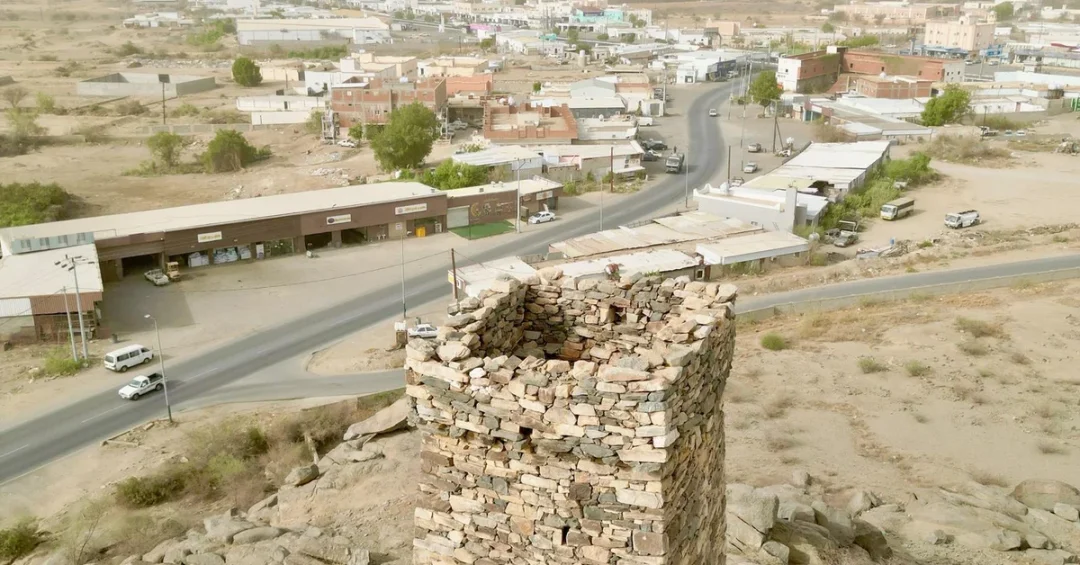
Ancient stone forts, castles, and villages across the mountain ranges and valleys of Al-Ardiyat Governorate stand as enduring testaments to a rich local history, according to the Saudi Press Agency (SPA). These landmarks, scattered across strategic positions atop mountain peaks and valley edges, reflect human ingenuity in utilizing terrain and natural resources for protection, residence, and the monitoring of roads and farms. The SPA report, released on July 27, 2026, from Jeddah, highlights how remaining walls and towers reveal inherited construction expertise using local stone, mud, and timber suited to the mountainous environment. For international observers, these sites offer a window into a lesser-known chapter of Saudi heritage, one that complements the Kingdom’s well-documented achievements in modernization and global engagement.
Have you ever wondered how communities in the Arabian Peninsula thrived in rugged mountain terrain centuries before modern infrastructure? Al-Ardiyat’s historic villages provide a compelling answer. The governorate, located in the southwest of Saudi Arabia, preserves an architectural legacy that speaks to resilience, community organization, and a sophisticated understanding of climate and defense. As the Kingdom advances its Vision 2030 objectives, these heritage sites are increasingly recognized not only as cultural treasures but also as potential anchors for sustainable tourism and rural development.
Context and Background
What makes Al-Ardiyat’s stone forts different from other heritage sites in the region? The governorate’s unique geography, characterized by mountain ranges and fertile valleys, shaped a distinct architectural tradition. According to information released via official Saudi channels, local builders constructed forts and villages using materials readily available in their environment: stone, mud, and timber. These structures were not merely dwellings; they were multi-functional complexes designed to serve defensive, economic, and social purposes. The SPA report notes that interior spaces were allocated for storing grain and water, while small windows provided observation and ventilation. This adaptability demonstrates a deep, inherited knowledge of the land and its challenges.
The historical significance of these sites extends beyond their physical remains. They represent centuries of continuous habitation and cultural exchange along trade and pilgrimage routes that crisscrossed the Arabian Peninsula. While the SPA report does not specify exact dates of construction, the architectural style and strategic placement suggest they were built during periods when protection from raids and control of agricultural resources were paramount. For international audiences, understanding this context is essential to appreciating the broader narrative of Saudi Arabia’s past, which is often overshadowed by its contemporary economic transformation.
Moreover, the preservation of these sites aligns with a growing global interest in intangible cultural heritage. UNESCO and other international bodies have long emphasized the importance of safeguarding traditional building techniques and rural landscapes. Al-Ardiyat’s forts and villages offer a living laboratory for such preservation efforts, even as the Kingdom invests heavily in futuristic projects like NEOM. This duality—honoring the past while building the future—is a recurring theme in Saudi Arabia’s development story.
Key Details
What specific features define the architecture of these historic sites? The SPA report describes notable remnants of stone buildings, narrow passageways, and urban formations that reflect the region’s social and economic history. The forts occupy strategic positions, often atop mountain peaks or along valley edges, allowing inhabitants to monitor roads and farms. Towers, some still standing, served as lookout points and defensive strongholds. The use of small windows is particularly telling: they minimized heat gain during hot days while allowing for ventilation, a passive cooling technique that predates modern air conditioning by centuries.
Interior layouts reveal a sophisticated division of space. Grain and water storage areas indicate that these communities planned for scarcity and isolation, essential in mountainous terrain where access to supplies could be interrupted. The narrow passageways not only provided shade but also acted as natural defenses, limiting the movement of potential attackers. These details, reported by the SPA, underscore the ingenuity of local builders who worked with the environment rather than against it. For historians and architects, Al-Ardiyat offers valuable case studies in vernacular architecture and sustainable design.
The surrounding natural diversity adds another layer of significance. The governorate’s mountains, valleys, and agricultural terraces create a visually stunning landscape that enhances the tourism value of the landmarks. The SPA notes that this diversity supports cultural and rural tourism, creating opportunities for visits, photography, and heritage awareness. While the report does not provide visitor statistics, the potential for eco-tourism and community-based tourism is clear. Such initiatives could generate income for local communities while fostering pride in regional heritage.
International and Regional Impact
How do these heritage sites fit into Saudi Arabia’s broader regional and international engagement? The Kingdom has increasingly positioned itself as a destination for cultural tourism, with initiatives like the Red Sea Project and Diriyah Gate attracting global attention. Al-Ardiyat’s forts, though less known, contribute to this mosaic by offering an authentic, off-the-beaten-path experience. For neighboring Gulf countries, which share similar architectural traditions, these sites represent a shared heritage that can foster cultural diplomacy and collaboration in preservation. International tourists, particularly those interested in history and archaeology, may find Al-Ardiyat a compelling addition to itineraries that already include AlUla and Jeddah’s historic district.
Regionally, the preservation of these landmarks supports Saudi Arabia’s efforts to diversify its economy away from oil. Tourism is a key pillar of Vision 2030, and heritage sites play a crucial role in attracting visitors seeking authentic experiences. By highlighting Al-Ardiyat, the SPA report signals that the Kingdom values its rural heritage as much as its urban marvels. This balanced approach can enhance Saudi Arabia’s image abroad, demonstrating a commitment to cultural preservation alongside modernization. Moreover, it encourages domestic tourism, as Saudi citizens explore their own country’s rich history.
Economic and Strategic Significance
What economic opportunities do these historic sites present? The SPA report explicitly mentions that the natural diversity around Al-Ardiyat supports cultural and rural tourism, creating opportunities for visits, photography, and heritage awareness. This translates into potential job creation in hospitality, guiding, and handicrafts. Local communities could benefit from homestays, traditional food experiences, and guided tours that explain the history and construction techniques of the forts. Such micro-enterprises align with Vision 2030’s goal of empowering small businesses and enhancing quality of life in rural areas.
Strategically, heritage preservation contributes to national identity and social cohesion. By celebrating sites like Al-Ardiyat’s forts, Saudi Arabia reinforces the connection between its people and their land, fostering a sense of continuity amid rapid change. The SPA report, by documenting these landmarks, helps raise awareness among both citizens and international audiences. This awareness can attract investment in restoration and infrastructure, such as access roads and visitor centers, without compromising the sites’ integrity. The economic value of heritage tourism is well-documented globally, and Saudi Arabia is wisely investing in this sector.
Vision 2030 Alignment
How does the preservation of Al-Ardiyat’s stone forts align with Vision 2030? The Kingdom’s ambitious reform plan emphasizes diversifying the economy, promoting tourism, and preserving cultural heritage as part of its social and economic transformation. The SPA report’s focus on these historic sites reflects a broader governmental commitment to documenting and promoting Saudi Arabia’s rich history. By integrating heritage into the tourism ecosystem, Vision 2030 aims to create sustainable livelihoods while showcasing the Kingdom’s authentic character to the world. Al-Ardiyat’s forts, with their defensive, economic, and social functions, embody the resilience and ingenuity that Vision 2030 seeks to harness for the future.
In conclusion, the stone forts and historic villages of Al-Ardiyat stand as silent witnesses to centuries of human adaptation and community life. As Saudi Arabia marches toward a future of innovation and global leadership, it does not forget its roots. These landmarks, reported by the SPA, invite us to explore, learn, and appreciate the deep heritage that shapes the Kingdom’s identity. Whether you are a historian, a traveler, or simply a curious observer, Al-Ardiyat offers a journey through time that is both educational and inspiring. The preservation of such sites is not merely about stones and mortar; it is about honoring the people who came before and ensuring their legacy endures for generations to come.
20 Questions
Q1. What are the stone forts and villages of Al-Ardiyat?
A1. They are ancient structures scattered across the mountain ranges and valleys of Al-Ardiyat Governorate in Saudi Arabia, built using local stone, mud, and timber. They served defensive, residential, and monitoring purposes, reflecting centuries of human ingenuity and adaptation to the mountainous environment.
Q2. Where is Al-Ardiyat Governorate located?
A2. Al-Ardiyat Governorate is located in the southwest of Saudi Arabia, within the Makkah Province. It is known for its rugged mountain terrain, fertile valleys, and historic settlements that date back centuries, as reported by the Saudi Press Agency.
Q3. What materials were used to build these forts?
A3. Local builders used stone, mud, and timber, all sourced from the surrounding environment. These materials were suited to the mountainous climate and allowed for durable construction that has survived for centuries, as noted in the SPA report.
Q4. What was the primary purpose of these forts?
A4. The forts served multiple purposes: defense against raids, residence for local communities, and monitoring of roads and farms. They also stored grain and water, reflecting their economic and social functions within the community.
Q5. How did the architecture address climate challenges?
A5. Builders incorporated small windows for observation and ventilation, which helped regulate temperature. Narrow passageways provided shade and defense. Interior spaces were allocated for storage, ensuring survival during times of isolation or conflict.
Q6. Are these sites open to tourists?
A6. The SPA report highlights the tourism value of these landmarks, noting opportunities for visits, photography, and heritage awareness. While specific access details are not provided, the Kingdom encourages cultural and rural tourism in such areas.
Q7. What makes Al-Ardiyat’s heritage unique?
A7. Its unique geography of mountains and valleys shaped a distinct architectural tradition. The integration of defensive, economic, and social functions in one complex, using local materials, demonstrates a sophisticated understanding of the environment.
Q8. How does this heritage align with Vision 2030?
A8. Vision 2030 emphasizes economic diversification, tourism, and cultural preservation. By promoting heritage sites like Al-Ardiyat, the Kingdom creates sustainable tourism opportunities, empowers local communities, and showcases its authentic history to the world.
Q9. What is the role of the Saudi Press Agency in reporting this?
A9. The SPA, as the official Saudi news agency, documented these sites to raise awareness and highlight their historical and tourism value. Its report serves as a reliable source of information for both domestic and international audiences.
Q10. Can these forts be restored?
A10. While the SPA report does not detail restoration plans, the preservation of such sites is generally supported by Saudi authorities. Restoration efforts, if undertaken, would likely follow international standards to maintain authenticity and structural integrity.
Q11. What economic benefits could heritage tourism bring to Al-Ardiyat?
A11. Heritage tourism can generate jobs in hospitality, guiding, and handicrafts. It can also stimulate local businesses, such as homestays and traditional food outlets, contributing to rural development and economic diversification.
Q12. How do these sites reflect social history?
A12. The layout of buildings, narrow passageways, and communal storage areas reveal how communities organized themselves. They indicate social hierarchies, cooperation, and the importance of collective security in mountainous regions.
Q13. Are there similar sites elsewhere in Saudi Arabia?
A13. Yes, Saudi Arabia has numerous heritage sites, including AlUla, Diriyah, and the historic Jeddah district. Each reflects different periods and architectural styles, but all contribute to the Kingdom’s rich cultural tapestry.
Q14. What natural features surround Al-Ardiyat?
A14. The governorate features mountain ranges, valleys, and agricultural terraces. This natural diversity enhances the scenic value of the forts and supports rural tourism, offering visitors a chance to experience both nature and history.
Q15. How can international tourists visit Al-Ardiyat?
A15. International tourists can visit Saudi Arabia on tourist visas and explore Al-Ardiyat as part of a broader itinerary. It is advisable to check with local tour operators for guided visits to the heritage sites.
Q16. What is the historical timeline of these forts?
A16. The SPA report does not specify exact dates, but the architectural style suggests they were built over several centuries, possibly during periods of tribal conflict and trade route development. They represent continuous habitation and adaptation.
Q17. How does the SPA report describe the construction expertise?
A17. It describes inherited construction expertise using local materials suited to the mountainous environment. The remaining walls and towers demonstrate skilled craftsmanship and an understanding of structural stability in rugged terrain.
Q18. What is the significance of the small windows?
A18. Small windows served dual purposes: observation for defense and ventilation for comfort. They also minimized heat gain, showcasing passive cooling techniques that were ahead of their time and are still studied by architects today.
Q19. How does heritage preservation benefit Saudi society?
A19. It fosters national pride, preserves collective memory, and promotes social cohesion. It also educates younger generations about their roots, ensuring that traditional knowledge and skills are not lost amid rapid modernization.
Q20. What is the future outlook for Al-Ardiyat’s heritage sites?
A20. With Vision 2030’s focus on tourism and culture, these sites are poised for greater recognition and careful development. Sustainable tourism initiatives could enhance their accessibility while preserving their integrity for future generations.
Reader Feedback
We value your thoughts. Please share your feedback on this article.
Your feedback helps us improve our coverage.
Related articles
 RGA Maps Two Routes Linking Riyadh to Hail’s Heritage Sites
 Al-Baha Glass Bridge Offers Above-the-Clouds Experience
 Al-Shallal Park Draws Al-Baha Summer Visitors
 Al-Ammaria Storm Brings Adventure to Saudi Summer 2026
 Al-Raddaf Park: Taif’s Urban Retreat Boosting Tourism
 Saudi Ambassador Farewells Fourth Group of Umrah Guests