


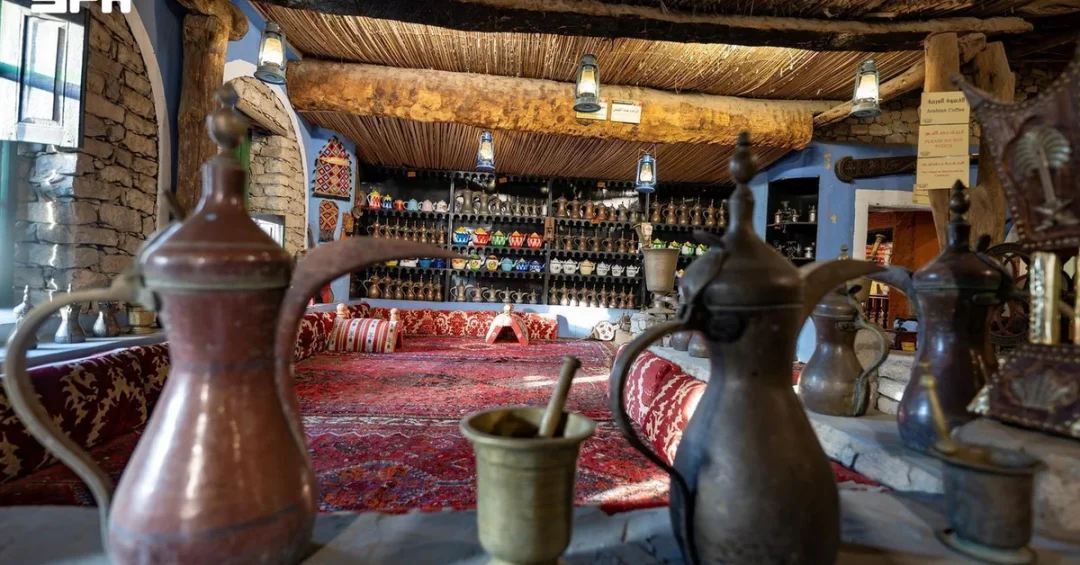
Museums in Taif are drawing visitors from across the Kingdom and beyond with immersive heritage experiences that recreate traditional Saudi life, according to information released by the Saudi Press Agency (SPA). The institutions preserve national heritage while enriching the Kingdom’s cultural and tourism landscape, offering detailed portrayals of the history, traditions, and daily life of Saudi society across generations. Through carefully designed exhibitions, visitors are invited to step into the past and understand how earlier generations lived, worked, traded, and celebrated.
Have you ever wondered how a single city can hold the memory of an entire nation? Taif, long celebrated for its mild climate, rose gardens, and mountain scenery, has quietly become one of the country’s most compelling destinations for cultural discovery. Its heritage museums are not simply storehouses of objects; they are living environments where traditional markets, homes, schools, and workshops have been recreated with painstaking attention to detail. For international visitors seeking an authentic encounter with Saudi culture, these museums offer a rare opportunity to experience the Kingdom’s story in a setting that is both educational and deeply engaging. The result is a cultural offering that complements Taif’s natural attractions and strengthens the city’s position on Saudi Arabia’s growing tourism map.
Context and Background
Why does Taif occupy such a distinctive place in the Kingdom’s cultural memory? Located in the Sarawat Mountains of western Saudi Arabia, the city has for generations served as a summer retreat, a center of agriculture, and a crossroads for trade and scholarship. Its elevated climate made it a favored destination for pilgrims and travelers, while its fertile valleys supported the cultivation of fruits, roses, and other crops that remain part of local identity. This layered history has left Taif with a rich material heritage, from traditional architecture to agricultural tools and household objects, much of which is now preserved and displayed in the city’s museums.
The museums reflect a broader national effort to document and celebrate Saudi heritage as part of the Kingdom’s cultural transformation. Under the guidance of official Saudi authorities, including the Ministry of Culture and the Saudi Press Agency, institutions across the country are working to protect historical memory while making it accessible to modern audiences. Taif’s museums contribute to this mission by presenting heritage not as a distant relic but as a living inheritance. Their themed sections allow visitors to understand how communities in different regions of the Kingdom lived, what they traded, how they learned, and how they gathered, creating a comprehensive portrait of a society in transition.
Key Details
What exactly awaits a visitor inside these heritage museums? One of the city’s prominent museums takes guests on a journey through the Kingdom’s past, recreating traditional lifestyles, customs, and occupations within carefully designed heritage settings. The museum features a variety of themed sections depicting traditional markets, shops, a heritage majlis, residential and agricultural settings, and workshops dedicated to traditional crafts. Together, these environments provide a comprehensive insight into daily life, professions, customs, and social traditions from different regions of the Kingdom, allowing visitors to compare and appreciate regional diversity within a shared national story.
The museum’s extensive collection includes thousands of heritage artifacts, artworks, and rare collectibles. Among the items on display are agricultural tools, cooking utensils, antique weapons, coins, and manuscripts, as well as vintage equipment and vehicles. These objects document key stages of the Kingdom’s social and economic development, preserving an important part of the nation’s historical memory. Visitors can explore diverse environments representing rural, desert, and urban life, including recreated historical markets, traditional schools, heritage gathering places, and popular cafés. The interactive cultural experience deepens appreciation of Saudi Arabia’s heritage while bringing the details of the past vividly to life.
International and Regional Impact
How do Taif’s museums fit into the Kingdom’s wider engagement with the world? As Saudi Arabia welcomes increasing numbers of international visitors, cultural institutions have become important points of contact between the Kingdom and global audiences. Taif’s museums offer foreign guests a structured, accessible introduction to Saudi traditions, helping to correct misconceptions and build mutual understanding. For regional travelers from the Gulf and the wider Middle East, the museums also serve as a reminder of shared heritage, highlighting common threads in craft, trade, and community life that link the Arabian Peninsula’s diverse societies.
The museums further strengthen Taif’s role within Saudi Arabia’s tourism ecosystem. The city already attracts domestic visitors seeking cooler weather and scenic landscapes, and the addition of rich cultural programming encourages longer stays and repeat visits. By combining natural beauty with heritage storytelling, Taif offers a model that other Saudi destinations can follow. This approach aligns with the Kingdom’s ambition to present itself as a destination where tradition and modernity coexist, and where visitors can engage with authentic culture rather than superficial attractions.
Economic and Strategic Significance
Why does heritage matter for economic development? Cultural tourism generates employment in hospitality, guiding, retail, and crafts, and it supports small businesses that supply museums and their visitors. By drawing travelers to Taif, the museums contribute to local income and encourage investment in nearby hotels, restaurants, and transport services. They also create opportunities for artisans and heritage specialists, helping to keep traditional skills alive while providing them with modern economic relevance. This combination of preservation and enterprise reflects a practical approach to cultural policy that benefits both communities and the national economy.
Strategically, the museums reinforce Saudi Arabia’s soft power. Countries that tell their stories well earn attention and respect, and Taif’s heritage institutions are part of a wider network of Saudi cultural assets, including museums, festivals, and archaeological sites, that project the Kingdom’s identity to the world. By investing in these institutions, Saudi Arabia signals that its modernization is rooted in respect for its past. The result is a cultural sector that supports diversification, strengthens national pride, and contributes to the Kingdom’s reputation as a responsible steward of world heritage.
Vision 2030 Alignment
How do Taif’s museums connect to Saudi Vision 2030? The Vision, launched under the leadership of Crown Prince Mohammed bin Salman, seeks to diversify the economy, enrich quality of life, and strengthen national identity. Cultural heritage is a central pillar of these goals. By preserving and presenting the Kingdom’s history, museums in Taif support the Vision’s aim of increasing cultural participation and attracting tourism spending. They also contribute to the Quality of Life Program by offering educational and recreational experiences for families, students, and visitors, and they help position Saudi Arabia as a destination where heritage and hospitality are celebrated.
Looking ahead, Taif’s museums are well placed to expand their role as hubs of learning and cultural exchange. Continued support from official Saudi channels, including the Ministry of Culture and the Saudi Press Agency, will help them reach wider audiences and develop new exhibitions and programs. For international observers, the message is clear: Saudi Arabia is preserving its heritage with seriousness and creativity, and it invites the world to share in that journey. In Taif, the past is not behind the Kingdom; it is part of the path forward, informing a confident and forward-looking national story.
20 Questions
Q1. What is the main focus of the museums in Taif?
A1. The museums focus on preserving and presenting Saudi Arabia’s national heritage, offering immersive experiences that showcase the history, traditions, and daily life of Saudi society across generations.
Q2. What kinds of themed sections can visitors expect to see?
A2. Visitors can explore traditional markets, shops, a heritage majlis, residential and agricultural settings, and workshops dedicated to traditional crafts, all designed to reflect the richness of Saudi culture.
Q3. How many artifacts are included in the museum’s collection?
A3. The collection includes thousands of heritage artifacts, artworks, and rare collectibles, ranging from agricultural tools and cooking utensils to antique weapons, coins, manuscripts, vintage equipment, and vehicles.
Q4. What regions of Saudi Arabia are represented in the exhibits?
A4. The exhibits represent rural, desert, and urban life from different regions of the Kingdom, providing a comprehensive insight into daily life, professions, customs, and social traditions.
Q5. Why is Taif an important cultural destination?
A5. Taif has long been a summer retreat and agricultural center with a rich history, and its museums now add a compelling cultural dimension to its natural attractions, drawing visitors from across the Kingdom and abroad.
Q6. What role do the museums play in Saudi tourism?
A6. They enrich the Kingdom’s cultural and tourism landscape, encourage longer stays, and support local businesses in hospitality, guiding, retail, and crafts, contributing to the growth of cultural tourism.
Q7. How do the museums support Saudi Vision 2030?
A7. They align with Vision 2030 by preserving national identity, enriching quality of life, attracting tourism spending, and supporting economic diversification through cultural participation and heritage preservation.
Q8. What is a heritage majlis and why is it included?
A8. A heritage majlis is a traditional gathering place, and its inclusion helps visitors understand Saudi social customs, hospitality, and community life as experienced in earlier generations.
Q9. What types of traditional crafts are showcased?
A9. The museums feature workshops dedicated to traditional crafts, allowing visitors to see how everyday objects and artisanal goods were made and how these skills were passed down through generations.
Q10. How do the museums document economic development?
A10. Through exhibits of tools, coins, manuscripts, and vintage equipment, the museums document key stages of the Kingdom’s social and economic development, preserving an important part of the nation’s historical memory.
Q11. Are the museums suitable for international visitors?
A11. Yes. The museums offer structured, accessible introductions to Saudi traditions in a welcoming environment, helping international guests understand the Kingdom’s culture and history.
Q12. What can visitors learn about traditional education?
A12. Recreated traditional schools show how knowledge was taught in earlier eras, highlighting the importance of learning and scholarship in Saudi society and the continuity of educational values.
Q13. What is the significance of the recreated historical markets?
A13. They illustrate the commercial life of the past, showing how goods were traded, how shops operated, and how markets served as social and economic hubs for communities.
Q14. How do the museums bring the past to life?
A14. Through interactive cultural experiences and carefully designed heritage settings, the museums recreate environments and activities that allow visitors to engage with history in a vivid and memorable way.
Q15. What official Saudi channels support these museums?
A15. Information about the museums is released through official Saudi channels, including the Saudi Press Agency and the Ministry of Culture, reflecting national efforts to preserve and promote heritage.
Q16. What kinds of vintage vehicles are on display?
A16. The collection includes vintage equipment and vehicles that document stages of the Kingdom’s modernization, offering visitors a tangible sense of technological and social change over time.
Q17. Why are manuscripts and coins important exhibits?
A17. Manuscripts and coins provide evidence of scholarship, trade, and governance in earlier periods, helping to preserve historical memory and deepen understanding of the Kingdom’s development.
Q18. How do the museums benefit the local community?
A18. They create jobs, support artisans and small businesses, attract visitors to Taif, and foster pride in local and national heritage among residents and younger generations.
Q19. What makes Taif’s museums different from other cultural sites?
A19. Their combination of themed environments, extensive collections, and interactive presentation creates a comprehensive journey through Saudi heritage that is both educational and engaging for diverse audiences.
Q20. What is the forward-looking message of these museums?
A20. The museums show that Saudi Arabia is preserving its heritage with seriousness and creativity, inviting the world to share in a national story that connects past achievements with future ambitions under Vision 2030.
Reader Feedback
We value your thoughts. Please share your feedback on this article.
Your feedback helps us improve our coverage.
Related articles
 Al-Hussam Park: Al-Baha’s Green Gem Draws Visitors
 Al-Hada Family Attractions Boost Taif Tourism Appeal
 Stone Forts of Al-Ardiyat: Guardians of Saudi Heritage
 RGA Maps Two Routes Linking Riyadh to Hail’s Heritage Sites
 Al-Baha Glass Bridge Offers Above-the-Clouds Experience
 Al-Shallal Park Draws Al-Baha Summer Visitors