


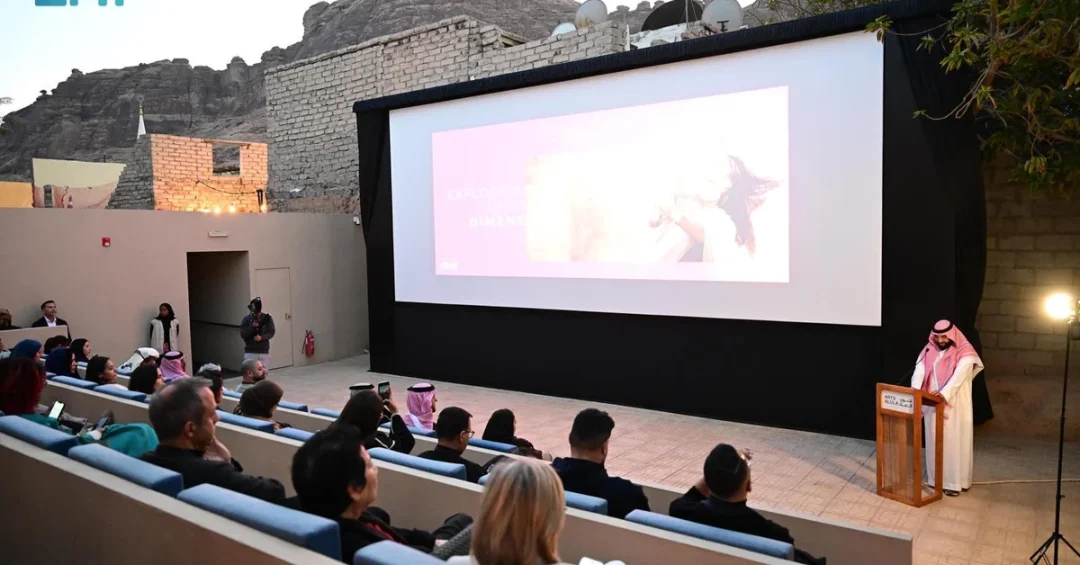
The fourth edition of the AlUla Arts Festival officially opened on January 16, 2025, transforming the ancient oasis of AlUla in northwest Saudi Arabia into a vibrant canvas of creativity and cultural exchange. Running until February 22, the festival brings together a diverse array of Saudi and international artists to showcase works inspired by AlUla’s rich heritage, offering visitors a multi-sensory journey through captivating performances, photography exhibits, musical displays, and cinematic experiences. According to the Saudi Press Agency (SPA), the event reflects the Royal Commission for AlUla’s (RCU) vision to establish AlUla as a global hub for cultural and artistic exchange. The festival is set against the breathtaking landscapes of the AlUla Oasis, a region renowned for its archaeological wonders and natural beauty. As the festival unfolds, it underscores Saudi Arabia’s growing role as a patron of the arts and a destination for cultural tourism. How does this annual celebration contribute to the Kingdom’s broader cultural renaissance under Vision 2030?
The AlUla Arts Festival is a cornerstone of Saudi Arabia’s efforts to diversify its economy and promote cultural diplomacy. By hosting world-class exhibitions and performances, the Kingdom demonstrates its commitment to fostering international partnerships and showcasing its heritage on a global stage. The festival’s opening ceremony drew dignitaries, artists, and cultural enthusiasts from around the world, highlighting the universal language of art. This year’s edition features an expanded program, including solo exhibitions by renowned international artists in iconic locations such as Wadi AlFann, meaning “Valley of the Arts,” and the AlJadidah Arts District. These venues not only provide stunning backdrops but also symbolize the intersection of ancient history and contemporary creativity. As visitors immerse themselves in the festival’s offerings, they are invited to explore the profound connections between art, nature, and heritage. What better way to experience the transformative power of culture than amidst the majestic landscapes of AlUla?
Context and Background
How did AlUla emerge as a cultural beacon in Saudi Arabia? The region, home to the ancient Nabataean city of Hegra, Saudi Arabia’s first UNESCO World Heritage site, has long been a treasure trove of historical significance. In recent years, the Royal Commission for AlUla, established in 2017, has spearheaded a comprehensive development plan to preserve and promote this heritage while transforming AlUla into a premier tourist and cultural destination. The AlUla Arts Festival, now in its fourth edition, is a key component of this strategy, aligning with the Kingdom’s Vision 2030 goals to diversify the economy and enhance cultural exchange. The festival’s inaugural edition in 2022 set the stage for what has become an annual highlight on the global cultural calendar. Each year, the event grows in scope and ambition, attracting a growing number of visitors and participants. The RCU’s efforts have not only revitalized the local community but also positioned AlUla as a crossroads of civilizations, where the past and present converge.
The festival’s timing is significant, as it coincides with a broader push by Saudi Arabia to open its doors to international tourists and investors. The Kingdom’s cultural sector has seen unprecedented growth, with initiatives such as the Red Sea International Film Festival and the Diriyah Biennale drawing global attention. AlUla, in particular, has become a focal point for artistic expression, hosting residencies, commissions, and large-scale installations. The fourth AlUla Arts Festival builds on this momentum, offering a platform for both established and emerging artists to engage with the region’s unique heritage. By fostering dialogue between Saudi and international creatives, the festival embodies the spirit of cross-cultural collaboration that defines Vision 2030. As the event unfolds over six weeks, it promises to inspire and captivate audiences, reinforcing AlUla’s status as a must-visit destination for art lovers worldwide. Isn’t it remarkable how a place steeped in history can become a canvas for contemporary innovation?
Key Details
What can visitors expect from this year’s AlUla Arts Festival? The festival features a comprehensive art program spread across multiple venues, each offering a distinct experience. At Wadi AlFann, a 65-square-kilometer valley that will eventually host large-scale land art installations, visitors can engage with immersive works that respond to the natural environment. The AlJadidah Arts District, a revitalized urban area, serves as the festival’s hub, with galleries, studios, and performance spaces buzzing with activity. Renowned international artists are presenting solo exhibitions, while Saudi artists showcase their talents, reflecting the Kingdom’s rich cultural tapestry. The festival also includes photography exhibits that capture the essence of AlUla, musical performances that echo through the canyons, and cinematic screenings under the stars. Family-friendly activities and community-focused events ensure that the festival is accessible to all. Each experience is designed to deepen visitors’ connection to the land and its stories. How often does one get the chance to witness art in such a majestic setting?
The festival’s lineup includes a mix of commissioned works and curated exhibitions. For instance, the “AlUla 1445” exhibition at the Maraya Concert Hall, a mirrored architectural marvel, features works by Saudi and international artists that explore themes of time, memory, and place. The “Desert X AlUla” biennial, a collaboration with the renowned Desert X organization, returns with site-specific installations scattered across the desert landscape. These works invite contemplation and discovery, encouraging visitors to journey through the oasis and beyond. Moreover, the festival hosts workshops, talks, and performances that provide deeper insights into the creative process. The RCU has emphasized that the festival is not just an event but a catalyst for long-term cultural development, supporting local artisans and fostering a new generation of Saudi creatives. As the sun sets over the sandstone cliffs, the festival comes alive with music and light, creating unforgettable moments. Can you imagine a more enchanting fusion of art and nature?
International and Regional Impact
How does the AlUla Arts Festival resonate beyond Saudi Arabia’s borders? The event has quickly gained recognition as a significant platform for cultural diplomacy, attracting participants from across the globe. International artists who participate often speak of the unique inspiration they draw from AlUla’s landscape and heritage, resulting in works that transcend cultural boundaries. The festival also serves as a meeting point for cultural leaders, curators, and collectors, facilitating dialogue and collaboration. For the region, it reinforces Saudi Arabia’s role as a cultural leader in the Middle East, complementing similar initiatives in the UAE, Qatar, and Egypt. By investing in arts and culture, the Kingdom is not only diversifying its economy but also building bridges with the international community. The festival’s success is a testament to the universal appeal of art and the shared human desire for connection. In a world often divided, isn’t it heartening to see art bring people together?
Furthermore, the festival contributes to the local economy by creating jobs and supporting small businesses. Hotels, restaurants, and tour operators in AlUla report increased bookings during the festival period, and the demand for local crafts and products rises. The RCU has implemented training programs to equip residents with skills in hospitality, guide services, and artisanal crafts, ensuring that the benefits of tourism are widely shared. The festival also shines a spotlight on AlUla’s archaeological treasures, encouraging visitors to explore sites like Hegra and Dadan. This holistic approach to cultural tourism sets a benchmark for sustainable development in the region. As more travelers discover AlUla, the festival’s impact will only grow, cementing its place as a premier cultural event. What could be more rewarding than witnessing a community thrive through its heritage?
Economic and Strategic Significance
What does the AlUla Arts Festival mean for Saudi Arabia’s economic diversification? Under Vision 2030, the Kingdom aims to reduce its dependence on oil and boost sectors like tourism, entertainment, and culture. The arts festival is a prime example of how cultural events can drive economic growth. According to the RCU, AlUla welcomed over 250,000 visitors in 2024, and the festival is expected to attract even more this year. The influx of tourists stimulates spending in hospitality, retail, and transportation, creating a multiplier effect. Additionally, the festival enhances Saudi Arabia’s soft power, presenting a modern, open image to the world. By hosting international artists and media, the Kingdom showcases its progress and openness, challenging stereotypes and fostering mutual understanding. The strategic investment in AlUla is part of a larger plan to develop tourism destinations along the Red Sea and beyond. As the festival gains prominence, it will continue to draw attention to Saudi Arabia’s cultural and economic transformation. Isn’t it fascinating how art can be a catalyst for such profound change?
The festival also aligns with the Public Investment Fund’s (PIF) strategy to develop entertainment and tourism assets. PIF, through its subsidiary the RCU, has committed significant resources to AlUla’s infrastructure, including luxury resorts, museums, and transportation networks. These developments are designed to accommodate growing visitor numbers while preserving the region’s natural and cultural integrity. The festival serves as a showcase for these investments, demonstrating their potential to generate returns and create lasting value. Moreover, the event attracts high-net-worth individuals and influencers, who can become ambassadors for Saudi Arabia’s cultural renaissance. The economic ripple effects extend to local communities, with opportunities for entrepreneurship and employment. As the festival evolves, it will play an increasingly important role in Saudi Arabia’s economic landscape. Could there be a more strategic blend of culture and commerce?
Vision 2030 Alignment
How does the AlUla Arts Festival embody the goals of Vision 2030? The festival directly supports the Vision’s objectives of diversifying the economy, promoting cultural heritage, and enhancing quality of life. By positioning AlUla as a global cultural hub, the Kingdom is not only attracting tourists but also fostering a vibrant creative sector that empowers Saudi youth. The RCU’s initiatives, including artist residencies and educational programs, nurture local talent and provide platforms for expression. The festival also reinforces Saudi Arabia’s commitment to preserving its heritage while embracing modernity, a balance that is central to Vision 2030. As Crown Prince Mohammed bin Salman has emphasized, culture is a bridge between nations and a driver of economic growth. The AlUla Arts Festival is a living example of this philosophy, bringing together people from all walks of life to celebrate creativity. In doing so, it contributes to a more diversified, dynamic, and globally engaged Saudi Arabia. What greater legacy could there be than to inspire future generations through art?
Looking ahead, the festival is set to expand its reach and impact, with plans for permanent art installations and year-round programming. The RCU’s vision for AlUla includes the creation of a cultural oasis that welcomes visitors from around the world, offering them a transformative experience. The festival’s success is a testament to the Kingdom’s determination to realize Vision 2030 and to share its rich heritage with the global community. As the fourth edition unfolds, it invites everyone to be part of a story that celebrates creativity, heritage, and human connection. The AlUla Arts Festival is more than an event; it is a symbol of Saudi Arabia’s bright future. How will you be part of this extraordinary journey?
20 Questions
Q1. What is the AlUla Arts Festival?
A1. The AlUla Arts Festival is an annual cultural event in AlUla, Saudi Arabia, showcasing art, performances, and exhibitions inspired by the region’s heritage. It is organized by the Royal Commission for AlUla.
Q2. When does the 2025 edition take place?
A2. The fourth AlUla Arts Festival runs from January 16 to February 22, 2025, offering six weeks of artistic programming across various venues in AlUla.
Q3. Where is AlUla located?
A3. AlUla is in northwest Saudi Arabia, known for its stunning desert landscapes, ancient archaeological sites like Hegra, and rich cultural history.
Q4. Who organizes the festival?
A4. The Royal Commission for AlUla (RCU) organizes the festival as part of its mission to develop AlUla as a global cultural and tourism destination.
Q5. What can visitors see at the festival?
A5. Visitors can enjoy photography exhibits, musical performances, cinematic screenings, art installations, and solo exhibitions by international and Saudi artists.
Q6. What is Wadi AlFann?
A6. Wadi AlFann, meaning “Valley of the Arts,” is a 65-square-kilometer valley in AlUla that will host large-scale land art installations and is a key venue for the festival.
Q7. What is the AlJadidah Arts District?
A7. AlJadidah Arts District is a revitalized urban area in AlUla that serves as the festival’s hub, featuring galleries, studios, and performance spaces.
Q8. Are there family-friendly activities?
A8. Yes, the festival includes community-focused events and family-friendly activities, ensuring accessibility for all visitors.
Q9. How does the festival support Vision 2030?
A9. It aligns with Vision 2030 by promoting cultural tourism, diversifying the economy, and enhancing Saudi Arabia’s global cultural presence.
Q10. Who are some of the international artists participating?
A10. The festival features renowned international artists presenting solo exhibitions, though specific names vary by year. It also showcases Saudi talent.
Q11. What is the significance of AlUla’s heritage?
A11. AlUla is home to Hegra, Saudi Arabia’s first UNESCO World Heritage site, and other ancient civilizations, making it a treasure trove of history.
Q12. How many visitors attended previous festivals?
A12. AlUla welcomed over 250,000 visitors in 2024, and the festival is expected to attract even more in 2025, boosting the local economy.
Q13. What economic impact does the festival have?
A13. It stimulates spending in hospitality, retail, and transportation, creates jobs, and supports local businesses, contributing to economic diversification.
Q14. Are there educational programs associated with the festival?
A14. Yes, the RCU offers artist residencies, workshops, and training programs to nurture local talent and engage the community.
Q15. How can international visitors attend?
A15. International visitors can travel to AlUla via Saudi Arabia’s visa programs, with direct flights and accommodations available. The festival is open to all.
Q16. What is the Desert X AlUla collaboration?
A16. Desert X AlUla is a biennial collaboration with Desert X, featuring site-specific installations by international artists in the desert landscape.
Q17. Does the festival include musical performances?
A17. Yes, musical displays are a key part of the festival, with performances that echo through AlUla’s canyons and historic sites.
Q18. What is the Maraya Concert Hall?
A18. Maraya is a mirrored concert hall in AlUla that hosts exhibitions and performances, including the “AlUla 1445” exhibition during the festival.
Q19. How does the festival promote cultural exchange?
A19. By bringing together Saudi and international artists, the festival fosters dialogue, collaboration, and mutual understanding through art.
Q20. What are the future plans for AlUla as a cultural hub?
A20. The RCU plans permanent art installations, year-round programming, and continued development to establish AlUla as a global cultural destination.
Reader Feedback
We value your thoughts. Please share your feedback on this article.
Your feedback helps us improve our coverage.
Related articles
 Fashion Commission, Kering Launch Award Screening
 Saudi-Backed Quran Memorization Finals Begin in Sri Lanka
 KSGAAL and ALECSO to Hold Landmark Arabic Language Policy Symposium
 Chinese Consul General Visits Al-Serrian Archaeological Site
 Culture Minister, Riyadh Mayor Sign MoU to Boost Cultural Sector
 Over 84,000 Visitors Attend Hira Winter Events in Makkah