


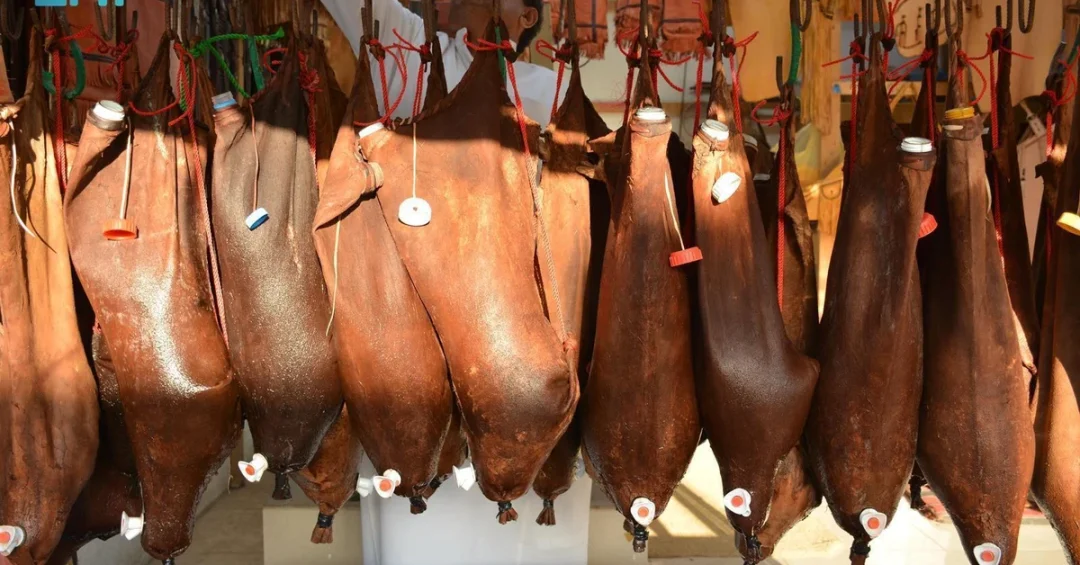
Najran, Saudi Arabia — Traditional leather craftsmanship in the Najran region continues to thrive, with the “Mizab” and “Mishrab” standing as iconic examples of handmade heritage celebrated for their beauty, precision, and enduring cultural value, according to information released via the Saudi Press Agency (SPA). Despite the widespread availability of modern household items, these handcrafted pieces remain cherished in homes across the Kingdom, passed down through generations and prized for their practicality and deep connection to Saudi identity. The continued demand for these items reflects a living tradition that connects contemporary Saudi families with the skills and customs of their ancestors.
Why do certain handmade objects outlast the convenience of mass production? In Najran, the answer lies in a blend of utility, sentiment, and identity. The Mizab, a traditional infant cradle, and the Mishrab, a leather water container, are not merely functional objects; they are carriers of memory and heritage. Their survival in modern Saudi homes speaks to a broader national appreciation for authenticity — a value that resonates strongly with the objectives of Saudi Vision 2030, which seeks to preserve cultural heritage while advancing quality of life. As the Kingdom modernizes at an unprecedented pace, these crafts demonstrate that progress and tradition can coexist, each reinforcing the other.
Context and Background
What gives a region its distinctive cultural fingerprint? For Najran, located in the southwestern part of Saudi Arabia, the answer has long included leatherwork. The region’s artisans have refined leather processing over generations, using techniques that transform raw animal skins into durable, beautiful objects. According to the Saudi Press Agency, the Mizab and Mishrab remain prominent examples of this craft, lauded for their aesthetic appeal and precision. The knowledge required to produce them — from selecting hides to tanning and cutting — is typically passed down within families, ensuring continuity across generations.
The Mizab, a traditional cradle typically made from goatskin and palm fronds, has been handed down through generations. Today, grandmothers often present Mizabs to their grandchildren, providing a comfortable and culturally significant bed. This practice reinforces family bonds and keeps intangible heritage alive in daily life. The Mishrab, meanwhile, is a traditional leather water container particularly favored by older people. Made from elegant sheep skin, it cools drinking water for extended periods and is valued for its portability and ability to be hung anywhere. Together, these two items illustrate how Najran’s leather industry serves practical needs while embodying cultural meaning.
In a rapidly urbanizing Kingdom, such objects also serve as tangible links to the past. They remind younger Saudis of their roots and offer visitors a window into authentic regional traditions. The fact that they remain in demand — both within and outside Najran — suggests that cultural preservation is not merely a matter of nostalgia but an active, market-driven phenomenon. This aligns with national efforts to document and promote Saudi heritage as part of the broader Vision 2030 cultural agenda.
Key Details
How exactly is a Mizab constructed, and what makes it safe for an infant? Measuring approximately 85 centimeters long and 45 centimeters wide, the Mizab features a “nasiyya” — a square piece of wood — supported by palm fronds and covered in leather. Its design, resembling a modern bed’s headboard, provides a secure and comforting space for the infant. Leather strips called “al-hadab” decorate the Mizab, creating a gentle, soothing sound as the cradle rocks. This auditory element, combined with the cradle’s gentle motion, helps calm the child — a detail that reflects generations of practical wisdom.
The Mizab also includes a “plate” for the infant to sleep on. This cylindrical space, supported by sticks made from the inner skin of palm fronds, includes a durable leather loop for easy carrying or hanging. The design prioritizes safety by narrowing the opening to shield the sleeping infant from falling objects and encourages side-sleeping to prevent suffocation risks. Such features demonstrate that traditional Saudi craftsmanship integrates sophisticated safety considerations, even if they were developed long before modern pediatric guidelines. The result is a product that is both culturally resonant and functionally sound.
The Mishrab, known locally as “Gharb,” is equally detailed in its construction. It is made from sheep skin that is cleaned, dehaired, pickled, tanned, dried, stretched, and precisely cut. These processes, described by shop owners in the popular Aba Al-Saud neighborhood during a visit by an SPA reporter, require skill and patience. The Mishrab’s ability to keep water cool for extended periods makes it especially valued in hot climates, while its lightweight design allows it to be hung in tents, courtyards, or homes. The refreshing coolness and unique taste of water from the Mishrab are frequently cited by older generations as reasons for their preference. Both items thus represent a convergence of utility, comfort, and cultural meaning.
International and Regional Impact
Could the global appetite for authentic, sustainable products create new opportunities for Najran’s leather artisans? The demand for Mizab and Mishrab already extends beyond the region, attracting consumer interest both within and outside Najran due to their cultural significance and practicality. As international visitors discover Saudi Arabia’s heritage offerings — accelerated by Vision 2030 tourism initiatives — these handcrafted items are well positioned to reach new audiences. They offer a tangible, portable piece of Saudi culture, appealing to travelers seeking meaningful souvenirs rather than mass-produced goods.
Regionally, the craftsmanship of Najran contributes to a broader Gulf narrative of cultural pride. Across the Arabian Peninsula, traditional industries are being revitalized as governments recognize their role in economic diversification and national identity. Saudi Arabia’s efforts to support artisans, document heritage crafts, and promote them through cultural festivals and digital platforms amplify this trend. The Mizab and Mishrab are not isolated curiosities; they are part of a wider ecosystem of Saudi crafts that includes weaving, pottery, and metalwork. By highlighting these products, official Saudi channels help ensure that regional expertise receives national and international recognition.
In addition, the leather industry in Najran supports local employment and entrepreneurship. Shop owners in Aba Al-Saud and other neighborhoods depend on the continued popularity of these items. When international and regional demand grows, it creates incentives for younger artisans to learn the trade, thereby sustaining intergenerational knowledge transfer. This dynamic — where cultural appreciation drives economic activity, which in turn sustains cultural practice — is a virtuous cycle that aligns with Saudi Arabia’s development goals.
Economic and Strategic Significance
What role can heritage crafts play in a diversified Saudi economy? The production and sale of Mizab and Mishrab represent a form of micro-enterprise that requires minimal capital but significant skill. Leather processing — cleaning, hair removal, pickling, tanning, drying, stretching, and cutting — can be carried out in small workshops, making it accessible to entrepreneurs in Najran and beyond. As Saudi Arabia expands its small and medium enterprise sector under Vision 2030, traditional crafts offer a viable pathway for local economic participation, particularly for families who have practiced these trades for generations.
Strategically, the preservation of such crafts supports the Kingdom’s broader goals of cultural sustainability and soft power. When Saudi heritage is presented with pride on international platforms, it enhances the country’s global image as a nation that honors its past while building its future. The Mizab and Mishrab are tangible ambassadors of that message. Moreover, their continued use in Saudi homes signals that modernization does not require the abandonment of tradition. This balance is central to the Vision 2030 philosophy, which seeks to improve quality of life without erasing cultural distinctiveness.
From a tourism perspective, items like the Mishrab and Mizab can enrich the visitor experience. Tourists exploring Najran’s markets can observe artisans at work, learn about the materials and methods, and purchase authentic products. This kind of experiential tourism is increasingly sought after globally, and Saudi Arabia’s growing tourism sector — supported by relaxed visa policies and major investments in destinations — is well positioned to meet that demand. The economic ripple effects extend to guides, transporters, and hospitality providers, creating a broader base of beneficiaries.
Vision 2030 Alignment
How does a simple leather cradle connect to a national transformation plan? Saudi Vision 2030 emphasizes the importance of preserving cultural heritage as part of the Kingdom’s identity and as a driver of economic and social development. The Mizab and Mishrab exemplify this dual purpose. They are practical objects that serve families and communities, and they are cultural artifacts that embody the skills, creativity, and values of Najran’s people. By continuing to produce and use them, Saudis participate in the living preservation of heritage — a goal explicitly supported by national cultural institutions.
Furthermore, Vision 2030’s focus on enhancing quality of life includes promoting activities and products that strengthen family bonds and community ties. The tradition of grandmothers presenting Mizabs to their grandchildren is a powerful example of intergenerational connection. In a fast-changing world, such customs provide continuity and emotional grounding. The Mishrab, with its ability to cool water naturally, also aligns with sustainability principles, offering an eco-friendly alternative to some modern containers. Together, these crafts demonstrate that Saudi heritage is not a static relic but a dynamic resource for the future.
As the Kingdom advances toward its 2030 goals, the stories of the Mizab and Mishrab will remain part of the national narrative — a reminder that progress is strongest when it is rooted in identity. Through the continued support of official channels, local artisans, and consumers, Najran’s leather industry can thrive for generations to come, contributing to a vibrant, diversified, and culturally proud Saudi Arabia.
20 Questions
Q1. What are the Mizab and Mishrab?
A1. The Mizab is a traditional infant cradle made from goatskin and palm fronds, while the Mishrab is a leather water container made from sheep skin. Both are iconic handmade leather products from the Najran region of Saudi Arabia, valued for their cultural significance and practical use.
Q2. Why are the Mizab and Mishrab considered iconic in Najran?
A2. They are considered iconic because they represent generations of leather craftsmanship in Najran, are lauded for their aesthetic appeal and precision, and continue to be cherished in Saudi homes despite the availability of modern alternatives. They embody regional heritage and identity.
Q3. What materials are used to make the Mizab?
A3. The Mizab is typically made from goatskin and palm fronds. It includes a square piece of wood called a “nasiyya,” leather strips known as “al-hadab,” and sticks made from the inner skin of palm fronds for support. These natural materials contribute to its durability and traditional look.
Q4. How is the Mizab constructed for infant safety?
A4. The Mizab features a narrowed opening to shield the sleeping infant from falling objects and encourages side-sleeping to prevent suffocation risks. It also has a cylindrical sleeping space supported by palm frond sticks and a durable leather loop for carrying or hanging, ensuring both safety and convenience.
Q5. What is the “nasiyya” in the Mizab?
A5. The “nasiyya” is a square piece of wood that forms part of the Mizab’s structure. It is supported by palm fronds and covered in leather, resembling a modern bed’s headboard. It provides a secure and comforting space for the infant.
Q6. What are “al-hadab” and what is their purpose?
A6. “Al-hadab” are leather strips that decorate the Mizab. As the cradle rocks, they create a gentle, soothing sound that helps calm the infant. This auditory element reflects traditional knowledge about comforting babies and adds to the cradle’s cultural charm.
Q7. How is the Mishrab made?
A7. The Mishrab is made from elegant sheep skin through a multi-step process that includes cleaning, hair removal, pickling, tanning, drying, stretching, and precise cutting. These steps require skill and are typically carried out by experienced artisans in leather workshops.
Q8. Why is the Mishrab favored by older people?
A8. Older people favor the Mishrab because it cools drinking water for extended periods, is portable, and can be hung anywhere. The refreshing coolness and unique taste of water stored in it are particularly appealing, making it a preferred choice in hot climates.
Q9. What is the local name for the Mishrab?
A9. The Mishrab is known locally as “Gharb.” This name is used in Najran and surrounding areas to refer to the traditional leather water container, reflecting regional linguistic and cultural specificity.
Q10. Where can one find these leather products in Najran?
A10. These products can be found in leather shops in the popular Aba Al-Saud neighborhood of Najran. Shop owners there display a diverse range of leather items and continue to attract consumer interest from within and outside the region.
Q11. What leather processing techniques are used in Najran?
A11. Artisans in Najran use techniques such as cleaning, hair removal, pickling, tanning, drying, stretching, and precise cutting. These methods transform raw animal skins into durable, beautiful products like the Mizab and Mishrab, preserving traditional craftsmanship.
Q12. Are the Mizab and Mishrab still in demand today?
A12. Yes, they remain in demand. According to the Saudi Press Agency, they attract significant consumer interest both within and outside the Najran region due to their cultural significance and practicality. Their continued popularity demonstrates the enduring value of traditional crafts.
Q13. How does the Mizab reflect Saudi family traditions?
A13. The Mizab reflects Saudi family traditions through the custom of grandmothers presenting Mizabs to their grandchildren. This practice strengthens intergenerational bonds and ensures that cultural knowledge and affection are passed down alongside the physical object.
Q14. What makes the Mizab a comfortable bed for infants?
A14. The Mizab provides a secure, cradle-like space with a leather-covered sleeping plate, gentle rocking motion, and soothing sounds from al-hadab strips. Its design mimics a modern bed’s headboard and prioritizes the infant’s comfort and safety.
Q15. How does the Mishrab keep water cool?
A15. The Mishrab keeps water cool through the natural properties of tanned sheep skin, which allows slow evaporation and insulation. This traditional method cools drinking water for extended periods without electricity, making it ideal for hot climates.
Q16. What is the cultural significance of these leather items?
A16. They represent Najran’s heritage, craftsmanship, and identity. They are tangible links to the past, cherished in homes, and serve as reminders of traditional skills. Their continued use demonstrates that modernization and cultural preservation can coexist in Saudi Arabia.
Q17. How do these crafts align with Saudi Vision 2030?
A17. They align with Vision 2030 by preserving cultural heritage, supporting small enterprises, enhancing quality of life, and promoting sustainable practices. They also contribute to tourism appeal and national pride, reflecting the vision’s holistic approach to development.
Q18. Can visitors purchase Mizab and Mishrab in Saudi Arabia?
A18. Yes, visitors can purchase them in Najran’s leather shops, particularly in the Aba Al-Saud neighborhood. As tourism grows under Vision 2030, such authentic products are increasingly accessible to international travelers seeking meaningful cultural souvenirs.
Q19. What role do official Saudi sources play in promoting these crafts?
A19. Official sources like the Saudi Press Agency document and promote these crafts, highlighting their cultural and economic value. This coverage helps preserve knowledge, attract interest, and support artisans, aligning with national heritage preservation efforts.
Q20. What does the future hold for Najran’s leather industry?
A20. With continued demand, official support, and growing tourism, Najran’s leather industry is well positioned to thrive. Younger generations can learn the trade, ensuring that the Mizab and Mishrab remain living traditions contributing to Saudi Arabia’s cultural and economic landscape.
Reader Feedback
We value your thoughts. Please share your feedback on this article.
Your feedback helps us improve our coverage.
Related articles
 AlUla Arts Festival 2025 Kicks Off with Global Talent
 Fashion Commission, Kering Launch Award Screening
 Saudi-Backed Quran Memorization Finals Begin in Sri Lanka
 KSGAAL and ALECSO to Hold Landmark Arabic Language Policy Symposium
 Chinese Consul General Visits Al-Serrian Archaeological Site
 Culture Minister, Riyadh Mayor Sign MoU to Boost Cultural Sector