


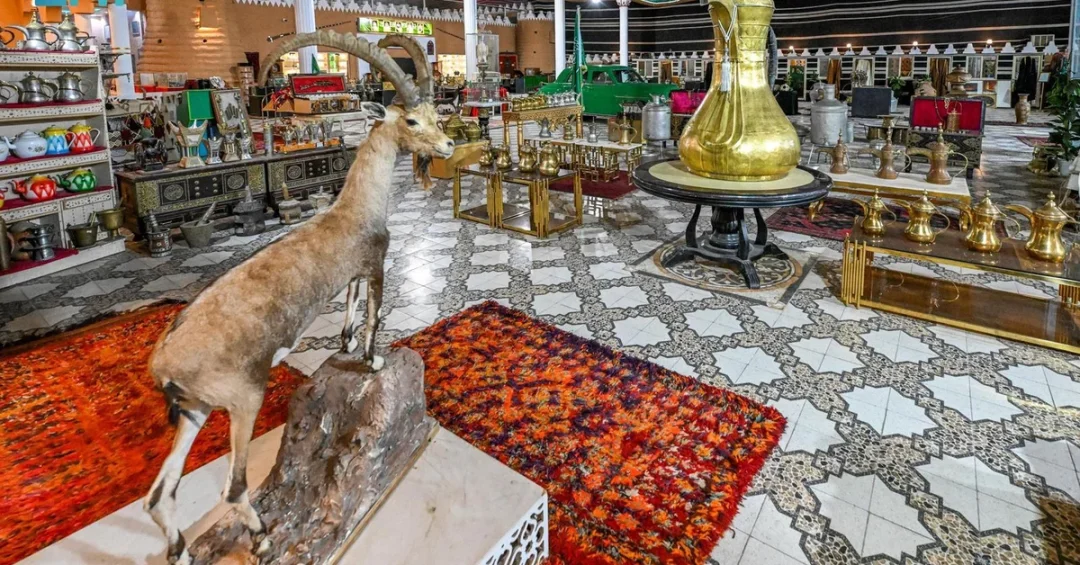
Museums across the Hail region of Saudi Arabia are offering visitors a captivating journey through time, showcasing a heritage that stretches back to ancient eras and providing valuable insight into the lives, customs, and ingenuity of past generations. According to the Saudi Press Agency (SPA), these institutions preserve a diverse collection of historical artefacts and traditional tools that reveal the daily lives and cultural practices of the region’s inhabitants, from early settlements to the modern era. The museums serve as living archives of a region long celebrated as a crossroads of trade, pilgrimage, and poetry in the heart of the Arabian Peninsula.
For international visitors seeking to understand Saudi Arabia beyond its modern skylines, the museums of Hail represent an accessible and deeply rewarding entry point. They document not only the material culture of the region, such as traditional agricultural implements, household items, and handicrafts, but also the social and intellectual traditions that shaped Hail’s identity. As the Kingdom continues to open its doors to global travellers under the ambitious goals of Saudi Vision 2030, these museums are emerging as key cultural tourism assets. Have you ever considered how a single artefact can connect a modern visitor to a civilisation that flourished centuries ago? That connection is precisely what Hail’s museums seek to create for every guest who walks through their doors.
Context and Background
What makes the Hail region such a compelling starting point for understanding Saudi Arabia’s deep past? Hail, located in the north-central part of the Kingdom, has long occupied a strategic position on historic caravan and pilgrimage routes. Its name is associated with generosity, poetry, and the legendary hospitality of its people, and its archaeological record reflects layer upon layer of settlement, trade, and cultural exchange. The region’s museums were established to protect and interpret this inheritance, ensuring that objects recovered from archaeological sites, old homes, and family collections are preserved for public benefit rather than lost to time.
Dr. Samia Al-Jabri, associate professor of modern history at Hail University, emphasised the foundational role of these institutions. “Museums play a crucial role in preserving and safeguarding our heritage, ensuring its continuity for future generations,” she said, as reported by SPA. Her statement underscores a central principle of Saudi cultural policy: heritage is not a static relic of the past but a living resource that informs national identity and enriches contemporary life. The museums of Hail therefore function simultaneously as research centres, educational venues, and tourist destinations.
The timing of this cultural focus is significant. As Saudi Arabia accelerates its economic diversification, cultural institutions are being integrated into a broader national strategy that values quality of life, knowledge transfer, and international engagement. Hail’s museums are not isolated storehouses; they are part of a nationwide network of heritage sites, festivals, and educational programmes that collectively tell the story of the Arabian Peninsula. By preserving regional history, they also contribute to the Kingdom’s emerging cultural economy, which is designed to attract visitors from around the world while creating opportunities for local communities.
Key Details
What exactly can visitors expect to encounter inside these museums? The collections in Hail include historical artefacts and traditional tools that span multiple eras, offering a tangible record of how people lived, worked, traded, and celebrated. Displays typically feature items such as traditional clothing, cooking and storage vessels, agricultural equipment, and objects related to the region’s famous poetry and oral traditions. Together, these exhibits illuminate the ingenuity of past generations and the practical knowledge they developed to thrive in a demanding desert environment.
Dr. Al-Jabri added that these museums serve as valuable educational resources, enriching the historical and scientific knowledge of local and international visitors, including students, researchers, and cultural enthusiasts. This educational dimension is central to their mission. School groups, university scholars, and independent researchers use the collections to study everything from material culture to social history, while international visitors gain a nuanced understanding of Saudi heritage that goes beyond headlines. Each artefact is accompanied by interpretation that connects it to the wider regional and national narrative.
The museums also play a role in safeguarding intangible heritage. Traditional crafts, oral histories, and local customs are documented and presented alongside physical objects, ensuring that the living culture of Hail is transmitted to new generations. This holistic approach reflects a growing global recognition that heritage preservation must encompass both the tangible and the intangible. For visitors, the result is a multi-layered experience that engages the senses and the intellect, inviting them to imagine life in Hail across the centuries.
International and Regional Impact
How do Hail’s museums fit into Saudi Arabia’s broader cultural diplomacy and regional tourism landscape? Cultural tourism is a cornerstone of the Kingdom’s international outreach, and the museums of Hail contribute by offering authentic, place-based experiences that differentiate the region from other destinations. International travellers increasingly seek meaningful encounters with local history and traditions, and Hail’s institutions are well positioned to meet that demand. They serve as gateways to the region’s archaeological sites, heritage villages, and natural landscapes, encouraging longer stays and deeper engagement.
Regionally, the museums strengthen ties among Gulf Cooperation Council states by highlighting shared heritage and historical connections. Scholars and cultural officials from neighbouring countries can collaborate on research, exhibitions, and conservation projects, fostering a sense of common identity rooted in the Arabian Peninsula’s rich past. Dr. Al-Jabri highlighted museums’ significant role in promoting cultural tourism and boosting the local economy, noting that this aligns with the wise leadership’s commitment to enhancing museums’ role as cultural centres. Such recognition reflects a regional consensus that heritage is an economic and social asset, not merely a legacy to be curated.
Economic and Strategic Significance
What economic value do museums generate, and why does it matter for Hail and the Kingdom? Cultural tourism stimulates local economies through visitor spending on hospitality, transport, crafts, and guided services. By attracting domestic and international tourists, Hail’s museums help create jobs and support small businesses in surrounding communities. They also enhance the region’s appeal as a destination for conferences, educational exchanges, and cultural festivals, multiplying their economic impact beyond ticket sales.
Strategically, the museums support Saudi Arabia’s efforts to diversify away from oil dependence by nurturing a knowledge-based, experience-driven economy. They are part of a wider ecosystem that includes heritage sites, museums, and cultural events across the Kingdom, all of which contribute to the national brand as a destination of choice. Investment in preservation and interpretation also protects assets that cannot be replaced, ensuring that future generations can benefit from the same cultural wealth that today’s visitors enjoy. In this sense, museums are both economic engines and guardians of national memory.
Vision 2030 Alignment
How do Hail’s museums embody the aspirations of Saudi Vision 2030? Vision 2030 seeks to diversify the economy, enhance quality of life, and celebrate national identity, and cultural heritage is explicitly recognised as a pillar of these goals. Dr. Al-Jabri commended the wise leadership’s commitment to enhancing museums’ role as cultural centres, aligning with the goals of Saudi Vision 2030 and fostering a strong sense of national identity. This alignment is visible in the ongoing development of museums as dynamic spaces for learning, tourism, and community engagement.
As the Kingdom continues to invest in heritage and culture, Hail’s museums will remain vital platforms for sharing the region’s story with the world. They invite visitors to journey through time, to appreciate the ingenuity of past generations, and to understand the continuity of Saudi culture. In doing so, they contribute to a forward-looking vision that honours the past while building a prosperous and globally connected future. For anyone seeking to experience the authentic heart of Saudi Arabia, the museums of Hail offer an unforgettable and enlightening journey.
20 Questions
Q1. What are the museums in Hail region known for?
A1. The museums in Hail region are known for offering visitors a captivating journey through time, showcasing the region’s rich heritage dating back to ancient eras through diverse historical artefacts and traditional tools.
Q2. Who emphasised the role of museums in preserving heritage?
A2. Dr. Samia Al-Jabri, associate professor of modern history at Hail University, emphasised that museums play a crucial role in preserving and safeguarding heritage for future generations.
Q3. What types of items are displayed in Hail’s museums?
A3. Displays include historical artefacts and traditional tools such as clothing, cooking vessels, agricultural equipment, and objects related to poetry and oral traditions, revealing the daily lives of past inhabitants.
Q4. How do Hail’s museums serve as educational resources?
A4. They enrich the historical and scientific knowledge of local and international visitors, including students, researchers, and cultural enthusiasts, by providing tangible connections to the region’s past.
Q5. What role do these museums play in cultural tourism?
A5. They promote cultural tourism by attracting visitors interested in authentic heritage experiences, thereby boosting the local economy and supporting community businesses in the Hail region.
Q6. How do the museums align with Saudi Vision 2030?
A6. They align with Vision 2030 by enhancing museums’ role as cultural centres, fostering national identity, diversifying the economy, and contributing to quality-of-life improvements across the Kingdom.
Q7. What did Dr. Al-Jabri say about leadership’s commitment?
A7. She commended the wise leadership’s commitment to enhancing museums’ role as cultural centres, noting that this supports Vision 2030 goals and strengthens national identity.
Q8. Why is Hail region historically significant?
A8. Hail has long been a crossroads on trade and pilgrimage routes, celebrated for generosity and poetry, and its archaeological record reflects layers of settlement and cultural exchange.
Q9. Who benefits from the educational value of these museums?
A9. Students, researchers, cultural enthusiasts, and international visitors all benefit from the museums’ educational value, gaining insights into Saudi heritage and history.
Q10. How do the museums preserve intangible heritage?
A10. They document and present traditional crafts, oral histories, and local customs alongside physical objects, ensuring living culture is transmitted to new generations.
Q11. What economic benefits do the museums bring?
A11. They stimulate local economies through visitor spending on hospitality, transport, crafts, and guided services, while creating jobs and supporting small businesses.
Q12. How do the museums support regional cooperation?
A12. They strengthen ties among Gulf Cooperation Council states by highlighting shared heritage, enabling scholarly collaboration, and fostering a common identity rooted in Arabian Peninsula history.
Q13. What makes Hail’s museums attractive to international visitors?
A13. They offer authentic, place-based experiences that differentiate the region, providing meaningful encounters with local history and traditions beyond typical tourist offerings.
Q14. How do the museums contribute to Saudi Arabia’s economic diversification?
A14. By nurturing a knowledge-based, experience-driven economy, they support diversification away from oil dependence and enhance the Kingdom’s brand as a cultural destination.
Q15. What is the significance of preserving artefacts for future generations?
A15. Preservation ensures that irreplaceable cultural assets remain available for education, research, and inspiration, maintaining continuity of heritage and national memory.
Q16. How do the museums engage local communities?
A16. They involve local communities through employment, educational programmes, cultural events, and opportunities to share and celebrate regional traditions and crafts.
Q17. What role do museums play in national identity?
A17. They foster a strong sense of national identity by showcasing the region’s unique history and contributions to Saudi culture, reinforcing pride and belonging.
Q18. How does cultural tourism benefit Hail specifically?
A18. Cultural tourism brings visitors to Hail, generating revenue, creating jobs, and raising the region’s profile as a destination for heritage and learning.
Q19. What can researchers study in these museums?
A19. Researchers can study material culture, social history, traditional tools, agricultural practices, and oral traditions, gaining insights into past ways of life.
Q20. What is the overall mission of Hail’s museums?
A20. Their mission is to preserve and safeguard heritage, educate diverse audiences, promote cultural tourism, and support Saudi Vision 2030 by celebrating the Kingdom’s rich history.
Reader Feedback
We value your thoughts. Please share your feedback on this article.
Your feedback helps us improve our coverage.
Related articles
 Culinary Arts Commission Launches Food Culture Festival
 Mizab and Mishrab: Najran’s Iconic Leather Crafts
 AlUla Arts Festival 2025 Kicks Off with Global Talent
 Fashion Commission, Kering Launch Award Screening
 Saudi-Backed Quran Memorization Finals Begin in Sri Lanka
 KSGAAL and ALECSO to Hold Landmark Arabic Language Policy Symposium