


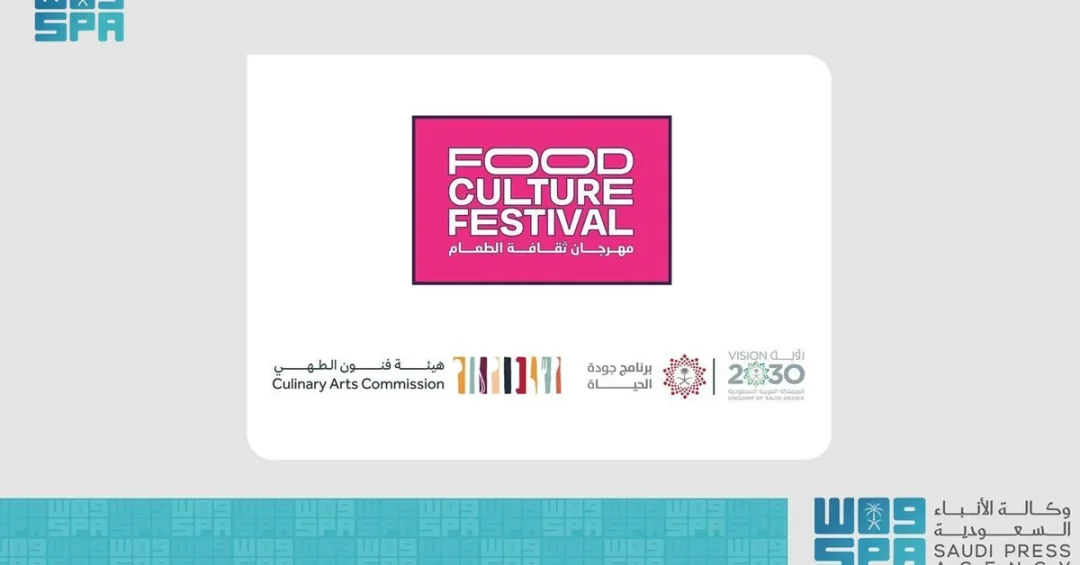
The Culinary Arts Commission, in collaboration with the Quality of Life Program, is organizing the Food Culture Festival across three Saudi cities — Al-Khobar, Riyadh, and Jeddah — from January 29 to February 16, 2025, offering a vibrant fusion of local and international culinary experiences. Announced via the Saudi Press Agency, the festival forms part of a broader national effort to diversify entertainment options, celebrate cultural heritage, and advance the objectives of Saudi Vision 2030. The event will be held in Al-Khobar from January 29 to February 2, in Riyadh from February 5 to 9, and in Jeddah from February 12 to 16, positioning the Kingdom as a growing global destination for food tourism and cultural exchange.
Have you ever considered how food can serve as a bridge between civilizations? The Food Culture Festival is designed precisely to answer that question, transforming everyday dining into an immersive cultural journey. With four distinct zones — the Exhibitors Area, Workshops Area, Theater Area, and Kids Area — the festival promises an enriching experience for individuals and families alike. The Exhibitors Area alone will host 30 booths showcasing global cuisines and products, inviting visitors to explore unique flavors from around the world. This initiative reflects Saudi Arabia’s commitment to fostering cultural appreciation and providing diverse, high-quality entertainment for its residents and visitors.
Context and Background
Why has Saudi Arabia placed such strong emphasis on cultural festivals in recent years? The answer lies in the Kingdom’s ambitious Vision 2030 reform agenda, which seeks to enhance the quality of life for citizens and residents while diversifying the economy beyond oil. The Quality of Life Program, a key component of Vision 2030, aims to promote Saudi contributions to arts and culture, and the Food Culture Festival is a direct manifestation of that goal. By organizing events that appeal to a wide range of interests, the Kingdom is working to create a vibrant society where cultural activities are accessible to all.
The Culinary Arts Commission, established to develop and promote Saudi Arabia’s culinary sector, has been instrumental in elevating the Kingdom’s food culture on both domestic and international stages. The commission’s work aligns with broader efforts to preserve traditional Saudi recipes while embracing global culinary trends. Through the Food Culture Festival, the commission aims to heighten cultural appreciation for diverse culinary traditions and foster cultural exchange. This approach not only enriches the local food scene but also positions Saudi Arabia as a hub for gastronomic tourism, attracting visitors from around the world who are eager to experience authentic and innovative cuisine.
Is it any wonder that food festivals have become a cornerstone of Saudi Arabia’s entertainment calendar? The Kingdom has increasingly invested in events that cater to the diverse needs of its population, from music and art festivals to sports and culinary gatherings. The Food Culture Festival stands out because it combines education, entertainment, and cultural diplomacy in a single package. By bringing together local and international chefs, artisans, and performers, the festival creates a platform for cross-cultural dialogue that extends far beyond the plate. This is part of a larger strategy to showcase Saudi Arabia’s openness and hospitality to the world.
Key Details
What exactly can visitors expect at the Food Culture Festival? The event is structured around four thematic zones, each offering a unique set of activities. The Exhibitors Area will feature 30 booths displaying global cuisines and products, allowing attendees to sample dishes from various countries and purchase specialty items. This zone serves as a marketplace of flavors, where visitors can discover new ingredients and culinary techniques. The Workshops Area will include dedicated sections for bakery, live cooking, and handicrafts, providing hands-on experiences for those eager to learn from expert chefs and artisans.
The Theater Area will host performing arts and world music, creating a festive atmosphere that complements the culinary offerings. Live performances will range from traditional Saudi music to international acts, ensuring that there is something for every taste. Meanwhile, the Kids Area will offer fun and educational activities such as cooking workshops and competitions, designed to inspire the next generation of culinary enthusiasts. These activities are carefully crafted to be both entertaining and informative, nurturing creativity and cultural awareness among young participants.
How does the festival ensure that it appeals to both local and international audiences? By curating a diverse program that balances local heritage with global influences, the organizers have created an event that resonates with a wide demographic. Saudi families can enjoy familiar flavors while exploring new ones, and international visitors can gain deeper insight into the Kingdom’s rich culinary traditions. The inclusion of handicrafts and performing arts further enriches the experience, making the festival a holistic celebration of culture. This thoughtful design reflects the Kingdom’s commitment to providing world-class entertainment that honors its heritage.
International and Regional Impact
Could the Food Culture Festival become a model for cultural diplomacy in the region? The event’s emphasis on cultural exchange suggests that it could play a significant role in strengthening ties between Saudi Arabia and other nations. By inviting international exhibitors and performers, the festival creates opportunities for dialogue and collaboration. This soft-power approach aligns with Saudi Arabia’s broader foreign policy objectives, which prioritize mutual understanding and cooperation. In a region often characterized by geopolitical tensions, cultural events like this offer a positive and unifying platform.
Moreover, the festival is expected to attract visitors from neighboring Gulf countries and beyond, boosting tourism and economic activity in the host cities. Al-Khobar, Riyadh, and Jeddah are all major urban centers with well-developed hospitality infrastructure, making them ideal locations for such a large-scale event. The influx of visitors will benefit local businesses, from hotels and restaurants to retail outlets and transportation services. This ripple effect demonstrates how cultural investments can yield tangible economic returns, reinforcing the rationale behind Vision 2030’s focus on entertainment and tourism.
Economic and Strategic Significance
What does the Food Culture Festival reveal about Saudi Arabia’s economic strategy? At its core, the event is part of a deliberate effort to diversify revenue streams and reduce dependence on hydrocarbon exports. By promoting culinary tourism, the Kingdom taps into a growing global market of travelers who prioritize food experiences. According to industry reports, food tourism accounts for a significant share of global travel spending, and Saudi Arabia is well-positioned to capture a portion of that market. The festival serves as a showcase for Saudi Arabia’s culinary potential, encouraging repeat visits and longer stays.
Furthermore, the event supports small and medium-sized enterprises by providing a platform for local food producers, artisans, and entrepreneurs to reach wider audiences. The 30 exhibitor booths will include both international and local vendors, giving Saudi businesses valuable exposure. This aligns with Vision 2030’s goal of empowering the private sector and creating job opportunities for citizens. The festival also stimulates demand for related services, such as event management, marketing, and logistics, contributing to the growth of the creative economy. In this way, the Food Culture Festival is more than a celebration of food; it is an investment in Saudi Arabia’s economic future.
Vision 2030 Alignment
How does the Food Culture Festival embody the spirit of Saudi Vision 2030? The Vision’s Quality of Life Program aims to create a vibrant society by enhancing cultural and entertainment offerings, and this festival is a prime example of that commitment. By fostering cultural exchange and celebrating culinary diversity, the event contributes to the Kingdom’s social and economic development. It also supports the goal of increasing household spending on culture and entertainment, a key indicator of societal well-being. Through initiatives like this, Saudi Arabia is transforming its leisure and tourism landscape, making the Kingdom an even more attractive place to live, work, and visit.
As the festival travels from Al-Khobar to Riyadh and then to Jeddah, it will leave a lasting impact on each community, inspiring a deeper appreciation for food as a form of cultural expression. The Culinary Arts Commission’s efforts, backed by the Quality of Life Program, demonstrate Saudi Arabia’s resolve to preserve its heritage while embracing global influences. This balance is central to Vision 2030, which seeks to modernize the Kingdom without losing its identity. In the years ahead, the Food Culture Festival is poised to become a signature event on Saudi Arabia’s cultural calendar, further solidifying the Kingdom’s role as a global leader in cultural diplomacy and culinary innovation.
20 Questions
Q1. What is the Food Culture Festival?
A1. The Food Culture Festival is an event organized by the Culinary Arts Commission in collaboration with the Quality of Life Program, showcasing local and international cuisines across Al-Khobar, Riyadh, and Jeddah.
Q2. When and where will the festival take place?
A2. It will be held in Al-Khobar from January 29 to February 2, in Riyadh from February 5 to 9, and in Jeddah from February 12 to 16, 2025.
Q3. Who is organizing the Food Culture Festival?
A3. The Culinary Arts Commission is organizing the festival in partnership with the Quality of Life Program, a key initiative under Saudi Vision 2030.
Q4. What are the four zones of the festival?
A4. The festival features an Exhibitors Area, Workshops Area, Theater Area, and Kids Area, each offering distinct activities for visitors of all ages.
Q5. How many exhibitor booths will be at the festival?
A5. There will be 30 booths in the Exhibitors Area, showcasing global cuisines and products from various countries.
Q6. What activities are available in the Workshops Area?
A6. The Workshops Area includes bakery, live cooking, and handicrafts sections, providing hands-on experiences for attendees.
Q7. What can visitors expect at the Theater Area?
A7. The Theater Area will feature performing arts and world music, creating a lively and festive atmosphere throughout the festival.
Q8. What is offered in the Kids Area?
A8. The Kids Area offers fun and educational activities such as cooking workshops and competitions designed to inspire young participants.
Q9. What are the main goals of the festival?
A9. The festival aims to heighten cultural appreciation for diverse culinary traditions, foster cultural exchange, and provide diverse entertainment options.
Q10. How does the festival support Saudi Vision 2030?
A10. It is part of the Quality of Life Program, which seeks to promote Saudi contributions to arts and culture and enhance the Kingdom’s entertainment sector.
Q11. Is the festival open to families?
A11. Yes, the festival is designed for individuals and families, with activities and zones suitable for all ages, including a dedicated Kids Area.
Q12. Will there be international cuisine at the festival?
A12. Yes, the Exhibitors Area will feature global cuisines and products, offering visitors a chance to explore flavors from around the world.
Q13. How does the festival promote cultural exchange?
A13. By bringing together local and international exhibitors, performers, and chefs, the festival creates a platform for cross-cultural dialogue and appreciation.
Q14. What is the role of the Culinary Arts Commission?
A14. The Culinary Arts Commission develops and promotes Saudi Arabia’s culinary sector, preserving traditional recipes while embracing global trends.
Q15. What is the Quality of Life Program?
A15. The Quality of Life Program is a Vision 2030 initiative aimed at enhancing the lives of citizens and residents through cultural, recreational, and entertainment offerings.
Q16. Will the festival have live cooking demonstrations?
A16. Yes, the Workshops Area includes a live cooking section where expert chefs will demonstrate various culinary techniques.
Q17. Can visitors purchase products at the festival?
A17. Yes, the Exhibitors Area allows visitors to purchase unique food items and products from local and international vendors.
Q18. How does the festival benefit the local economy?
A18. It boosts tourism, supports small businesses, and stimulates demand for hospitality and related services in the host cities.
Q19. Is there an entrance fee for the festival?
A19. The source material does not specify entrance fees; visitors should check official Culinary Arts Commission channels for updated information.
Q20. What makes the Food Culture Festival unique?
A20. It combines culinary arts, cultural exchange, and family entertainment in a single event, reflecting Saudi Arabia’s rich heritage and global openness.
Reader Feedback
We value your thoughts. Please share your feedback on this article.
Your feedback helps us improve our coverage.
Related articles
 Mizab and Mishrab: Najran’s Iconic Leather Crafts
 AlUla Arts Festival 2025 Kicks Off with Global Talent
 Fashion Commission, Kering Launch Award Screening
 Saudi-Backed Quran Memorization Finals Begin in Sri Lanka
 KSGAAL and ALECSO to Hold Landmark Arabic Language Policy Symposium
 Chinese Consul General Visits Al-Serrian Archaeological Site