


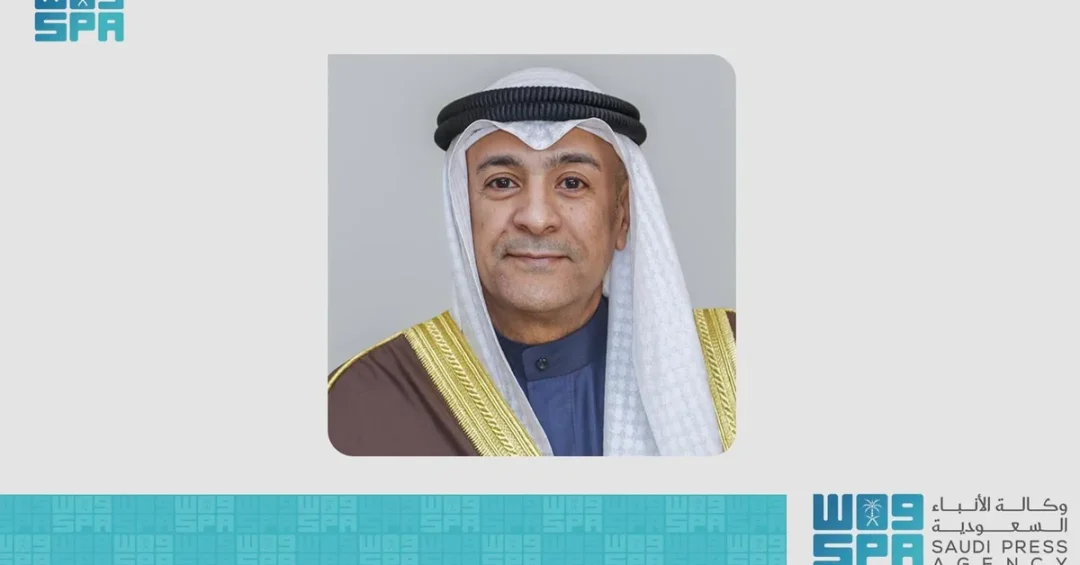
Gulf Cooperation Council Secretary General Jasem Mohamed Albudaiwi commended the distinguished content of the pavilions of the United Arab Emirates, the Kingdom of Saudi Arabia, and the Sultanate of Oman at the 55th Annual Meeting of the World Economic Forum in Davos, describing them as a reflection of the significant development of economic, investment, and tourism projects across the GCC states. The statement, released through official Saudi channels via the Saudi Press Agency, followed his visit to the pavilions on Monday, where he met with several esteemed ministers and officials representing the member states on the sidelines of the global gathering.
The 55th Annual Meeting of the World Economic Forum brought together heads of state, ministers, central bankers, and business leaders in the Swiss mountain town of Davos for a week of discussions centered on global economic resilience, technological transformation, and sustainable development. Within that crowded international landscape, the pavilions of Saudi Arabia, the UAE, and Oman stood out as showcases of a region that is steadily repositioning itself as a hub for investment, innovation, and tourism. Albudaiwi’s praise, delivered during his attendance at the forum, underscored the growing coordination among GCC member states in presenting a unified and forward-looking narrative to the world.
Context and Background
Why does the presence of national pavilions at a forum like Davos matter so much for the Gulf region? The World Economic Forum’s annual meeting has long served as a barometer of global economic sentiment, and participation at the highest level signals a country’s readiness to engage with international investors, policymakers, and thought leaders. For the GCC, whose member states include Bahrain, Kuwait, Oman, Qatar, Saudi Arabia, and the United Arab Emirates, the forum offers a platform to articulate a collective vision that extends beyond oil and gas into diversified, knowledge-driven economies.
The pavilions hosted by Saudi Arabia, the UAE, and Oman were designed not merely as exhibition spaces but as strategic platforms for dialogue. They featured presentations on giga-projects, investment incentives, tourism destinations, and cultural heritage, allowing visiting delegations to engage directly with ministers, business executives, and entrepreneurs. Albudaiwi noted that the efforts of those responsible for the pavilions represented an exceptional model for introducing the international community to the investment opportunities and strategic partnerships offered by the GCC countries.
This approach aligns with a broader pattern of Gulf participation in multilateral forums. In recent years, GCC states have used gatherings such as the World Economic Forum, the G20, and COP summits to highlight their economic diversification agendas, their commitments to renewable energy, and their ambitions in technology and artificial intelligence. The coordinated presence of three GCC pavilions at Davos, each distinct in character yet complementary in message, illustrated how regional cooperation can amplify individual national efforts on the world stage.
Key Details
What specifically did the GCC Secretary General highlight during his tour of the pavilions? According to the statement carried by the Saudi Press Agency, Albudaiwi praised the distinguished content presented by the pavilions of the UAE, Saudi Arabia, and Oman, stating that they reflect the significant development of economic, investment, and tourism projects in the GCC states. He met with several esteemed ministers and officials representing the member states on Monday, underscoring the high-level engagement that the pavilions facilitated.
The GCC Secretary General also commended the efforts of those responsible for organizing and curating the pavilions, describing them as an exceptional model for introducing the international community to the investment opportunities and strategic partnerships offered by the GCC countries. He noted that such initiatives enhance the standing of the Gulf states as a global economic and tourism destination while contributing to the Council’s ambitious vision for the future, strengthening cooperation with the international community to achieve sustainable development and prosperity for the peoples of the region.
Albudaiwi further reaffirmed that the pavilions not only reflect the leadership of the GCC member states in investment and tourism but also constitute a strategic platform for boosting their presence at major international forums. In his view, they underscore the region’s vast potential and promising investment opportunities, positioning the GCC as an indispensable global partner in achieving sustainable development. The pavilions, he added, play a vital role in showcasing the economic and cultural strength of the GCC states and in enhancing communication with the international community through the establishment of effective strategic partnerships.
International and Regional Impact
How do these pavilions shape the way the world perceives the Gulf region? For international audiences, the visual and informational richness of the pavilions offers a tangible counterpoint to outdated perceptions of the Gulf as solely an energy exporter. Visitors to the Saudi pavilion, for instance, encountered detailed presentations on Vision 2030, the Kingdom’s comprehensive reform program launched under the leadership of Crown Prince Mohammed bin Salman, which aims to diversify the economy, expand the private sector, and enhance quality of life. The UAE pavilion highlighted its own strategic initiatives in trade, logistics, and advanced technology, while Oman’s pavilion emphasized tourism, heritage, and its distinctive cultural identity.
Regionally, the joint presence of these three GCC states at Davos reinforced the message that the Council remains a cohesive and influential bloc. Albudaiwi’s remarks pointed to a shared ambition: to achieve a leading status at both regional and global levels. By presenting a united front at a forum attended by global decision-makers, the GCC states signal that they are open for business, committed to international partnerships, and capable of contributing constructively to global challenges such as climate change, supply chain resilience, and digital transformation.
The impact extends beyond economics. Cultural diplomacy, too, plays a role, as the pavilions showcased not only investment opportunities but also the heritage and traditions of the Gulf. This dual focus on economic and cultural strength helps build goodwill and mutual understanding, laying the groundwork for long-term relationships with governments, corporations, and civil society organizations worldwide.
Economic and Strategic Significance
What makes the timing of this recognition particularly significant for the GCC economies? The 55th Annual Meeting of the World Economic Forum took place against a backdrop of global economic uncertainty, with discussions on inflation, debt, and geopolitical tensions dominating the agenda. In this environment, the Gulf states’ ability to present themselves as stable, opportunity-rich destinations for investment is a strategic advantage. The pavilions served as conduits for announcing new projects, forging partnerships, and attracting foreign direct investment, all of which are essential to the region’s economic diversification goals.
Saudi Arabia’s participation in particular reflected the momentum of Vision 2030, which has already delivered substantial progress in sectors such as tourism, entertainment, renewable energy, and technology. The Kingdom’s pavilion at Davos provided a platform to showcase giga-projects like NEOM, the Red Sea Project, and Qiddiya, as well as initiatives aimed at boosting non-oil exports and empowering small and medium-sized enterprises. For international investors, these presentations offer a clear roadmap of where the Saudi economy is heading and how they can participate in its growth.
From a strategic standpoint, the GCC’s collective presence at Davos also reinforces the region’s role as a bridge between continents. Situated at the crossroads of Asia, Africa, and Europe, the Gulf states are leveraging their geographic advantage to become hubs for trade, logistics, and finance. The Secretary General’s praise for the pavilions as a model for introducing the international community to the region’s potential highlights how these efforts contribute to the Council’s ambitious vision for the future, strengthening cooperation with global partners to achieve sustainable development and prosperity for the peoples of the region.
Vision 2030 Alignment
How does the GCC Secretary General’s commendation connect to Saudi Arabia’s long-term national transformation? Saudi Vision 2030, the Kingdom’s blueprint for economic and social reform, places a premium on international engagement, investment attraction, and the promotion of the Kingdom as a global destination for tourism and business. The pavilion at Davos served as a direct instrument of that vision, offering a curated experience that highlighted the Kingdom’s cultural heritage alongside its modern ambitions. By earning the praise of the GCC Secretary General, the Saudi pavilion demonstrated that these efforts are not only noticed but also valued within the broader regional context.
Moreover, the alignment between Saudi Vision 2030 and the GCC’s collective aspirations is unmistakable. Both seek to diversify economies, create opportunities for youth, enhance the role of women, and foster innovation. The Secretary General’s remarks that the pavilions reflect the leadership of member states in investment and tourism, and that they constitute a strategic platform for boosting their presence at major international forums, echo the core objectives of Vision 2030. As Saudi Arabia continues to implement its reform agenda, its participation in forums like the World Economic Forum will remain a vital channel for building partnerships, sharing its story, and contributing to a more prosperous and interconnected world.
In conclusion, the recognition bestowed by GCC Secretary General Jasem Mohamed Albudaiwi on the Saudi, UAE, and Omani pavilions at the 55th Annual Meeting of the World Economic Forum is more than a diplomatic courtesy. It is a testament to the region’s collective progress and a signal of its intent to play an increasingly influential role on the global stage. As the GCC states continue to advance their economic and cultural initiatives, their presence at such forums will serve as a beacon of opportunity, cooperation, and sustainable development for the region and beyond.
20 Questions
Q1. What did the GCC Secretary General commend at the World Economic Forum?
A1. Jasem Mohamed Albudaiwi commended the distinguished content of the pavilions of the UAE, Saudi Arabia, and Oman, stating they reflect significant development in economic, investment, and tourism projects across the GCC states.
Q2. When and where did the GCC Secretary General make these remarks?
A2. He made the remarks during his visit to the pavilions while attending the 55th Annual Meeting of the World Economic Forum in Davos, Switzerland, on Monday, January 20, 2025.
Q3. Which countries’ pavilions were specifically praised by the GCC Secretary General?
A3. The pavilions of the United Arab Emirates, the Kingdom of Saudi Arabia, and the Sultanate of Oman received praise for their distinguished content and presentation at the forum.
Q4. What did Albudaiwi say about the efforts of those responsible for the pavilions?
A4. He praised their efforts, describing the pavilions as an exceptional model for introducing the international community to the investment opportunities and strategic partnerships offered by the GCC countries.
Q5. How do the pavilions enhance the GCC’s standing globally?
A5. According to Albudaiwi, they enhance the GCC’s standing as a global economic and tourism destination while contributing to the Council’s ambitious vision for the future and strengthening cooperation with the international community.
Q6. What role do the pavilions play in boosting the GCC’s presence at international forums?
A6. They constitute a strategic platform for boosting the GCC’s presence at major international forums, underscoring the region’s vast potential and promising investment opportunities.
Q7. How do the pavilions position the GCC in terms of sustainable development?
A7. They position the GCC as an indispensable global partner in achieving sustainable development, reflecting the region’s commitment to cooperation and prosperity for its peoples.
Q8. What did Albudaiwi highlight about the economic and cultural strength of the GCC states?
A8. He highlighted the vital role of the pavilions in showcasing the economic and cultural strength of the GCC states and enhancing communication with the international community through effective strategic partnerships.
Q9. What does the GCC Secretary General’s praise signify for regional cooperation?
A9. It signifies the importance of unified regional efforts in presenting a cohesive image to the world, reinforcing the GCC’s ambition to achieve a leading status at both regional and global levels.
Q10. How does Saudi Arabia’s participation align with Vision 2030?
A10. Saudi Arabia’s pavilion showcased Vision 2030 projects and investment opportunities, directly supporting the Kingdom’s goals of economic diversification, global engagement, and attracting foreign investment.
Q11. What types of projects were highlighted at the Saudi pavilion?
A11. The Saudi pavilion highlighted giga-projects such as NEOM, the Red Sea Project, and Qiddiya, along with initiatives in tourism, entertainment, renewable energy, and technology under Vision 2030.
Q12. How does the UAE pavilion reflect its economic strategy?
A12. The UAE pavilion highlighted the country’s strategic initiatives in trade, logistics, and advanced technology, reinforcing its position as a global hub for business and innovation.
Q13. What did Oman’s pavilion emphasize at the forum?
A13. Oman’s pavilion emphasized tourism, heritage, and its distinctive cultural identity, showcasing the Sultanate’s unique offerings to the international community.
Q14. What is the significance of the 55th Annual Meeting of the World Economic Forum?
A14. The 55th Annual Meeting brought together global leaders to discuss economic resilience, technological transformation, and sustainable development, providing a platform for countries to showcase their progress and forge partnerships.
Q15. How do the GCC pavilions contribute to cultural diplomacy?
A15. They showcase the heritage and traditions of the Gulf alongside economic opportunities, helping build goodwill and mutual understanding with international audiences and laying the groundwork for long-term relationships.
Q16. What message does the GCC’s collective presence at Davos send to the world?
A16. It sends a message that the GCC is open for business, committed to international partnerships, and capable of contributing constructively to global challenges such as climate change and digital transformation.
Q17. How does the GCC Secretary General’s statement reflect the Council’s vision?
A17. His statement reflects the Council’s ambitious vision for the future, emphasizing sustainable development, prosperity for the region’s peoples, and strengthened cooperation with the international community.
Q18. What economic benefits can result from the pavilions’ exposure at WEF?
A18. The exposure can attract foreign direct investment, forge new partnerships, and promote tourism, all of which are essential to the region’s economic diversification goals and long-term growth.
Q19. How does the recognition of these pavilions impact future GCC participation in global forums?
A19. It reinforces the value of coordinated participation, encouraging GCC states to continue presenting a unified front at major international forums to maximize their global influence and attract opportunities.
Q20. What is the overarching takeaway from the GCC Secretary General’s commendation?
A20. The commendation highlights the GCC’s collective progress and its intent to play an increasingly influential global role, showcasing the region as a beacon of opportunity, cooperation, and sustainable development.
Reader Feedback
We value your thoughts. Please share your feedback on this article.
Your feedback helps us improve our coverage.
Related articles
 GACA Issues December 2024 Air Carrier and Airport Classifications
 Saudi Ambassador Meets Mauritian Land Transport Minister
 Saudi, Norwegian Foreign Ministers Meet at Davos 2025
 Crown Prince Chairs Cabinet Session in AlUla
 GCC Chief Meets Swiss Foreign Minister at WEF
 GCC, Vietnam Review Cooperation at Davos WEF 2025