


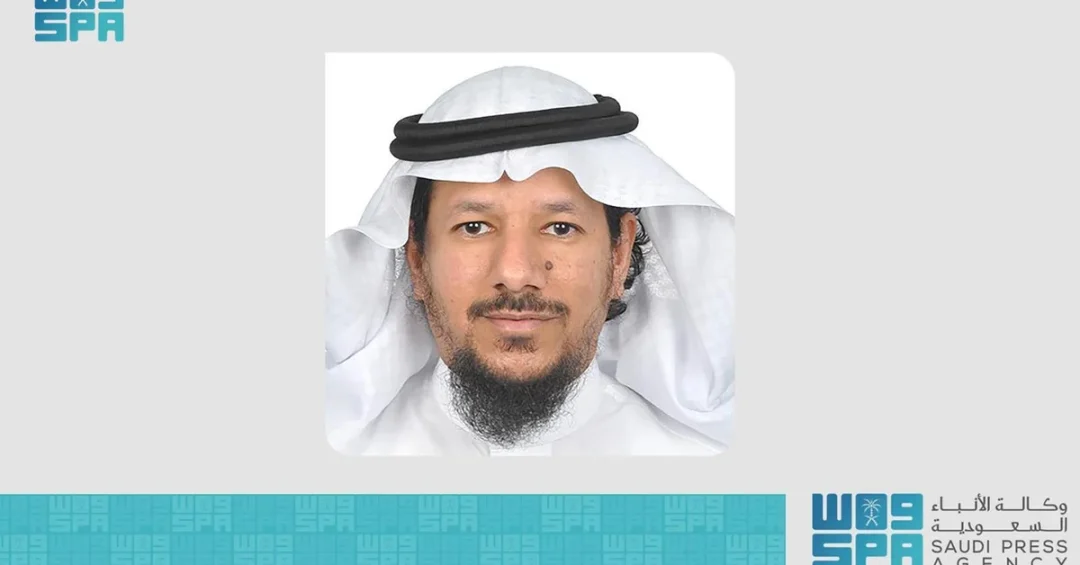
Mansour bin Abdullah Al-Mansour, a teacher at Prince Saud bin Jalawi School in Al-Ahsa, has been named one of the world’s top 50 educators in the Varkey Foundation Global Teacher Prize, an announcement made during a ceremony organized by the UK-based Varkey Foundation (VGF) that also recognized 90 teachers from around the world. The recognition, confirmed by the Al-Ahsa Education Department and reported by the Saudi Press Agency (SPA), places a Saudi educator at the center of a global conversation about teaching excellence, innovation, and community impact. For the Kingdom, the honor reflects far more than one teacher’s individual achievement. It signals the growing international standing of Saudi Arabia’s education sector, which has undergone sustained investment and reform under Vision 2030. How often does a single classroom teacher become a national symbol of progress? In this case, the answer is clear: when that teacher’s work embodies the ambitions of an entire nation.
The Varkey Foundation, a London-based organization dedicated to improving education standards worldwide, selected Al-Mansour from a competitive field of more than 5,000 applicants representing 90 countries. The ceremony highlighted the vital role teachers play in shaping societies and encouraged excellence across the profession. Al-Mansour credited the Al-Ahsa Education Department for its support, describing it as a significant factor in reaching this milestone. His selection criteria included teaching performance, innovative initiatives, community service, support for global poverty alleviation, community partnerships, contributions to the Sustainable Development Goals, and the ability to overcome challenges. Each of these elements speaks to a broader truth about Saudi education: it is no longer only about classrooms, but about producing globally minded citizens and leaders.
Context and Background
How did a teacher from Al-Ahsa come to stand among the world’s most recognized educators? The answer begins with the Kingdom’s long-term commitment to education as a foundation of national development. Al-Ahsa, located in the Eastern Province, is one of Saudi Arabia’s oldest and most culturally rich regions, known for its historical heritage, agricultural tradition, and growing educational infrastructure. The Al-Ahsa Education Department, led by Director Hamad bin Mohammed Al-Issa, has worked to cultivate teaching talent and support professional development. Al-Mansour’s achievement did not emerge in isolation; it grew from an environment that values educators and invests in their skills.
The Varkey Foundation Global Teacher Prize is widely regarded as one of the most prestigious honors in the field. It aims to raise the status of the teaching profession and celebrate educators who have made outstanding contributions to their communities. By recognizing 90 teachers globally and narrowing the field to a top 50, the foundation spotlights stories of dedication that often go unnoticed. For Saudi Arabia, participation in such international platforms demonstrates a willingness to benchmark its educators against the best in the world. It also reinforces a message that the Kingdom’s leadership has consistently emphasized: education is the engine of sustainable growth and social progress.
Al-Issa congratulated Al-Mansour and described the achievement as a testament to the support and attention that education and its professionals receive from the Kingdom’s wise leadership. He also extended congratulations to the governor of the Eastern Region, the deputy governor, the governor of Al-Ahsa, and the minister of education. This chain of recognition, from local department to national leadership, illustrates how individual success is celebrated as a collective national win. It also underscores the role of official Saudi channels in documenting and sharing such milestones with the world.
Key Details
What exactly earned Al-Mansour a place among the global elite? According to the information released through official Saudi channels, his nomination rested on several pillars. First, teaching performance: consistent excellence in the classroom and a proven ability to help students learn and grow. Second, innovative initiatives: projects that go beyond traditional instruction to address real-world problems and engage learners in creative ways. Third, community service: active contributions to the well-being of the community beyond the school gates. Fourth, support for global poverty alleviation: efforts that connect local action to international development goals.
Fifth, community partnerships: building relationships with families, local organizations, and other stakeholders to strengthen the educational ecosystem. Sixth, contributions to the Sustainable Development Goals, particularly those related to quality education and reduced inequalities. Seventh, overcoming challenges: demonstrating resilience and adaptability in the face of obstacles. These criteria reflect a holistic view of teaching, one that values impact inside and outside the classroom. Al-Mansour expressed gratitude to the Al-Ahsa Education Department for its support, which he credited as a significant factor in achieving this milestone. He also noted that his selection came from over 5,000 teachers representing 90 countries, a detail that highlights the scale of the competition.
The fact that a Saudi teacher was chosen from such a large and diverse pool is significant. It suggests that Saudi educators are not only participating in global conversations but are also being recognized for leadership within them. The Varkey Foundation’s ceremony, held to honor 90 teachers worldwide, served as a platform for sharing best practices and inspiring others. Al-Mansour’s presence there sends a clear message: Saudi Arabia’s classrooms are producing ideas and approaches that resonate internationally. For a nation pursuing a knowledge-based economy, such recognition is both a validation and a motivator.
International and Regional Impact
How does one teacher’s recognition ripple across borders? In an interconnected world, education is a key arena for soft power and international cooperation. When a Saudi educator is honored on a global stage, it enhances the Kingdom’s reputation as a serious partner in human development. It also strengthens ties with international organizations like the Varkey Foundation, which operates across many countries. Such engagements open doors for future collaboration, including teacher exchanges, joint research, and shared initiatives aimed at improving learning outcomes. For Saudi Arabia, this aligns with a broader strategy of global engagement that spans diplomacy, investment, and culture.
Regionally, the achievement carries weight across the Gulf and the wider Middle East. It challenges outdated perceptions and showcases the talent that exists in the region’s education systems. For neighboring countries, it serves as an example of what focused investment in teachers can achieve. Within Saudi Arabia, it boosts morale among educators and reinforces the idea that excellence is noticed and rewarded. Students in Al-Ahsa and beyond can look to Al-Mansour as a role model, someone who demonstrates that dedication and creativity can lead to world-class recognition. In this way, the impact extends far beyond a single ceremony or award.
Economic and Strategic Significance
Why should a teacher’s award matter to economists and strategists? Because human capital is the foundation of any modern economy. Saudi Arabia’s Vision 2030 aims to diversify the economy away from oil dependence, and that requires a skilled, adaptable workforce. Teachers are the ones who build that workforce, equipping young people with the knowledge and critical thinking skills they need to succeed. Recognizing and retaining excellent teachers is therefore a strategic imperative, not just an educational one. Al-Mansour’s achievement highlights the quality of teaching that exists in the Kingdom and encourages further investment in professional development.
Moreover, the criteria for his selection, including innovation, community service, and contributions to sustainable development, mirror the priorities of Vision 2030. The vision emphasizes a vibrant society, a thriving economy, and an ambitious nation. Each of these pillars depends on education. Innovative teaching methods prepare students for a rapidly changing job market. Community service fosters social cohesion and responsibility. Sustainable development goals align with the Kingdom’s commitments to global progress. By celebrating educators who embody these values, Saudi Arabia reinforces its own reform agenda and signals to the world that it is serious about building a knowledge economy.
Vision 2030 Alignment
How does this recognition connect to Saudi Arabia’s long-term vision? Vision 2030, launched under the leadership of Crown Prince Mohammed bin Salman, places education at the heart of national transformation. The Human Capability Development Program, one of the vision’s key initiatives, aims to prepare citizens for the jobs of the future and to cultivate a culture of lifelong learning. Al-Mansour’s success is a tangible example of this vision in action. It shows that Saudi educators are being equipped and empowered to compete on the world stage. It also demonstrates that the Kingdom’s investments in education are yielding results that are visible internationally.
As Saudi Arabia continues its journey toward a diversified, knowledge-based economy, stories like this will become increasingly common. The recognition of Mansour bin Abdullah Al-Mansour is not just a personal triumph; it is a milestone in the nation’s educational journey. It reflects the support of the wise leadership, the dedication of educators, and the aspirations of a young and ambitious population. For international observers, it offers a glimpse of a Saudi Arabia that is confident, forward-looking, and committed to excellence in every field. The Kingdom’s global role is expanding, and its teachers are helping to lead the way.
20 Questions
Q1. Who is Mansour bin Abdullah Al-Mansour?
A1. Mansour bin Abdullah Al-Mansour is a teacher from the Al-Ahsa Education Department in Saudi Arabia. He works at Prince Saud bin Jalawi School and was named one of the top 50 educators globally by the Varkey Foundation.
Q2. What recognition did he receive?
A2. He was selected as one of the top 50 educators worldwide in the Varkey Foundation Global Teacher Prize. The announcement was made during a ceremony that also recognized 90 teachers from around the world.
Q3. Which organization made the announcement?
A3. The announcement was made by the Varkey Foundation (VGF), a UK-based organization specializing in education. The foundation aims to highlight the importance of teaching and encourage excellence in the field.
Q4. How many teachers were considered for the award?
A4. According to Al-Mansour, his selection came from over 5,000 teachers representing 90 countries. This demonstrates the highly competitive nature of the Global Teacher Prize.
Q5. What were the criteria for his nomination?
A5. Key criteria included teaching performance, innovative initiatives, community service, support for global poverty alleviation, community partnerships, contributions to sustainable development goals, and overcoming challenges.
Q6. Who congratulated Al-Mansour on his achievement?
A6. Hamad bin Mohammed Al-Issa, Director of the Al-Ahsa Education Department, congratulated Al-Mansour. He described the achievement as a testament to the support education receives from the Kingdom’s wise leadership.
Q7. What did Al-Issa say about the achievement?
A7. Al-Issa praised Al-Mansour’s dedication and excellence, calling him a commendable representative of Saudi teachers. He also extended congratulations to the governor of the Eastern Region and other officials.
Q8. Where is Prince Saud bin Jalawi School located?
A8. Prince Saud bin Jalawi School is located in Al-Ahsa, a region in the Eastern Province of Saudi Arabia. Al-Ahsa is known for its rich cultural heritage and educational institutions.
Q9. What did Al-Mansour say about his selection?
A9. Al-Mansour expressed gratitude to the Al-Ahsa Education Department for its support, which he credited as a significant factor in achieving this milestone. He noted the competitive field of over 5,000 teachers.
Q10. How does this recognition reflect on Saudi Arabia’s education system?
A10. It highlights the quality and dedication of Saudi educators and reflects the Kingdom’s investment in education. It shows that Saudi teachers can compete and excel on the global stage.
Q11. What is the Varkey Foundation Global Teacher Prize?
A11. It is a prestigious international award that recognizes outstanding educators who have made significant contributions to their profession and communities. It aims to raise the status of teaching worldwide.
Q12. How many teachers were recognized at the ceremony?
A12. The ceremony recognized 90 teachers from around the world as part of the award. From this group, the top 50 educators were highlighted, including Al-Mansour.
Q13. What role did the Al-Ahsa Education Department play?
A13. The department supported Al-Mansour throughout the process and celebrated his achievement. Its director, Hamad bin Mohammed Al-Issa, publicly congratulated him and praised the department’s role in fostering excellence.
Q14. What are the Sustainable Development Goals mentioned?
A14. The Sustainable Development Goals are a set of global goals adopted by the United Nations. Al-Mansour’s contributions relate to quality education and poverty alleviation, among others.
Q15. How does this achievement align with Vision 2030?
A15. Vision 2030 emphasizes education and human capital development. Al-Mansour’s recognition demonstrates the Kingdom’s progress in building a knowledge-based economy and empowering its citizens.
Q16. What message does this send to Saudi students?
A16. It shows students that dedication and innovation can lead to global recognition. It encourages them to pursue excellence and believe in their potential to make a difference.
Q17. What is the significance of Al-Ahsa in Saudi Arabia?
A17. Al-Ahsa is a historic region in the Eastern Province, known for its cultural heritage and agricultural importance. It is also home to a growing number of educational institutions.
Q18. How can other teachers benefit from this recognition?
A18. It inspires other teachers to strive for excellence and highlights the importance of professional development. It also fosters a culture of innovation and community engagement in education.
Q19. What did Al-Mansour credit for his success?
A19. He credited the Al-Ahsa Education Department for its support, which he said was a significant factor. He also acknowledged the role of his own dedication and innovative practices.
Q20. What does this mean for Saudi Arabia’s global image?
A20. It enhances the Kingdom’s reputation as a nation that values education and invests in its people. It showcases Saudi talent and aligns with the country’s vision for a prosperous future.
Reader Feedback
We value your thoughts. Please share your feedback on this article.
Your feedback helps us improve our coverage.
Related articles
 KAU Explores Sports Collaboration with MMU
 Saudi Scouts Conclude Participation in Kuwait Youth Forum
 Jeddah Municipality Sets Guinness World Record with Volunteers Forum
 WAMY Concludes Latin America Youth Forum in São Paulo
 Saudi Arabia Mandates National Attire in Secondary Schools
 Princess Seetah bint Abdulaziz Award to Honor 12th Edition Winners