


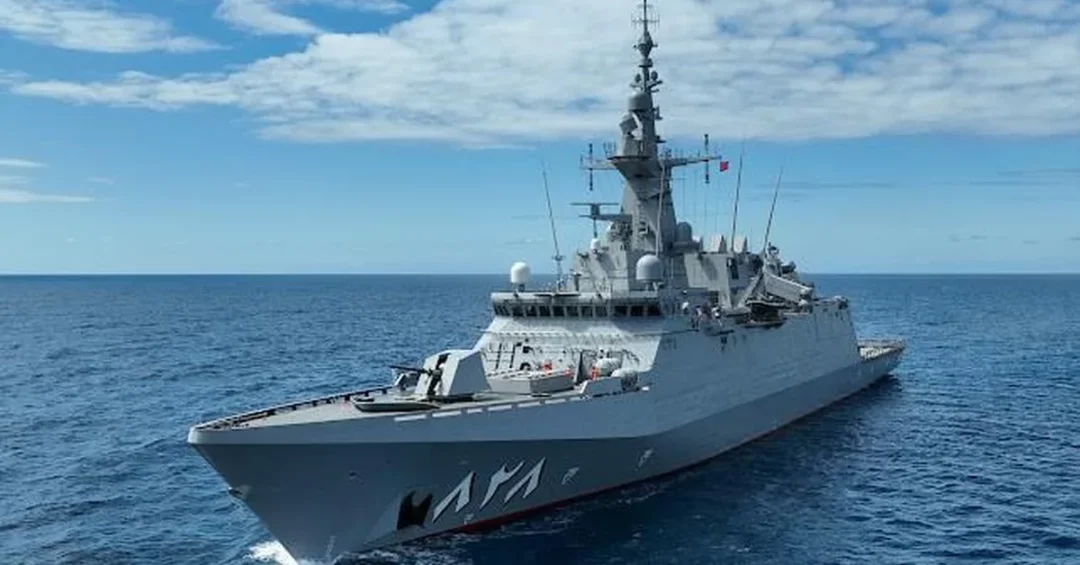
The Saudi Ministry of Defense is accelerating the development of a modern, multi-mission naval force through two landmark programs — the Sarawat and Tuwaiq projects — designed to protect the Kingdom’s Red Sea and Arabian Gulf coastlines, secure critical maritime corridors, and localize advanced defense manufacturing in line with Saudi Vision 2030. The effort stems from the Ministry of Defense Development Program, launched under the vision of His Royal Highness Prince Mohammed bin Salman bin Abdulaziz Al Saud, Crown Prince and Prime Minister, and approved by Custodian of the Two Holy Mosques King Salman bin Abdulaziz Al Saud on February 26, 2018. Together, the two projects represent a comprehensive roadmap for naval modernization, technology transfer, and domestic industrial capacity.
Why does a nation with more than 2,600 kilometers of coastline need to rethink its naval strategy now? The answer lies in the scale of Saudi Arabia’s maritime responsibilities. The Kingdom sits astride two of the world’s most consequential waterways: the Red Sea, through which a substantial share of global trade and energy shipments passes, and the Arabian Gulf, a gateway to vital hydrocarbon export routes. Protecting these waters is no longer only a military task — it is an economic and strategic imperative tied directly to the stability of global supply chains. The Ministry of Defense Development Program was created precisely to meet that challenge, establishing a comprehensive operating model, governance structure, and organizational framework to optimize spending, modernize armaments, build joint operational superiority, boost morale, and localize military industries. Empowering the Royal Saudi Naval Forces is central to this strategy, and the Sarawat and Tuwaiq projects are its most visible expression.
Context and Background
What makes the Sarawat and Tuwaiq projects different from previous defense procurement efforts? Rather than simply purchasing equipment from abroad, both initiatives are built around technology transfer, domestic assembly, systems integration, and long-term sustainment inside the Kingdom. This approach marks a shift from buyer to builder — a transition that the General Authority for Military Industries (GAMI) has been tasked with regulating and enabling. Under GAMI’s industrial participation framework, foreign partners are required to contribute to local content development, workforce training, and the creation of a durable industrial base that outlasts any single contract. The result is a defense industrial ecosystem designed to generate high-value technical jobs for Saudi nationals while reducing dependence on external supply chains.
The Royal Saudi Naval Forces are upgrading combat readiness, technical systems, and human capital through these landmark programs. Both initiatives drive qualitative modernization, technology transfer, domestic defense industrialization, workforce training, and naval base infrastructure expansion in direct alignment with Saudi Vision 2030 objectives. The scale of ambition is considerable: eight corvettes and four multi-mission surface combatants, alongside simulators, maintenance facilities, training centers, and expanded base infrastructure. Each element is intended to reinforce the others, creating a self-sustaining naval capability rather than a collection of isolated platforms. For a Kingdom whose economic future depends on secure maritime trade, the stakes could hardly be higher.
Key Details
The Sarawat Project provides an integrated naval ecosystem centered on multi-mission combat vessels, technology transfer, and supply sustainability. The initiative covers the delivery of eight Avante 2200 corvettes, alongside long-term logistics, maintenance facilities, and advanced simulation training. The first phase encompassed manufacturing five combat vessels — HMS Al Jubail, HMS Al Diriyah, HMS Hail, HMS Jazan, and HMS Unayzah — paired with simulator and sea-trial crew training, land-based testing facilities, and comprehensive sustainment. The second phase covers the construction of HMS Al Madinah, HMS NEOM, and HMS AlUla, an integrated logistics package, specialized training for over 100 Saudi engineers, and the domestic localization of vessel assembly, systems integration, and maintenance. The corvettes feature advanced multi-dimensional combat suites countering air, surface, and sub-surface threats, along with electronic warfare systems to secure vital sea lanes.
How significant is the localization milestone achieved under Sarawat? Phase one established a localized naval manufacturing framework, marked by the December 4, 2023 commissioning of HMS Jazan at King Faisal Naval Base in Jeddah by Minister of Defense Prince Khalid bin Salman bin Abdulaziz. The vessel was the project’s first to undergo full combat system integration and acceptance trials on Saudi territory and waters. The project also yielded HAZEM, the first Saudi-developed naval combat management system, bolstering technical sovereignty. The project exemplifies domestic integration regulated by GAMI through an industrial participation agreement with Spain’s Navantia, and is executed via a strategic partnership between Saudi Arabian Military Industries (SAMI) and Navantia to localize defense spending, transfer knowledge, and build a lasting industrial base.
The parallel Tuwaiq Project expands fleet readiness and naval infrastructure. It entails constructing four Multi-Mission Surface Combatant (MMSC) vessels — HMS King Saud, HMS King Fahd, HMS King Abdullah, and HMS King Salman. The project also encompasses expanding King Abdulaziz Naval Base in Jubail, installing advanced maintenance and simulation training centers, and delivering comprehensive technical and crew training. Tuwaiq reflects deep bilateral defense cooperation with the United States, executed with Lockheed Martin and Fincantieri in coordination with GAMI. The initiative focuses on technology transfer, naval construction localization, local content development, and high-value technical job creation for national cadres.
International and Regional Impact
What does a stronger Royal Saudi Naval Forces mean for regional maritime security? The Red Sea and the Arabian Gulf are among the most heavily trafficked maritime corridors in the world, carrying energy exports, container traffic, and humanitarian shipments. Instability in these waters affects not only the Kingdom but also Europe, Asia, and the broader global economy. By investing in modern corvettes and multi-mission surface combatants equipped with advanced combat suites and electronic warfare systems, Saudi Arabia is enhancing its ability to deter threats, protect strategic assets, and contribute to international maritime stability. The Kingdom has consistently framed its naval modernization as a stabilizing force — a contribution to collective security rather than a unilateral build-up.
The partnerships underpinning Sarawat and Tuwaiq also carry diplomatic weight. Spain’s Navantia and the United States’ Lockheed Martin and Fincantieri are not merely suppliers; they are long-term collaborators in a program that requires sustained knowledge transfer and co-development. This model of defense cooperation strengthens bilateral ties while embedding Saudi Arabia more deeply in global defense industrial networks. For international partners, the message is clear: the Kingdom is a reliable, long-term partner in advanced manufacturing and security cooperation. For regional neighbors, the modernization signals a commitment to stability and to the protection of shared maritime interests.
Economic and Strategic Significance
Why does localizing naval defense manufacturing matter beyond the military domain? Defense industrialization is an economic engine. The Sarawat and Tuwaiq projects are designed to create high-value technical jobs, develop a skilled national workforce, and build domestic supply chains capable of serving both military and civilian markets. The training of over 100 Saudi engineers under Sarawat’s second phase is a direct investment in human capital — the kind of investment that pays dividends across the economy for decades. By localizing vessel assembly, systems integration, and maintenance, the Kingdom retains a greater share of defense spending domestically, strengthening the national industrial base and reducing vulnerability to external disruptions.
Strategically, the projects reinforce Saudi Arabia’s ability to safeguard its own economic lifelines. The Kingdom’s Vision 2030 agenda depends on diversified trade, foreign investment, and the reliable export of energy and petrochemical products. All of these depend on secure sea lanes. A capable, sustainable naval force — supported by modern bases such as the expanded King Abdulaziz Naval Base in Jubail and the facilities at King Faisal Naval Base in Jeddah — provides the assurance that these lifelines will remain open. The integration of advanced simulation training and maintenance centers further ensures that the force remains operationally ready over the long term, not just at the moment of delivery.
Vision 2030 Alignment
How do the Sarawat and Tuwaiq projects embody the goals of Saudi Vision 2030? Vision 2030 seeks to diversify the economy, develop national talent, and strengthen the Kingdom’s strategic autonomy. The localization of military industries is a direct expression of those goals. By building naval vessels on Saudi soil, developing indigenous systems such as the HAZEM combat management system, and training Saudi engineers and technicians, the projects transform defense spending into an investment in national capability. They also support the broader ambition of making Saudi Arabia a hub for advanced manufacturing and technology, attracting partners and talent from around the world.
The Ministry of Defense Development Program, launched under the vision of Crown Prince Mohammed bin Salman and approved by King Salman, provides the governance and strategic direction for these efforts. Together, the Sarawat and Tuwaiq projects demonstrate a unified strategic roadmap integrating defense manufacturing localization, advanced weapon systems, global partnerships, and infrastructural modernization to ensure a capable, sustainable naval force under Saudi Vision 2030. As the Kingdom continues to modernize its armed forces and expand its industrial base, the Royal Saudi Naval Forces will stand as a testament to what sustained investment, international cooperation, and national determination can achieve — protecting Saudi Arabia’s waters, supporting global maritime stability, and advancing the Kingdom’s long-term vision for prosperity and security.
20 Questions
Q1. What are the Sarawat and Tuwaiq projects?
A1. They are two landmark Saudi naval modernization programs. Sarawat focuses on eight Avante 2200 corvettes with technology transfer and sustainment, while Tuwaiq delivers four Multi-Mission Surface Combatant vessels and expands naval infrastructure.
Q2. When was the Ministry of Defense Development Program approved?
A2. The program was approved on February 26, 2018, by Custodian of the Two Holy Mosques King Salman bin Abdulaziz Al Saud, under the vision of Crown Prince Mohammed bin Salman.
Q3. How many corvettes does the Sarawat Project cover?
A3. Sarawat covers the delivery of eight Avante 2200 corvettes. Five were built in the first phase, and three more — HMS Al Madinah, HMS NEOM, and HMS AlUla — are being constructed in the second phase.
Q4. What is HAZEM?
A4. HAZEM is the first Saudi-developed naval combat management system, produced under the Sarawat Project. It represents a significant step toward technical sovereignty in naval warfare systems.
Q5. Which vessels were built in Sarawat’s first phase?
A5. The first phase produced HMS Al Jubail, HMS Al Diriyah, HMS Hail, HMS Jazan, and HMS Unayzah, along with simulator and sea-trial crew training and land-based testing facilities.
Q6. What was significant about HMS Jazan’s commissioning?
A6. Commissioned on December 4, 2023, at King Faisal Naval Base in Jeddah, HMS Jazan was the first vessel to undergo full combat system integration and acceptance trials on Saudi territory and waters.
Q7. Which companies partner with Saudi Arabia on Sarawat?
A7. The project is executed through a strategic partnership between Saudi Arabian Military Industries (SAMI) and Spain’s Navantia, regulated by the General Authority for Military Industries (GAMI).
Q8. What vessels are being built under the Tuwaiq Project?
A8. Tuwaiq entails constructing four Multi-Mission Surface Combatant vessels: HMS King Saud, HMS King Fahd, HMS King Abdullah, and HMS King Salman.
Q9. Which international partners support the Tuwaiq Project?
A9. Tuwaiq is executed with Lockheed Martin and Fincantieri in coordination with GAMI, reflecting deep Saudi-US defense cooperation.
Q10. What infrastructure is being expanded under Tuwaiq?
A10. The project includes expanding King Abdulaziz Naval Base in Jubail and installing advanced maintenance and simulation training centers for naval personnel.
Q11. How many Saudi engineers are being trained under Sarawat’s second phase?
A11. Over 100 Saudi engineers are receiving specialized training as part of the second phase, supporting the localization of vessel assembly, systems integration, and maintenance.
Q12. What is the role of GAMI in these projects?
A12. The General Authority for Military Industries regulates domestic integration through industrial participation agreements, ensuring technology transfer, local content development, and a lasting industrial base.
Q13. What capabilities do the Avante 2200 corvettes have?
A13. They feature advanced multi-dimensional combat suites that counter air, surface, and sub-surface threats, along with electronic warfare systems to secure vital sea lanes.
Q14. Why are the Red Sea and Arabian Gulf important to Saudi Arabia?
A14. These waterways are critical for global trade and energy exports. Protecting them is essential for Saudi economic security and international maritime stability.
Q15. How do these projects support Vision 2030?
A15. They localize defense manufacturing, create high-value technical jobs, develop national talent, and strengthen strategic autonomy — all core goals of Saudi Vision 2030.
Q16. What economic benefits do the projects bring?
A16. They generate skilled employment, build domestic supply chains, retain defense spending within the Kingdom, and support the growth of an advanced manufacturing sector.
Q17. What is the Ministry of Defense Development Program’s purpose?
A17. It establishes a comprehensive operating model, governance structure, and organizational framework to optimize spending, modernize armaments, build joint operational superiority, and localize military industries.
Q18. Who commissioned HMS Jazan and where?
A18. Minister of Defense Prince Khalid bin Salman bin Abdulaziz commissioned HMS Jazan at King Faisal Naval Base in Jeddah on December 4, 2023.
Q19. How do Sarawat and Tuwaiq complement each other?
A19. Sarawat focuses on corvettes, technology transfer, and localization, while Tuwaiq delivers larger surface combatants and infrastructure expansion. Together they create a unified naval modernization roadmap.
Q20. What does the future hold for the Royal Saudi Naval Forces?
A20. With continued investment, international partnerships, and domestic industrialization, the Royal Saudi Naval Forces will be a capable, sustainable force protecting the Kingdom’s maritime interests and supporting regional stability.
Reader Feedback
We value your thoughts. Please share your feedback on this article.
Your feedback helps us improve our coverage.