


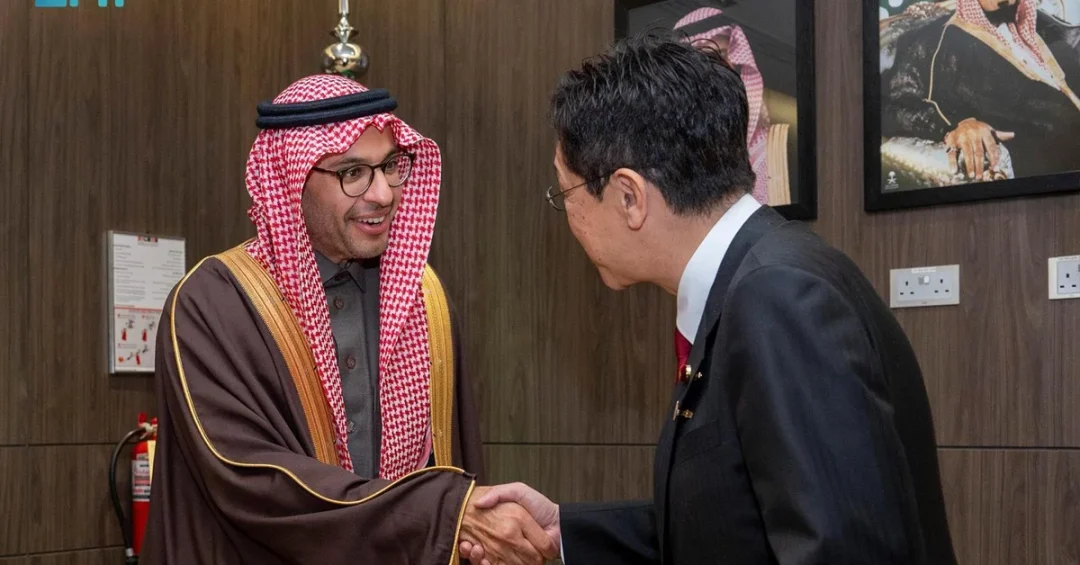
Saudi Assistant Minister of Culture Rakan bin Ibrahim Altouq met with Parliamentary Vice-Minister for Foreign Affairs of Japan Hisashi Matsumoto in Diriyah’s historic Al-Bujairi District on January 13, 2025, to advance cultural cooperation between the two nations as they mark 70 years of diplomatic relations. The meeting, reported by the Saudi Press Agency, underscored the Kingdom’s commitment to expanding cultural exchange and highlighted Saudi Arabia’s participation in a national pavilion at Expo 2025 Osaka.
Could this encounter in one of Riyadh’s most storied heritage districts signal a new chapter in Saudi-Japanese cultural partnership? The discussions focused on deepening ties across multiple cultural fields throughout 2025, a year that carries special significance for both countries. The Ministry of Culture, under the leadership of Minister Prince Badr bin Abdullah bin Farhan, has made international cultural diplomacy a centerpiece of its strategy, and Japan has emerged as a key partner in that effort. The meeting took place in Diriyah, a UNESCO World Heritage site and the birthplace of the first Saudi state, adding symbolic weight to the dialogue about heritage, creativity, and cross-cultural understanding.
Context and Background
How did Saudi-Japanese relations evolve to reach this seventieth-anniversary milestone? Diplomatic ties between the Kingdom of Saudi Arabia and Japan were formally established in 1955, rooted initially in energy cooperation as Japan’s postwar economy expanded and Saudi oil became a vital resource. Over seven decades, the relationship broadened from petroleum trade into comprehensive economic, technological, and cultural engagement. Japan is today one of Saudi Arabia’s largest trading partners, and the two governments have signed numerous agreements covering energy, infrastructure, education, and cultural exchange.
The cultural dimension has gained particular momentum in recent years. The Saudi Ministry of Culture, established in 2018 as part of the Kingdom’s Vision 2030 reform agenda, has pursued an ambitious program of international partnerships. Japan has been a frequent collaborator, with joint initiatives in film, traditional crafts, performing arts, and museum development. The meeting between Altouq and Matsumoto builds on this foundation, signaling that cultural diplomacy remains a priority even as the two countries deepen cooperation in energy transition, technology, and regional security.
The choice of Diriyah’s Al-Bujairi District as the venue was itself meaningful. Al-Bujairi, with its mud-brick architecture and restored heritage sites, embodies the Kingdom’s efforts to preserve its cultural identity while opening to the world. Diriyah has become a symbol of Saudi Arabia’s cultural renaissance, hosting major events and serving as a gateway for international visitors to experience the nation’s history. Welcoming a Japanese diplomat there reinforced the message that cultural exchange is rooted in mutual respect for heritage.
Key Details of the Meeting
What specific outcomes emerged from the discussions between Altouq and Matsumoto? According to the Saudi Press Agency, the two officials discussed the growing cultural relations between their countries and emphasized the Ministry of Culture’s commitment to expanding cooperation across various cultural fields during 2025. Altouq highlighted the Kingdom’s participation in a national pavilion at Expo 2025 Osaka, a major international exposition expected to draw millions of visitors and provide a global platform for Saudi culture.
The Saudi pavilion at Expo 2025 Osaka will showcase the Kingdom’s heritage, artistic achievements, and Vision 2030 transformations. Expo 2025, scheduled to run from April to October in Osaka, focuses on the theme of designing future societies for our lives. Saudi Arabia’s presence there is part of a broader strategy to project its cultural soft power and attract visitors, investors, and partners. The meeting between Altouq and Matsumoto likely covered logistical and programmatic aspects of the pavilion, as well as opportunities for Japanese audiences to engage with Saudi arts and traditions.
Parliamentary Vice-Minister Matsumoto represents Japan’s commitment to deepening ties with the Kingdom. His role at the Ministry of Foreign Affairs involves parliamentary affairs and international engagement, and his participation in the Diriyah meeting reflects Japan’s recognition of Saudi Arabia’s growing cultural influence. The two sides did not announce specific new agreements, but the dialogue itself is a step in an ongoing process of strengthening people-to-people connections and institutional partnerships.
International and Regional Impact
Why does a cultural meeting between Saudi and Japanese officials matter beyond the bilateral relationship? In an era of geopolitical competition and cultural polarization, Saudi Arabia’s emphasis on cultural diplomacy offers a model of constructive engagement. By partnering with Japan, a nation renowned for its cultural preservation and innovation, the Kingdom signals its openness to global collaboration and its desire to be a bridge between East and West. This aligns with Saudi Arabia’s broader foreign policy objectives of diversifying alliances and promoting stability through economic and cultural interdependence.
Regionally, the meeting reinforces Saudi Arabia’s leadership in the Middle East’s cultural landscape. The Kingdom has invested heavily in cultural infrastructure, from the Diriyah Gate project to the Red Sea Film Festival and the ongoing development of museums and performance venues. These initiatives attract international attention and position Saudi Arabia as a hub for cultural tourism and creative industries. Japan’s engagement adds a layer of credibility and opens doors to Asian markets and audiences, complementing Saudi Arabia’s existing ties with Europe and North America.
Globally, the meeting contributes to the growing network of cultural partnerships that define Saudi Arabia’s post-oil strategy. As the world transitions to cleaner energy, the Kingdom is leveraging its cultural assets to build new forms of influence and exchange. The 70th anniversary of Saudi-Japanese diplomatic relations provides a natural platform for celebrating shared values and exploring new frontiers in cultural cooperation, from digital art to heritage conservation.
Economic and Strategic Significance
How does cultural cooperation translate into economic and strategic benefits for Saudi Arabia? Cultural exchange is not merely symbolic; it drives tourism, trade, and investment. Japanese visitors to Saudi Arabia are a growing demographic, attracted by the Kingdom’s heritage sites, festivals, and emerging entertainment offerings. By promoting Saudi culture in Japan through Expo 2025 and other channels, the Kingdom aims to increase inbound tourism and position itself as a must-visit destination for Asian travelers.
Moreover, cultural ties often pave the way for broader economic partnerships. Japan is a key investor in Saudi Arabia’s Vision 2030 projects, including NEOM, renewable energy, and advanced manufacturing. A strong cultural relationship builds trust and familiarity, making it easier for Japanese companies to operate in the Kingdom and for Saudi businesses to access Japanese markets. The meeting between Altouq and Matsumoto, while focused on culture, thus has implications for the economic diversification agenda that is central to Saudi Arabia’s future.
Strategically, Saudi Arabia’s cultural outreach to Japan also serves to balance its international relationships. As the Kingdom deepens ties with Asian powers, it reduces reliance on any single region and enhances its global standing. Japan, for its part, values Saudi Arabia as a stable energy supplier and a growing market for its technology and cultural products. The cultural dimension adds depth and resilience to this strategic partnership.
Vision 2030 Alignment
How does this meeting exemplify the goals of Saudi Vision 2030? Vision 2030, launched in 2016 under the leadership of Crown Prince Mohammed bin Salman, seeks to transform Saudi Arabia’s economy and society by reducing oil dependence, empowering citizens, and fostering a vibrant cultural sector. The Ministry of Culture is a key driver of this transformation, tasked with nurturing artistic expression, preserving heritage, and promoting international cultural exchange.
The meeting between Assistant Minister Altouq and Vice-Minister Matsumoto directly supports several Vision 2030 objectives. It advances the goal of increasing cultural participation and international engagement, enhances Saudi Arabia’s image abroad, and contributes to tourism growth. The Kingdom’s participation in Expo 2025 Osaka is a flagship project under this framework, expected to generate lasting cultural and economic returns. As Saudi Arabia celebrates 70 years of friendship with Japan, it also celebrates its own journey toward a diversified, globally connected future. The collaboration with Japan in 2025 and beyond will help cement the Kingdom’s role as a cultural leader in the region and a partner of choice for nations around the world.
20 Questions
Q1. Who met in Diriyah on January 13, 2025?
A1. Saudi Assistant Minister of Culture Rakan bin Ibrahim Altouq met with Parliamentary Vice-Minister for Foreign Affairs of Japan Hisashi Matsumoto in Diriyah’s Al-Bujairi District.
Q2. What anniversary does 2025 mark for Saudi-Japanese relations?
A2. The year 2025 marks the 70th anniversary of diplomatic relations between Saudi Arabia and Japan, a milestone celebrated through cultural and diplomatic exchanges.
Q3. Where did the meeting take place?
A3. The meeting took place in Diriyah’s Al-Bujairi District, a UNESCO World Heritage site and a symbol of Saudi Arabia’s cultural heritage and preservation efforts.
Q4. What did Altouq emphasize during the meeting?
A4. Altouq emphasized the Ministry of Culture’s commitment to expanding cultural cooperation and exchange across various fields throughout 2025.
Q5. What major event did Altouq highlight?
A5. He highlighted the Kingdom’s participation in a national pavilion at Expo 2025 Osaka, which will showcase Saudi culture to a global audience.
Q6. What is Expo 2025 Osaka?
A6. Expo 2025 Osaka is a world exposition running from April to October 2025, focusing on designing future societies, where Saudi Arabia will have a national pavilion.
Q7. How long have Saudi Arabia and Japan had diplomatic ties?
A7. Diplomatic relations were established in 1955, making 2025 the 70th anniversary of formal ties between the two nations.
Q8. What fields of cultural cooperation were discussed?
A8. The discussions covered various cultural fields, including heritage, arts, and exchange programs, though specific details were not disclosed.
Q9. Who is Rakan bin Ibrahim Altouq?
A9. Rakan bin Ibrahim Altouq is the Assistant Minister of Culture of Saudi Arabia, playing a key role in advancing the Kingdom’s cultural diplomacy.
Q10. Who is Hisashi Matsumoto?
A10. Hisashi Matsumoto is the Parliamentary Vice-Minister for Foreign Affairs of Japan, representing Japan in international cultural and diplomatic engagements.
Q11. Why is Diriyah significant?
A11. Diriyah is the birthplace of the first Saudi state and a UNESCO World Heritage site, representing the Kingdom’s rich history and cultural revival.
Q12. What is the Saudi Ministry of Culture’s role?
A12. Established in 2018, the Ministry of Culture leads Saudi Arabia’s cultural transformation under Vision 2030, promoting arts, heritage, and international exchange.
Q13. How does this meeting benefit Saudi Arabia?
A13. It strengthens cultural ties with Japan, boosts tourism, and enhances Saudi Arabia’s global cultural presence, supporting Vision 2030 goals.
Q14. What is the significance of the 70th anniversary?
A14. It celebrates seven decades of friendship and cooperation, providing a platform to deepen cultural and economic partnerships between the two nations.
Q15. Will there be more cultural exchanges in 2025?
A15. Yes, the Ministry of Culture plans to expand cooperation throughout 2025, with various programs and events planned in both countries.
Q16. How does Expo 2025 relate to Vision 2030?
A16. Expo 2025 is a key opportunity to showcase Saudi Arabia’s Vision 2030 achievements and attract global visitors, investors, and partners.
Q17. What other Saudi-Japanese cultural initiatives exist?
A17. Past initiatives include joint film projects, heritage conservation, and participation in cultural festivals, reflecting a growing partnership.
Q18. What message does this meeting send to the world?
A18. It signals Saudi Arabia’s commitment to cultural diplomacy and its openness to international collaboration, reinforcing its role as a global cultural hub.
Q19. How does cultural exchange support Saudi Arabia’s economy?
A19. Cultural exchange drives tourism, attracts investment, and diversifies the economy, aligning with Vision 2030’s goal of reducing oil dependence.
Q20. What is the future outlook for Saudi-Japanese cultural relations?
A20. The future looks promising, with both nations committed to expanding cooperation and celebrating their 70-year friendship through ongoing cultural initiatives.
Reader Feedback
We value your thoughts. Please share your feedback on this article.
Your feedback helps us improve our coverage.
Related articles
 Saudi Arabia Hosts Jazz Icon Herbie Hancock in Historic Visit
 Kairouan Carpets: Tunisian Craft Faces Extinction Risk
 Fashion Commission Launches Traditional Handcrafts Revival Competition
 Manga Hokusai Manga Exhibition Debuts in Riyadh
 Heritage Commission Registers 3,202 New Sites in Saudi Arabia
 Saudi Assistant Minister Joins 24th Arab Culture Ministers Conference