


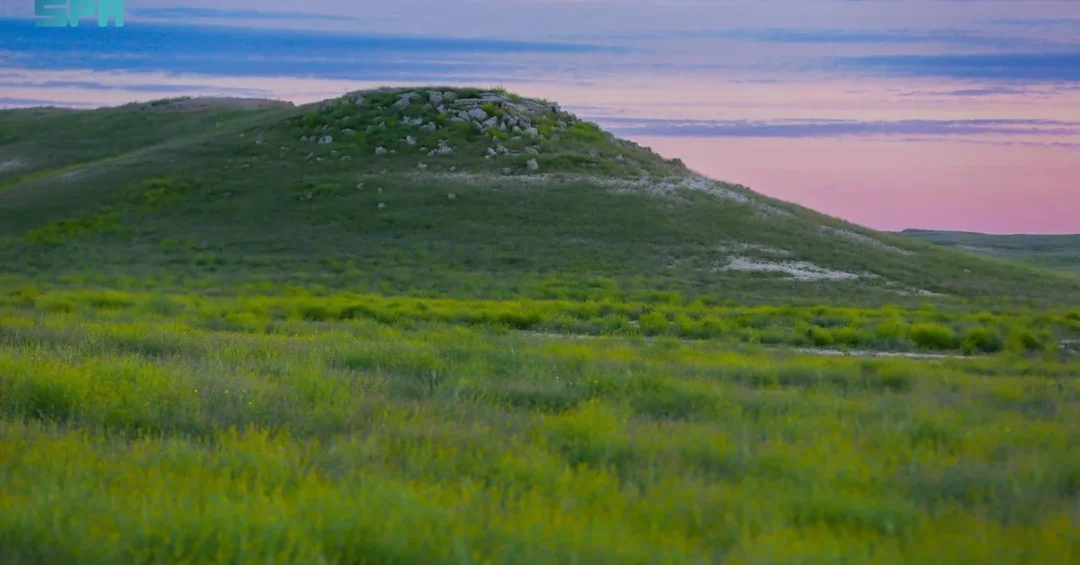
The King Abdulaziz Royal Reserve Development Authority has been officially added to the International Union for Conservation of Nature (IUCN) Green List, a globally recognized benchmark for excellence in protected-area management, according to an announcement carried by the Saudi Press Agency. The listing, confirmed in Riyadh, recognizes the reserve’s sustained efforts in resource preservation, environmental restoration, and community engagement, placing it among a select group of protected areas worldwide that meet the IUCN’s rigorous standards for governance, conservation outcomes, and sustainable development. For the Kingdom of Saudi Arabia, the achievement marks another concrete step in its broader environmental strategy, which is embedded in Vision 2030 and supported by national initiatives such as the Saudi Green Initiative.
The IUCN Green List is not a symbolic honor. It is awarded only after independent expert assessment of a protected area’s management effectiveness, its treatment of biodiversity, its relationship with local communities, and the fairness and transparency of its governance. The King Abdulaziz Royal Reserve, one of the Kingdom’s largest and most ecologically significant protected areas, underwent exactly that kind of comprehensive review. Its inclusion signals that Saudi Arabia’s conservation institutions are operating at an international standard — a point of pride for a country that has made environmental stewardship a central pillar of its modernization agenda. What does it mean when a national reserve earns a place on a global green list? It means the world has verified that the Kingdom’s approach to nature protection is credible, measurable, and worthy of emulation.
Context and Background
How did a vast stretch of Saudi Arabia’s northern landscape become a globally recognized model of conservation? The answer lies in a deliberate national strategy that has accelerated over the past decade. The King Abdulaziz Royal Reserve, named after the founder of modern Saudi Arabia, encompasses a diverse range of ecosystems, including desert plains, rocky plateaus, and seasonal wetlands that support rare and endangered wildlife. The reserve is managed by the King Abdulaziz Royal Reserve Development Authority, a government body tasked with restoring natural habitats, protecting native species, and promoting sustainable tourism and research. Its work is part of a wider national push to protect 30 percent of Saudi land and marine areas by 2030, a target announced under the Saudi Green Initiative.
The IUCN Green List was established to recognize protected areas that demonstrate successful management and equitable governance. It is administered by the International Union for Conservation of Nature, the world’s oldest and largest global environmental network, which brings together governments, NGOs, and scientists from more than 160 countries. To be considered, a site must show that it is conserving nature, delivering benefits to people, and operating with effective and fair institutions. The assessment process includes field visits, document reviews, and consultations with local stakeholders. The King Abdulaziz Royal Reserve satisfied these criteria, joining a small but growing list of green-listed sites in the Middle East and North Africa. Isn’t it significant that a Saudi reserve now stands alongside some of the world’s most celebrated protected areas?
The reserve’s journey to this point reflects years of investment in ecological restoration. Authority teams have worked to rehabilitate degraded lands, reintroduce native plant species, and monitor wildlife populations. They have also engaged Bedouin communities and local residents as partners in conservation, recognizing that long-term protection depends on shared ownership. This community-first approach is a key reason the reserve met the IUCN’s social equity requirements. The listing therefore validates not only environmental outcomes but also the inclusive governance model that Saudi Arabia has chosen to apply to its natural heritage.
Key Details of the IUCN Green List Recognition
What exactly did the IUCN experts evaluate before granting the Green List designation? According to the Saudi Press Agency, the assessment examined the reserve’s efforts in resource preservation, environmental restoration, and the involvement of local communities in wildlife protection. The authority’s initiatives in developing and safeguarding the reserve’s natural elements were described as pivotal to earning the recognition. The evaluation also considered management planning, law enforcement, visitor management, and the sustainability of financing — all areas where the reserve has made measurable progress. The result is a certification that is reviewed periodically, meaning the authority must maintain its standards to retain the listing.
The Green List is widely regarded as the gold standard for protected areas. It emphasizes three pillars: conservation of nature, sustainable development, and effective governance. Sites must demonstrate that they are protecting biodiversity, that they are managed with clear objectives and adequate resources, and that they treat local people fairly and involve them in decisions. The King Abdulaziz Royal Reserve met these criteria through a combination of scientific monitoring, ranger patrols, habitat restoration projects, and community liaison programs. The authority has also invested in infrastructure for researchers and visitors, including trails and observation points that allow people to experience the landscape without damaging it. Could this recognition inspire other reserves in the region to pursue the same rigorous path?
It is worth noting that the IUCN Green List is not awarded permanently. Sites are reassessed, and the designation can be withdrawn if standards slip. This creates a continuous improvement cycle that pushes managers to innovate and adapt. For the King Abdulaziz Royal Reserve, the listing is therefore both an honor and a responsibility. It commits the authority to transparent reporting, ongoing community engagement, and measurable conservation results. The reserve now joins a global network of green-listed sites that share best practices and collaborate on research. That network effect can accelerate progress across borders, especially in regions facing similar challenges such as desertification and climate stress.
International and Regional Impact
How does this achievement resonate beyond Saudi Arabia’s borders? The IUCN Green List is global in scope, and each new site adds to a collective demonstration that protected areas can be managed effectively even in challenging environments. The King Abdulaziz Royal Reserve’s inclusion strengthens the Middle East’s presence on the list, which has historically been underrepresented compared to Europe and the Americas. For neighboring countries in the Gulf and the wider Arab world, the Saudi reserve offers a working model of how to combine conservation with community development and national vision. Regional environmental bodies have taken note, and the authority is expected to share its experience through IUCN channels and bilateral cooperation.
On the international stage, the listing reinforces Saudi Arabia’s growing role as a constructive actor on climate and biodiversity issues. The Kingdom has hosted major environmental summits, launched the Saudi Green Initiative and the Middle East Green Initiative, and pledged ambitious targets for tree planting and emissions reduction. The Green List recognition provides independent, third-party validation that these are not just announcements but are translating into on-the-ground results. For international audiences, that matters. It shows that Saudi Arabia is investing in environmental protection as part of its broader modernization, not as an afterthought. Who benefits when a Saudi reserve meets global standards? Everyone who cares about the planet’s biodiversity — and everyone who wants to see the Kingdom succeed in its Vision 2030 journey.
Economic and Strategic Significance
What does a green listing mean for the reserve’s economic and strategic role? Protected areas are increasingly seen as economic assets, not just ecological ones. A green-listed reserve can attract eco-tourists, researchers, and international funding, while also providing ecosystem services such as carbon storage, water regulation, and soil stabilization. The King Abdulaziz Royal Reserve is part of Saudi Arabia’s emerging nature-tourism sector, which the Kingdom aims to grow as part of Vision 2030’s economic diversification. By meeting IUCN standards, the reserve becomes more attractive to responsible travel operators and to visitors who seek authentic, low-impact experiences. It also strengthens the case for further public and private investment in conservation.
Strategically, the listing supports Saudi Arabia’s efforts to position itself as a leader in sustainable development. The Kingdom has committed to protecting 30 percent of its land and sea by 2030, and the Green List recognition shows that this target is being pursued with rigor. It also complements other mega-projects, such as NEOM and the Red Sea Project, which have their own ambitious conservation components. Together, these initiatives are building a national portfolio of protected areas that can serve as models for the region. The economic logic is clear: healthy ecosystems underpin tourism, food security, and climate resilience. Isn’t it telling that a reserve in the Saudi desert is now a global example of how to manage natural capital wisely?
Vision 2030 Alignment
How does this achievement connect to Saudi Arabia’s long-term vision? Vision 2030 is not only about economic diversification and social reform; it also includes a strong commitment to environmental sustainability and quality of life. The King Abdulaziz Royal Reserve’s inclusion in the IUCN Green List directly supports the Vision’s environmental pillar, which aims to protect natural resources, promote renewable energy, and enhance the Kingdom’s environmental performance. It also aligns with the Saudi Green Initiative’s goals of planting 10 billion trees and restoring degraded land. By achieving international recognition, the reserve demonstrates that Vision 2030’s environmental ambitions are being implemented effectively and transparently.
Looking ahead, the authority is expected to build on this momentum by expanding restoration programs, strengthening community partnerships, and sharing its expertise with other protected areas in the Kingdom and abroad. The Green List designation provides a platform for Saudi Arabia to contribute to global conservation dialogues and to learn from international best practices. For a country that is often in the news for its economic and geopolitical role, this is a reminder that it is also a steward of remarkable natural heritage. As the Kingdom continues its transformation, achievements like this show that progress and preservation can go hand in hand. What better proof that Vision 2030 is delivering for the environment as well as the economy?
20 Questions
Q1. What is the IUCN Green List?
A1. The IUCN Green List is a global standard for protected areas that are effectively managed, fairly governed, and successfully conserving nature while benefiting people. It is administered by the International Union for Conservation of Nature.
Q2. Which Saudi reserve has been added to the Green List?
A2. The King Abdulaziz Royal Reserve, managed by the King Abdulaziz Royal Reserve Development Authority, has been added to the IUCN Green List, as announced via the Saudi Press Agency.
Q3. When was the recognition announced?
A3. The announcement was made in Riyadh on January 13, 2025, according to the Saudi Press Agency, marking a significant milestone for Saudi conservation efforts.
Q4. What criteria did the reserve meet?
A4. The reserve met IUCN criteria for resource preservation, environmental restoration, community engagement, effective governance, and sustainable development, following a comprehensive expert assessment.
Q5. Why is the Green List important?
A5. The Green List is a global benchmark that verifies a protected area’s management quality and conservation outcomes, providing international recognition and encouraging continuous improvement.
Q6. How did the local community contribute?
A6. Local communities were engaged in wildlife protection and conservation efforts, which was a key factor in the reserve’s successful assessment and recognition.
Q7. What is the King Abdulaziz Royal Reserve known for?
A7. It is one of Saudi Arabia’s largest protected areas, known for its diverse desert ecosystems, native wildlife, and ongoing ecological restoration programs.
Q8. How does this align with Vision 2030?
A8. It supports Vision 2030’s environmental sustainability goals, including protecting natural resources and enhancing quality of life, and aligns with the Saudi Green Initiative.
Q9. What is the Saudi Green Initiative?
A9. The Saudi Green Initiative is a national program to combat climate change, improve environmental quality, and protect natural habitats, including planting 10 billion trees.
Q10. Does the Green List status last forever?
A10. No, it is subject to periodic reassessment. The reserve must maintain high standards to retain the listing, ensuring ongoing commitment to conservation.
Q11. What are the benefits of the listing?
A11. Benefits include international recognition, increased eco-tourism potential, access to global best practices, and validation of Saudi Arabia’s conservation efforts.
Q12. How does this affect Saudi Arabia’s global image?
A12. It reinforces the Kingdom’s reputation as a responsible environmental steward and a constructive partner in global biodiversity and climate efforts.
Q13. What role did the authority play?
A13. The King Abdulaziz Royal Reserve Development Authority led restoration, protection, and community engagement initiatives that were pivotal to earning the recognition.
Q14. Are there other Saudi reserves on the Green List?
A14. The King Abdulaziz Royal Reserve is among the first Saudi sites to receive this recognition, setting a benchmark for other protected areas in the Kingdom.
Q15. What happens next for the reserve?
A15. The authority will continue restoration programs, strengthen community partnerships, and share expertise, while preparing for periodic IUCN reassessments.
Q16. How does this impact tourism?
A16. It enhances the reserve’s appeal as a sustainable tourism destination, attracting visitors interested in nature and conservation, in line with Vision 2030 tourism goals.
Q17. What is the IUCN?
A17. The International Union for Conservation of Nature is a global organization that works on nature conservation, bringing together governments, NGOs, and scientists.
Q18. Why is this achievement significant for the Middle East?
A18. It increases the region’s representation on the Green List and provides a model for other countries to follow in protected area management.
Q19. How does this support biodiversity?
A19. By meeting IUCN standards, the reserve ensures the protection of native species and habitats, contributing to global biodiversity conservation goals.
Q20. What message does this send to the world?
A20. It shows that Saudi Arabia is serious about environmental protection and that Vision 2030’s sustainability goals are being achieved through concrete, internationally verified actions.
Reader Feedback
We value your thoughts. Please share your feedback on this article.
Your feedback helps us improve our coverage.
Related articles
 Vice Interior Minister Receives Palestinian Ambassador
 King Salman Congratulates Croatia’s President on Re-election
 MWL Launches Islamabad Declaration for Girls’ Education
 IMCTC Unveils Intellectual Initiatives to Boost Member Cooperation
 Saudi Vice Foreign Minister Meets Canadian Diplomat in Riyadh
 Crown Prince Congratulates Croatia’s President on Re-election