


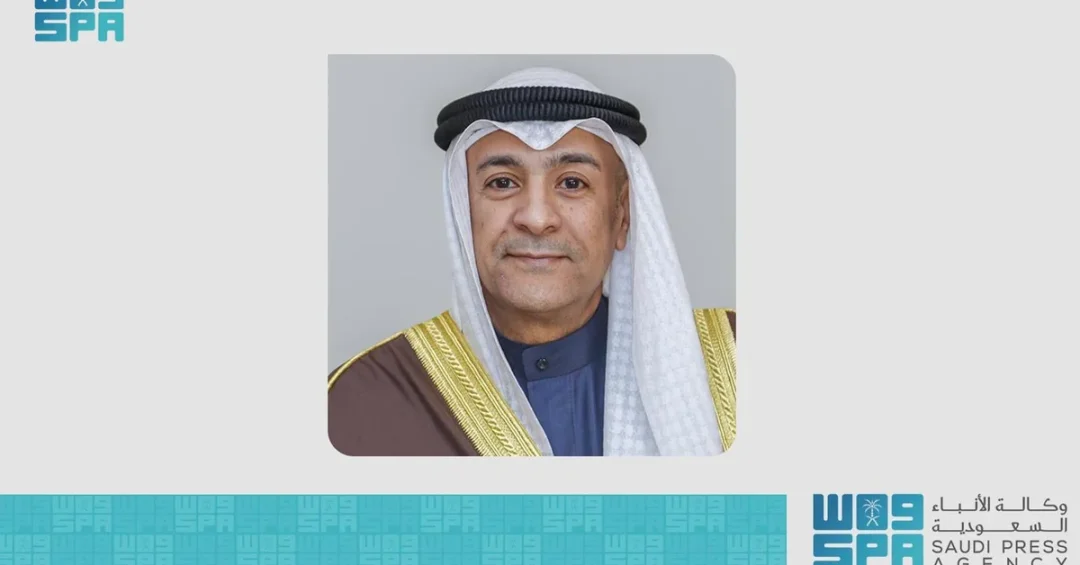
The Gulf Cooperation Council (GCC) has reaffirmed its commitment to global financial cooperation by participating in the 2025 Asian Financial Forum in Hong Kong, with Secretary General Jasem Albudaiwi emphasizing the bloc’s eagerness to address worldwide economic challenges through collaborative dialogue and innovative solutions. The forum, held on January 13-14, brought together ministers, senior officials, policymakers, investors, and business leaders from more than 50 countries, according to the Saudi Press Agency (SPA). This participation underscores the GCC’s proactive approach to international engagement and its determination to contribute meaningfully to discussions that shape the future of the global economy.
For the first time in the forum’s history, a dedicated panel discussion on the GCC states was convened on January 14, jointly organized by the GCC General Secretariat, the Hong Kong Monetary Authority, the Hong Kong Treasury, and the Hong Kong Trade Development Council. This landmark session highlights the growing recognition of the GCC’s economic significance on the world stage and signals deepening ties between the Gulf region and Asia’s premier financial hub. The involvement of such high-level institutions demonstrates the seriousness with which both sides view this partnership.
Context and Background
Why does the GCC’s participation in the Asian Financial Forum matter so profoundly at this moment in global economic history? The Asian Financial Forum, an annual event organized by the Hong Kong Trade Development Council, serves as a vital platform for addressing pressing financial issues and exploring strategies to revitalize economies. In 2025, the forum’s focus on global economic challenges comes at a time when nations worldwide are grappling with inflationary pressures, supply chain disruptions, and the need for sustainable growth models. The GCC’s active engagement reflects its recognition that no economy operates in isolation and that multilateral cooperation is essential for resilience.
The Gulf Cooperation Council, established in 1981, comprises six member states: the Kingdom of Saudi Arabia, the United Arab Emirates, Qatar, Kuwait, Bahrain, and Oman. Together, these nations represent a formidable economic bloc, with vast energy resources, sovereign wealth funds, and ambitious diversification strategies. Their collective gross domestic product exceeds $2 trillion, making the GCC a key player in global finance and trade. Participation in forums like the Asian Financial Forum allows the GCC to showcase its economic achievements and explore new avenues for collaboration with Asian markets, which are increasingly important trading partners.
Secretary General Jasem Albudaiwi’s remarks during the opening session underscored the GCC’s commitment to staying updated on regional and global financial developments. He noted that such engagement is crucial for strengthening the financial sector and benefiting the economies of member states. This forward-looking stance aligns with the broader objectives of the GCC’s strategic vision, which prioritizes economic integration, innovation, and international partnerships. The forum thus serves as a conduit for the GCC to learn from global best practices and share its own experiences in economic transformation.
Key Details
What specific outcomes and discussions emerged from the GCC’s engagement at the 2025 Asian Financial Forum? The special panel discussion on January 14 marked a significant milestone, as it was the first time the forum dedicated a session exclusively to the GCC states. Jointly organized by the GCC General Secretariat, the Hong Kong Monetary Authority, the Hong Kong Treasury, and the Hong Kong Trade Development Council, this panel brought together key stakeholders to explore opportunities for enhanced cooperation in investment and trade. The collaboration between these institutions reflects a shared vision for economic prosperity and stability.
During the panel, participants discussed ways to strengthen financial and economic ties between the GCC and Hong Kong, with a particular focus on investment flows and trade facilitation. The Hong Kong Monetary Authority, as the region’s central banking institution, plays a pivotal role in maintaining monetary stability and fostering financial innovation. The Hong Kong Treasury oversees fiscal policy and public finance, while the Hong Kong Trade Development Council promotes trade and investment. Their joint efforts with the GCC General Secretariat signal a comprehensive approach to deepening economic integration.
Secretary General Albudaiwi emphasized that the GCC’s participation in the forum demonstrates its commitment to staying abreast of regional and global financial developments. He highlighted that this engagement is essential for strengthening the financial sector and ensuring that member states’ economies continue to thrive. The forum provided a platform for the GCC to present solutions, initiatives, and ideas aimed at revitalizing economies across the region and beyond. These discussions are expected to pave the way for concrete partnerships and collaborative projects in the future.
International and Regional Impact
How will the GCC’s active participation in the Asian Financial Forum influence its relations with Asia and the broader global economy? The forum serves as a bridge between the Gulf region and Asia, two economic powerhouses with complementary strengths. Asia’s dynamic markets and technological prowess, combined with the GCC’s energy resources and strategic location, create a synergy that can drive mutual growth. By engaging in high-level dialogues, the GCC is positioning itself as a reliable partner for Asian nations seeking to expand their economic footprint in the Middle East.
Moreover, the GCC’s involvement in the forum underscores its role as a stabilizing force in the global financial system. The region’s sovereign wealth funds, including Saudi Arabia’s Public Investment Fund (PIF), are major investors in international markets, and their participation in forums like this enhances transparency and cooperation. The discussions held in Hong Kong are likely to lead to increased cross-border investment, joint ventures, and knowledge exchange, benefiting not only the GCC and Hong Kong but also the wider international community. This aligns with the GCC’s longstanding commitment to multilateralism and open markets.
Economic and Strategic Significance
What does the GCC’s engagement at the Asian Financial Forum reveal about its economic strategy and long-term goals? The participation reflects a deliberate shift toward economic diversification and global integration, core tenets of Saudi Arabia’s Vision 2030 and similar initiatives across the Gulf. By actively participating in global financial dialogues, the GCC is signaling its readiness to adapt to a rapidly changing economic landscape. The focus on investment and trade cooperation with Hong Kong, a global financial hub, highlights the GCC’s intent to tap into Asian capital and expertise to fuel its own development projects.
Strategically, the forum provides the GCC with an opportunity to showcase its economic reforms and investment opportunities. Member states have been implementing ambitious plans to reduce dependence on oil revenues, develop non-oil sectors, and foster innovation. The Asian Financial Forum serves as a platform to attract foreign direct investment, forge partnerships with technology firms, and learn from Asia’s successful development models. The joint panel with Hong Kong institutions is a testament to the GCC’s proactive approach to building bridges with key global players.
Vision 2030 Alignment
How does the GCC’s participation in the Asian Financial Forum align with Saudi Arabia’s Vision 2030 and the Kingdom’s broader aspirations? Vision 2030, launched by Crown Prince Mohammed bin Salman, aims to transform Saudi Arabia into a diversified, innovative, and globally connected economy. The GCC’s collective efforts to engage with international financial platforms directly support this vision by promoting economic cooperation, attracting investment, and enhancing the Kingdom’s role as a regional leader. Saudi Arabia, as the largest GCC economy, plays a pivotal role in these initiatives, and its active support for the forum underscores its commitment to global engagement.
Looking ahead, the GCC’s participation in the 2025 Asian Financial Forum is not merely a one-time event but part of a sustained strategy to strengthen ties with Asia and the world. The Kingdom of Saudi Arabia, through its leadership in the GCC, continues to champion economic diplomacy and multilateral cooperation. As Vision 2030 progresses, such engagements will be instrumental in achieving the goals of a vibrant society, a thriving economy, and an ambitious nation. The forum’s outcomes will likely contribute to new partnerships and initiatives that benefit both the GCC and its international partners, reinforcing Saudi Arabia’s position as a global economic powerhouse.
20 Questions
Q1. What is the Asian Financial Forum and why is it significant?
A1. The Asian Financial Forum is an annual event in Hong Kong that brings together global leaders to discuss financial issues and economic challenges. It is significant as a platform for shaping solutions and fostering international cooperation.
Q2. Who represented the GCC at the 2025 forum?
A2. Secretary General Jasem Albudaiwi represented the GCC at the 2025 Asian Financial Forum, emphasizing the bloc’s eagerness to participate and contribute to global economic discussions.
Q3. What was the main message of the GCC Secretary General?
A3. Secretary General Albudaiwi highlighted the GCC’s commitment to addressing global economic challenges and presenting solutions, initiatives, and ideas to revitalize economies across the region.
Q4. How many countries participated in the forum?
A4. The forum was attended by ministers, senior officials, policymakers, investors, and businessmen from over 50 countries, underscoring its global reach and importance.
Q5. What special event took place regarding the GCC at the forum?
A5. For the first time, the forum hosted a special panel discussion on the GCC states on January 14, jointly organized by the GCC General Secretariat and Hong Kong institutions.
Q6. Which Hong Kong institutions co-organized the GCC panel?
A6. The panel was jointly organized by the Hong Kong Monetary Authority, the Hong Kong Treasury, and the Hong Kong Trade Development Council, along with the GCC General Secretariat.
Q7. Why is the GCC’s participation in the forum important for its member states?
A7. It helps the GCC stay updated on regional and global financial developments, which is crucial for strengthening the financial sector and benefiting the economies of its member states.
Q8. What are the key areas of cooperation between the GCC and Hong Kong?
A8. The cooperation focuses on enhancing financial and economic ties, particularly in investment and trade, as emphasized during the forum’s discussions.
Q9. How does the forum reflect GCC’s commitment to global economic engagement?
A9. By actively participating and co-organizing a dedicated panel, the GCC demonstrates its commitment to multilateral dialogue and its readiness to contribute to global economic solutions.
Q10. What economic challenges were discussed at the forum?
A10. The forum addressed global economic challenges such as inflation, supply chain disruptions, and the need for sustainable growth, with the GCC presenting its perspectives and solutions.
Q11. How does the GCC’s participation align with Saudi Arabia’s Vision 2030?
A11. It aligns by promoting economic diversification, international cooperation, and investment attraction, which are core objectives of Vision 2030 to transform Saudi Arabia’s economy.
Q12. What role does the GCC General Secretariat play in such forums?
A12. The GCC General Secretariat coordinates the bloc’s participation, facilitates dialogue, and helps present unified positions and initiatives to strengthen economic ties with international partners.
Q13. What benefits can GCC member states expect from this forum?
A13. They can expect enhanced cooperation, increased investment opportunities, and knowledge exchange that will support economic growth and diversification efforts.
Q14. How does the forum strengthen GCC-Asia relations?
A14. It provides a platform for high-level dialogue, fostering partnerships and mutual understanding that can lead to increased trade and investment between the GCC and Asian economies.
Q15. What is the significance of the first-ever GCC panel at the forum?
A15. It signifies the growing recognition of the GCC’s economic importance and opens new avenues for targeted cooperation with Hong Kong and other Asian partners.
Q16. How does the GCC’s engagement reflect its economic diversification goals?
A16. By seeking new partnerships and investment opportunities, the GCC is actively working to reduce oil dependence and build diversified, knowledge-based economies.
Q17. What can other countries learn from the GCC’s participation?
A17. Other countries can learn about the benefits of proactive engagement, multilateral cooperation, and the importance of staying updated on global financial trends for economic resilience.
Q18. What future steps might the GCC take after this forum?
A18. The GCC may pursue follow-up meetings, joint initiatives, and agreements with Hong Kong and other partners to implement the ideas discussed and deepen economic ties.
Q19. How does the forum support global economic stability?
A19. By facilitating dialogue and cooperation among major economies, the forum helps identify solutions to common challenges, contributing to global financial stability and growth.
Q20. What is the overarching goal of the GCC’s international financial engagements?
A20. The overarching goal is to strengthen the financial sector, attract investment, and ensure sustainable economic development for its member states, in line with their long-term visions.
Reader Feedback
We value your thoughts. Please share your feedback on this article.
Your feedback helps us improve our coverage.
Related articles
 GEA Launches 29 New Entertainment Investment Opportunities
 Saudi Reef Delivers SAR 2.4 Billion for Rural Development
 Mada E-Commerce Sales Hit SAR17.4bn in November, Up 29%
 U.S.-Saudi Business Council Leads Delegation to Future Minerals Forum
 Fifth Aramco Facility Joins WEF Global Lighthouse Network
 Saudi Arabia Awards Round 7 Mining Licenses in Vision 2030 Push