


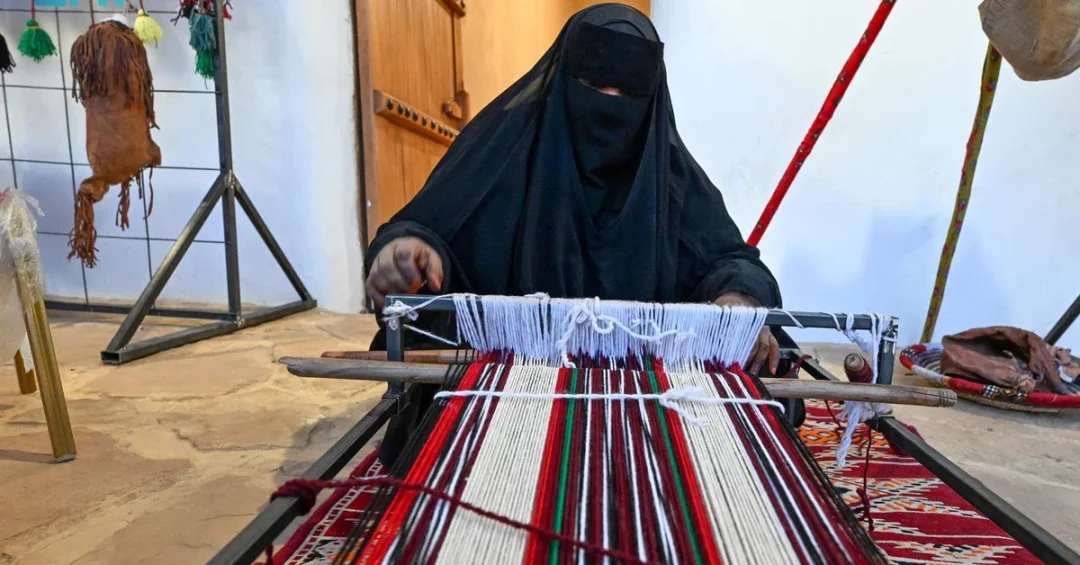
The Handicrafts Festival (HARFA) 2025 in Hail concluded on January 11 after welcoming more than 91,000 visitors to the historic Al-Qishla Palace, marking a landmark moment as the first event of its kind in the Kingdom and coinciding with the launch of the “Year of Handicrafts 2025.” The seven-day festival, which ran from January 5 to January 11, was organized under the umbrella of Saudi Arabia’s official cultural and development bodies and drew guests from Europe, America, Asia, the Gulf states, and every region of the Kingdom. According to the Saudi Press Agency (SPA), the event showcased Hail’s deep-rooted craft traditions while offering international audiences a vivid introduction to a heritage that continues to shape Saudi identity.
The scale of attendance — surpassing 91,000 visitors in a single week — underscores how strongly domestic and international audiences are responding to Saudi Arabia’s expanding cultural calendar. Rather than a standalone celebration, HARFA 2025 formed part of a broader national push to elevate traditional crafts as living expressions of culture, economic opportunity, and community pride. Held at Al-Qishla Palace, a landmark that itself embodies Hail’s historical layers, the festival transformed a heritage site into a dynamic meeting point between master artisans and a new generation of learners, buyers, and admirers. Could there be a clearer signal that Saudi Arabia’s cultural sector is entering a new era of global engagement?
Context and Background
Why does a handicrafts festival in Hail matter on the national and international stage? The answer lies in the timing and the framework behind it. HARFA 2025 was the first festival of its kind, launched in parallel with the “Year of Handicrafts 2025” initiative, a national program designed to celebrate, document, and sustain Saudi Arabia’s traditional crafts. The choice of Hail as the host region was deliberate: the area is widely recognized for its rich craft heritage, from wickerwork and carpentry to weaving, incense burner crafting, pottery, and clay building. These disciplines are not relics of the past — they are skills that have been passed down through generations and remain embedded in the daily life and identity of the region.
The festival was staged at the historic Al-Qishla Palace, a venue whose architecture and setting gave visitors an immersive experience of Hail’s cultural landscape. Official Saudi channels, including the Saudi Press Agency, reported that the event was supported by entities such as the Hail Region Development Authority, the Heritage Commission, and the Ministry of Human Resources and Social Development. Their involvement reflects a coordinated national approach: cultural preservation is being linked directly to economic empowerment, skills transfer, and tourism development. For international readers, this matters because it illustrates how Saudi Arabia is institutionalizing heritage protection — not as a symbolic gesture, but as a structured, multi-agency effort aligned with the Kingdom’s long-term development goals.
Another layer of context is the growing international interest in authentic cultural travel. Visitors from Europe, America, Asia, and the Gulf did not simply observe displays; they engaged with artisans, watched live demonstrations, and participated in hands-on learning. This kind of cultural exchange positions Saudi Arabia as a destination where heritage is not staged for tourists but shared as a living practice. Isn’t that precisely the kind of meaningful travel experience global audiences are seeking today?
Key Details
What exactly did the 91,000-plus visitors experience at Al-Qishla Palace? According to official information released via SPA, more than 130 craftsmen and craftswomen participated in the festival, offering live demonstrations and training courses designed to transfer their skills to younger generations. Daily activities included hands-on learning opportunities, allowing visitors to try their hand at traditional techniques under the guidance of master artisans. The festival highlighted a remarkable diversity of crafts: wickerwork, carpentry, weaving, incense burner crafting, pottery, and clay building, alongside displays of wood engraving, embroidery, wool fluffing, leather goods, daggers, swords, and Thamudic inscriptions. Artistic carvings on stone and traditional items such as ropes, windows, and decorative abayas further enriched the exhibition.
The event was not limited to static displays. Awareness programs organized by the Hail Region Development Authority, the Heritage Commission, and the Ministry of Human Resources and Social Development emphasized the economic and cultural significance of handicrafts and the role of local authorities in supporting and marketing the craft industry. These sessions helped visitors understand that every handcrafted item represents a chain of skills, livelihoods, and cultural memory. Artistic folklore performances, vintage car displays, and a heritage-inspired environment featuring restaurants and cafes added to the festive atmosphere, while more than 100 volunteers contributed to the organization of the event, fostering an inclusive and engaging experience for all segments of society.
The participation of both craftsmen and craftswomen is particularly noteworthy. It signals that Saudi Arabia’s craft economy is opening opportunities across society, with women playing a visible and valued role in preserving and innovating within traditional disciplines. The training courses offered during the festival were not merely demonstrations; they were structured opportunities for younger Saudis to acquire skills that can translate into sustainable livelihoods. In a world where many traditional crafts face extinction, Hail’s approach offers a practical model for intergenerational knowledge transfer. How many other regions can claim such a comprehensive, hands-on commitment to keeping heritage alive?
International and Regional Impact
The presence of tourists from Europe, America, Asia, and the Gulf at HARFA 2025 reflects Saudi Arabia’s expanding appeal as a cultural destination. For regional visitors, the festival offered a familiar yet distinct experience — a celebration of Arabian heritage that resonates across the Gulf while showcasing Hail’s unique local character. For travelers from farther afield, the event provided an accessible entry point into Saudi culture, one grounded in craftsmanship, hospitality, and direct interaction with artisans. This kind of people-to-people exchange builds goodwill and understanding, complementing the Kingdom’s broader diplomatic and tourism outreach.
The festival also reinforced Hail’s position within Saudi Arabia’s domestic tourism map. By drawing visitors from across the Kingdom, it demonstrated that cultural events can drive travel to regions beyond the major metropolitan centers, distributing economic benefits more widely. International media and travel platforms increasingly highlight Saudi Arabia’s heritage offerings, and events like HARFA contribute to that narrative by providing concrete, verifiable success stories. The fact that the festival coincided with the launch of the “Year of Handicrafts 2025” amplifies its significance: it is part of a sustained national campaign rather than an isolated occasion. Could this be the beginning of a new annual tradition that further cements Hail’s reputation as a cultural capital?
Economic and Strategic Significance
Beyond its cultural value, HARFA 2025 carried clear economic weight. Handicrafts represent a sector where tradition meets entrepreneurship, and the festival created a marketplace where artisans could showcase their work to a large and diverse audience. The awareness programs organized by the Hail Region Development Authority, the Heritage Commission, and the Ministry of Human Resources and Social Development specifically addressed the marketing of craft products, helping participants understand how to reach broader markets. For many craftsmen and craftswomen, such exposure can translate into orders, partnerships, and long-term income streams.
Strategically, the festival supports Saudi Arabia’s efforts to diversify its economy and create opportunities in the cultural and creative industries. By investing in skills training and promoting local crafts, the Kingdom is building human capital while preserving intangible heritage. The involvement of the Ministry of Human Resources and Social Development highlights the link between cultural preservation and employment, particularly for youth and women. The more than 100 volunteers who helped organize the event also gained practical experience in event management and community engagement — skills that are increasingly valuable in Saudi Arabia’s growing events sector. Isn’t it remarkable how a single festival can simultaneously honor the past, empower the present, and invest in the future?
Vision 2030 Alignment
How does HARFA 2025 connect to Saudi Vision 2030? The festival directly advances several pillars of the Vision, including the promotion of cultural heritage, the development of tourism, and the empowerment of citizens through skills and economic participation. By celebrating handicrafts and supporting artisans, the event contributes to the goal of creating a vibrant society where cultural traditions are valued and passed on. At the same time, it supports the Vision’s economic objectives by nurturing small-scale enterprises and creating income opportunities in the creative sector.
The “Year of Handicrafts 2025” initiative, launched alongside the festival, reflects the Kingdom’s commitment to institutionalizing this progress. Through the coordinated efforts of the Hail Region Development Authority, the Heritage Commission, and the Ministry of Human Resources and Social Development, Saudi Arabia is demonstrating that heritage and modernization are not opposing forces but complementary drivers of national development. As the Kingdom continues to welcome the world — through tourism, cultural exchange, and international events — festivals like HARFA serve as powerful ambassadors of Saudi identity. With over 91,000 visitors in its inaugural edition, HARFA has set a high standard and a clear precedent. The future of Saudi handicrafts, and of Hail as a cultural destination, looks brighter than ever.
20 Questions
Q1. What was the Handicrafts Festival (HARFA) 2025 in Hail?
A1. HARFA 2025 was the first handicrafts festival of its kind in Saudi Arabia, held in Hail from January 5 to January 11 at the historic Al-Qishla Palace. It celebrated traditional crafts and coincided with the launch of the “Year of Handicrafts 2025.”
Q2. How many visitors attended the festival?
A2. The festival attracted over 91,000 visitors, according to the Saudi Press Agency. This included tourists from Europe, America, Asia, the Gulf, and visitors from across Saudi Arabia, reflecting strong domestic and international interest.
Q3. Where was the festival held?
A3. It was held at the historic Al-Qishla Palace in Hail. The venue provided a heritage-rich setting that enhanced the visitor experience and highlighted the region’s architectural and cultural legacy.
Q4. When did the festival take place?
A4. The festival ran from January 5 to January 11, 2025. It concluded on January 11, with official announcements confirming the successful close and the impressive visitor numbers.
Q5. What crafts were showcased at HARFA 2025?
A5. Displays included wickerwork, carpentry, weaving, incense burner crafting, pottery, clay building, wood engraving, embroidery, wool fluffing, leather goods, daggers, swords, and Thamudic inscriptions, along with artistic stone carvings and traditional items like ropes, windows, and decorative abayas.
Q6. How many craftsmen and craftswomen participated?
A6. More than 130 craftsmen and craftswomen participated in the festival. They offered live demonstrations and training courses aimed at transferring their skills to younger generations, ensuring the continuity of traditional crafts.
Q7. What organizations supported the festival?
A7. The festival was supported by entities including the Hail Region Development Authority, the Heritage Commission, and the Ministry of Human Resources and Social Development. These bodies organized awareness programs and emphasized the economic and cultural significance of handicrafts.
Q8. What were the awareness programs about?
A8. The awareness programs highlighted the economic and cultural importance of handicrafts and the role of local authorities in supporting and marketing the craft industry. They aimed to help artisans reach broader markets and sustain their livelihoods.
Q9. Were there training opportunities for younger generations?
A9. Yes. Daily activities included hands-on learning opportunities and training courses led by master artisans. These were designed to transfer skills to younger Saudis, helping preserve traditional crafts for the future.
Q10. What other activities took place at the festival?
A10. The festival featured artistic folklore performances, vintage car displays, and a heritage-inspired environment with restaurants and cafes. These elements created a festive atmosphere that appealed to all segments of society.
Q11. How many volunteers contributed to the event?
A11. More than 100 volunteers contributed to the organization of the festival. Their efforts helped foster an inclusive and engaging atmosphere, demonstrating strong community spirit and civic participation.
Q12. Why is Hail significant for handicrafts?
A12. Hail is known for its rich heritage of handicrafts, including wickerwork, carpentry, weaving, incense burner crafting, pottery, and clay building. The region’s traditions are deeply rooted and continue to be practiced by local artisans.
Q13. What is the “Year of Handicrafts 2025”?
A13. It is a national initiative launched alongside HARFA 2025 to celebrate, document, and sustain Saudi Arabia’s traditional crafts. The festival served as a flagship event for this year-long program.
Q14. How does the festival support the local economy?
A14. By providing a marketplace for artisans, the festival helps them showcase and sell their products. Awareness programs on marketing and the involvement of development authorities further support income generation and small business growth.
Q15. What role did women play in the festival?
A15. Craftswomen participated actively among the more than 130 artisans, demonstrating and teaching traditional skills. Their visible role reflects the inclusive nature of Saudi Arabia’s cultural and economic development efforts.
Q16. How does HARFA 2025 align with Saudi Vision 2030?
A16. It advances Vision 2030 by promoting cultural heritage, supporting tourism, and empowering citizens through skills and economic participation. It also contributes to creating a vibrant society and diversifying the economy.
Q17. What was the international significance of the festival?
A17. The presence of visitors from Europe, America, Asia, and the Gulf highlights Saudi Arabia’s growing appeal as a cultural destination. It fosters people-to-people exchange and showcases the Kingdom’s heritage to a global audience.
Q18. Will the festival be held again?
A18. While no official announcement has been made about future editions, the success of HARFA 2025 and its alignment with the “Year of Handicrafts 2025” suggest it could become a recurring event. Official channels will provide updates.
Q19. What makes Al-Qishla Palace a suitable venue?
A19. Al-Qishla Palace is a historic landmark in Hail that embodies the region’s architectural heritage. Its atmosphere provides an authentic backdrop for a festival dedicated to traditional crafts and culture.
Q20. What is the overall significance of HARFA 2025?
A20. HARFA 2025 marked a milestone in Saudi Arabia’s cultural calendar, drawing over 91,000 visitors and showcasing the Kingdom’s commitment to preserving handicrafts, empowering artisans, and sharing its heritage with the world.
Reader Feedback
We value your thoughts. Please share your feedback on this article.
Your feedback helps us improve our coverage.
Related articles
 Saudi, Japanese Officials Meet to Boost Cultural Ties
 Saudi Arabia Hosts Jazz Icon Herbie Hancock in Historic Visit
 Kairouan Carpets: Tunisian Craft Faces Extinction Risk
 Fashion Commission Launches Traditional Handcrafts Revival Competition
 Manga Hokusai Manga Exhibition Debuts in Riyadh
 Heritage Commission Registers 3,202 New Sites in Saudi Arabia