


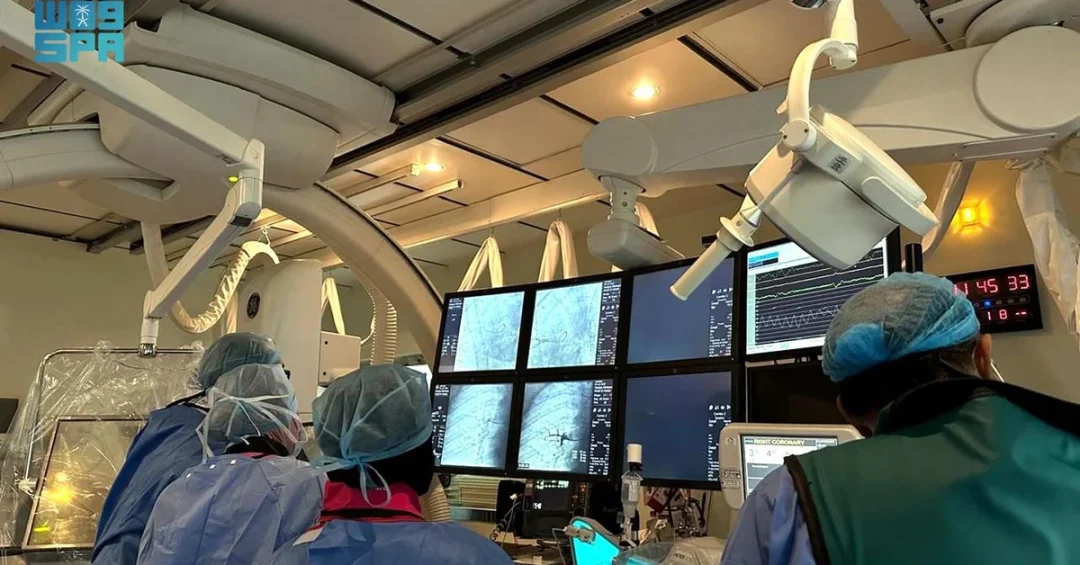
The Heart Center at King Fahd Hospital, part of Imam Abdulrahman Bin Faisal University’s Academic Medical City in the Eastern Region, has pioneered the use of Balloon Pulmonary Angioplasty (BPA) to treat chronic thromboembolic pulmonary hypertension (CTEPH), marking a first for the region. The procedure, announced via the Saudi Press Agency, represents a significant advance in the Kingdom’s capacity to manage complex heart and lung conditions. Led by a specialized Saudi medical team, the center has successfully treated patients with chronic pulmonary artery stenosis, restoring normal blood flow and improving quality of life.
For an international audience, this development signals more than a single clinical milestone. It reflects the broader transformation of Saudi Arabia’s healthcare sector under Vision 2030, where advanced medical technologies, specialized expertise, and patient-centered care are being integrated at an accelerating pace. The Heart Center’s achievement also underscores the Kingdom’s growing role as a regional hub for high-complexity medical care, attracting attention from practitioners and health systems across the Middle East and beyond. How does a single hospital’s breakthrough ripple across an entire region’s health landscape? The answer lies in the combination of technical skill, institutional vision, and strategic national investment.
Context and Background
Chronic thromboembolic pulmonary hypertension (CTEPH) is a rare but serious condition caused by blood clots that permanently block or narrow the pulmonary arteries. Over time, this increases pressure in the lungs’ blood vessels, forcing the heart’s right ventricle to work harder. Without treatment, CTEPH can lead to right heart failure and significantly reduced life expectancy. Historically, the only curative option was pulmonary endarterectomy, an open-heart procedure suitable only for a subset of patients. For those with inoperable disease, options were limited and outcomes poor. How did Saudi clinicians bridge this gap? By adopting Balloon Pulmonary Angioplasty, a minimally invasive catheter-based technique that has emerged as a vital alternative worldwide.
The Heart Center at King Fahd Hospital, located within Imam Abdulrahman Bin Faisal University’s Academic Medical City in Al-Khobar, has long served as a referral destination for complex cardiac and pulmonary cases in the Eastern Region. Its integration into an academic medical city means clinicians work alongside researchers, residents, and fellows, fostering an environment where innovation is routine. The center’s adoption of BPA is therefore not an isolated event but the product of deliberate investment in specialized training, advanced imaging, and interventional infrastructure. For international observers, this reflects a healthcare system that is maturing rapidly, moving from importing expertise to generating it locally.
The timing matters. Across the Gulf and wider Middle East, non-communicable diseases, including cardiovascular and respiratory conditions, are rising as populations age and lifestyles change. Regional health authorities have prioritized building domestic capacity to treat complex cases rather than sending patients abroad. The Heart Center’s BPA program directly addresses that priority, offering a homegrown solution for a condition that previously required overseas referral. What does it mean for patients when world-class care is available closer to home? It means faster treatment, lower costs, and better continuity of care for families.
Key Details of the Breakthrough
Balloon Pulmonary Angioplasty is a delicate procedure. A catheter is inserted through a vein and guided to the pulmonary arteries, where narrowed or blocked segments are identified. A small balloon is then inflated to widen the vessel and restore normal blood flow. Because the pulmonary arteries branch extensively and are deep within the chest, the procedure demands exceptional precision and imaging support. The Saudi team at King Fahd Hospital has performed these interventions successfully, with the Saudi Press Agency reporting improvements in blood oxygen levels, reduced pulmonary artery pressure, and enhanced heart function among treated patients. The results have been transformative for individuals with chronic pulmonary artery stenosis, many of whom had endured serious health challenges for years.
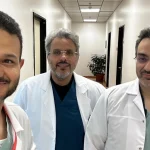
The procedures are led by a specialized Saudi medical team, a point of national pride and a sign of the Kingdom’s growing self-sufficiency in advanced medicine. The team’s success with complex cases has positioned the Heart Center as a leading specialized center in the Eastern Region. It integrates medical expertise with advanced technologies to deliver state-of-the-art cardiac and pulmonary care, and is known for adopting the latest diagnostic and treatment methods. As a result, it has become a key medical reference point for critical cases, not only within Saudi Arabia but potentially for patients across the region.
What distinguishes this achievement is not just the technology but the organizational capability behind it. BPA requires a multidisciplinary team: interventional cardiologists, pulmonologists, radiologists, anesthesiologists, and specialized nursing staff. It also requires rigorous patient selection and post-procedure monitoring. The fact that King Fahd Hospital has built and sustained such a program speaks to its institutional strength. For international readers, this is a useful case study in how a regional hospital can elevate its capabilities to match international standards, even for rare and complex conditions.
International and Regional Impact
The Heart Center’s breakthrough has implications beyond Saudi borders. CTEPH is underdiagnosed globally, and access to BPA remains limited to a handful of specialized centers in North America, Europe, and Asia. By establishing a BPA program in the Eastern Region, Saudi Arabia adds a new node to the global network of advanced pulmonary hypertension care. Patients from neighboring Gulf countries and beyond may now consider traveling to Al-Khobar for treatment, reinforcing the Kingdom’s emerging status as a medical tourism destination. This aligns with broader efforts to diversify the economy and attract international visitors for specialized services.
Regionally, the achievement strengthens Saudi Arabia’s position as a healthcare leader in the Middle East. It demonstrates that Saudi institutions can adopt and master cutting-edge procedures, not merely import them. For international medical professionals, it opens opportunities for collaboration, research, and knowledge exchange. The Heart Center’s experience with BPA could inform protocols in other countries facing similar disease burdens. In a world where medical innovation is increasingly global, Saudi Arabia is signaling that it intends to be a contributor, not just a consumer.
Moreover, the success of a Saudi-led team challenges outdated perceptions of healthcare in the region. It showcases the caliber of Saudi physicians and the sophistication of its medical infrastructure. For international audiences, this is a reminder that the Kingdom’s transformation extends well beyond energy and infrastructure into human capital and high-tech services. The Heart Center’s work is a tangible example of Vision 2030’s ambition to build a diversified, knowledge-based economy.
Economic and Strategic Significance
Healthcare is a cornerstone of Saudi Arabia’s economic diversification strategy. By advancing domestic treatment capabilities, the Kingdom reduces the need for costly overseas medical referrals, which historically drained public funds and disrupted families. Every complex procedure performed locally keeps resources within the national health system and builds local expertise. The Heart Center’s BPA program thus has a direct economic rationale: it improves outcomes while enhancing the efficiency of healthcare spending. Over time, such capabilities can also generate revenue by attracting international patients, contributing to the growth of medical tourism.
Strategically, the development reinforces Saudi Arabia’s commitment to Vision 2030’s Health Sector Transformation Program, which aims to improve quality, accessibility, and efficiency. The program emphasizes innovation, public-private partnerships, and digital health. The Heart Center’s adoption of advanced interventional techniques aligns with these goals, demonstrating how specialized centers can serve as engines of reform. For investors and partners in the healthcare sector, Saudi Arabia’s progress signals a welcoming environment for collaboration and technology transfer.
From a global health perspective, the Kingdom’s investment in rare disease treatment also contributes to the broader fight against non-communicable diseases. The World Health Organization has identified cardiovascular diseases as the leading cause of death worldwide. By developing expertise in complex cardiac and pulmonary conditions, Saudi Arabia is not only serving its own population but also adding to global knowledge and capacity. This is a story of national advancement with international resonance.
Vision 2030 Alignment
The Heart Center’s achievements align directly with King Fahd University Hospital’s mission and its commitment to Saudi Vision 2030. By enhancing healthcare quality and promoting cutting-edge medical technologies, the hospital contributes to the well-being of Saudi citizens and residents. The center remains a vital specialized medical destination, offering comprehensive care to help patients overcome heart and lung disease challenges and achieve positive health outcomes. This is Vision 2030 in action: a health system that is proactive, patient-centered, and globally competitive.
As Saudi Arabia continues its journey toward a diversified, knowledge-based economy, successes like the BPA program at King Fahd Hospital will multiply. They demonstrate that the Kingdom’s ambitions are grounded in tangible achievements, from advanced medicine to sustainable development. For international observers, the message is clear: Saudi Arabia is not only investing in its future but also shaping the future of healthcare in the region and beyond. The Heart Center’s pioneering work is a beacon of what is possible when national vision meets local expertise and determination.
20 Questions
Q1. What is Balloon Pulmonary Angioplasty (BPA)?
A1. BPA is a minimally invasive procedure that uses a catheter and a small balloon to widen narrowed or blocked pulmonary arteries, restoring blood flow and reducing pressure in the lungs. It is used to treat chronic thromboembolic pulmonary hypertension (CTEPH).
Q2. What is CTEPH?
A2. Chronic thromboembolic pulmonary hypertension is a condition caused by blood clots that permanently block or narrow the pulmonary arteries. It leads to high blood pressure in the lungs and can cause heart failure if untreated.
Q3. Which hospital pioneered BPA in the Eastern Region?
A3. The Heart Center at King Fahd Hospital, part of Imam Abdulrahman Bin Faisal University’s Academic Medical City in the Eastern Region, pioneered the use of BPA in the region.
Q4. Who leads the BPA procedures?
A4. The procedures are led by a specialized Saudi medical team, which has successfully provided innovative solutions for complex cases, demonstrating local expertise and advanced training.
Q5. What are the benefits of BPA for patients?
A5. BPA improves blood oxygen levels, reduces pulmonary artery pressure, enhances heart function, and significantly elevates patients’ quality of life, enabling them to regain normal lives.
Q6. How is BPA performed?
A6. A catheter is inserted through a vein to reach the pulmonary arteries. A small balloon is then inflated to widen the blood vessels and restore normal blood flow, typically without open-heart surgery.
Q7. Why is this achievement significant for Saudi Arabia?
A7. It marks a first for the Eastern Region and reflects the Kingdom’s growing capacity to treat complex heart and lung conditions locally, reducing the need for overseas referrals and advancing Vision 2030 healthcare goals.
Q8. What is the Heart Center known for?
A8. The Heart Center is a leading specialized center in the Eastern Region, known for integrating medical expertise with advanced technologies and adopting the latest diagnostic and treatment methods for critical cases.
Q9. How does this align with Vision 2030?
A9. It aligns with Vision 2030’s Health Sector Transformation Program by enhancing healthcare quality, promoting cutting-edge technologies, and improving the well-being of Saudi citizens and residents.
Q10. What is chronic pulmonary artery stenosis?
A10. It is a narrowing of the pulmonary arteries, often caused by clots or other conditions. It can lead to reduced blood flow, high lung pressure, and heart strain, and is treated with procedures like BPA.
Q11. Can international patients access this treatment?
A11. As a specialized center, King Fahd Hospital may accept international patients, contributing to Saudi Arabia’s emerging medical tourism sector. Specific arrangements would depend on hospital policies and referral pathways.
Q12. What technologies support BPA at the center?
A12. The center uses advanced imaging and catheterization laboratory equipment to guide the procedure precisely. This includes fluoroscopy, pressure wires, and specialized balloons designed for pulmonary arteries.
Q13. How does BPA compare to traditional surgery?
A13. BPA is less invasive than pulmonary endarterectomy, the traditional surgical option. It is particularly suitable for patients who are not candidates for surgery due to the location of blockages or other health factors.
Q14. What is the role of Imam Abdulrahman Bin Faisal University?
A14. The university’s Academic Medical City integrates patient care, research, and education. This environment supports innovation and allows clinicians to train the next generation of Saudi medical specialists.
Q15. How does this impact the Eastern Region?
A15. It establishes the Eastern Region as a hub for advanced cardiac and pulmonary care, improving access for local patients and attracting referrals from other regions and neighboring countries.
Q16. What are the risks of BPA?
A16. As with any catheterization procedure, risks include bleeding, infection, or vessel injury. However, when performed by experienced teams, BPA is generally safe and effective, with careful patient selection and monitoring.
Q17. How many BPA procedures have been performed?
A17. The Saudi Press Agency reported successful procedures but did not specify the exact number. The center continues to treat patients and expand its program as part of its specialized services.
Q18. What other conditions does the Heart Center treat?
A18. The center provides comprehensive cardiac and pulmonary care, including diagnostic evaluations, interventional cardiology, and management of complex heart and lung diseases, serving as a referral center for critical cases.
Q19. How does this reflect Saudi Arabia’s healthcare transformation?
A19. It exemplifies the Kingdom’s shift toward high-quality, technology-driven healthcare, building local expertise and reducing reliance on foreign care, in line with Vision 2030’s health sector goals.
Q20. What is the future outlook for BPA in Saudi Arabia?
A20. With the Heart Center’s success, BPA is likely to expand to other specialized centers in the Kingdom, improving access for patients with CTEPH and reinforcing Saudi Arabia’s position as a regional leader in advanced medicine.
Reader Feedback
We value your thoughts. Please share your feedback on this article.
Your feedback helps us improve our coverage.
Related articles
 KFSHRC Modernizes Biobank Center for Personalized Medicine
 Tarshid Launches Energy Efficiency Project in Makkah
 Makkah Health Cluster Serves 2.4 Million in 2024
 SFDA CEO Inspects Jeddah Facilities to Ensure Safety
 Saudi Medical Team Develops Groundbreaking Spinal Implant
 Saudi Red Crescent Showcases Advanced Technologies for Pilgrims at Hajj Conference