


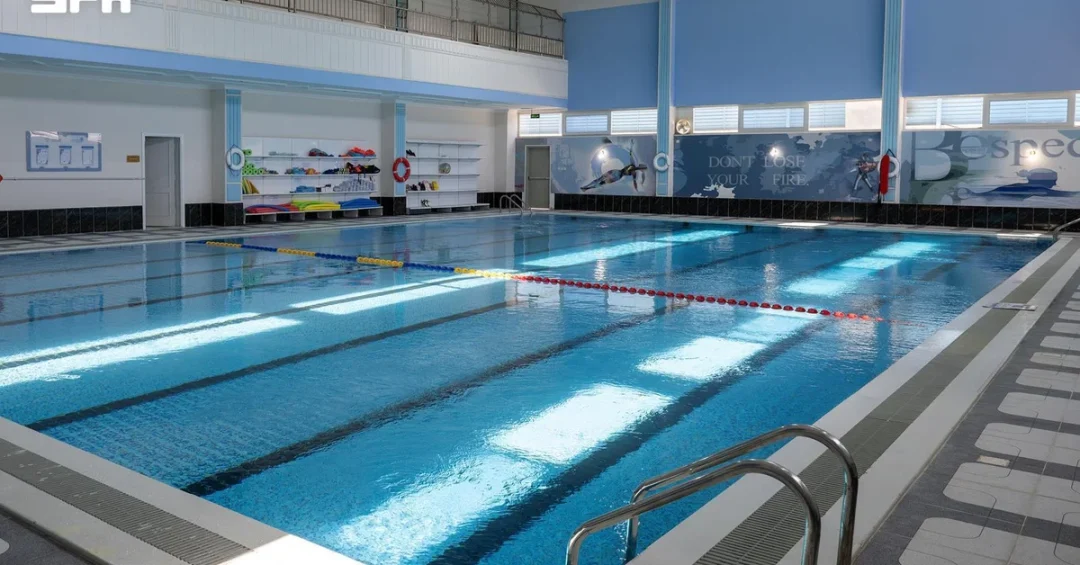
Tabuk, Saudi Arabia — The Ministry of Sport’s regional branch in Tabuk has confirmed that the region now hosts 50 licensed women’s sports clubs and gyms, a milestone that reflects a deepening culture of health and vitality among women across northwestern Saudi Arabia. The figure, released through official Saudi channels, marks one of the clearest signals yet that fitness has moved from a niche pursuit to an established part of daily life for women in the region. The expansion is not merely a matter of numbers; it represents a shift in how women in Tabuk approach exercise, viewing it as a long-term investment in well-being rather than a short-term goal tied to appearance. Could this regional growth be a blueprint for the rest of the Kingdom?
According to the Ministry of Sport’s branch in Tabuk Region, the 50 licensed facilities offer a diverse range of programs tailored to different goals and fitness levels, from strength training and cardiovascular conditioning to group classes and wellness-focused routines. The licensing framework ensures that these clubs meet regulatory standards, providing safe and professional environments for women. This development aligns with the broader national effort to expand access to sport and physical activity under Saudi Vision 2030 and its Quality of Life Program, which seeks to raise the proportion of the population exercising regularly. For women in Tabuk, the availability of licensed, well-equipped gyms within their communities removes a significant barrier to participation.
Context and Background
How did women’s fitness in Tabuk evolve from a largely private activity into a visible, regulated sector? The transformation is rooted in the wider social and economic changes that Saudi Arabia has witnessed in recent years. As part of Vision 2030, the Kingdom has invested heavily in sports infrastructure, community programs, and public health initiatives designed to encourage active lifestyles. The Ministry of Sport, established in 2020, has played a central role in this effort, working with regional branches to license and support sports clubs, including those dedicated to women. In Tabuk, a region known for its strategic location near the Jordanian border and its growing tourism and economic profile, the expansion of women’s fitness facilities mirrors national trends while reflecting local demand.
The Quality of Life Program, one of the Vision 2030 realization programs, explicitly targets an increase in physical activity among all segments of society. It aims to raise the percentage of people exercising at least once a week from 13% to 40% by 2030. For women, who historically had fewer opportunities for organized sport, this goal requires targeted investment and regulatory support. The Ministry of Sport’s regional branch in Tabuk has responded by streamlining licensing procedures and encouraging entrepreneurs to open women-only facilities. Mohammed Al-Nafea, Director of the Ministry of Sport’s branch in Tabuk Region, has emphasized that investing in women’s sports is an investment in community health. His statements underscore a policy shift that treats women’s fitness not as a secondary concern but as a public health priority.
Beyond policy, cultural attitudes have also evolved. Women in Tabuk increasingly view exercise as a lifestyle choice linked to health, vitality, and everyday quality of life. This shift has given women’s gyms a role that extends beyond providing equipment and workout spaces to creating an environment that encourages long-term commitment. The result is a fitness ecosystem that supports women at every stage, from beginners to advanced athletes, and fosters a sense of community and mutual motivation.
Key Details
What exactly does the current landscape of women’s fitness in Tabuk look like? The Ministry of Sport’s regional branch reports that the 50 licensed sports clubs and gyms are distributed across the region, serving both urban centers like Tabuk city and smaller communities. These facilities offer a variety of programs, including personalized training, group fitness classes, and specialized sessions for different age groups and fitness levels. Licensing ensures that clubs adhere to safety and quality standards, which is particularly important for women who may be new to structured exercise. The ministry’s oversight also helps build trust among families, who can be confident that their daughters, sisters, and mothers are training in professional environments.
Mohammed Al-Nafea, Director of the Ministry of Sport’s branch in Tabuk Region, stated that the ministry is working to support and regulate women’s sports clubs and gyms in line with the objectives of Saudi Vision 2030 and the Quality of Life Program. He added that the ministry will continue to facilitate licensing procedures and support initiatives that make sports part of everyday life. This commitment is reflected in the variety of clubs now available, which range from boutique studios focusing on yoga and Pilates to larger gyms equipped with modern resistance and cardio machines. Some facilities also offer nutrition counseling and wellness workshops, addressing the holistic health needs of members.
The growth of women’s fitness in Tabuk is also creating economic opportunities. Licensed clubs employ female trainers, managers, and support staff, contributing to job creation in the region. This aligns with Vision 2030’s goal of increasing women’s participation in the labor force. Moreover, the presence of women-only gyms has spawned a supportive ecosystem of related services, such as sportswear retail, healthy food outlets, and childcare services that enable mothers to exercise regularly. The sector’s expansion thus has ripple effects that extend beyond fitness, strengthening local economies and community bonds.
International and Regional Impact
How does the growth of women’s fitness in Tabuk resonate beyond Saudi Arabia’s borders? The Kingdom’s progress in expanding sports opportunities for women is being watched closely across the Middle East and North Africa, where similar efforts are underway but often face different cultural and regulatory contexts. Saudi Arabia’s model, which combines government licensing, private sector investment, and alignment with national development goals, offers a template for other countries seeking to boost female participation in sport. International sports federations and health organizations have noted the Kingdom’s advancements, particularly in areas like women’s football, where the national team has gained prominence, and in grassroots programs that encourage girls to be active from a young age.
For Tabuk specifically, the region’s proximity to Jordan and its growing role as a tourism destination under Vision 2030 means that its fitness facilities could also serve visitors. Women traveling to Tabuk for business or leisure may find licensed gyms that meet international standards, adding to the region’s appeal as a modern, welcoming destination. This integration of fitness into the broader tourism and hospitality sector reflects the holistic approach of Vision 2030, which seeks to enhance quality of life for citizens and visitors alike. The regional impact is thus twofold: it elevates Tabuk’s profile as a progressive region and reinforces Saudi Arabia’s leadership in promoting healthy lifestyles in the Arab world.
Economic and Strategic Significance
What economic and strategic value does the women’s fitness sector hold for Tabuk and the Kingdom? At the macroeconomic level, the fitness industry contributes to diversification efforts by creating jobs, generating tax revenue, and stimulating consumer spending in related sectors. The Ministry of Sport’s support for licensing and regulation reduces barriers to entry for entrepreneurs, encouraging investment in facilities that meet clear standards. This regulatory clarity is attractive to both local and international investors who see potential in Saudi Arabia’s young, health-conscious population. Women’s fitness, in particular, represents an underserved market that is now expanding rapidly, driven by rising awareness and disposable income.
Strategically, promoting women’s fitness supports public health objectives that reduce long-term healthcare costs associated with sedentary lifestyles, obesity, and related chronic diseases. The Quality of Life Program recognizes that preventive health measures are essential for sustainable development. By making exercise accessible and appealing to women, Tabuk is helping to build a healthier generation that can contribute more effectively to the economy and society. Furthermore, the visibility of women’s gyms and female athletes challenges outdated perceptions and showcases the Kingdom’s commitment to empowering women in all spheres, a key pillar of Vision 2030.
Vision 2030 Alignment
How does the expansion of women’s fitness in Tabuk embody the goals of Saudi Vision 2030? The Vision’s Quality of Life Program aims to create a vibrant society where citizens enjoy a healthy, active lifestyle. The Ministry of Sport’s work in licensing and supporting women’s clubs directly advances this objective by increasing access to safe, professional exercise environments. The 50 licensed facilities in Tabuk are tangible evidence of progress, offering women the tools and spaces they need to prioritize their health. This aligns with the Vision’s broader ambition to raise the Kingdom’s ranking in global quality-of-life indices and to foster a culture of wellness that starts at the community level.
Looking ahead, the Ministry of Sport’s branch in Tabuk plans to continue facilitating licensing and supporting initiatives that integrate sport into everyday life. As more women embrace fitness as a lifestyle, the region is poised to serve as a model for others across the Kingdom. The forward-looking conclusion is clear: Tabuk’s women’s fitness sector is not just a local success story but a vital component of Saudi Arabia’s journey toward a healthier, more prosperous future. With sustained government support and growing public enthusiasm, the region’s gyms will continue to empower women, strengthen communities, and contribute to the realization of Vision 2030’s most ambitious health and quality-of-life targets.
20 Questions
Q1. How many licensed women’s sports clubs and gyms are there in Tabuk Region?
A1. According to the Ministry of Sport’s regional branch in Tabuk, there are 50 licensed women’s sports clubs and gyms across the region, offering a variety of programs tailored to different goals and fitness levels.
Q2. What government body oversees women’s fitness facilities in Tabuk?
A2. The Ministry of Sport’s branch in Tabuk Region oversees licensing and regulation, working in line with Saudi Vision 2030 and the Quality of Life Program to support women’s sports clubs and gyms.
Q3. Who is the Director of the Ministry of Sport’s branch in Tabuk Region?
A3. Mohammed Al-Nafea serves as the Director of the Ministry of Sport’s branch in Tabuk Region. He has emphasized that investing in women’s sports is an investment in community health.
Q4. What is the main goal of the Quality of Life Program regarding physical activity?
A4. The Quality of Life Program aims to raise the percentage of people exercising at least once a week from 13% to 40% by 2030, promoting healthier lifestyles across Saudi Arabia.
Q5. How has the role of women’s gyms changed in Tabuk?
A5. Women’s gyms now extend beyond providing equipment and workout spaces to creating an environment that encourages long-term commitment, linking exercise to health, vitality, and everyday quality of life.
Q6. What types of programs are offered at women’s fitness clubs in Tabuk?
A6. Licensed clubs offer a variety of programs, including strength training, cardiovascular conditioning, group fitness classes, yoga, Pilates, and wellness workshops tailored to different fitness levels and goals.
Q7. How does the Ministry of Sport support women’s fitness entrepreneurs?
A7. The ministry facilitates licensing procedures and supports initiatives that make sports part of everyday life, reducing barriers to entry and encouraging investment in women-only facilities.
Q8. What economic opportunities has the women’s fitness sector created in Tabuk?
A8. The sector has created jobs for female trainers, managers, and support staff, and has spurred related services such as sportswear retail, healthy food outlets, and childcare for exercising mothers.
Q9. How does women’s fitness in Tabuk align with Saudi Vision 2030?
A9. It aligns with the Quality of Life Program’s goals to increase physical activity and improve health, supporting Vision 2030’s ambition for a vibrant society and a diversified economy.
Q10. What impact does women’s fitness have on public health in Tabuk?
A10. By promoting regular exercise, it helps reduce long-term healthcare costs associated with sedentary lifestyles, obesity, and chronic diseases, contributing to a healthier generation.
Q11. Are there women-only gyms in Tabuk, or are facilities mixed?
A11. The licensed facilities are women-only clubs and gyms, providing safe and professional environments that respect cultural norms and encourage female participation in sport.
Q12. How does the growth of women’s fitness in Tabuk affect the region’s tourism appeal?
A12. It enhances Tabuk’s profile as a modern destination, offering international-standard fitness facilities for women travelers and aligning with Vision 2030’s tourism and quality-of-life objectives.
Q13. What role does the Ministry of Sport play in regulating women’s gyms?
A13. The ministry licenses and regulates clubs to ensure they meet safety and quality standards, building trust among families and ensuring professional training environments for women.
Q14. How has cultural perception of women’s exercise changed in Tabuk?
A14. Exercise is increasingly viewed as a lifestyle choice linked to health and vitality, rather than solely about weight or appearance, reflecting broader social progress under Vision 2030.
Q15. What is the significance of the 50 licensed facilities figure?
A15. It demonstrates tangible progress in expanding access to fitness for women, signaling strong demand and effective government support for the sector in the Tabuk Region.
Q16. How does women’s fitness in Tabuk compare to other regions in Saudi Arabia?
A16. Tabuk’s 50 licensed facilities reflect a nationwide trend of growing women’s sports participation, with the Ministry of Sport supporting similar expansions across all regions.
Q17. What future plans does the Ministry of Sport have for women’s fitness in Tabuk?
A17. The ministry will continue to facilitate licensing procedures and support initiatives that make sports part of everyday life, aiming to further increase participation and access.
Q18. How can women in Tabuk access information about licensed gyms?
A18. Information is available through the Ministry of Sport’s regional branch in Tabuk, which provides guidance on licensed facilities and their programs.
Q19. What role do female trainers play in Tabuk’s fitness sector?
A19. Female trainers are essential, providing culturally appropriate instruction, mentorship, and role models that inspire other women to pursue fitness and careers in sport.
Q20. How does the expansion of women’s fitness support Saudi Arabia’s global image?
A20. It showcases the Kingdom’s commitment to empowering women and promoting healthy lifestyles, reinforcing its leadership in regional development and Vision 2030 achievements.
Reader Feedback
We value your thoughts. Please share your feedback on this article.
Your feedback helps us improve our coverage.