


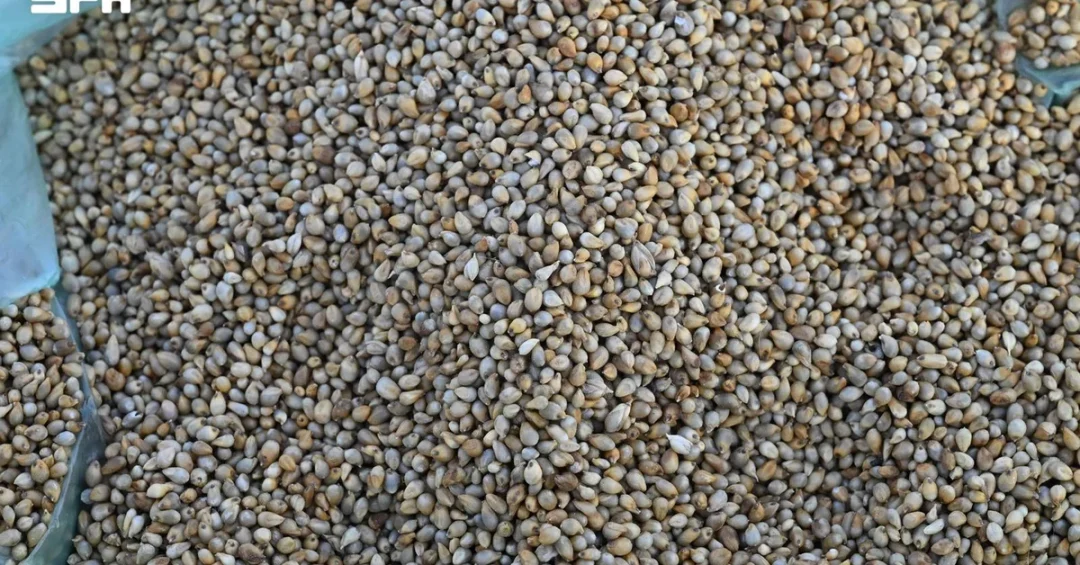
Millet cultivation in the Jazan region of southwestern Saudi Arabia has entered its seasonal cycle once again, with farmers sowing seeds across sandy fields that have sustained this traditional crop for generations, according to the Saudi Press Agency (SPA). The millet-growing season, which extends from mid-August to mid-February, spans three distinct local seasons known as Al-Khareef, Al-Makhrat, and Saudat, or the summer season, marking a rhythm of agricultural life that has remained largely unchanged for centuries in this fertile corner of the Kingdom.
Have you ever considered how a single grain can carry the memory of an entire region? In Jazan, millet is far more than a crop — it is a living archive of local knowledge, family cooperation, and a deep bond between people and the land they cultivate. The SPA report describes how each season the sight of seeds being sown returns, evoking an agricultural rhythm long embedded in local life. This year’s planting, carried out in sandy land that floodwaters do not reach, relies entirely on rainfall and the moisture retained in the soil, a method that reflects generations of accumulated wisdom about the region’s climate and terrain.
Context and Background
Why does a crop cultivated for centuries still matter in a rapidly modernizing Kingdom? The answer lies in the unique agricultural heritage of Jazan, a region whose geography and climate have shaped a distinctive farming culture. Unlike the irrigated plains of other Saudi regions, Jazan’s millet fields depend on the natural rhythm of the rains, particularly during the Al-Khareef and Al-Makhrat seasons. This rain-fed approach, known locally as reliance on soil moisture, has allowed farmers to cultivate millet without large-scale irrigation infrastructure, preserving a sustainable and low-impact method of food production that predates modern agricultural engineering.
The local millet belongs to the pearl millet species, and Jazan is home to around 21 distinct varieties, according to the SPA report. These varieties differ in head shape and length, grain size and color, and leaf texture — a biodiversity that reflects centuries of careful selection by local farmers. Each variety carries its own characteristics, adapted to specific microclimates and soil conditions within the region. This genetic richness is not merely a botanical curiosity; it represents a living seed bank that could prove invaluable for future food security and climate resilience efforts, both in Saudi Arabia and across similar arid environments globally.
What role does family cooperation play in sustaining this tradition? The SPA account makes clear that millet cultivation in Jazan has always been a collective endeavor. In the past, family members shared the fieldwork, with some staying behind to weed the fields and protect the crops from livestock while others sowed or monitored growth. They would then guard the millet heads against birds from the time the grains formed until harvest, reflecting a tradition of family cooperation passed down through generations as part of the local agricultural heritage. This communal approach not only ensured the survival of the crop but also strengthened social bonds and transferred practical knowledge from elders to younger generations.
Key Details of the Millet Season
How exactly does the millet growing cycle unfold across the Jazan landscape? Once the seeds are sown, crop care begins with protecting the seeds and seedlings from birds, monitoring stalk growth, and removing weeds with an iron tool that farmers use to cut them at soil level. This hands-on, labor-intensive approach requires patience and close observation of the fields. Farmers must remain vigilant throughout the early stages, as birds pose a significant threat to freshly sown seeds and emerging seedlings. The iron tool, a simple but effective implement, allows farmers to clear weeds without disturbing the young millet plants, a technique refined over countless seasons.
Millet heads appear about 45 days after planting, and the mature ones begin to be harvested after approximately three months, depending on the variety and planting date. This staggered timeline means that different fields may be at different stages of maturity simultaneously, requiring farmers to manage multiple plots with varying needs. The SPA report notes that farmers harvest the crop by hand in stages, as new branches bearing fresh heads grow from the leaf axils. This gradual harvesting method allows production to continue for about nine months when moisture and conditions allow, extending the availability of fresh grain well beyond a single harvest window.
What does this extended production cycle mean for local food systems? It means that millet is not merely a seasonal crop but a staple that can support households for much of the year. The ability to harvest in stages, combined with the storage properties of the grain, provides a reliable food source that bridges the gap between planting seasons. From the fields, millet grains make their way to local tables in traditional dishes, completing their journey from seeds entrusted to the soil to local foods that revive the flavors of the seasons. This farm-to-table journey is short in distance but rich in cultural meaning, connecting producers directly with consumers in a way that modern food supply chains often obscure.
International and Regional Impact
Why should the international community pay attention to millet cultivation in a single Saudi region? The answer lies in the global significance of millet as a climate-resilient crop. As climate change intensifies drought conditions across many parts of the world, millet’s ability to thrive in sandy, rain-fed soils with minimal inputs makes it a crop of growing international interest. The Food and Agriculture Organization of the United Nations has highlighted millet as a nutritious and adaptable grain, and Saudi Arabia’s preservation of 21 local varieties in Jazan contributes to the global genetic diversity that researchers and plant breeders rely upon.
Regionally, Jazan’s millet tradition strengthens the Kingdom’s position as a steward of agricultural heritage within the Gulf and the broader Middle East. While other countries in the region have seen traditional crops decline in the face of urbanization and imported staples, Saudi Arabia’s continued support for local agriculture — including millet — demonstrates a balanced approach to modernization that values both innovation and tradition. This approach aligns with the Kingdom’s broader commitment to food security, rural development, and the preservation of cultural identity, themes that resonate across the region and beyond.
Economic and Strategic Significance
How does millet contribute to Saudi Arabia’s economic and strategic goals? At the local level, millet cultivation supports rural livelihoods in Jazan, providing income for farming families and sustaining associated activities such as seed saving, tool-making, and food processing. The crop’s low input requirements — no irrigation, minimal purchased inputs — mean that even smallholder farmers can participate in the value chain, contributing to inclusive rural development. The SPA report’s emphasis on family cooperation and generational knowledge transfer underscores the social capital embedded in this agricultural system, which complements economic capital in building resilient communities.
Strategically, millet cultivation in Jazan is part of the Kingdom’s broader efforts to enhance food security and reduce reliance on imports. Saudi Arabia imports a significant proportion of its food, and promoting locally adapted crops like millet diversifies the domestic food base. The 21 local varieties represent a repository of traits — drought tolerance, pest resistance, nutritional density — that could be integrated into national food security strategies. As the Kingdom invests in agricultural technology and sustainable farming under Vision 2030, Jazan’s millet heritage offers a bridge between traditional knowledge and modern innovation, a foundation upon which new approaches can be built.
Vision 2030 Alignment
How does the preservation of millet cultivation in Jazan align with Saudi Vision 2030? The Vision’s goals include diversifying the economy, developing rural areas, and enhancing food security — all of which are directly supported by the continued cultivation of traditional crops like millet. The SPA report highlights a heritage deeply connected to local lives and renewed with each season, a description that resonates with the Vision’s emphasis on sustainability and cultural preservation. By maintaining millet cultivation, Jazan contributes to the Kingdom’s broader objectives of economic diversification and the empowerment of local communities.
Moreover, the millet tradition exemplifies the Vision’s focus on quality of life and national identity. As Saudi Arabia modernizes, it does so while honoring the practices and knowledge that have shaped its regions for generations. The farmers of Jazan, with their rain-fed fields and hand-harvested crops, are not relics of the past but active participants in the Kingdom’s future — custodians of a legacy that enriches the nation’s cultural and agricultural landscape. Their story remains a testament to an agricultural heritage deeply connected to local lives and renewed with each season, a living example of how tradition and progress can thrive together.
20 Questions
Q1. What is the main topic of this article?
A1. The article reports on millet cultivation in the Jazan region of Saudi Arabia, highlighting its seasonal cycle, traditional farming methods, local varieties, and its role as a generational agricultural legacy, based on a Saudi Press Agency report.
Q2. Where does millet cultivation take place in Saudi Arabia?
A2. Millet cultivation is concentrated in the Jazan region in southwestern Saudi Arabia, where sandy fields and rain-fed conditions support traditional farming practices that have been passed down through generations of local families.
Q3. When does the millet-growing season occur in Jazan?
A3. The millet-growing season extends from mid-August to mid-February, spanning three local seasons known as Al-Khareef, Al-Makhrat, and Saudat, or the summer season, according to the Saudi Press Agency report.
Q4. How is millet cultivated in Jazan?
A4. Millet is cultivated in sandy land that floodwaters do not reach, relying on rainfall and moisture retained in the soil. Farmers sow seeds, protect seedlings from birds, remove weeds, and harvest by hand in stages.
Q5. How many local millet varieties exist in Jazan?
A5. Jazan is home to around 21 varieties of pearl millet, which differ in head shape and length, grain size and color, and leaf texture, reflecting centuries of local selection and adaptation to the region’s conditions.
Q6. How long does millet take to mature?
A6. Millet heads appear about 45 days after planting, and mature heads begin to be harvested after approximately three months, depending on the variety and planting date, as reported by the Saudi Press Agency.
Q7. How long can millet production continue?
A7. Production can continue for about nine months when moisture and conditions allow, because farmers harvest in stages as new branches bearing fresh heads grow from the leaf axils, extending the harvest period.
Q8. What role does family cooperation play in millet farming?
A8. Family members share fieldwork, with some staying behind to weed the fields and protect crops from livestock, then guarding millet heads against birds from grain formation until harvest, reflecting a tradition of cooperation passed down through generations.
Q9. What tools are used in millet cultivation?
A9. Farmers use an iron tool to remove weeds by cutting them at soil level, a simple but effective implement that allows them to clear weeds without disturbing young millet plants, according to the SPA report.
Q10. What threats do millet crops face?
A10. Millet crops face threats from birds, which attack seeds and seedlings, and from livestock that may graze on the plants. Weeds also compete for soil moisture and nutrients, requiring regular removal by hand.
Q11. How does millet reach local tables?
A11. After harvest, millet grains are used in traditional dishes, completing their journey from seeds entrusted to the soil to local foods that revive the flavors of the seasons, connecting farmers directly with consumers in Jazan.
Q12. Why is millet important for food security?
A12. Millet is a climate-resilient crop that thrives in sandy, rain-fed soils with minimal inputs. Its cultivation diversifies Saudi Arabia’s domestic food base and reduces reliance on imports, supporting national food security goals.
Q13. What is pearl millet?
A13. Pearl millet is the species to which Jazan’s local millet belongs. It is known for its drought tolerance and nutritional value, and it is widely grown in arid and semi-arid regions around the world.
Q14. How does millet cultivation reflect Saudi heritage?
A14. Millet cultivation reflects Saudi heritage through its generational knowledge transfer, family cooperation, traditional tools, and rain-fed methods, all of which embody a deep bond between local communities and the land they have farmed for centuries.
Q15. What is the significance of the 21 local varieties?
A15. The 21 local varieties represent a living seed bank of genetic diversity, with traits such as drought tolerance and pest resistance that could prove valuable for future food security and climate resilience efforts in Saudi Arabia and beyond.
Q16. How does millet farming align with Vision 2030?
A16. Millet farming aligns with Vision 2030 by supporting rural development, enhancing food security, preserving cultural heritage, and promoting sustainable agriculture, all of which are key objectives of the Kingdom’s long-term transformation plan.
Q17. What seasons are associated with millet cultivation in Jazan?
A17. The millet-growing season spans three local seasons: Al-Khareef, Al-Makhrat, and Saudat, or the summer season. These seasons dictate the timing of sowing, care, and harvest in Jazan’s agricultural calendar.
Q18. How does millet cultivation benefit the local economy?
A18. Millet cultivation supports rural livelihoods by providing income for farming families and sustaining related activities such as seed saving, tool-making, and food processing, contributing to inclusive economic development in Jazan.
Q19. What makes Jazan’s millet farming unique?
A19. Jazan’s millet farming is unique because it relies entirely on rainfall and soil moisture in sandy fields, uses hand-harvesting in stages, and preserves 21 local varieties, reflecting a distinctive agricultural heritage adapted to the region’s climate.
Q20. What is the future outlook for millet in Jazan?
A20. The future outlook is positive, as continued support for traditional crops under Vision 2030, growing global interest in climate-resilient grains, and the dedication of local farmers ensure that Jazan’s millet legacy will endure for generations to come.
Reader Feedback
We value your thoughts. Please share your feedback on this article.
Your feedback helps us improve our coverage.