


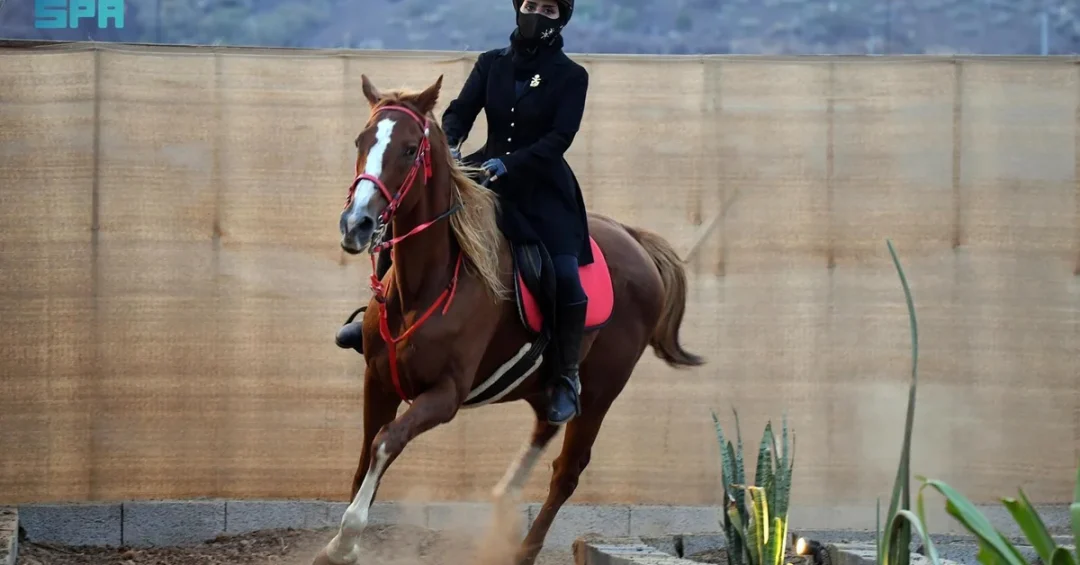
Horseback riding and target sports have emerged as standout attractions at the Muhayil festival in the Aseer region, drawing large crowds of families and children eager to try horseback riding, archery, and air rifle shooting, according to the Saudi Press Agency (SPA). The festival, held in Muhayil governorate about 80 kilometers northwest of Abha, forms part of the broader Muhayil Aseer winter program and combines entertainment, sports, and shopping in one of the Kingdom’s most scenic highland-to-coastal corridors. Certified trainers are on hand daily to introduce visitors to equestrian skills and target sports in a safe, supervised environment, reflecting the Kingdom’s wider push to expand recreational and sporting opportunities for all age groups. Have you ever wondered how a single seasonal festival can quietly reshape a region’s tourism identity?
The event reflects a growing pattern across Saudi Arabia, where seasonal festivals are no longer limited to entertainment but serve as platforms for skills development, youth engagement, and community participation. In Muhayil, the popularity of the horse stable and shooting ranges shows that visitors increasingly seek hands-on experiences rather than passive viewing. The Saudi Press Agency reported that the activities have drawn significant interest, particularly from children eager to try horseback riding and target shooting, underscoring how family-oriented programming can drive attendance and repeat visits. For a governorate positioning itself as a winter destination for residents of the cooler highlands, these offerings add a distinctive competitive edge.
Context and Background
Why has a modest festival in Aseer become a symbol of something larger in Saudi tourism? Muhayil governorate sits in the Tihama Aseer region, a fertile coastal plain that contrasts sharply with the rugged highlands around Abha. Its mild winter climate has long made it attractive to visitors from the cooler interior, and improved public services have accelerated its economic and tourism growth in recent years. The Muhayil Aseer winter program builds on this natural advantage, scheduling sports, cultural, and retail activities during the months when the region is at its most welcoming.
Equestrian and target sports occupy a special place in Saudi heritage. Horses have deep cultural significance in the Arabian Peninsula, and archery and marksmanship are recognized traditional skills. By placing these activities at the center of the festival, organizers connect contemporary leisure tourism with the Kingdom’s authentic identity. Horse riding instructor Salma Mohammed told the Saudi Press Agency that her lifelong passion for horses and subsequent training courses led her to become a qualified instructor for children, a personal journey that mirrors the festival’s emphasis on mentorship and skill transfer between generations.
Bandar Al Hilali, owner of the festival’s horse stable, said the aim is to show the significance of horses and enable the public to perform basic horseback riding and target shooting, instructed by certified trainers. His statement highlights a deliberate philosophy: the festival is not merely a spectacle but an educational gateway. Visitors leave with practical knowledge, and some may pursue the sports further through clubs and academies. That progression from casual participation to sustained engagement is exactly what Saudi sports and tourism planners hope to encourage nationwide.
Key Details
What exactly can visitors learn at the Muhayil festival? Horseback riding instruction focuses on balance, rein handling, calming techniques, and track riding, giving beginners a structured introduction to equestrian fundamentals. Archery training covers proper shooting methods and culminates in friendly competitions that add a spirit of camaraderie. Participants also learn the fundamentals of air rifle marksmanship under supervision. Each discipline is taught by certified trainers, ensuring safety and quality across age groups.
Salma Mohammed and other trainers teach those interested in how to handle horses and offer guided rides, making the experience accessible even to first-timers. The presence of a female instructor leading children’s training is notable in a festival setting that welcomes families, and it aligns with the broader expansion of women’s roles in Saudi sports and recreation. Children, in particular, have responded enthusiastically, forming queues for introductory rides and shooting sessions. The friendly competitions in archery give young participants a taste of structured sport, complete with rules, scoring, and the discipline of practice.
The festival itself offers entertainment, sports, and shopping, creating a multi-day draw that supports local vendors and service providers. Located 80 kilometers northwest of Abha, Muhayil is reachable for highland residents seeking warmer weather, while its position in Tihama Aseer gives it a distinct landscape and agricultural character. The combination of climate, accessibility, and programming explains why the horse riding and target sports zones have become focal points. Organizers say the activities are part of the Muhayil Aseer winter program, which coordinates events across the season to sustain visitor interest.
International and Regional Impact
How does a regional festival in Aseer connect to Saudi Arabia’s global tourism ambitions? The Kingdom’s tourism strategy aims to raise the sector’s contribution to gross domestic product and attract millions of international visitors, with heritage and nature experiences among the strongest draws. Aseer, often described as Saudi Arabia’s highland gem, is central to that effort. Events like the Muhayil festival showcase the diversity of experiences available beyond the major cities, from equestrian sports to traditional crafts and local cuisine. For international travelers, they offer an authentic window into Saudi culture.
Regionally, the festival strengthens domestic tourism by giving Saudi families compelling reasons to travel within the Kingdom rather than abroad. The mild winter climate of Tihama Aseer makes Muhayil a natural alternative to overseas winter destinations, and improved roads and public services have shortened travel times from Abha and other cities. This internal circulation of visitors supports small businesses, creates seasonal employment, and builds familiarity with lesser-known regions. It also complements the Asir Season and other Aseer initiatives that have raised the profile of the southwest. Have you considered how domestic travel habits can transform a regional economy over time?
Economic and Strategic Significance
Why do sports activities matter economically for a governorate like Muhayil? Festivals that combine sports with retail and entertainment generate spending across multiple sectors: hospitality, food services, transport, and local retail. The horse stable and shooting ranges require equipment, trainers, and maintenance, creating specialized roles that can grow into permanent businesses. As visitor numbers rise, demand increases for accommodations and restaurants, encouraging investment in services that benefit residents year-round. The Saudi Press Agency’s coverage of the event itself signals official recognition of its value as an economic and social asset.
Strategically, grassroots sports participation supports public health, youth development, and national pride. Equestrianism and archery are linked to Saudi heritage and to international competition, and exposing children to them at a festival can seed lifelong involvement. Certified instruction ensures that beginners learn correct techniques and safety practices from the start. The model also demonstrates how public and private actors can collaborate: a stable owner, freelance trainers, and festival organizers together deliver a program that would be difficult for any one party alone. That collaborative approach is increasingly common across Saudi seasonal events.
Vision 2030 Alignment
How does a winter festival in Muhayil advance Saudi Vision 2030? The Vision’s Quality of Life program seeks to increase participation in sports and recreation, diversify leisure options, and improve the Kingdom’s attractiveness as a destination. By offering horseback riding, archery, and air rifle training to the public, the Muhayil festival directly expands access to recreational sport in a region that is emerging as a tourism hub. It also supports economic diversification by stimulating local enterprise and showcasing Aseer’s potential to investors and visitors alike.
The festival’s success reflects the wider transformation of Saudi tourism, in which every region contributes distinctive assets. Muhayil’s combination of mild winter weather, improved services, and heritage-based activities positions it well within the national strategy. As trainers like Salma Mohammed pass on their skills and stable owners like Bandar Al Hilali open their facilities to the public, the event builds human capital alongside visitor numbers. For a Kingdom pursuing a diversified, vibrant future, such grassroots initiatives are not peripheral; they are the foundation. The Muhayil festival shows how tradition and modernity can ride together toward Vision 2030.
20 Questions
Q1. What is the Muhayil festival?
A1. The Muhayil festival is a seasonal event in Muhayil governorate, Aseer region, offering entertainment, sports, and shopping as part of the Muhayil Aseer winter program, according to the Saudi Press Agency.
Q2. Where is Muhayil governorate located?
A2. Muhayil governorate is in the Tihama Aseer region, about 80 kilometers northwest of Abha, and is known for its mild winter climate and growing tourism appeal.
Q3. Which activities are most popular at the festival?
A3. Horseback riding and target sports, including archery and air rifle shooting, are proving the most popular attractions, drawing significant interest especially from children.
Q4. Who is Salma Mohammed?
A4. Salma Mohammed is a horse riding instructor at the festival who told the Saudi Press Agency that her lifelong passion for horses and training courses led her to become a qualified instructor for children.
Q5. Who is Bandar Al Hilali?
A5. Bandar Al Hilali is the owner of the festival’s horse stable, who said the aim is to show the significance of horses and enable the public to learn basic horseback riding and target shooting.
Q6. What skills does horseback riding instruction cover?
A6. Instruction focuses on balance, rein handling, calming techniques, and track riding, taught by certified trainers in a safe and structured environment for beginners.
Q7. What does archery training include?
A7. Archery training covers proper shooting methods and culminates in friendly competitions, giving participants a structured and enjoyable introduction to the sport.
Q8. Are air rifles part of the festival activities?
A8. Yes, participants also learn the fundamentals of air rifle marksmanship under the supervision of certified trainers at the festival.
Q9. Why is the festival important for children?
A9. It gives children hands-on access to horseback riding and target sports, building confidence, discipline, and new skills in a family-friendly setting.
Q10. What makes Muhayil a desirable winter destination?
A10. Its mild winter climate and improved public services make it attractive to residents of the cooler highlands, supporting economic and tourism growth in the governorate.
Q11. How does the festival support the local economy?
A11. It generates spending in hospitality, retail, transport, and services, creates seasonal employment, and encourages investment in facilities that benefit the community year-round.
Q12. Is the festival part of a larger program?
A12. Yes, the activities are part of the Muhayil Aseer winter program, which coordinates seasonal events to sustain visitor interest across the region.
Q13. Who provides the training at the festival?
A13. Certified trainers, including Salma Mohammed and colleagues, provide instruction in horseback riding, archery, and air rifle marksmanship for visitors of various ages.
Q14. What is the significance of horses in Saudi culture?
A14. Horses hold deep cultural significance in the Arabian Peninsula, and showcasing them at the festival connects contemporary leisure tourism with the Kingdom’s authentic heritage.
Q15. How does the festival align with Vision 2030?
A15. It advances the Quality of Life program by expanding sports participation and leisure options, and supports economic diversification through tourism and local enterprise.
Q16. Can beginners participate safely?
A16. Yes, instruction is delivered by certified trainers with a focus on safety, proper technique, and gradual skill development for first-time participants.
Q17. What other attractions does the festival offer?
A17. Beyond sports, the festival offers entertainment and shopping, creating a multi-day experience that supports local vendors and service providers.
Q18. How accessible is Muhayil for visitors?
A18. Located 80 kilometers northwest of Abha, Muhayil is reachable for highland residents, and improved public services have shortened travel times and enhanced the visitor experience.
Q19. Does the festival include competitions?
A19. Yes, archery training culminates in friendly competitions that add camaraderie and give participants a taste of structured sport with rules and scoring.
Q20. What does the festival’s success indicate for Saudi tourism?
A20. It shows how regional festivals with heritage-based sports can attract visitors, support local economies, and contribute to the Kingdom’s diversified tourism strategy under Vision 2030.
Reader Feedback
We value your thoughts. Please share your feedback on this article.
Your feedback helps us improve our coverage.
Related articles
 Truffle Festival Starts Thursday in Qassim
 Uruq Bani Ma’arid: Saudi Arabia’s First Natural UNESCO Site
 British Explorer to Cross Saudi Arabia on Foot on January 1
 Dunes of Arabia Unveiled at Riyadh Season: Heritage and Adventure
 AlUla Celebrates Gulf Wildlife Day, Showcases Environmental Diversity
 Al-Majardah: Aseer’s Gem of Nature and Heritage