


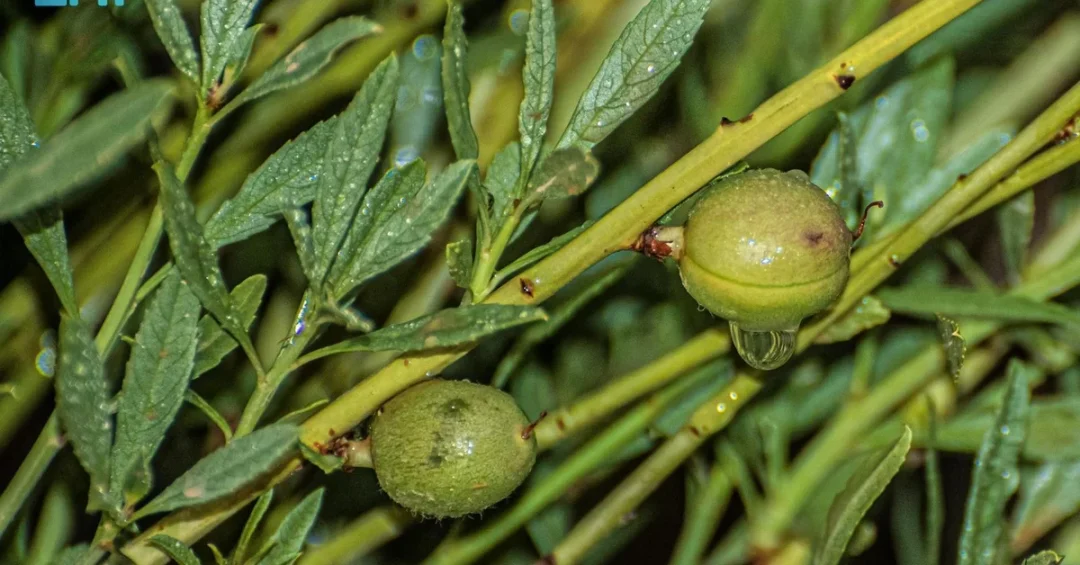
The Northern Borders Region of Saudi Arabia is experiencing a vibrant seasonal bloom of the bitter Arabian wild almond, Prunus arabica, a native plant whose emergence signals the onset of spring and highlights the Kingdom’s rich natural vegetation and scenic beauty. The phenomenon, reported by the Saudi Press Agency (SPA) on April 5, 2025, from the city of Arar, has transformed parts of the region into a landscape teeming with wildlife and renewed ecological activity. Experts note that the plant’s distribution has been observed across several natural locations in the Northern Borders, creating a striking visual display that underscores the environmental diversity of northern Saudi Arabia.
Have you ever wondered how a single native species can transform an entire desert landscape? The Arabian wild almond, a perennial plant belonging to the Rosaceae family, thrives in desert and semi-arid environments, growing up to two to three meters in height. Its small, almond-like fruits and oval, serrated, dark green leaves give it a distinctive visual appeal that contrasts with the rugged terrain. The plant’s ability to withstand drought and cold while flourishing in rocky, rugged terrain makes it a remarkable symbol of resilience, and its presence serves as a strong indicator of the health of the local ecosystem. This seasonal emergence is not merely a visual spectacle; it reflects the broader ecological vitality of the Northern Borders Region and the success of ongoing conservation efforts.
Context and Background
What makes the Arabian wild almond so uniquely adapted to Saudi Arabia’s northern landscapes? The plant, known scientifically as Prunus arabica, is a perennial species that has evolved to survive in some of the most challenging environmental conditions. It is found in desert and semi-arid zones, where water is scarce and temperatures can fluctuate dramatically between day and night. Its deep root system and small, leathery leaves help it conserve moisture, while its ability to tolerate both drought and cold allows it to persist through the harsh winter months. The Northern Borders Region, with its rocky, rugged terrain, provides an ideal habitat for this resilient species, and its seasonal bloom is a testament to the region’s ecological health.
The Arabian wild almond has long been part of the natural heritage of northern Saudi Arabia, though its presence is often overlooked until the spring bloom draws attention. According to official Saudi sources, the plant’s distribution has been observed in several natural locations across the region, where it contributes to the stability of local ecosystems. Its shrubs play a crucial role in stabilizing soil, preventing erosion, and providing habitats for small organisms. These ecological functions are vital in a region where desertification and land degradation are constant threats. By anchoring the soil with its root network, the plant helps maintain the integrity of the landscape and supports the broader web of life that depends on it.
In recent years, Saudi Arabia has intensified efforts to document and protect its native flora as part of a broader environmental strategy. The Northern Borders Region, which shares borders with Iraq and Jordan, is a key area for biodiversity conservation. The emergence of the Arabian wild almond each spring serves as a natural indicator of the success of these efforts, offering a visible sign that the region’s ecosystems remain functional and resilient. For international observers, this phenomenon provides a window into the Kingdom’s lesser-known natural landscapes, which extend far beyond the iconic deserts and urban centers.
Key Details
How does the Arabian wild almond contribute to the ecological balance of the Northern Borders Region? Experts describe the plant as a keystone species in its habitat, meaning its presence has a disproportionately large effect on the surrounding environment. Its small, almond-like fruits provide a food source for wildlife, while its dense shrubs offer shelter for small animals and insects. The plant’s oval, serrated, dark green leaves are not only visually appealing but also play a role in photosynthesis and nutrient cycling. During the spring bloom, the plant’s flowers attract pollinators, further enhancing local biodiversity. This complex web of interactions demonstrates the importance of preserving native species, as their loss can trigger cascading effects throughout the ecosystem.
The Arabian wild almond is remarkably resilient, capable of withstanding drought and cold while flourishing in rocky, rugged terrain. Its ability to grow in poor, stony soils where other plants struggle makes it a pioneer species that can colonize disturbed areas and prepare the ground for other vegetation. This characteristic is particularly valuable in the Northern Borders Region, where overgrazing and urban encroachment have degraded some natural areas. By reintroducing or protecting the plant, authorities can help restore degraded lands and enhance the region’s overall ecological resilience. The plant’s presence is therefore not just a seasonal curiosity but a vital component of the region’s natural infrastructure.
Despite its ecological value, the Arabian wild almond faces significant threats. Overgrazing by livestock, unregulated uprooting for firewood or medicinal use, and urban encroachment have all contributed to a decline in its numbers. In response, Saudi authorities have intensified conservation efforts, introducing protective regulations and legislation aimed at preventing extinction and safeguarding the region’s botanical heritage. These measures include designating protected areas, enforcing bans on uprooting, and promoting sustainable grazing practices. The success of these efforts is reflected in the vibrant blooms observed this spring, which indicate that the species is recovering in areas where protection is enforced.
International and Regional Impact
Why should the international community pay attention to the blooming of a wild almond in a remote Saudi region? The answer lies in the broader context of global environmental challenges. Desertification, climate change, and biodiversity loss are pressing issues worldwide, and Saudi Arabia’s efforts to conserve native species offer a model for other arid regions. The Arabian wild almond’s resilience and ecological role make it a valuable case study for scientists and conservationists. By sharing knowledge and best practices, the Kingdom contributes to international efforts to combat land degradation and preserve plant diversity. The seasonal bloom in the Northern Borders is thus a small but meaningful part of a global conversation about sustainability and environmental stewardship.
Regionally, the Northern Borders Region is part of a larger ecological corridor that stretches across the Arabian Peninsula. The plant’s presence in Saudi Arabia is mirrored in neighboring countries, where similar species face comparable threats. Collaborative conservation initiatives could enhance the protection of these shared natural resources. Saudi Arabia’s leadership in environmental protection, demonstrated through its national strategies and international commitments, positions it as a key player in regional conservation. The blooming of the Arabian wild almond is a reminder that nature knows no borders and that cooperative action is essential for preserving the region’s natural heritage for future generations.
Economic and Strategic Significance
Can a wild plant have economic value beyond its ecological role? For the Northern Borders Region, the Arabian wild almond offers potential benefits that align with Saudi Arabia’s economic diversification goals. The plant’s aesthetic appeal and seasonal bloom could support nature-based tourism, attracting visitors interested in ecotourism and photography. As the Kingdom develops its tourism sector under Vision 2030, unique natural phenomena like this bloom can become part of a broader portfolio of attractions. Local communities could benefit from guided tours, hospitality services, and the sale of handicrafts, creating jobs and income opportunities in rural areas. While the scale may be modest, such initiatives contribute to the diversification of local economies.
Strategically, the conservation of native species is an investment in environmental security. Healthy ecosystems provide essential services, such as soil stabilization, water filtration, and carbon sequestration, which are vital for sustainable development. The Arabian wild almond’s role in preventing erosion and maintaining soil health directly supports agricultural productivity and infrastructure stability in the Northern Borders Region. By protecting the plant, Saudi Arabia is safeguarding its natural capital and reducing the risks associated with land degradation. This approach is consistent with the Kingdom’s long-term vision of a resilient, diversified economy that values its environmental assets.
Vision 2030 Alignment
How does the protection of a wild almond tree connect to Saudi Arabia’s Vision 2030? The Vision, launched by Crown Prince Mohammed bin Salman, aims to diversify the economy, improve quality of life, and position the Kingdom as a global leader in sustainability. Environmental protection is a core component of this agenda, as reflected in initiatives like the Saudi Green Initiative and the Middle East Green Initiative, which target tree planting, habitat restoration, and climate action. The conservation of the Arabian wild almond supports these goals by preserving biodiversity, enhancing ecosystem services, and promoting the sustainable use of natural resources. It is a small but tangible example of how Vision 2030 translates into action on the ground.
Furthermore, the plant’s cultural and natural significance contributes to the Kingdom’s identity and heritage. By safeguarding native species, Saudi Arabia preserves its natural history for future generations and reinforces its commitment to environmental stewardship. The blooming of the Arabian wild almond in the Northern Borders is a symbol of hope and renewal, demonstrating that with proper care, even fragile desert ecosystems can thrive. As the Kingdom continues its journey toward a sustainable future, such natural spectacles will serve as reminders of the importance of balancing development with conservation. The wild almond’s vibrant presence is a testament to what can be achieved when nature and policy work in harmony.
20 Questions
Q1. What is the Arabian wild almond and where does it grow?
A1. The Arabian wild almond, Prunus arabica, is a perennial plant native to desert and semi-arid environments. It grows in several natural locations across Saudi Arabia’s Northern Borders Region, thriving in rocky, rugged terrain and withstanding drought and cold.
Q2. Why is the blooming of the Arabian wild almond significant?
A2. The bloom signals the onset of spring and indicates a healthy local ecosystem. It creates a vibrant natural landscape, supports wildlife, and demonstrates the success of conservation efforts in the Northern Borders Region.
Q3. What does the Arabian wild almond look like?
A3. It is a shrub or small tree growing up to two to three meters tall, with small, almond-like fruits and oval, serrated, dark green leaves. Its appearance adds distinctive visual appeal to the landscape.
Q4. How does the plant survive in harsh desert conditions?
A4. It is remarkably resilient, capable of withstanding drought and cold. Its deep root system and small leaves help conserve moisture, allowing it to flourish in rocky, rugged terrain where other plants struggle.
Q5. What ecological roles does the Arabian wild almond play?
A5. It stabilizes soil, prevents erosion, and provides habitats for small organisms. Its fruits serve as food for wildlife, and its flowers attract pollinators, contributing to local biodiversity and ecosystem health.
Q6. What threats does the Arabian wild almond face?
A6. It faces threats from overgrazing, unregulated uprooting, and urban encroachment. These activities have reduced its numbers in some areas, prompting authorities to introduce protective measures.
Q7. What conservation efforts are in place to protect the plant?
A7. Saudi authorities have intensified conservation efforts, introducing protective regulations and legislation to prevent extinction. These include bans on uprooting, protected areas, and promotion of sustainable grazing practices.
Q8. How does the plant indicate ecosystem health?
A8. Its presence and seasonal bloom serve as a strong indicator of the health of the local ecosystem. When the plant thrives, it suggests that soil, water, and biodiversity conditions are favorable.
Q9. Where is the Northern Borders Region located?
A9. The Northern Borders Region is in northern Saudi Arabia, bordering Iraq and Jordan. It is known for its desert landscapes, rocky terrain, and unique native flora such as the Arabian wild almond.
Q10. When does the Arabian wild almond bloom?
A10. It blooms in spring, typically around April, as reported by the Saudi Press Agency. The seasonal emergence marks the onset of spring and transforms the landscape with vibrant colors.
Q11. Is the Arabian wild almond related to cultivated almonds?
A11. Yes, it belongs to the Rosaceae family, which includes cultivated almonds, peaches, and plums. However, Prunus arabica is a wild species adapted to arid environments and produces small, bitter fruits.
Q12. What is the scientific name of the Arabian wild almond?
A12. The scientific name is Prunus arabica. It is also known as the bitter Arabian wild almond, reflecting the taste of its small fruits, which are not typically consumed by humans.
Q13. How does the plant help prevent soil erosion?
A13. Its root system anchors the soil, reducing the risk of erosion by wind and water. This is particularly important in the Northern Borders Region, where fragile desert soils are vulnerable to degradation.
Q14. What wildlife benefits from the Arabian wild almond?
A14. Small animals, insects, and birds benefit from its fruits, flowers, and dense shrubs. It provides food and shelter, supporting a diverse community of organisms in an otherwise harsh environment.
Q15. Can the Arabian wild almond be used for economic purposes?
A15. Its aesthetic appeal and seasonal bloom could support nature-based tourism, such as ecotourism and photography. This aligns with Saudi Arabia’s Vision 2030 goals of economic diversification and sustainable development.
Q16. How does the plant connect to Saudi Vision 2030?
A16. Its conservation supports the Saudi Green Initiative and Middle East Green Initiative, which aim to plant trees, restore habitats, and combat climate change. It reflects the Vision’s commitment to environmental sustainability.
Q17. What is the role of the Saudi Press Agency in reporting this?
A17. The Saudi Press Agency (SPA) is the official news agency of Saudi Arabia. It reported the blooming of the Arabian wild almond on April 5, 2025, providing authoritative information on the phenomenon.
Q18. Are there similar plants in other parts of Saudi Arabia?
A18. Yes, the Arabian wild almond is found in several natural locations across the Northern Borders Region. Similar native species may exist in other regions, contributing to the Kingdom’s rich botanical diversity.
Q19. What can international readers learn from this phenomenon?
A19. It highlights Saudi Arabia’s lesser-known natural beauty and its efforts to conserve biodiversity. It also demonstrates how native species can thrive with protection, offering lessons for arid regions worldwide.
Q20. What is the future outlook for the Arabian wild almond?
A20. With continued conservation efforts and protective regulations, the future looks positive. The vibrant blooms observed this spring suggest that the species is recovering, and its preservation will contribute to the region’s ecological and cultural heritage.
Reader Feedback
We value your thoughts. Please share your feedback on this article.
Your feedback helps us improve our coverage.
Related articles
 King Abdulaziz University to Host Digital Communication Conference
 HCI Conference Unveils 300 Global Speakers for Riyadh Event
 Saudi Virtual Notary Public Surpasses 1.4 Million Transactions
 Riyadh to Host Global Project Management Forum in May
 Madinah Heavy Rain Alert Issued by Saudi Meteorology Center
 Algerian Finance Minister Receives IsDB President