


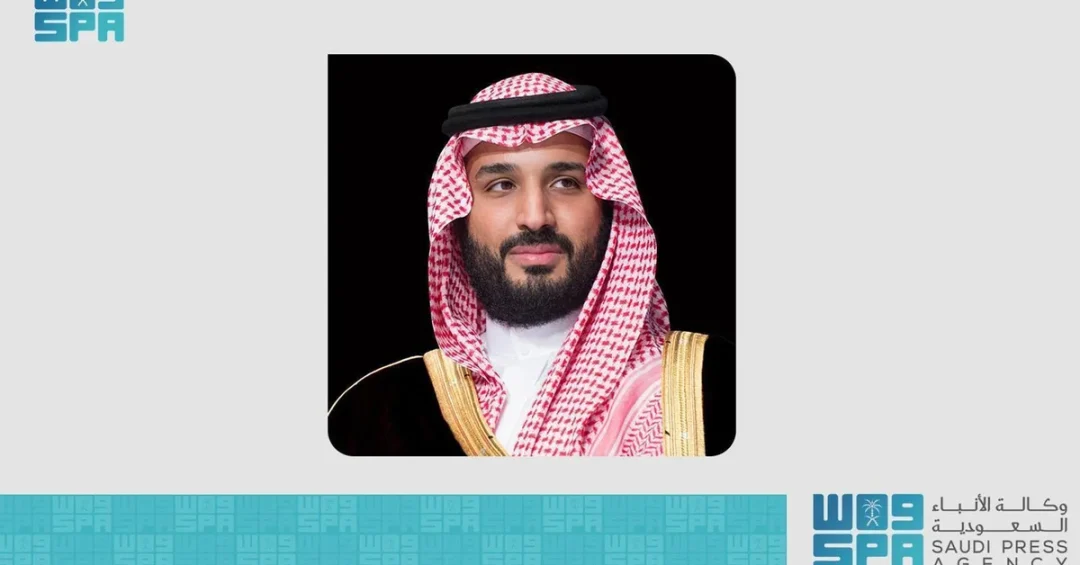
His Royal Highness Prince Mohammed bin Salman bin Abdulaziz Al Saud, Crown Prince and Prime Minister of the Kingdom of Saudi Arabia, has sent a formal cable of condolence to Droupadi Murmu, President of the Republic of India, following the death of former Indian Prime Minister Dr. Manmohan Singh. The message, released through the Saudi Press Agency on December 29, 2024, conveyed the Kingdom’s deepest condolences and sincere sympathy to the Indian President and to the family of the late leader. The cable reflects the enduring diplomatic ties between Riyadh and New Delhi and underscores the Kingdom’s commitment to respectful engagement with global partners during moments of national mourning.
The condolence message was dispatched from Riyadh and formally communicated through official Saudi channels, highlighting the Crown Prince’s personal attention to a relationship that has grown significantly in recent years. Dr. Manmohan Singh, who served as India’s Prime Minister from 2004 to 2014, is remembered internationally as an economist and statesman whose tenure saw important shifts in India’s global economic posture. For Saudi Arabia, the gesture carries weight beyond protocol: it signals continuity in a partnership that spans energy, trade, investment, and the wellbeing of a vast Indian diaspora in the Kingdom. How does a simple message of condolence reflect the depth of a strategic partnership? In diplomacy, such gestures often speak louder than lengthy communiqués.
Context and Background
Dr. Manmohan Singh’s death marks the passing of a figure whose influence extended well beyond India’s borders. As Prime Minister, he presided over a period of sustained economic growth and pursued policies that opened India further to global markets. His leadership era also coincided with the early groundwork of closer Gulf engagement, including with Saudi Arabia. The Kingdom and India have historically maintained cordial relations, but the past decade has witnessed an acceleration of cooperation under Saudi Vision 2030 and India’s own economic ambitions. The Crown Prince’s condolence cable therefore arrives within a framework of deepening ties rather than a standing diplomatic formality.
The message was sent on behalf of the Kingdom’s leadership and communicated via the Saudi Press Agency, the official state news authority. This method of release ensures transparency and allows international audiences to observe the Kingdom’s diplomatic posture in real time. Saudi Arabia frequently uses such cables to express solidarity with friendly nations, and the timing—within hours of the news—demonstrates the priority Riyadh assigns to its relationship with New Delhi. What does this prompt response reveal about Saudi diplomacy? It illustrates a leadership style that values personal outreach and timely communication.
India is home to one of the world’s largest Muslim populations and hosts a significant community with longstanding ties to the Arabian Peninsula. The historical connections between the two regions stretch back centuries through trade, pilgrimage, and cultural exchange. In recent years, those ties have been reinforced by high-level visits, joint commissions, and agreements in sectors ranging from energy to technology. The condolence cable is a small but meaningful thread in this larger tapestry, reaffirming that Saudi Arabia views India as a key partner in Asia and beyond.
Key Details of the Condolence Message
According to the Saudi Press Agency, the cable was addressed directly to President Droupadi Murmu and extended “deepest condolences and sincere sympathy” to her and to the family of Dr. Manmohan Singh. The wording follows established diplomatic norms while carrying a personal tone characteristic of Crown Prince Mohammed bin Salman’s communications with foreign leaders. The message did not include policy announcements or requests; it was a purely humanitarian and diplomatic gesture, consistent with Saudi Arabia’s practice of honoring the passing of prominent international figures.
Dr. Manmohan Singh is widely credited with steering India through a period of economic liberalization as Finance Minister in the early 1990s before becoming Prime Minister. His legacy includes a focus on inclusive growth and international engagement. In Saudi Arabia, he is remembered as a leader who valued stability and dialogue. The Crown Prince’s message acknowledged this legacy implicitly by addressing the President and the family with respect and warmth. What does such recognition mean for bilateral relations? It reinforces a foundation of mutual respect that enables practical cooperation to flourish.
The cable was released at 00:44 local time in Riyadh, according to the SPA timestamp, indicating that the Kingdom’s diplomatic machinery operates around the clock. The rapid issuance of the message also allowed Saudi and international media to report the gesture promptly, ensuring that audiences in both countries received a clear signal of solidarity. The Saudi Press Agency is the primary official channel for such announcements, and its distribution of the cable ensures that the content is verifiable and attributed.
International and Regional Impact
In the broader international context, Saudi Arabia’s condolence message is part of a pattern of active diplomacy that has characterized the Kingdom’s foreign policy in recent years. Riyadh has sought to strengthen ties across Asia, Europe, and the Americas, and its relationship with India is a cornerstone of that outreach. India is a major energy consumer and a growing source of technology and skilled labor, while Saudi Arabia is a leading oil supplier and a gateway to the Middle East. The two countries share an interest in regional stability, counterterrorism, and economic diversification.
Regional observers note that the message also carries symbolic weight at a time when the Gulf region is navigating complex geopolitical currents. By promptly honoring Dr. Manmohan Singh, Saudi Arabia reaffirms its commitment to diplomatic courtesy and to maintaining open channels with all major powers. This approach aligns with the Kingdom’s broader strategy of de-escalation and constructive engagement. How do such gestures influence regional perceptions? They contribute to an image of Saudi Arabia as a responsible and reliable international actor.
For India, the loss of a former Prime Minister is a moment of national reflection. Expressions of sympathy from global leaders, including from the Kingdom, are acknowledged in Indian media and by officials. The Saudi message is likely to be received positively by the Indian public and government, further solidifying goodwill that supports ongoing collaboration in areas such as energy, health, and education. The Indian diaspora in Saudi Arabia, numbering in the millions, serves as a living bridge between the two societies, and such diplomatic gestures resonate with them as well.
Economic and Strategic Significance
The Saudi-Indian relationship is underpinned by robust economic ties. India is among Saudi Arabia’s top trading partners, and bilateral trade has expanded across sectors including crude oil, petrochemicals, fertilizers, and remittances. Saudi Aramco has invested in Indian refining projects, and Indian companies have participated in Saudi infrastructure and technology initiatives. The Crown Prince’s condolence message, while non-economic in nature, helps sustain the positive political atmosphere that facilitates these commercial interactions.
Strategically, the Kingdom views India as a key partner in its Vision 2030 diversification agenda. Indian expertise in information technology, pharmaceuticals, and renewable energy aligns with Saudi priorities. Moreover, the two nations cooperate on maritime security and counter-piracy efforts in the Indian Ocean region. The condolence cable is a reminder that diplomacy and economics are intertwined: a respectful gesture today can pave the way for smoother negotiations tomorrow. What role does personal diplomacy play in this context? It builds trust that can be leveraged during high-stakes discussions.
Additionally, the message highlights Saudi Arabia’s growing role as a bridge between the Global South and the industrialized world. By reaching out to India, the Kingdom demonstrates its capacity to maintain balanced relationships across different geopolitical blocs. This positioning is central to Saudi foreign policy under the leadership of the Custodian of the Two Holy Mosques, King Salman bin Abdulaziz Al Saud, and Crown Prince Mohammed bin Salman.
Vision 2030 Alignment
Saudi Vision 2030 is a comprehensive blueprint for economic and social transformation, and its international dimension emphasizes partnerships that drive mutual prosperity. The Crown Prince’s condolence message to India reflects the human and diplomatic face of that vision. By maintaining strong ties with India, the Kingdom supports goals related to trade diversification, knowledge exchange, and cultural understanding. Vision 2030 also seeks to position Saudi Arabia as a hub connecting Asia, Africa, and Europe, and India is a vital node in that network.
Furthermore, the message underscores the values of respect and compassion that Saudi leadership consistently demonstrates on the world stage. These values are integral to the Kingdom’s soft power and its ability to convene global events, attract investment, and foster people-to-people ties. As Saudi Arabia continues its journey toward a diversified, knowledge-based economy, relationships with nations like India will only grow in importance. The condolence cable, though brief, is a meaningful affirmation of a partnership that looks toward a shared future. In a world of shifting alliances, such gestures remind us that diplomacy is built on both interests and empathy.
20 Questions
Q1. Who sent the condolence message to India’s President?
A1. His Royal Highness Prince Mohammed bin Salman bin Abdulaziz Al Saud, Crown Prince and Prime Minister of Saudi Arabia, sent the cable to President Droupadi Murmu.
Q2. Who was Dr. Manmohan Singh?
A2. Dr. Manmohan Singh was a former Prime Minister of India, serving from 2004 to 2014, and is remembered as a key architect of India’s economic liberalization.
Q3. When was the condolence message released?
A3. The Saudi Press Agency released the message on December 29, 2024, at 00:44 local time in Riyadh, according to the official timestamp.
Q4. What did the Crown Prince express in the cable?
A4. He expressed his deepest condolences and sincere sympathy to President Droupadi Murmu and to the family of the deceased former Prime Minister.
Q5. Why is this message significant for Saudi-India relations?
A5. It reflects the strong diplomatic ties between the two nations and reinforces goodwill that supports cooperation in energy, trade, and regional stability.
Q6. How does this gesture align with Saudi Vision 2030?
A6. It supports Vision 2030’s international partnership goals by strengthening relationships with key Asian economies and promoting mutual prosperity.
Q7. What was Dr. Manmohan Singh’s legacy in India?
A7. He is credited with economic reforms that opened India to global markets and with fostering inclusive growth during his tenure as Prime Minister.
Q8. How did the Saudi Press Agency report the message?
A8. The SPA, the official Saudi news authority, released the cable in full, ensuring transparency and allowing international media to verify the content.
Q9. What is the significance of the timing of the message?
A9. The prompt issuance within hours of the news demonstrates Saudi Arabia’s prioritization of its relationship with India and its active diplomatic engagement.
Q10. How might India respond to the condolence message?
A10. India is likely to receive the message positively, as it reflects respect for a former leader and reinforces the friendly ties between the two countries.
Q11. What are the key areas of Saudi-India cooperation?
A11. Key areas include energy, trade, investment, technology, health, and counterterrorism, with growing people-to-people ties through the Indian diaspora.
Q12. How does this message reflect Saudi Arabia’s foreign policy?
A12. It exemplifies the Kingdom’s policy of constructive engagement, de-escalation, and maintaining balanced relationships with major global powers.
Q13. What role does the Indian diaspora play in Saudi-India relations?
A13. The large Indian community in Saudi Arabia serves as a living bridge, contributing to economic ties and cultural exchange between the two nations.
Q14. Did the message include any policy announcements?
A14. No, the cable was a purely diplomatic and humanitarian gesture, consistent with Saudi Arabia’s practice of honoring prominent international figures.
Q15. How does this event relate to Saudi Arabia’s global role?
A15. It reinforces Saudi Arabia’s image as a responsible international actor that values diplomacy and maintains strong ties across different regions.
Q16. What economic ties exist between Saudi Arabia and India?
A16. India is a top trading partner for Saudi Arabia, with significant collaboration in oil, petrochemicals, remittances, and joint investments.
Q17. How does the Crown Prince’s personal diplomacy benefit Saudi Arabia?
A17. Personal outreach builds trust and goodwill, which can facilitate smoother negotiations and stronger partnerships in economic and strategic matters.
Q18. What is the historical context of Saudi-India relations?
A18. The two countries have centuries-old ties through trade and pilgrimage, which have been strengthened in recent decades by high-level visits and agreements.
Q19. How might this message impact future Saudi-India cooperation?
A19. It is likely to enhance goodwill and sustain a positive atmosphere, supporting ongoing collaboration in various sectors and new initiatives.
Q20. What values does Saudi Arabia demonstrate through such condolences?
A20. Saudi Arabia demonstrates respect, compassion, and a commitment to international solidarity, reflecting the leadership’s principled approach to global affairs.
Reader Feedback
We value your thoughts. Please share your feedback on this article.
Your feedback helps us improve our coverage.
Related articles
 King Salman Condoles India’s President on Manmohan Singh’s Death
 South Korea Plane Crash Death Toll Rises to 120
 Saudi Arabia Weather Forecast for Sunday: Rain and Cooler Temperatures
 Arab League Condemns Burning of Kamal Adwan Hospital in Gaza
 NWC Completes SAR86 Million Water Project in Jazan
 Saudi Media Forum Launches SAUDI MIB AI Bootcamp