


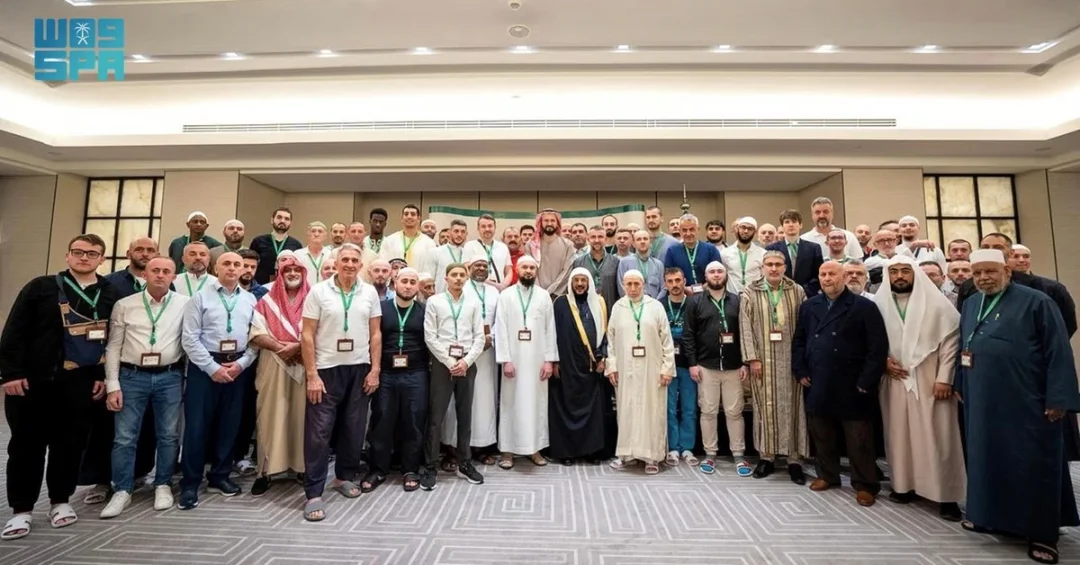
Guests of the Custodian of the Two Holy Mosques Program for Umrah and Visit have expressed deep gratitude to Custodian of the Two Holy Mosques King Salman bin Abdulaziz Al Saud and HRH the Crown Prince for facilitating their spiritual journeys, according to an official announcement released via the Saudi Press Agency (SPA) on December 27, 2024. The program, implemented by the Ministry of Islamic Affairs, Dawah, and Guidance, welcomed Islamic figures from Bosnia, Spain, Greece, and other nations, enabling them to perform Umrah rituals and visit the Two Holy Mosques in Makkah and Madinah, as well as significant historical landmarks. The guests praised the Kingdom’s exceptional hospitality and meticulous organization, underscoring Saudi Arabia’s enduring commitment to serving Islam and Muslims worldwide. Their testimonials reflect the program’s success in fostering Islamic brotherhood and integration among diverse communities.
Have you ever considered how a single initiative can bridge continents and unite hearts in worship? The Guests of the Custodian of the Two Holy Mosques Program stands as a testament to Saudi Arabia’s visionary leadership in facilitating pilgrimage and promoting moderate Islamic values. By hosting influential religious leaders, scholars, and officials, the program not only fulfills spiritual aspirations but also strengthens diplomatic and cultural ties. This year’s edition, marked by heartfelt commendations from international guests, highlights the Kingdom’s unwavering dedication to the comfort of Umrah performers and visitors. It is a clear reflection of the nation’s foundational role as the custodian of Islam’s holiest sites and its broader mission to serve Muslims globally.
Context and Background
How did this program come to symbolize Saudi Arabia’s global religious leadership? The Guests of the Custodian of the Two Holy Mosques Program for Umrah and Visit is a longstanding initiative by the Ministry of Islamic Affairs, Dawah, and Guidance, designed to host distinguished Islamic personalities from around the world. It aligns with the Kingdom’s historic responsibility to care for the Two Holy Mosques and ensure that pilgrims can perform their rites with ease and comfort. Over the years, the program has welcomed thousands of guests, including imams, preachers, academics, and government officials, offering them a unique opportunity to experience the spiritual and historical richness of Makkah and Madinah. This initiative is part of a broader strategy to promote moderate Islam, counter extremism, and foster a positive image of Saudi Arabia as a beacon of Islamic unity and hospitality.
The program’s origins trace back to the era of the late King Abdulaziz and have evolved under successive Saudi leaders, with a particular emphasis on modernization and efficiency under Vision 2030. By facilitating visits to key historical sites such as the Cave of Hira and the Quba Mosque, the initiative provides guests with a comprehensive understanding of Islamic heritage. It also serves as a platform for dialogue, enabling participants to exchange insights and build networks that transcend national boundaries. The Ministry of Islamic Affairs, Dawah, and Guidance meticulously coordinates every aspect, from travel logistics to accommodation, ensuring that guests’ needs are fully met. This attention to detail has earned widespread acclaim, reinforcing Saudi Arabia’s reputation as a gracious host and a pivotal player in the global Muslim community.
What drives the Kingdom to extend such generous hospitality year after year? The answer lies in Saudi Arabia’s unwavering commitment to Islamic solidarity and its desire to support Muslims in fulfilling one of the five pillars of Islam. The program is not merely a logistical exercise but a spiritual journey that deepens guests’ connection to their faith and to the Kingdom. It also reflects the leadership’s belief that serving pilgrims is a sacred duty and a privilege. By hosting influential figures, Saudi Arabia amplifies its soft power and promotes a message of peace, tolerance, and moderation. This approach has been particularly effective in countering negative narratives and showcasing the Kingdom’s progress in enhancing the pilgrimage experience for millions worldwide.
Key Details
Which voices rose to commend the program, and what did they say? Director of the Office of the Bosnian Minister of Foreign Affairs Zlatan Burzić praised the Ministry of Islamic Affairs, Dawah, and Guidance for its outstanding hospitality, well-organized arrangements, and fulfillment of all the guests’ needs. He commended the program’s role in fostering communication and integration among Islamic figures from diverse countries. “The Kingdom is making significant efforts to serve the Two Holy Mosques and the holy sites, ensuring Umrah performers can perform their rites with ease and comfort,” Burzić stated. His remarks highlight the program’s diplomatic impact, as it brings together officials from various nations to share experiences and strengthen ties under the umbrella of faith.
Similarly, Imam and Preacher of King Fahd Mosque at the Islamic Center in Malaga, Spain, Dr. Omar bin Saleh Al-Farooq highlighted the hosting program as part of Saudi Arabia’s broader efforts to serve Islam and Muslims. He emphasized how the initiative reflected Islamic brotherhood, as evidenced by the joy and happiness seen on the guests’ faces. Dr. Al-Farooq’s testimony underscores the emotional and spiritual fulfillment that participants experience, which in turn reinforces their role as ambassadors of goodwill in their home countries. The program’s ability to touch hearts and minds is a testament to its thoughtful design and execution.
Head of Islamic Endowments in Greece Khalil Hussein Karadi lauded the program as a genuine embodiment of the Kingdom’s care and attention to the needs of Muslims worldwide. He remarked that this attention extends beyond hospitality, aiming to achieve the objectives of Islamic law and remove barriers for pilgrims performing rituals and visiting the Two Holy Mosques. Karadi’s perspective sheds light on the program’s alignment with Sharia principles, emphasizing that Saudi Arabia’s efforts are rooted in a deep understanding of religious obligations and a desire to facilitate them. These commendations collectively paint a picture of a program that excels in both operational efficiency and spiritual significance.
International and Regional Impact
What ripple effects does such a program generate across the Islamic world? The Guests of the Custodian of the Two Holy Mosques Program has far-reaching implications for international relations and Islamic cooperation. By hosting figures from Bosnia, Spain, Greece, and beyond, Saudi Arabia strengthens people-to-people ties and builds bridges of understanding. These guests often return to their communities with enhanced knowledge and positive impressions, becoming informal ambassadors for the Kingdom. This soft diplomacy complements Saudi Arabia’s official foreign policy, which prioritizes Muslim unity and dialogue. In a world often divided by sectarian and political differences, the program serves as a unifying force, reminding Muslims of their shared heritage and common goals.
Regionally, the initiative reinforces Saudi Arabia’s leadership role in the Middle East and the broader Muslim world. It demonstrates that the Kingdom is not only a custodian of holy sites but also a proactive partner in addressing the spiritual and practical needs of Muslims. By facilitating Umrah for influential individuals, Saudi Arabia fosters goodwill that can translate into support for its initiatives on issues like counter-terrorism and moderate Islam. Moreover, the program’s success contributes to the stability and prosperity of the region by promoting a narrative of peace and cooperation. As guests share their experiences, they help counter misinformation and present a balanced view of Saudi Arabia’s efforts.
Economic and Strategic Significance
How does this program intersect with Saudi Arabia’s economic and strategic goals? While the Guests of the Custodian of the Two Holy Mosques Program is primarily a religious and diplomatic endeavor, it also has economic undertones. By showcasing the Kingdom’s world-class infrastructure and services, it indirectly promotes tourism and investment. Guests experience the ongoing expansion of the Two Holy Mosques and the modernization of pilgrimage facilities, which are part of Vision 2030’s goal to accommodate more pilgrims and diversify the economy. Their positive testimonials can attract more visitors and investors, contributing to the growth of the Umrah and Hajj sectors, which are key non-oil revenue streams.
Strategically, the program enhances Saudi Arabia’s soft power and reinforces its position as the heart of the Islamic world. It supports the Kingdom’s efforts to combat extremism by promoting moderate religious discourse and providing a platform for scholars to exchange ideas. This aligns with the objectives of Vision 2030, which seeks to foster a vibrant society, a thriving economy, and an ambitious nation. By investing in such initiatives, Saudi Arabia demonstrates that its leadership extends beyond material wealth to encompass spiritual and moral guidance. The program also strengthens ties with countries whose Muslim populations look to the Kingdom for religious leadership, thereby enhancing diplomatic leverage.
Vision 2030 Alignment
In what ways does this initiative embody the spirit of Vision 2030? The Guests of the Custodian of the Two Holy Mosques Program is a clear reflection of Vision 2030’s emphasis on serving pilgrims and enhancing the Kingdom’s role as a global leader. Vision 2030 aims to increase the number of Umrah performers to 30 million by 2030, and programs like this contribute to that goal by improving the pilgrimage experience and showcasing Saudi Arabia’s capabilities. Furthermore, the initiative supports the vision’s social and cultural objectives by promoting Islamic values, tolerance, and dialogue. It also aligns with the economic diversification agenda by stimulating the pilgrimage economy and creating opportunities for businesses and service providers.
Ultimately, the program underscores Saudi Arabia’s commitment to its sacred duty as the custodian of the Two Holy Mosques and its determination to share the blessings of this role with Muslims worldwide. Under the leadership of King Salman and HRH the Crown Prince, the Kingdom continues to invest in initiatives that uplift the global Muslim community and foster unity. As the guests’ heartfelt praise demonstrates, these efforts are bearing fruit, creating lasting memories and strengthening bonds of faith. The program is not just a visit; it is a journey of spiritual enrichment and a testament to Saudi Arabia’s enduring legacy of service and hospitality.
20 Questions
Q1. What is the Guests of the Custodian of the Two Holy Mosques Program?
A1. It is an initiative by the Ministry of Islamic Affairs, Dawah, and Guidance that hosts distinguished Islamic figures from around the world to perform Umrah and visit the Two Holy Mosques and historical sites in Makkah and Madinah.
Q2. Who expressed gratitude to King Salman and the Crown Prince?
A2. Guests of the program, including Zlatan Burzić from Bosnia, Dr. Omar bin Saleh Al-Farooq from Spain, and Khalil Hussein Karadi from Greece, expressed their gratitude for the facilitation of their spiritual journeys.
Q3. What did Zlatan Burzić praise about the program?
A3. He praised the Ministry of Islamic Affairs, Dawah, and Guidance for its outstanding hospitality, well-organized arrangements, and fulfillment of guests’ needs, and commended the program’s role in fostering communication among Islamic figures.
Q4. How did Dr. Omar bin Saleh Al-Farooq describe the program?
A4. He highlighted it as part of Saudi Arabia’s broader efforts to serve Islam and Muslims, emphasizing that it reflected Islamic brotherhood, as evidenced by the joy on the guests’ faces.
Q5. What did Khalil Hussein Karadi say about the Kingdom’s attention?
A5. He lauded the program as a genuine embodiment of the Kingdom’s care for Muslims worldwide, noting that this attention aims to achieve the objectives of Islamic law and remove barriers for pilgrims.
Q6. When was the announcement made?
A6. The Saudi Press Agency released the announcement on December 27, 2024, highlighting the guests’ praise for the program’s services.
Q7. Which countries did the guests come from?
A7. The guests mentioned in the announcement came from Bosnia, Spain, and Greece, representing a diverse group of Islamic figures from different nations.
Q8. What is the role of the Ministry of Islamic Affairs, Dawah, and Guidance?
A8. The ministry implements the program, overseeing all logistics and hospitality to ensure guests can perform Umrah and visit holy sites with ease and comfort.
Q9. How does the program foster Islamic brotherhood?
A9. By bringing together Islamic figures from various countries, the program creates opportunities for communication, integration, and shared spiritual experiences, strengthening bonds among Muslims globally.
Q10. What historical landmarks do guests visit?
A10. Guests visit prominent historical landmarks in Makkah and Madinah, such as the Cave of Hira and the Quba Mosque, enriching their understanding of Islamic heritage.
Q11. How does the program align with Vision 2030?
A11. It supports Vision 2030’s goal to enhance the pilgrimage experience and increase Umrah performers, while promoting moderate Islam and showcasing Saudi Arabia’s capabilities.
Q12. What impact does the program have on international relations?
A12. It strengthens people-to-people ties and builds bridges of understanding, as guests return to their communities as informal ambassadors for the Kingdom, promoting goodwill and cooperation.
Q13. Why is the program important for Saudi Arabia’s soft power?
A13. It reinforces Saudi Arabia’s leadership in the Islamic world and demonstrates its commitment to serving Muslims, enhancing its diplomatic leverage and countering negative narratives.
Q14. What economic benefits does the program bring?
A14. It indirectly promotes tourism and investment by showcasing Saudi Arabia’s infrastructure and modernization, contributing to the growth of the pilgrimage economy and non-oil revenue streams.
Q15. How does the program counter extremism?
A15. By promoting moderate religious discourse and providing a platform for scholars to exchange ideas, it supports Saudi Arabia’s efforts to combat extremism and foster tolerance.
Q16. What did the guests say about the Kingdom’s efforts?
A16. They praised the significant efforts to serve the Two Holy Mosques and holy sites, ensuring Umrah performers can perform their rites with ease and comfort, and acknowledged the Kingdom’s care for Muslims worldwide.
Q17. How many guests does the program host annually?
A17. The program hosts thousands of guests annually, including imams, preachers, academics, and officials, selected from various countries to participate in this spiritual journey.
Q18. What is the significance of the program’s timing?
A18. The announcement in December 2024 reflects the program’s continuous operation and its role in concluding the year with positive engagement, reinforcing Saudi Arabia’s dedication to serving Islam.
Q19. How does the program support Islamic law objectives?
A19. It aims to remove barriers for pilgrims, enabling them to fulfill their religious obligations, which aligns with the objectives of Islamic law to facilitate worship and promote unity.
Q20. What does the future hold for this program?
A20. Under Vision 2030, the program is expected to expand, welcoming more guests and further enhancing Saudi Arabia’s role as a global leader in serving Islam and Muslims.
Reader Feedback
We value your thoughts. Please share your feedback on this article.
Your feedback helps us improve our coverage.