


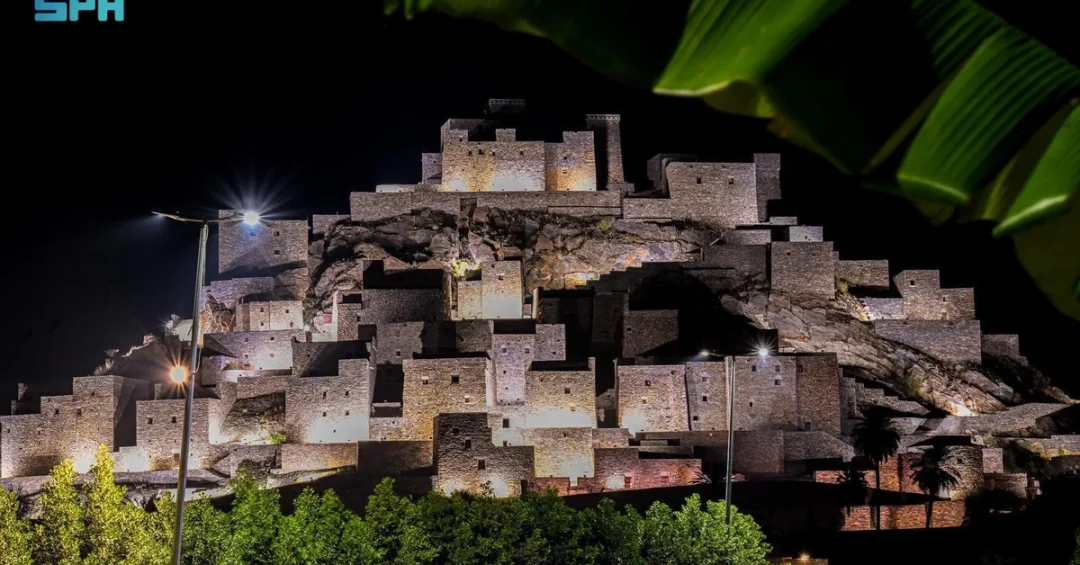
The Tihama governorates of the Al-Baha Region are fully prepared to welcome visitors for the launch of the Al-Baha Winter Festival, with more than 67 parks and gardens and 14 sports and health walkways ready to receive guests. The announcement, released through the Saudi Press Agency, confirms that the region’s infrastructure and public spaces have been upgraded and readied ahead of a season that is expected to draw domestic and international travelers seeking mild winter weather, mountain scenery, and authentic Saudi hospitality. The festival will unfold across Al-Mikhwah, Qilwah, Al-Hijrah, and Ghamid Al-Zinad, showcasing the cultural, historical, and natural treasures of a region that stretches from the Red Sea coast to the peaks of the Sarawat Mountains. For a Kingdom increasingly focused on diversifying its tourism offering, the readiness of Tihama stands as a practical demonstration of how local communities, government agencies, and service providers can come together to deliver a world-class seasonal experience.
Organized under the supervision of the Al-Baha Region’s executive committee, the festival reflects a broader national effort to activate regional tourism destinations throughout the year rather than concentrating visitors in a handful of major cities. The event is expected to feature more than 280 recreational, cultural, sports, and social activities designed to cater to all age groups and interests, according to the official announcement. These include family-friendly entertainment, heritage displays, outdoor adventures, and wellness-oriented programming. The combination of natural assets, upgraded facilities, and a packed calendar positions Al-Baha as one of the Kingdom’s most compelling winter escapes. For international readers, the festival offers a window into a Saudi Arabia that is both modern and deeply rooted in tradition, where visitors can experience the country’s landscapes and customs in a welcoming and well-organized setting.
Context and Background
Why has Al-Baha, a region often overlooked in global conversations about Saudi tourism, become such a focal point for the Kingdom’s winter season? The answer lies in its geography, climate, and cultural depth. Al-Baha sits in the southwest of Saudi Arabia, where the Sarawat Mountains rise dramatically from the Red Sea coastal plain known as Tihama. This elevation creates a rare combination of cooler temperatures, higher rainfall, and green vegetation that sets the region apart from much of the Arabian Peninsula. The Tihama governorates, including Al-Mikhwah, Qilwah, Al-Hijrah, and Ghamid Al-Zinad, serve as the gateway to these highlands, offering visitors a transition from coastal warmth to mountain breezes within a short drive. The region’s flowing valleys, green plains, and the majestic Shada Mountain provide breathtaking views and a serene escape, making it a prime attraction for tourists looking to enjoy the winter season in the Kingdom.
Dr. Ali bin Mohammed Al-Sawat, Secretary of the Al-Baha Region and Chairman of the Executive Committee for the Al-Baha Winter Festival, has emphasized Tihama’s unique climatic and environmental diversity. In official remarks carried by the Saudi Press Agency, he noted that the area stretches from the Red Sea coast to the peaks of the Sarawat Mountains, creating a variety of microclimates and landscapes that few places in the Kingdom can match. This natural richness is complemented by a growing array of restaurants, cafés, and shopping destinations, which have developed in response to rising visitor numbers. The festival itself is not a new concept, but it has evolved significantly in recent years, aligning with national efforts to promote domestic tourism and attract international guests. The readiness of 67 parks and gardens, along with 14 sports and health walkways, reflects sustained investment in public infrastructure that benefits both residents and travelers. Isn’t it remarkable how a region once known primarily for its agricultural heritage is now emerging as a comprehensive tourism destination?
The Al-Baha Winter Festival also builds on a long tradition of seasonal gatherings in the region. For generations, local communities have celebrated the cooler months with markets, poetry, and outdoor activities. The modern festival format preserves these traditions while adding contemporary elements such as sports tournaments, health and wellness programming, and cultural performances. This blend of old and new is central to the Kingdom’s approach to tourism development under Vision 2030, which seeks to honor Saudi heritage while creating world-class experiences. The involvement of the executive committee, chaired by Dr. Al-Sawat, ensures that planning is coordinated across multiple government entities, including municipal authorities, tourism officials, and local service providers. The result is a festival that is both professionally managed and deeply rooted in the community.
Key Details
What exactly can visitors expect when the Al-Baha Winter Festival opens? According to the official announcement, the event will feature over 280 recreational, cultural, sports, and social activities spread across the Tihama governorates. These activities are designed to appeal to all age groups and interests, from families with young children to adventure seekers and cultural enthusiasts. The 67 parks and gardens will serve as open-air venues for picnics, performances, and children’s activities, while the 14 sports and health walkways will encourage visitors to stay active amid the region’s stunning scenery. The walkways are particularly significant, as they reflect a growing emphasis on health and wellness in Saudi tourism, offering safe and accessible paths for walking, jogging, and cycling. For international visitors, these facilities provide a comfortable and familiar way to explore the natural environment.
Dr. Al-Sawat highlighted that the festival’s programming is intentionally diverse. Cultural activities will include heritage exhibitions, traditional crafts, and music performances that showcase the identity of the Tihama governorates. Sports events will range from football tournaments to endurance challenges, while social activities will bring communities together through competitions, workshops, and family-oriented entertainment. The region’s restaurants and cafés will offer a taste of local cuisine, from fresh seafood along the Red Sea coast to mountain honey and traditional dishes from the highlands. Shopping destinations will feature local products, handicrafts, and souvenirs, giving visitors a chance to take home a piece of Al-Baha. The combination of these elements creates an experience that is both entertaining and educational, allowing guests to understand the region’s history and way of life.
Accessibility and logistics have also been a focus of preparations. The Tihama governorates are connected by a network of roads that link the coastal plain to the mountain resorts, and local authorities have worked to ensure that signage, parking, and public services are ready for the influx of visitors. Accommodation options range from hotels and resorts to guesthouses and serviced apartments, with many properties having upgraded their facilities in anticipation of the festival. For those traveling from abroad, Al-Baha is accessible via regional airports and domestic flights, as well as by road from major cities such as Jeddah, Taif, and Abha. The festival’s organizers have coordinated with tourism authorities to provide information and assistance to visitors, ensuring a smooth and enjoyable experience. This level of preparation demonstrates the Kingdom’s commitment to presenting Saudi Arabia as a welcoming and well-organized destination.
International and Regional Impact
How does a regional festival in Al-Baha resonate beyond the Kingdom’s borders? The Al-Baha Winter Festival is part of a wider strategy to position Saudi Arabia as a year-round tourism destination, capable of attracting visitors from across the Middle East, Asia, Europe, and beyond. The Kingdom’s tourism sector has grown rapidly in recent years, supported by visa reforms, new airline routes, and major entertainment and cultural events. Regional destinations like Al-Baha complement flagship projects such as NEOM and the Red Sea Project by offering authentic, nature-based experiences that appeal to travelers seeking something different. For neighboring Gulf countries, the festival provides an attractive option for short-haul winter breaks, while for international tourists, it adds depth to a Saudi itinerary that might also include Riyadh, Jeddah, and AlUla. The diversity of the Kingdom’s offerings is one of its greatest strengths, and Al-Baha is a prime example.
The festival also strengthens regional cooperation and cultural exchange. Visitors from across Saudi Arabia and the Gulf will mix with international travelers, creating opportunities for dialogue and mutual understanding. Local artisans and entrepreneurs gain exposure to new markets, while tour operators can build packages that highlight the Tihama governorates. The event’s emphasis on health and wellness aligns with global travel trends, as more people seek destinations that offer outdoor activities, clean air, and natural beauty. Al-Baha’s mild winter climate, combined with its green landscapes and mountain views, positions it well to capture this demand. In a world where travelers are increasingly looking for authentic and restorative experiences, the Al-Baha Winter Festival offers a compelling proposition. Could this be the season when Al-Baha becomes a household name among global travelers?
Economic and Strategic Significance
What does the Al-Baha Winter Festival mean for the local and national economy? The event is expected to generate significant economic activity across the Tihama governorates, benefiting hotels, restaurants, transport providers, retailers, and small businesses. The influx of visitors will create temporary employment opportunities and support the growth of the local tourism sector, which is a key pillar of Vision 2030. By attracting spending to regional areas, the festival helps distribute the economic benefits of tourism more evenly across the Kingdom, in line with national goals for balanced development. The readiness of parks, gardens, and walkways also represents a long-term investment in public infrastructure that will serve residents and visitors for years to come. These facilities enhance quality of life and make the region more attractive for future investment.
Strategically, the festival reinforces Saudi Arabia’s position as a leader in regional tourism and a responsible steward of its natural and cultural heritage. The Kingdom has made substantial commitments to sustainable development, and events like this are designed to showcase environmental stewardship alongside economic growth. The Tihama governorates’ unique ecosystems, from coastal mangroves to mountain forests, are valuable assets that require careful management. Festival organizers have emphasized the importance of preserving these environments while allowing visitors to enjoy them. This balance between development and conservation is a recurring theme in Saudi tourism planning, and Al-Baha serves as a model for other regions. The event also supports the national goal of increasing domestic tourism, encouraging Saudi citizens and residents to explore their own country and discover its hidden treasures.
Vision 2030 Alignment
How does the Al-Baha Winter Festival fit into Saudi Arabia’s Vision 2030? The Vision, launched by Crown Prince Mohammed bin Salman, aims to diversify the Kingdom’s economy, enhance quality of life, and establish Saudi Arabia as a global tourism destination. Tourism is a central pillar of this strategy, with targets to attract millions of international visitors and increase the sector’s contribution to GDP. Regional festivals like the one in Al-Baha are essential to achieving these goals because they showcase the Kingdom’s diversity and create authentic experiences that resonate with travelers. The festival also supports the Vision’s emphasis on community development, as it involves local residents in planning and benefits them economically. By investing in parks, walkways, and cultural programming, the government is improving public spaces and fostering social cohesion, both of which are key objectives of Vision 2030.
Moreover, the Al-Baha Winter Festival exemplifies the Vision’s focus on sustainable and inclusive growth. The event is designed to be accessible to all, with activities for different ages and interests, and it promotes health and wellness through its sports and walking facilities. It also highlights the role of women and youth in the tourism sector, as many of the activities and businesses involved are led by young entrepreneurs and female professionals. This inclusive approach is central to the Kingdom’s modernization journey. As Saudi Arabia continues to open up to the world, events like this demonstrate the country’s warmth, hospitality, and readiness to welcome visitors. The Al-Baha Winter Festival is more than a seasonal attraction; it is a statement of confidence in the Kingdom’s future and a celebration of its natural and cultural wealth. For anyone seeking an unforgettable winter experience, the Tihama governorates are ready to deliver.
20 Questions
Q1. What is the Al-Baha Winter Festival?
A1. The Al-Baha Winter Festival is an annual seasonal event in Saudi Arabia’s Al-Baha Region, featuring over 280 recreational, cultural, sports, and social activities across the Tihama governorates, designed to showcase the area’s natural beauty, heritage, and hospitality.
Q2. When does the Al-Baha Winter Festival take place?
A2. The festival takes place during the winter season, with preparations completed and announced by the Saudi Press Agency on December 28, 2024. Specific dates may vary, but the event is timed to coincide with the cooler months.
Q3. Where exactly is the festival held?
A3. It is held across the Tihama governorates of the Al-Baha Region, including Al-Mikhwah, Qilwah, Al-Hijrah, and Ghamid Al-Zinad, spanning from the Red Sea coast to the Sarawat Mountains.
Q4. Who is organizing the festival?
A4. The festival is organized under the supervision of the Al-Baha Region’s executive committee, chaired by Dr. Ali bin Mohammed Al-Sawat, Secretary of the Al-Baha Region, in coordination with various government agencies.
Q5. What facilities are ready for visitors?
A5. More than 67 parks and gardens, along with 14 sports and health walkways, have been prepared to welcome visitors and residents, offering spaces for recreation, exercise, and relaxation.
Q6. What types of activities are offered?
A6. The festival features over 280 activities, including recreational, cultural, sports, and social events suitable for all age groups, such as heritage exhibitions, music performances, sports tournaments, and family entertainment.
Q7. Why is Al-Baha considered a unique destination?
A7. Al-Baha is unique for its climatic and environmental diversity, stretching from the Red Sea coast to the Sarawat Mountains, with flowing valleys, green plains, and the majestic Shada Mountain providing breathtaking views and a serene escape.
Q8. What is the significance of the Tihama governorates?
A8. The Tihama governorates serve as the gateway to Al-Baha’s highlands, offering a mix of coastal and mountain environments, rich cultural heritage, and a growing array of restaurants, cafés, and shopping destinations.
Q9. Is the festival open to international visitors?
A9. Yes, the festival welcomes international visitors, reflecting Saudi Arabia’s broader efforts to attract global tourists and showcase the Kingdom’s diverse offerings under Vision 2030.
Q10. How does the festival support Vision 2030?
A10. It supports Vision 2030 by promoting tourism, diversifying the economy, creating jobs, enhancing quality of life, and highlighting regional development, all of which are key objectives of the national transformation plan.
Q11. What economic benefits does the festival bring?
A11. The festival stimulates local businesses, creates temporary employment, attracts spending to the region, and supports the growth of the tourism sector, contributing to balanced economic development across Saudi Arabia.
Q12. What health and wellness options are available?
A12. The 14 sports and health walkways provide safe paths for walking, jogging, and cycling, encouraging visitors to stay active while enjoying the region’s natural scenery and mild winter climate.
Q13. What cultural experiences can visitors expect?
A13. Visitors can enjoy heritage exhibitions, traditional crafts, music performances, and local cuisine, gaining insight into the identity and traditions of the Tihama governorates and the Al-Baha Region.
Q14. How can visitors travel to Al-Baha?
A14. Al-Baha is accessible via regional airports and domestic flights, as well as by road from major cities like Jeddah, Taif, and Abha, with local authorities ensuring signage and services are ready.
Q15. What accommodation is available?
A15. Accommodation ranges from hotels and resorts to guesthouses and serviced apartments, many of which have upgraded facilities to meet the expected influx of visitors during the festival.
Q16. What makes Al-Baha’s winter climate special?
A16. Its elevation in the Sarawat Mountains results in cooler temperatures and higher rainfall than much of Saudi Arabia, creating green landscapes and comfortable conditions for outdoor activities.
Q17. Are there activities for children and families?
A17. Yes, the festival is designed for all ages, with family-friendly entertainment, parks, playgrounds, and social activities that cater to children and families throughout the Tihama governorates.
Q18. How does the festival promote Saudi heritage?
A18. Through cultural programming, heritage exhibitions, and traditional performances, the festival preserves and celebrates Saudi heritage while presenting it to a modern, international audience.
Q19. What role do local communities play?
A19. Local communities are involved in planning and benefit economically, with many residents leading activities, running businesses, and sharing their hospitality with visitors from across the Kingdom and abroad.
Q20. What is the long-term vision for Al-Baha tourism?
A20. The long-term vision is to establish Al-Baha as a year-round destination known for its natural beauty, cultural richness, and wellness offerings, contributing to Saudi Arabia’s goal of becoming a top global tourism destination.
Reader Feedback
We value your thoughts. Please share your feedback on this article.
Your feedback helps us improve our coverage.